



The story of country music is, in many ways, the story of America. “Country music has always done more than entertain. It documents ordinary life. It turns family history into melody. … It turns small towns into poetry and heartbreak into something people can sing together,” the American Country Network magazine wrote.
The sounds that went on to define country music were heard in America before it ever became an official genre: The lofty notes of violins spread across the Appalachian region, and the earthy tones of acoustic guitars emanated through southern swamps and farmlands.
The relationship, however, has never been one-way. America helped shape country music, and country music helped Americans express and understand the culture around them.
The genre’s founding is often traced to the summer of 1927, when historic recording sessions in the small border town of Bristol, Tennessee, captured the music of the rural South. Though those sessions have often been called the “Big Bang” of country music, the genre’s melodic roots date back much earlier.

‘The First Defining Sound’
Today, country music is considered quintessentially American. But its musical roots trace back to the 18th century, to a cluster of historically influential islands across the pond.
“All of those roots go back to the British Isles in the 1700s,” Belmont University professor and historian Don Cusic shared with American Essence magazine. Styles we refer to as folk music today were played on acoustic instruments, often the guitar or violin, and in string bands. Those sounds traveled across the Atlantic with the immigrants who brought them to America.
“Those acoustic instruments, those were the first defining sound,” Cusic said.
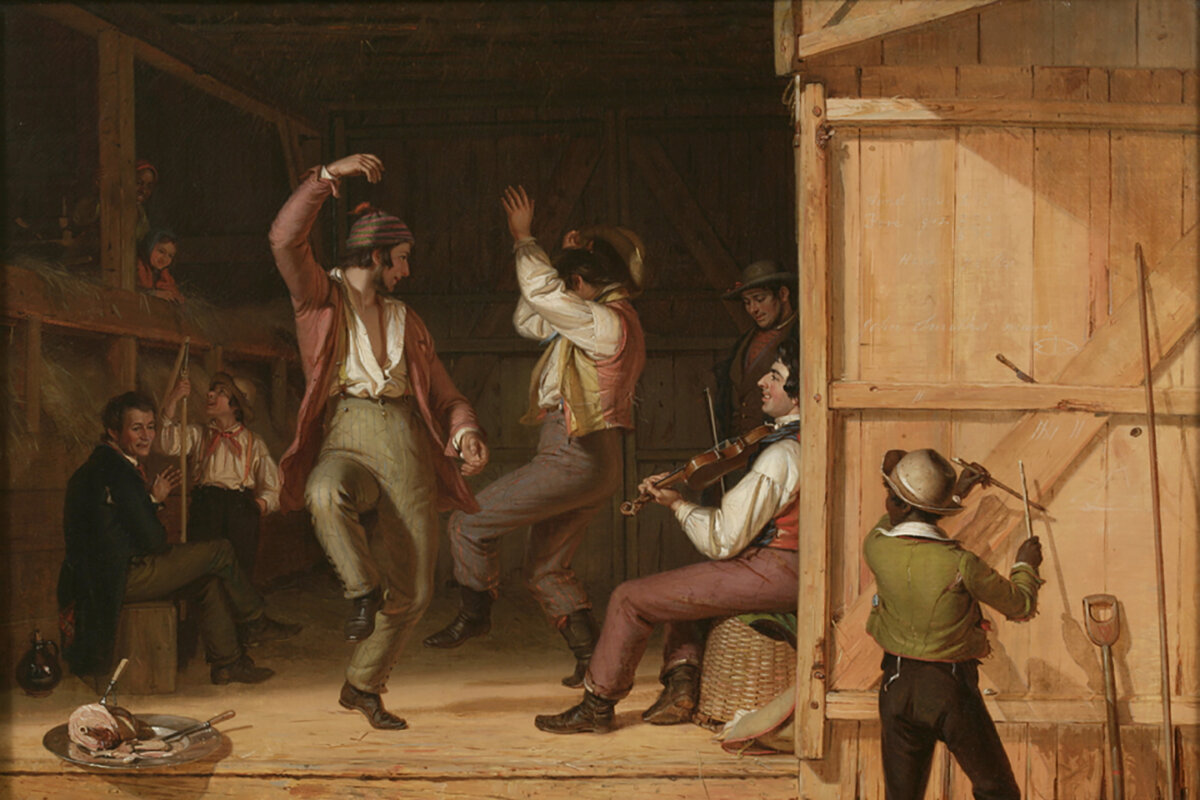
As America took shape, so did country music. Folk blended with gospel and blues, and by the early 1900s, a whole new genre had emerged in the United States. By 1927, the Victor Talking Machine Company arrived in Bristol to capture these traditional styles on tape—setting the stage for an undiscovered railroad worker to help define the genre’s modern era.
Known affectionately as “The Singing Brakeman,” Mississippi-born Jimmie Rodgers traveled America by train in the early 1900s, fulfilling his role as brakeman by day and entertaining his fellow railroad workers by night. After he arrived in Bristol, he recorded with Victor producer and talent scout Ralph Peer. Rogers had only written a few originals at the time, but they would go on to become the genre’s songwriter standard.
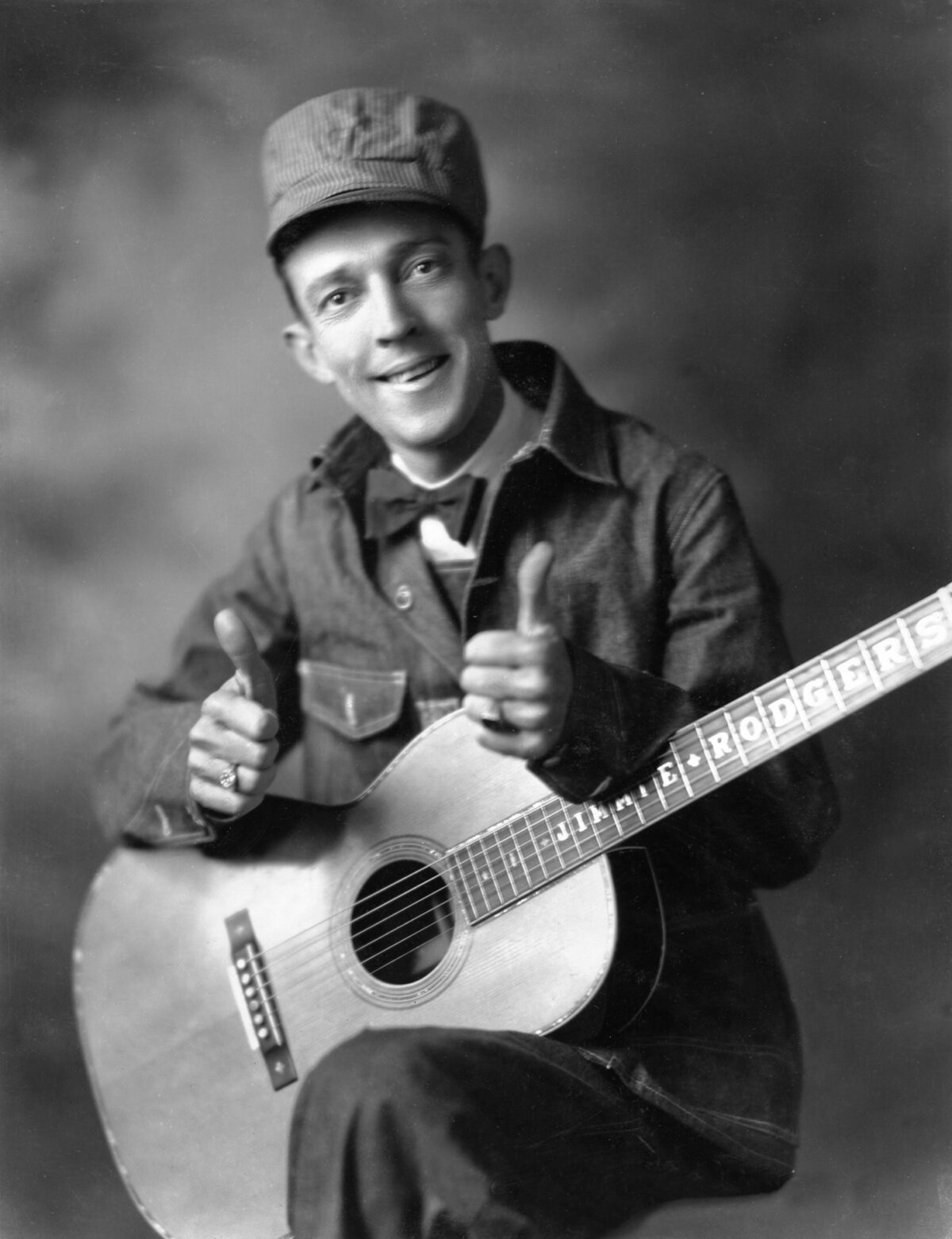
Country music has long been considered a blue-collar genre, a type of music that appeals to hard-working, family-oriented people. Farmers, small business owners, and railroad workers gravitated towards it due to Rodgers’s music. His unbridled yodeling technique—a definitive sound of Swiss and German lineage that journeyed to the New World—filled his audience with nostalgia. But Rogers also captivated them with narrative songs about love, loss, and adventure.
Listeners felt a kinship with his unmistakably southern sound and the lyrical stories woven throughout his songs. From fast-paced tales to wild romances and everyday struggles, Rogers blended blues, gospel, and folk with his acoustic guitar and warbly voice. His music showed everyday Americans that they had stories worth telling, and listeners responded in kind. The appeal of these narrative tunes expanded the genre, taking it outside of the southeastern region and into the West.
Story-songs, a general term used to describe ballads and tunes with a plot structure and image-laden lyrics, are now a standard in contemporary music. But early country music pioneered the form, and Rogers introduced many listeners to it. The relatable songs created connecting threads and mass appeal throughout the early 20th-century nation, a nation both industrious and sentimental. Then, technological advancement in the mid-1900s grew the genre even more.
Adapting to the Modern World
For the first couple of decades, country music remained closely tied to its acoustic tradition. By the 1920s, traditional instruments of African origin—most notably the banjo, long rooted in southern blues and spirituals—fully integrated into the acoustic and amplified string bands. As musicians from diverse backgrounds played together, these distinct styles fused, shaping the core instruments of the genre.
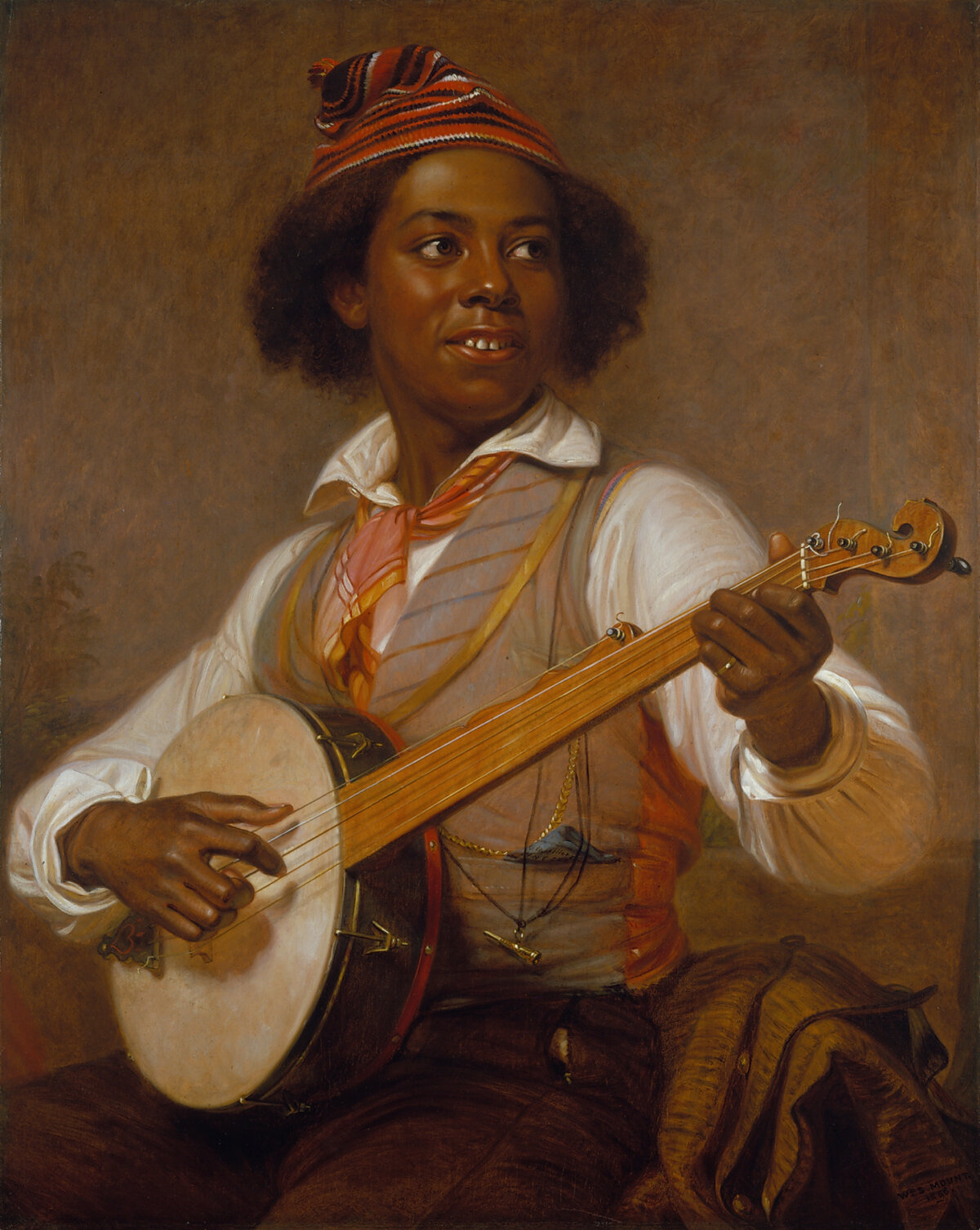
It took the country genre longer than others to go electric. Early country musicians were dedicated to the acoustic tradition. But access to venues capable of supporting amplification also played a role in the genre’s adopting electric instruments. “They were playing where there wasn’t any electricity,” Cusic said. Then, the innovative years of post-war America pushed country music to follow.
America grew rapidly after WWII, and so did the country music genre. When country musicians adopted an amplified sound widely in the mid-1940s, they produced several nuanced offshoots. “[At the] end of World War II, you’ve got country music going in different directions,” Cusic said. Western Swing sprung up in states like Texas and Oklahoma and areas like Los Angeles. Bluegrass, which developed from early string band music, took shape in Kentucky. In southern states, where faith was at the center of family and community, gospel standards and spirituals were favored among listeners. At the same time, the honky-tonk sound populated the airwaves. “And so, you’ve got all of those under the same genre, and you can see one influencing the other,” Cusic said.
By the mid-20th century, country music had established a powerful foothold that reflected the realities of America’s daily life—built on hard work, family ties, and devotion to community. Yet as technology and the entertainment industry expanded, the music transformed once more: Electricity introduced new regional styles, and its screen debut turned country from a local sound into a national and cultural commodity.
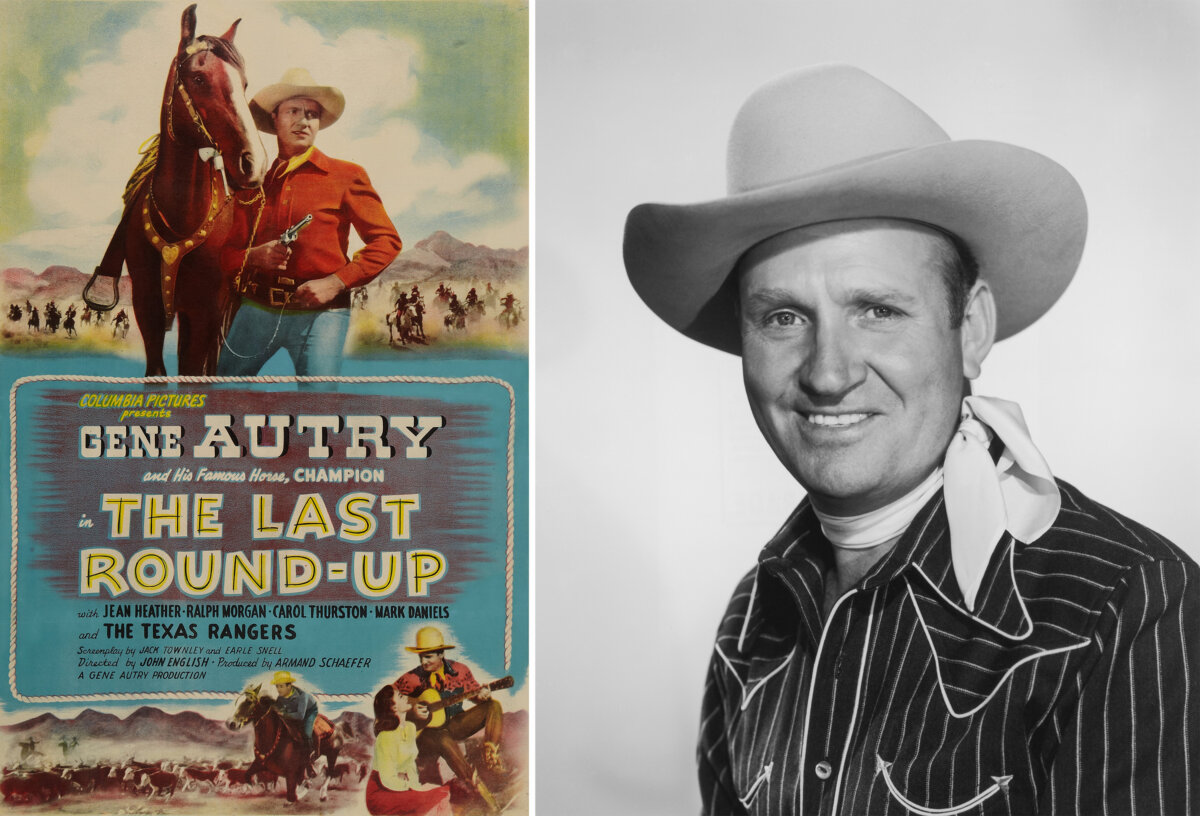
During the mid-20th century, the children of working-class America were spending summer days at the movie theater watching Gene Autry in films like “The Last Round-Up” and dreaming of riding horseback across the Western plains. Mothers felt comfortable allowing their children to go to the theater to catch a singing-cowboy flick because the main characters embodied virtues they wanted their children to live by—virtues like courage, integrity, workmanship, and occasionally, a sense of adventure. As singing cowboy films played in movie theaters across America, the genre grew and transformed yet again.
“The singing cowboys … came out of the movie industry,” Cusic said. Gene Autry, Roy Rogers, and the Sons of the Pioneers brought country-associated sounds and imagery to a much larger audience. And while, at first, the genre grew because listeners felt deeply attached to the sounds and the lyrics spoke to their own lives, the contemporary transformation brought on by the singing cowboys happened for a more practical reason. “It developed because it sold,” Cusic said. “You know, it’s a business.” He explained that though artistic capability was a factor in their success, it also had to do with audience capture: “If it doesn’t sell, it’s not that it’s not good aesthetically,” Cusic said. “Things aren’t judged aesthetically. You know, it sells, or it doesn’t sell. And so, that economic base, that business base is what drove it.”
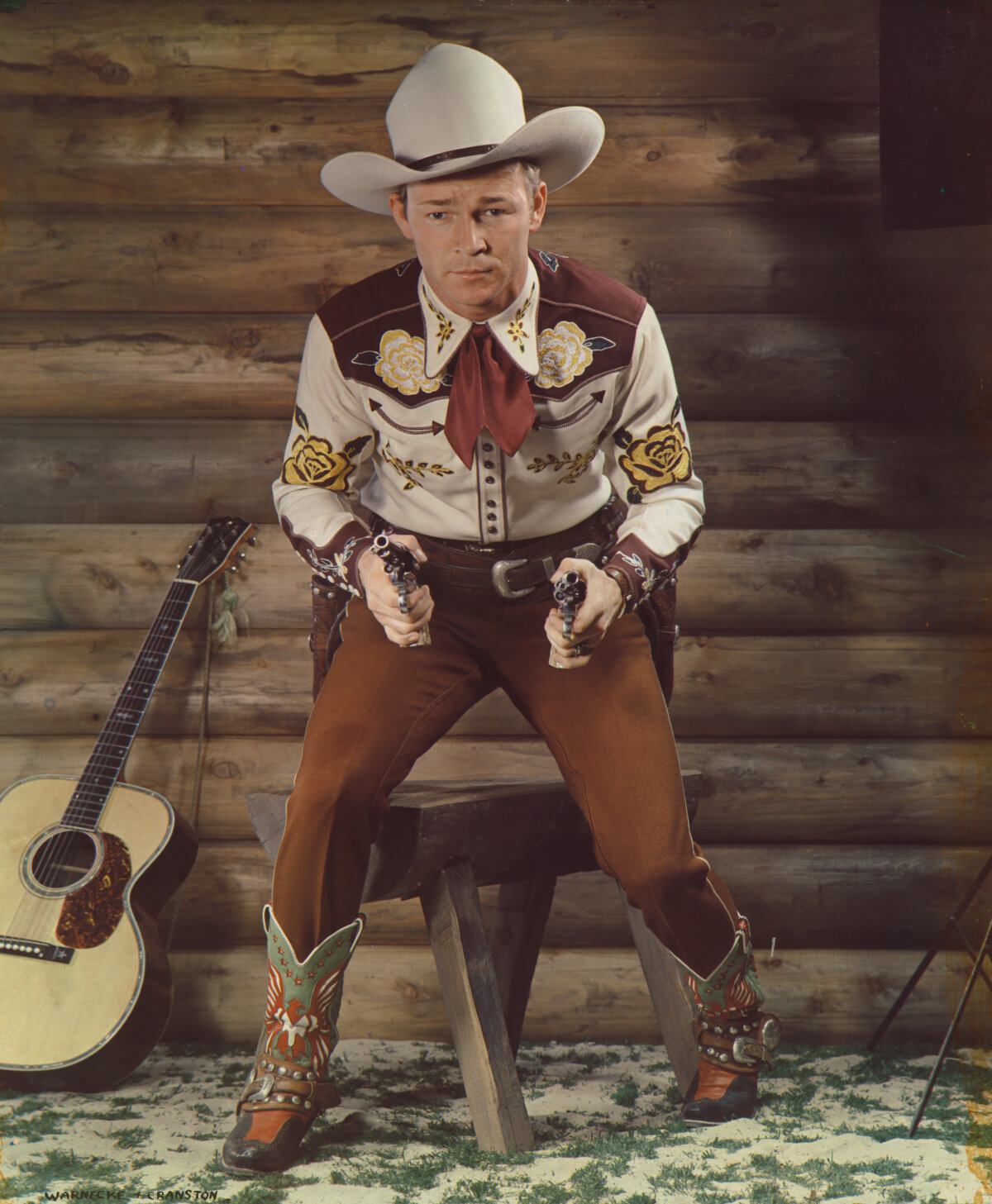
Technology gave rise to a market for the genre, and suddenly its values, stories, and sounds born of various tight-knit communities became an integral part of entertainment, whether on the radio or the movie screen. And as country musicians became poplar TV personalities in the following decades, they moved the genre from the silver screen and into American homes.
Sharing a Lived Experience
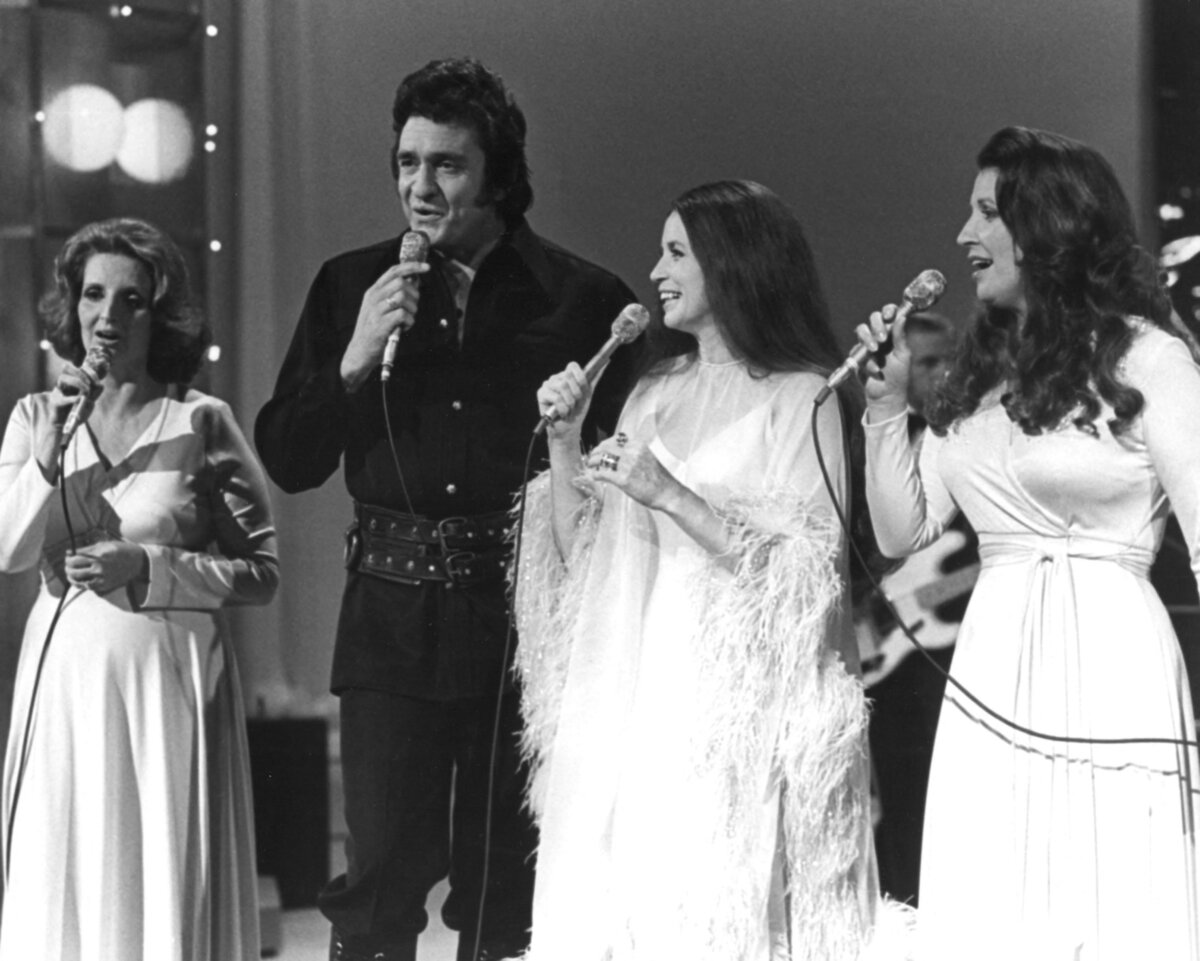
In the 1960s, country music variety shows were among television’s most popular programs. Johnny Cash, Glen Campbell, Jimmy Dean, and Porter Wagoner were a few of the troubadours who hosted weekly programs featuring performances and skits.
TV increased country music’s presence across America at a time when popular genres began to represent social groups. Rock and pop became associated with the counterculture while country music appealed to a different audience. “Country is the counter to the counterculture,” Cusic said. Country music represented traditional values. Rock and pop represented a younger demographic of listeners with changing attitudes. “Country has always represented grown-ups,” he said.
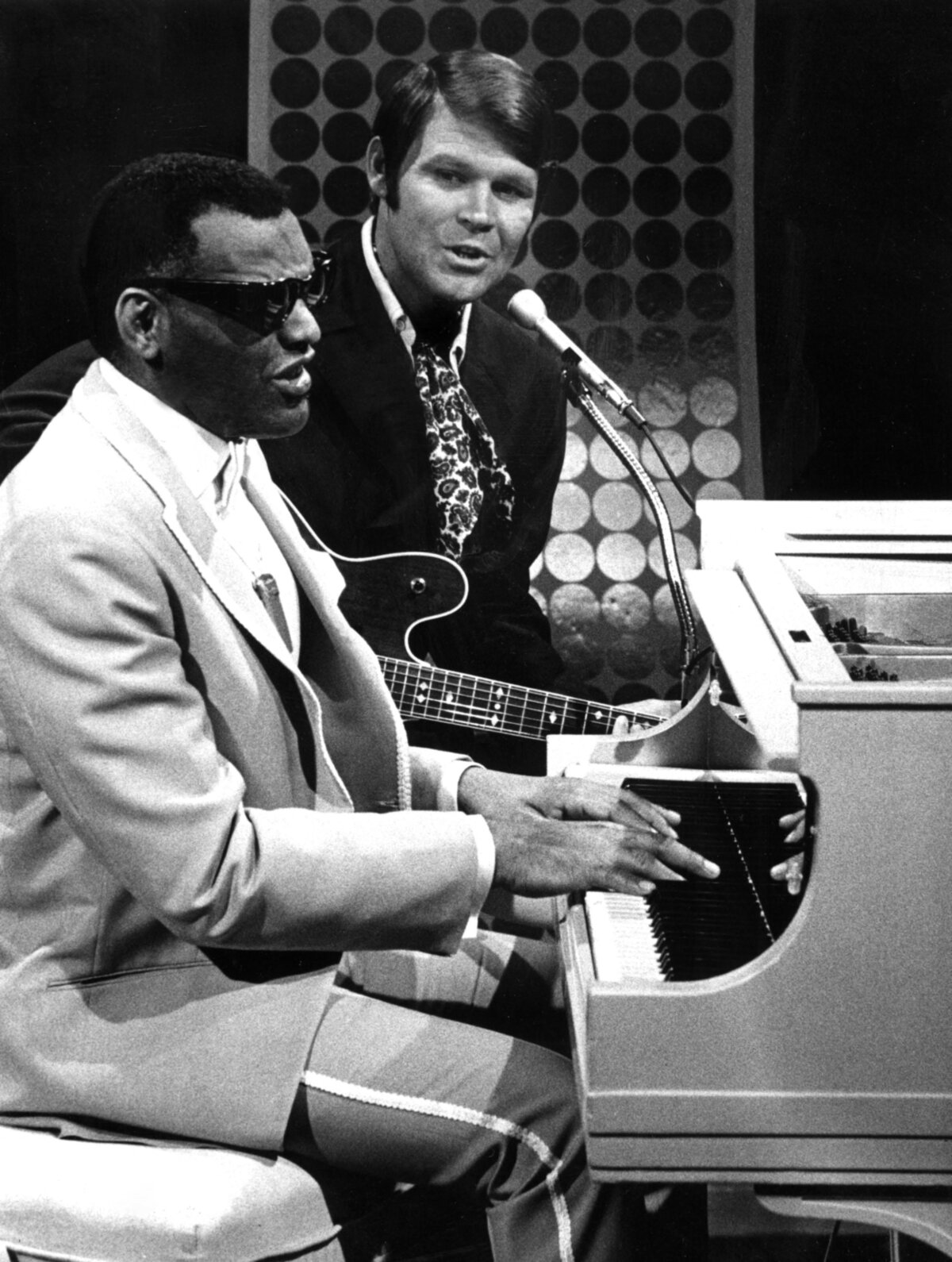
Shifting social tides of the 1960s created a moment when country music became an identity, and listeners who believed in traditional values like family, faith, and community became the heart of the genre’s audience. But Cusic cautioned about viewing country music through a single lens. “You’ve got the family guy, traditional values, but you’ve also got the good old boy who drinks beer and raises hell,” he said. “So both of those are in that genre.”
Country music and America have long shared the same belief: Though people have the freedom to take different paths in life, core values keep us united and connected. That is, the genre never lost that connection to our shared humanity. Its storytelling is not limited to happy songs but is filled with ballads and anthems about heartbreak and loss. Hank Williams’s “I’m So Lonesome I Could Cry” and Patsy Cline’s “Walking After Midnight” became hits that showed there was a powerful need for sad songs because they could turn a negative experience into a positive release. Cusic believes that’s part of country music’s power. “Sad songs make you feel better,” he said. “Country music can be a warm blanket, you know? It can be something that comforts you.”
He went on to say that, often, when someone is sad, they want to listen to a song that reflects that feeling. “The highest compliment a song can have is, ‘that’s just the way I was feeling,’ or, ‘that’s just what I was thinking,’” he shared.
One of country music’s enduring contributions to American culture is that it takes individual experience and turns it into shared lived experience, no matter the zip code. Through the music, listeners hear stories about heartbreak and recognize themselves, or they hear spiritual odes that make them feel connected to loved ones who have passed away. Though country music doesn’t have the power to alter experience, it does have the power to give it a voice.
As America Changes, Country Music Changes
As America continues to grow and transform, so does country music, and the latest technological innovation has given the genre the most visibility it’s ever had. Now, Cusic explained, country music has a worldwide presence, with the United States, Canada, and Australia representing its top three audiences.
The way country music is consumed—such as through audio streaming services—has rapidly changed over recent years, and with that came yet another change in sound. “People are recording on computers, and so you have a very commercial sound,” Cusic said. “Today … country sounds a lot like pop.” But as the genre continues to evolve along with the culture of the country, it begs the question: How much can country music change before it loses the qualities that made it country music in the first place? But Cusic already gave insight into this answer when he said, “It’ll grow as long as it sells.”
“As far as artist integrity, so much of that is dependent upon the artist. And there’s a spectrum. Some artists just want to sing. They don’t care what the song says, as long as it’s a hit. And other artists, they have something they want to say. They want to represent that part of America,” he shared.
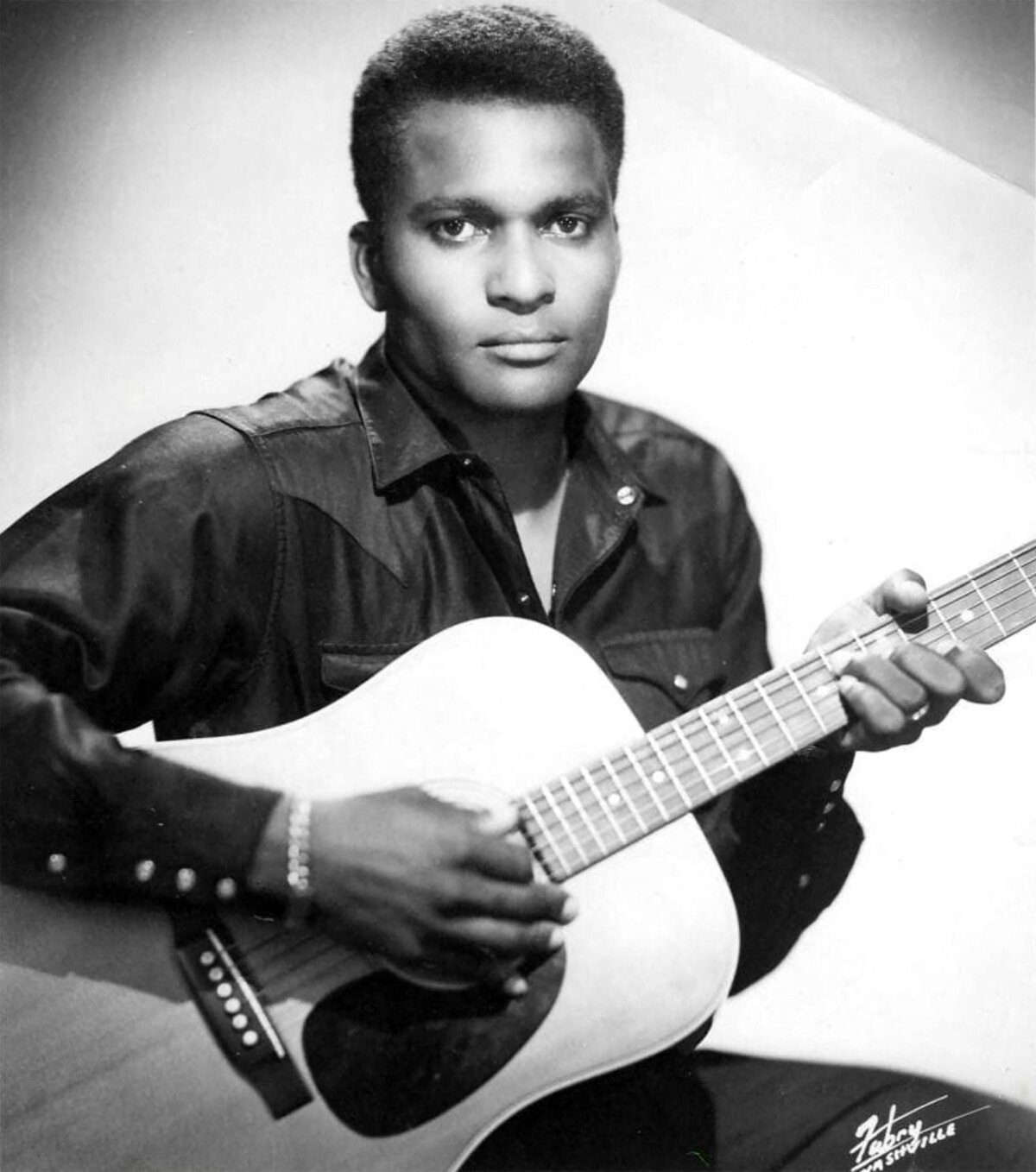
Artists from various backgrounds have always been part of country music, and today their presence is growing. Cusic explained that as the perception of country music has shifted since becoming more mainstream, more black musicians are turning to the genre—a path paved by singer Charley Pride in the 1970s. As the culture changes, the packaging of country music sounds changes and evolves, and new artists deepen the cultural well.
Deepening the Cultural Well
What makes country music authentic? For Cusic, it has to do with more than sound. “Authenticity depends upon where you stand in that culture,” he said. In other words, he asked, are artists on the outside of the culture or are they a part of its makeup? Is the artist interested in celebrating the values of the genre with original music or simply using the genre because of its popularity? As fans, artists, and critics weigh these questions, the root of it all points to the longstanding, symbiotic relationship between the genre and the nation—what country music represents has always also been what America represents.
Ultimately, the story of country music is one of continual transformation. What began as European melodic tradition evolved into a genre bursting with uniquely American sounds.
From acoustic instruments to electrified sound, and from story-songs to good-time anthems, country music has evolved over the centuries along with America. The relationship between music and culture has always been like a conversation, with each informing the other as they grow together; a conversation that deepens with new songs and stories. The longer the two remain intertwined, the conversation becomes a bond that must remain unbroken.
What arts and culture topics would you like us to cover? Please email ideas or feedback to features@epochtimes.nyc.

