



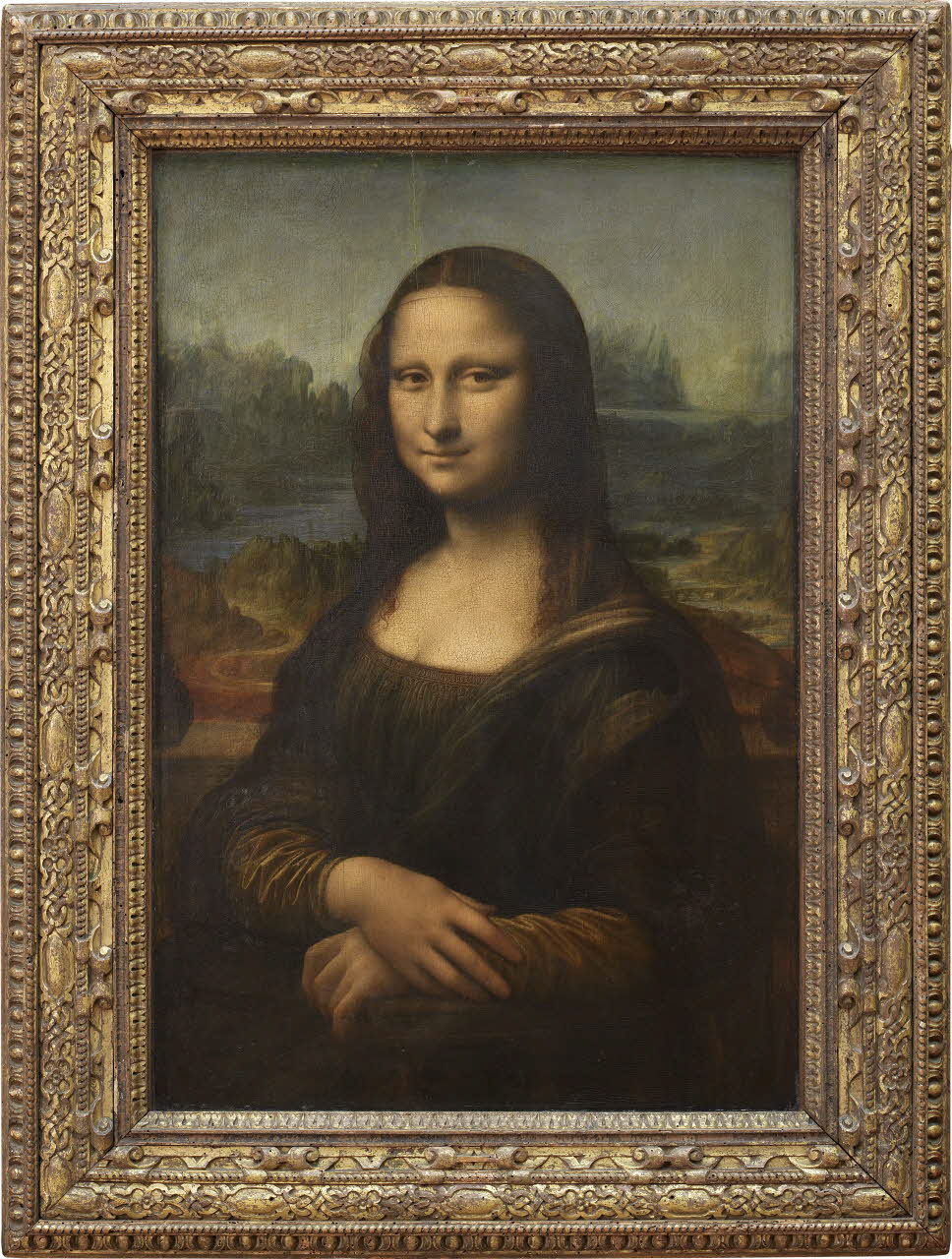
Every year, thousands of art lovers visit the famous Parisian museum, the Musée du Louvre. If you ask them what they want to see, no doubt the majority will mention Leonardo da Vinci’s portrait of Mona Lisa.
The surprisingly small portrait has long been shrouded in mystery. There is still some speculation as to the woman’s identity. Many scholars agree that it’s a portrait of Lisa del Giocondo, the wife of Francesco del Giocondo.
Supposedly, Leonardo started the painting around 1503 and was still working on it in 1517. There is also speculation that the woman depicted is perhaps Leonardo’s vision of idealized womanhood.
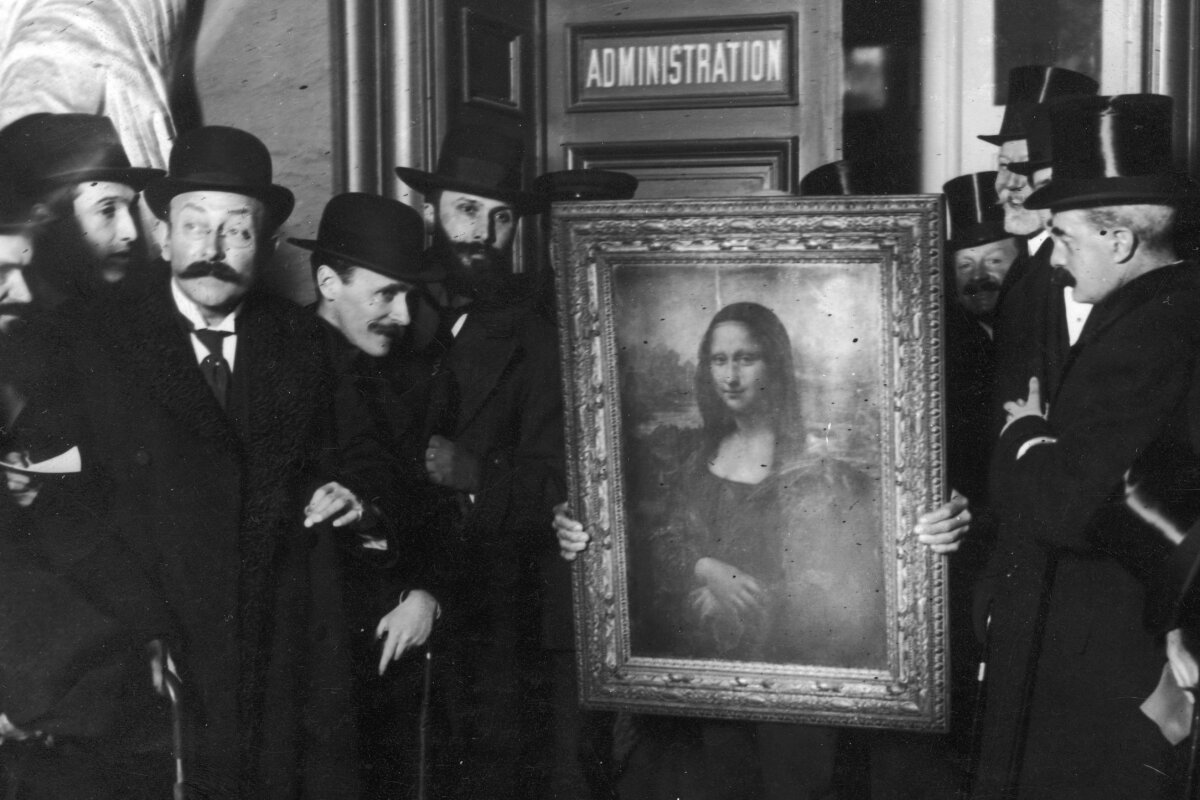
The “Mona Lisa” wasn’t world-famous until almost 400 years later, when it was stolen in 1911. The thief was a painter named Vincenzo Peruggia, and his crime helped to make “Mona Lisa” a world icon.
A Thief Is Born
Vincenzo, born Pietro Vincenzo Antonio Peruggia, was born in Dumenza, Varese, Italy, in October 1881. As a young man he became a painter—not a fine arts painter, but a house painter. He may have had a flair for faux painting (an artistic technique that replicates the appearance of natural materials) and other decorative work, but he wasn’t an artist in the manner of Leonardo.
The Northern Italian region of Lombardy, where the municipality of Dumenza is located, was impoverished. The prosperity of its Renaissance days and their afterglow had been eclipsed by the French empire. Napoleon had conquered Italy, and many of the country’s great art treasures were carried off to Paris. Even in the post-Napoleonic period, France prospered while Dumenza languished. In 1908, Peruggia traveled to Paris to seek his fortune.
He initially found work in his trade as a house painter. In those days, painters prepared the base vehicle for their paints by mixing lead paste and linseed oil. Needless to say, lead exposure was a serious occupational hazard, and in 1908, Peruggia experienced severe lead poisoning. He was unable to work and was even hospitalized for a time. Still dreaming of making his fortune, Peruggia went to work for the firm of A. Gobier, a prominent painting and decorating firm in Paris.
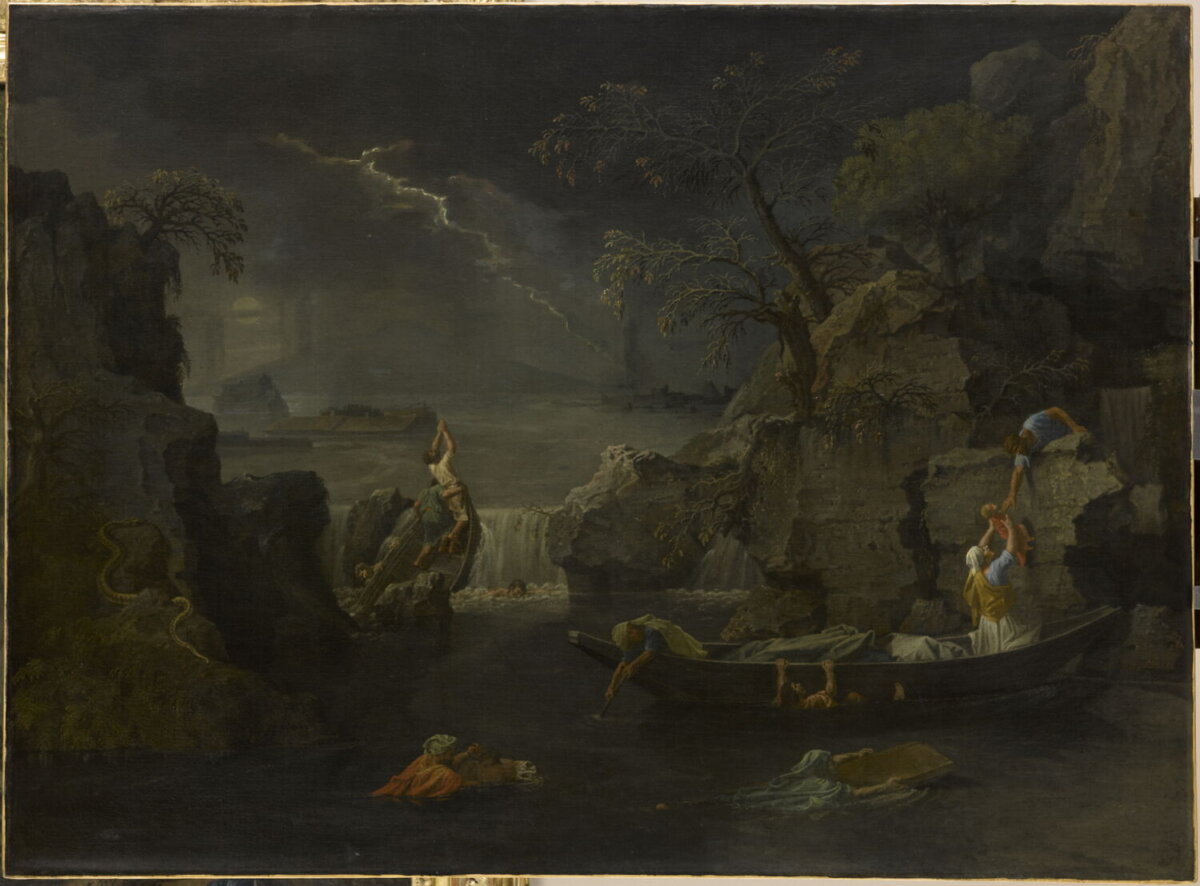
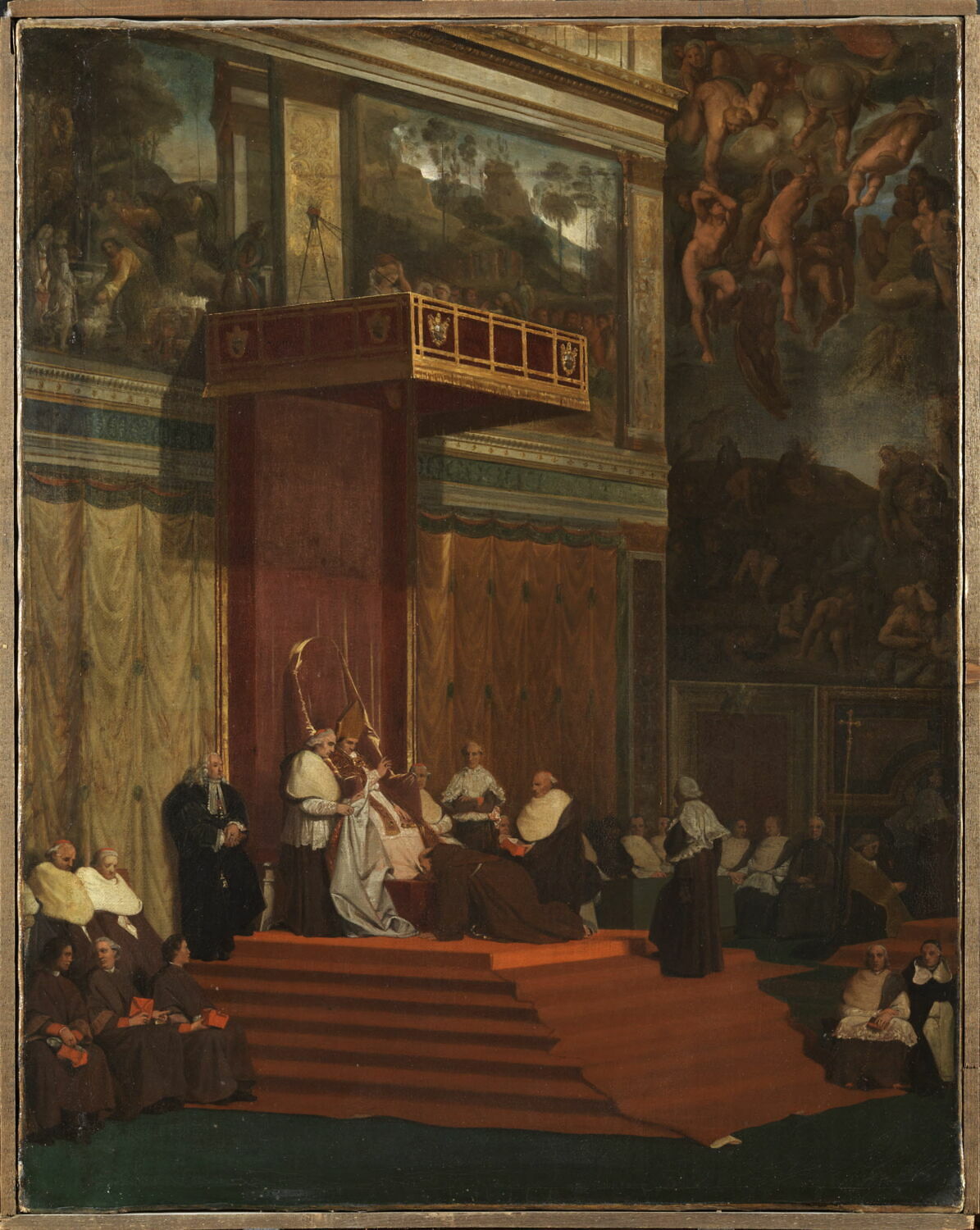
He worked for Gobier primarily as a glazier, a position that entailed fitting and installing window glass. One of Gobier’s clients was the Louvre, and the company repaired its skylights and did other similar tasks. The museum decided to cover 1,600 of its paintings with glass after two masterpieces—Nicolas Poussin’s “Winter (‘The Flood’)” and Jean Auguste Dominique Ingres’s “Pius VII in the Sistine Chapel”—were slashed in the Louvre by deranged individuals in 1907. Peruggia was one of only five employees entrusted with the cutting and fitting. His work placed him in a unique position when it came to having access to the “Mona Lisa.”
Filmmaker Joe Medeiros was fascinated by this story, so he sought out descendants of Peruggia, including his then-84-year-old daughter, Celestina. His 2012 documentary, “The Missing Piece: Mona Lisa, Her Thief, the True Story,” details some of Medeiros’s most fascinating findings. From letters Peruggia wrote to his father, court records, and reminiscences of descendants, a tragic story unfolds. Peruggia struggled to overcome his beginnings in poverty. Debilitated by severe lead poisoning, he still dreamed of bringing prosperity to his family.
He wrote as much in letters to his father, saying that “his fortune would come to him.” Sadly, severe lead poisoning causes brain damage: It lowers IQ, causes aggression, and loss of reason. In all likelihood, lead toxicity affected Peruggia. Prior to his employment with Gobier, he had several run-ins with the law—likely due to poor judgment, one of the effects of lead poisoning.
In one instance, he actually stopped some boys from stealing terracotta pipes, but when he dropped one, he was accused of stealing the pipe. Another time, he was charged with possession of a pocketknife and lacking the proper identification papers for a guest worker. However, this didn’t stop him from getting work with Gobier, a firm entrusted with protecting national treasure artwork.
Several things happened to Peruggia while he was working at the Louvre. Even as a skilled and competent craftsman, he was subjected to harassment by his French colleagues. Italians were the largest immigrant group in France, and they experienced considerable prejudice.
Peruggia also learned why there were so many priceless Italian artifacts in the Louvre. In the early 19th century, Napoleon had plundered the treasures of Italy, taking more than 600 works of art. After he was deposed, the French returned only half of them.
National Pride or Prejudice
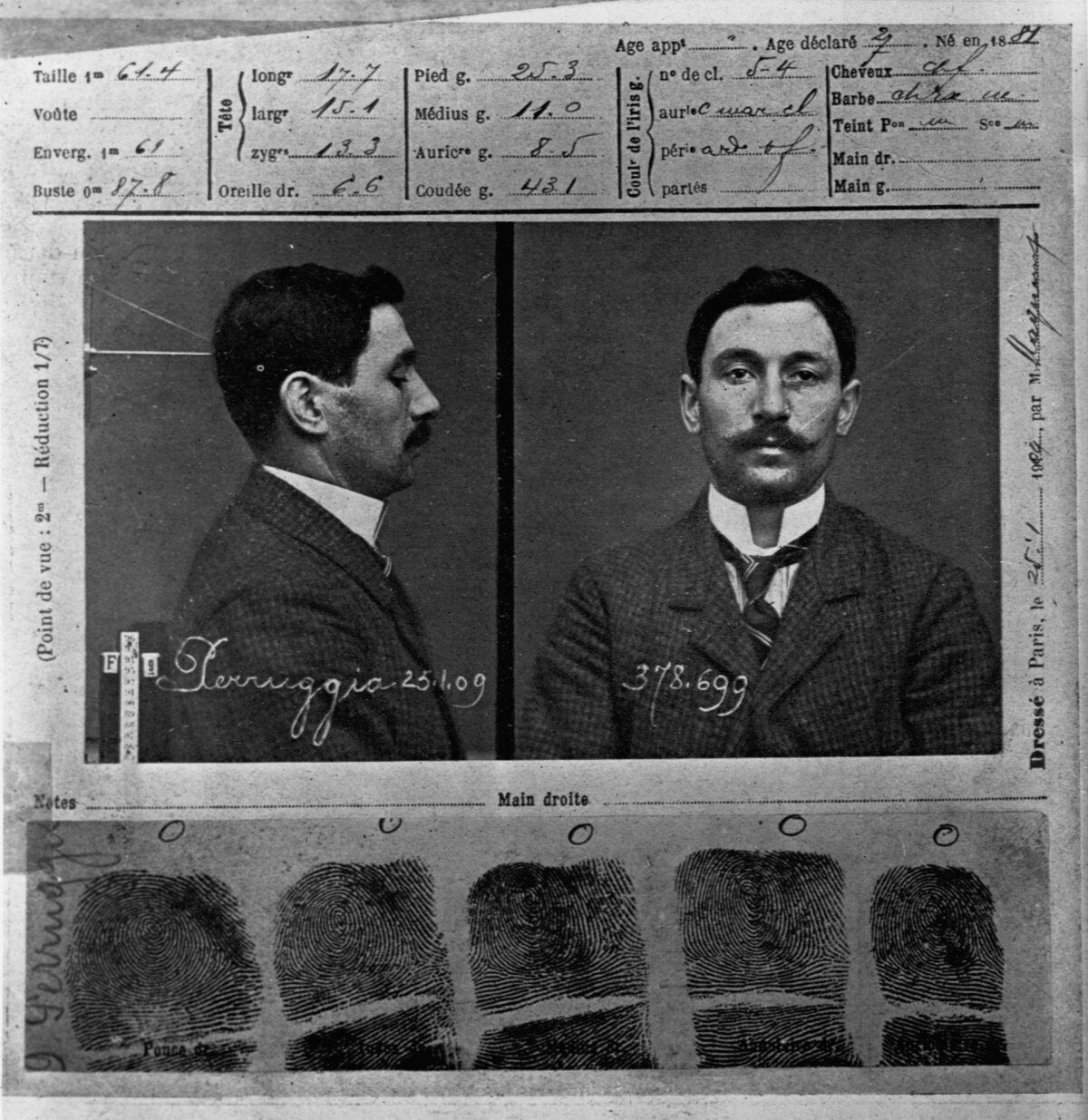
Peruggia came up with a plan. Some say it was driven by national pride, some say by the possibility of monetary gain—but it was most likely both. His plan involved stealing an Italian painting to repatriate it in the hopes of receiving a monetary reward. His scheme was well thought out: He chose a smaller work by Da Vinci—a then-relatively unknown portrait of a woman on a wooden panel.
Peruggia kept his workman’s smock after leaving Gobier’s to return to house painting. Knowing that the Louvre was closed on Mondays for cleaning and maintenance, he entered the museum around 7 a.m. on Aug. 21, 1911, wearing his white workman’s smock. Only a fraction of the guard force was on duty, and it wasn’t uncommon for artwork to be taken off display for photographing.
Peruggia entered the room where “Mona Lisa” hung and lifted it from its wall hooks, which were installed so the artwork could be easily moved in case of fire. He removed the painting from its frame, took off his smock, wrapped it around the panel, and simply walked out the door.
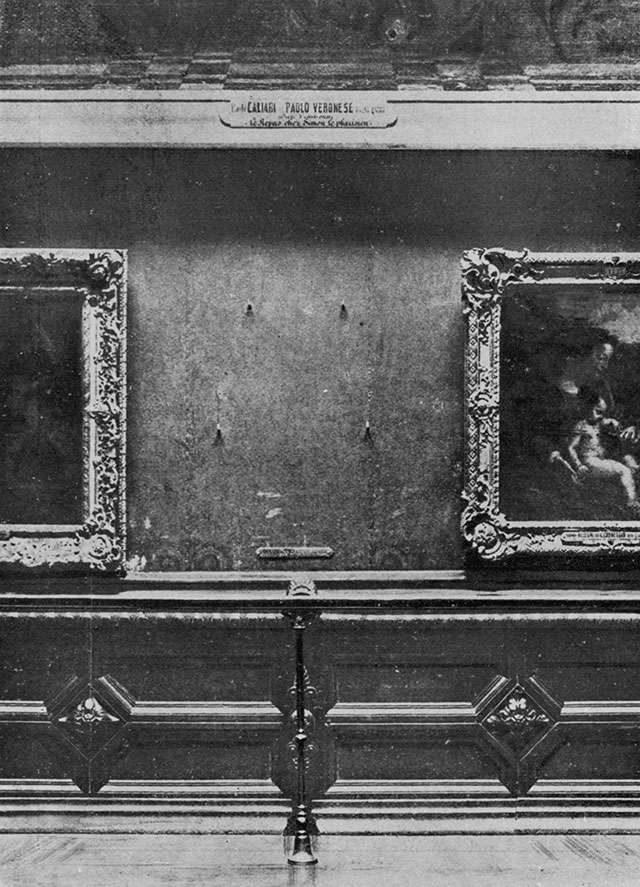
When the theft was discovered, the museum began an investigation. Who had done this? It was known that wealthy Gilded Age Americans were excited to buy European masterpieces. Pablo Picasso was suspected, as was a regular visitor to the Louvre, as was Louis Béroud, who seemed to have a particular fascination with the “Mona Lisa.”
The museum distributed thousands of flyers with the painting’s image. It was circulated to the world press. The Washington Post published the story but with the wrong image. Still, the theft of the painting created a legend, especially since the case wasn’t solved immediately.
Peruggia waited more than two years before leaving Paris. He wanted the heat surrounding the robbery to die down. He told one relative that he temporarily kept the painting hidden under the tablecloth of his small dining table in his one-room flat. Police visited everyone who worked, or who had worked, in the Louvre. It’s highly likely that the officer who searched the flat and interrogated Peruggia filled out and signed his report on a table right on top of the stolen painting!
Peruggia made a crate with a false bottom, under which he placed the painting. He then filled the crate with his clothing and tools and returned to Italy. Stopping in Florence, he tried to get gallery owner Alfredo Geri to take the painting off of his hands. Expecting to receive a hefty amount of money and recognition for repatriating an Italian painting, Peruggia was surprised when he was arrested instead. After he served seven months for the theft, he was released early because of his mental state.
Returning to his given name of Pietro, he married, returned to France, and fathered his daughter, Celestina. Still in poor health, he unfortunately died one year later at 44.
Ironically, Peruggia shared one thing in common with the great Leonardo. Both lived out their last days in France and died there. Leonardo’s last employment was in the service of King Francis I of France as court painter. Francis, according to some biographers, held the dying painter in his arms. The “Mona Lisa” was one Italian painting acquired legitimately by the French monarch, who purchased it from Leonardo.
After its recovery, the “Mona Lisa” was exhibited for a time in Italy before being returned to the Louvre. Largely due to Peruggia, the painting is known today around the world. A prime example of Leonardo’s soft and innovative work in oils, it’s a Renaissance masterpiece made famous by its theft.
What arts and culture topics would you like us to cover? Please email ideas or feedback to features@epochtimes.nyc.
