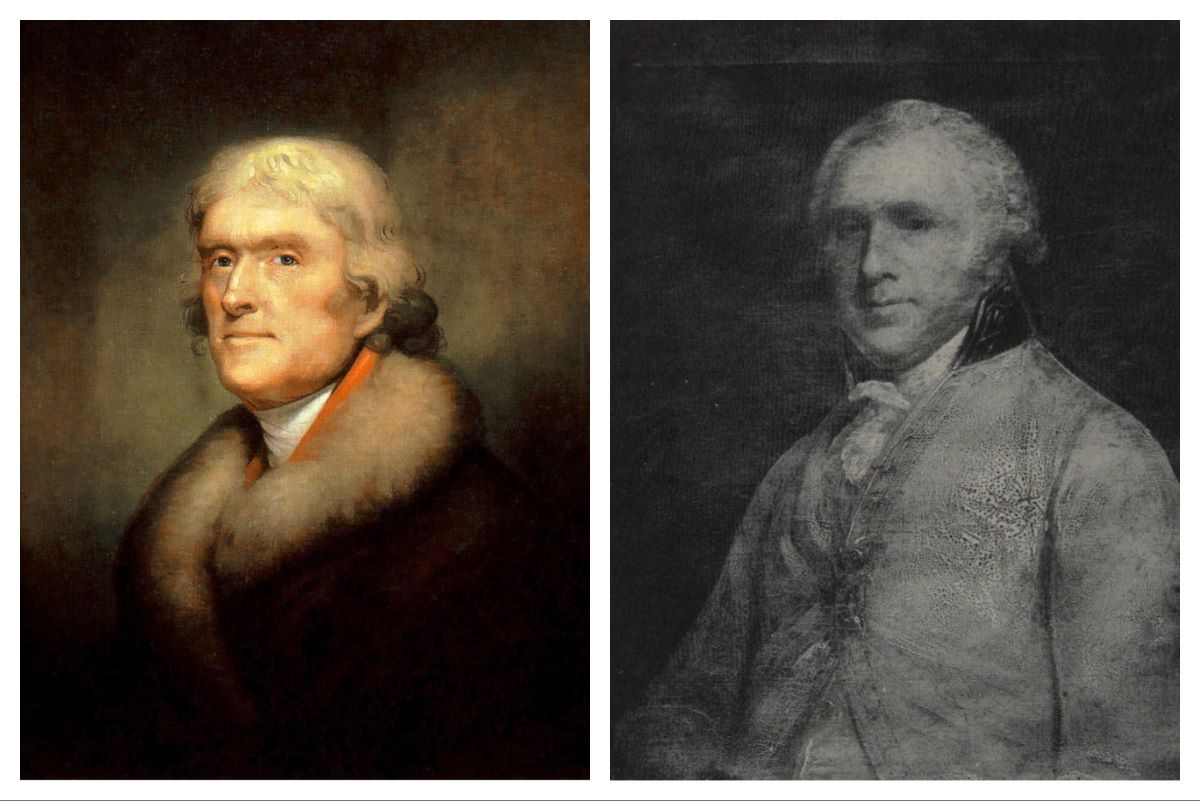
Twenty-eight years after the “shot heard round the world” at Lexington and Concord, President Thomas Jefferson in 1803 lit a powder keg of his own when first meeting Britain’s newly appointed minister to the United States, Anthony Merry.
Merry understood this to be a formal occasion and, accompanied by Secretary of State James Madison, he appeared at the President’s House in formal attire. He wore a blue dress coat with gold braid, white breeches, silk stockings, ornate buckled shoes, a plumed hat, and a gentlemen’s dress sword.
To Merry’s shock and disdain, Jefferson greeted him casually dressed in pantaloons, a simple coat, woolen stockings, and well-worn slippers.
Jefferson believed his actions to be a display of “republican simplicity” and American egalitarian principles. He believed that “republican simplicity” required America to break with European protocol, even if it offended foreign diplomats. Also, Jefferson had served as the country’s foreign secretary to France for four years and openly expressed anti-British sentiments.
In a series of subsequent social functions involving Jefferson, Merry, and his wife, Elizabeth, what began as a domestic social scandal quickly morphed into a major diplomatic incident, widely known as the “Merry Affair.” The ensuing reaction to the series of protocol breaches exasperated already tense relations between the young American republic and its British counterpart.
Guess Who’s Coming to Dinner?
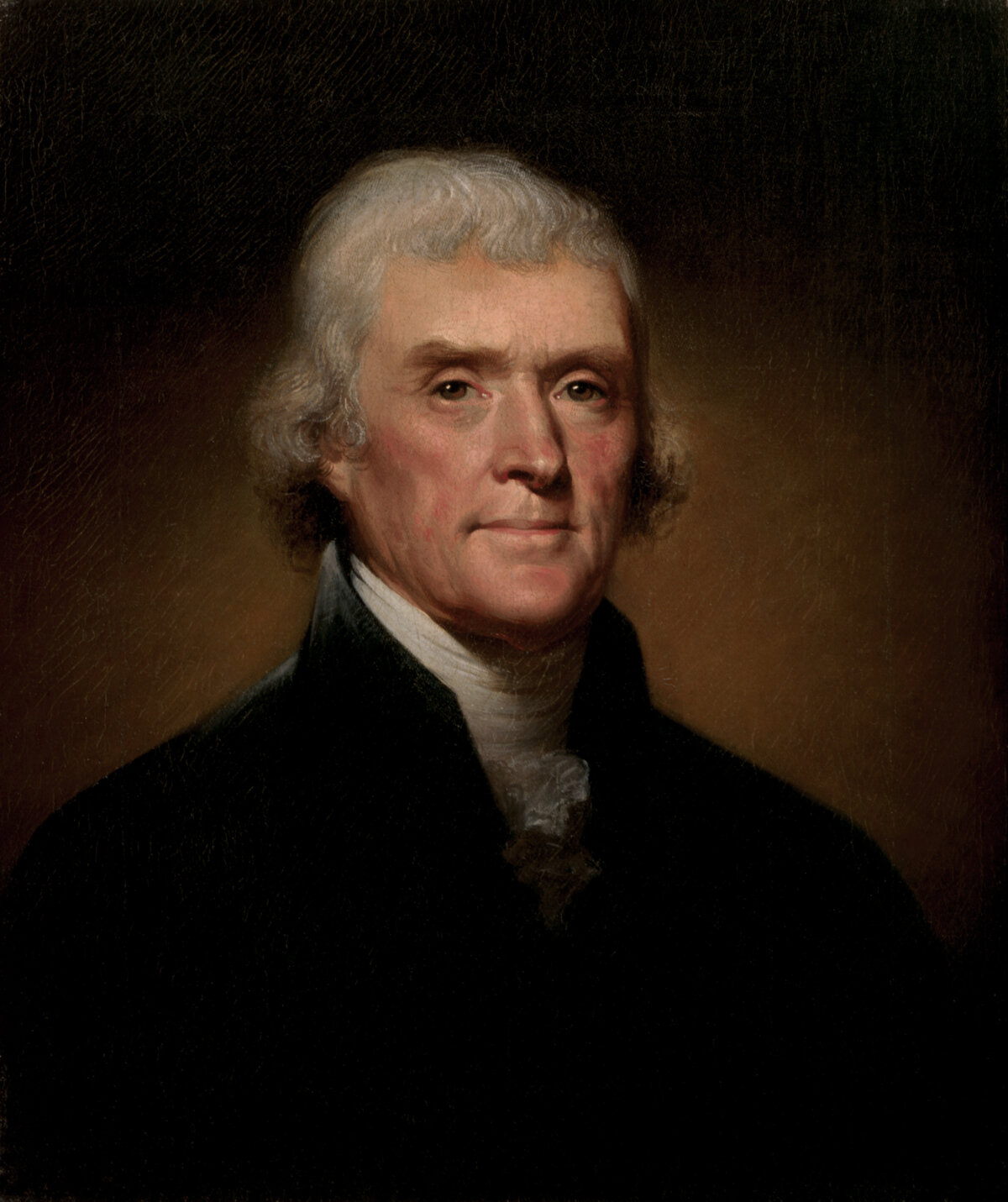
Unlike his predecessors George Washington and John Adams, Jefferson disliked pomp and circumstance and European etiquette. Considering himself a man of the people, Jefferson preferred to imprint American government with protocols that he believed better reflected democratic-republicanism and egalitarian ideals.
Days after Merry’s initial meeting with Jefferson, he and his wife were invited to a small dinner party at the President’s House on Dec. 2. Merry assumed this private affair was in his honor, but, to his consternation, he saw that Louis Andre Pichon, the French chargé d’affaires, was also an invited guest. With Britain and France at war in 1803, Jefferson had invited diplomats from warring countries to the same social event.
If that wasn’t upsetting enough for Britain’s new envoy, the real surprise came when the guests were called to dinner.
Pêle-mêle
Jefferson debuted his new social policy of “pell-mell,” (from the French pêle-mêle) at the December dinner. Pell-mell seating is intentionally informal and permits guests to sit wherever they like. There was no regard for status, rank, or diplomatic station. The custom at that time would have dictated that the host escort Elizabeth Merry first into the dining room, followed by Anthony Merry escorting the hostess, Dolley Madison. Others would follow into the dining room in preceding order, taking their seats from most important to least.
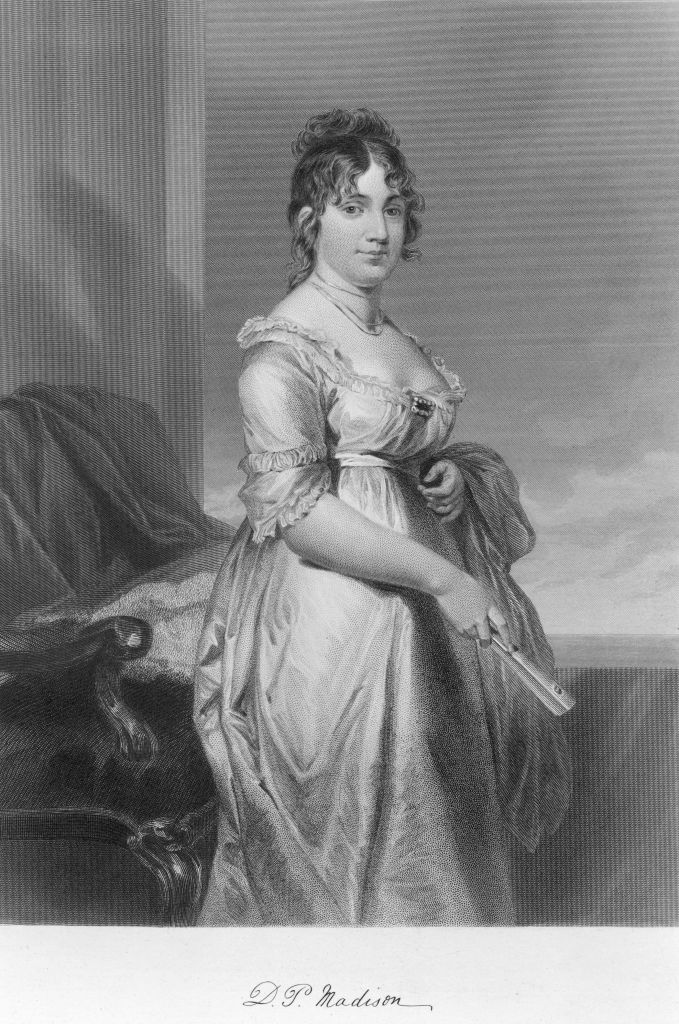
Instead, Jefferson escorted Dolley Madison and James Madison escorted Mrs. Merry. The guests continued to pair off until Anthony Merry had to enter the dining room by himself and take the last seat available. Afterwards, Merry complained to Madison that the dinner was a violation of standard diplomatic precedence but Jefferson’s defense was that the new custom was consistent with American egalitarianism.
A final insult came four days later, when, at a dinner hosted by the Madisons, the guests paired off two by two but no one escorted Elizabeth Merry to the dining room. Merry was forced to escort his own wife into the dining room where the couple angrily strode to the head of the table and demanded that Elizabeth be seated next to the host, Madison.
Diplomatic Consequences
After that last insult and having received no instructions from England on how to respond, the Merrys boycotted all future social invitations and also convinced the Spanish minister, Marquis de Casa Yrujo, to join them in their boycott.
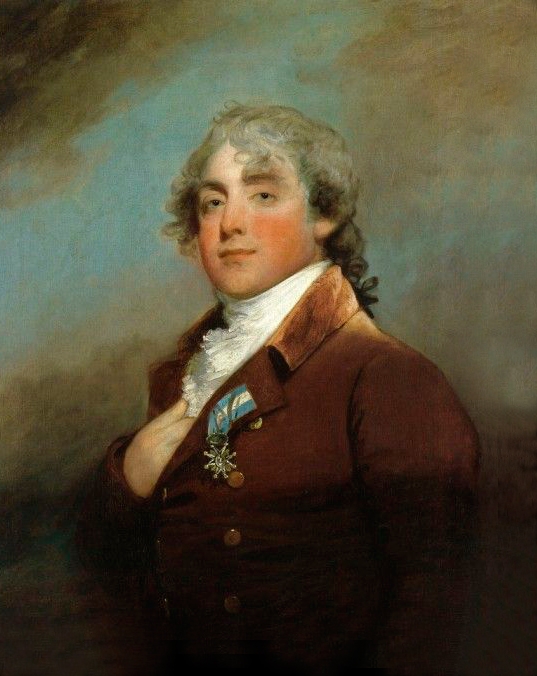
In that era, most business between nations was discussed at social events, and, when the British and Spanish ministers boycotted attending or hosting such functions involving American officials, it quickly hamstrung any trade deals between the United States and either of these two countries.
Domestically, Jefferson’s opponents from the Federalist party also weighed in on the breach of protocol, accusing the president and Democrat-Republicans of being anti-British and pushing informality to a fault.
Secretary of State Madison was forced to quickly work on damage control. He eventually persuaded Jefferson and his Cabinet to create a set of etiquette rules for suggested conduct in social and official settings. The “Canons of Etiquette” were released in January 1804 and created a framework where everyone regardless of title or rank was treated equally at official events. Unofficially, it also gave the Jefferson administration pen-and-ink cover rationalizing the diplomatic incident. Jefferson’s canons briefly established pell-mell as policy, though it waned under later administrations.
Post-Controversy
The Merry Affair did not cause the War of 1812; it symbolized the breakdown of goodwill diplomacy and fed the bilateral irritation between the United States and England that crystalized in the War of 1812.
Jefferson saw the affair as a statement asserting American independence and a reaffirmation rejecting monarchial protocols and promoting the new republic’s ideals.
Merry remained as Britain’s envoy until 1806, and while he and Elizabeth later hosted extravagant parties adhering strictly to British etiquette that were well attended, the Merrys never attended another White House event.
What arts and culture topics would you like us to cover? Please email ideas or feedback to features@epochtimes.nyc