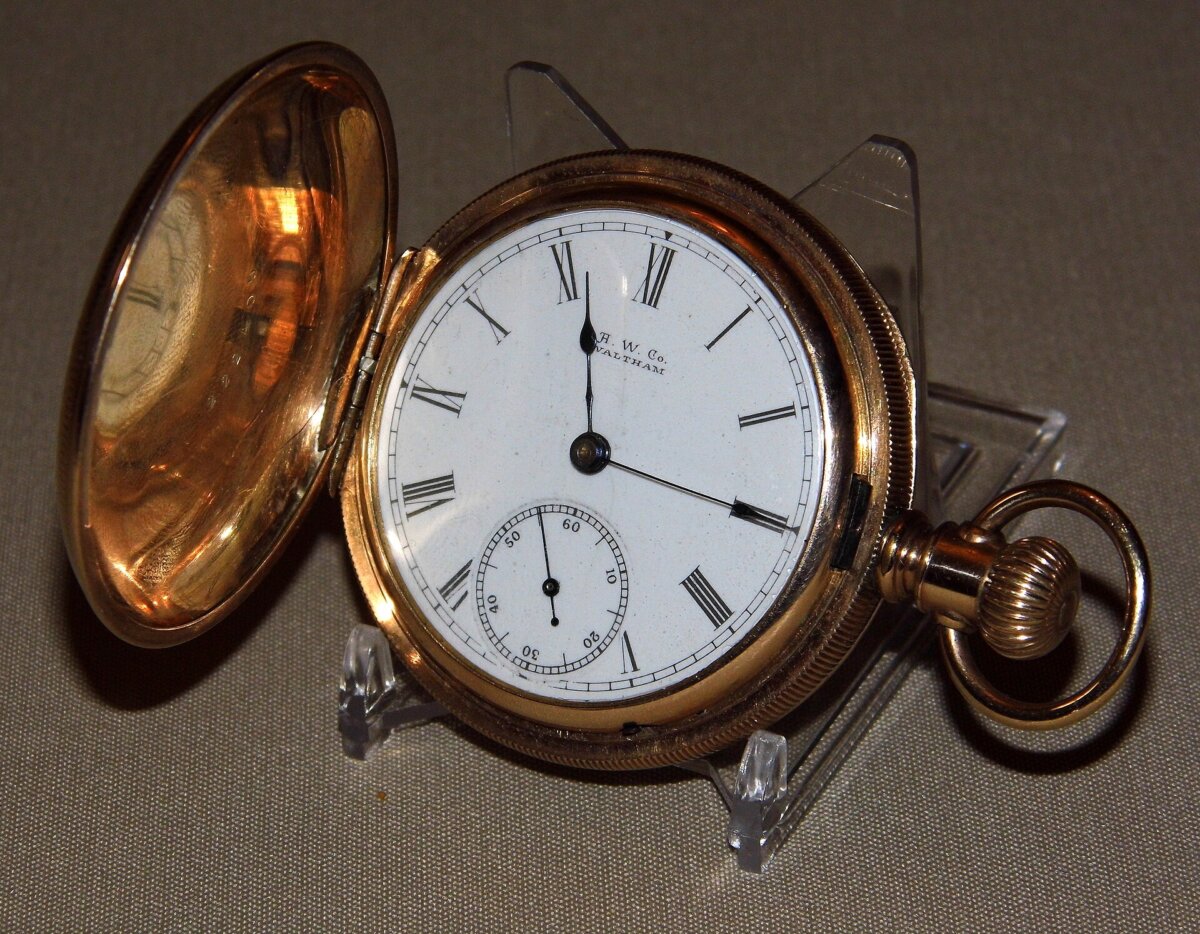
In his short story “My Watch,” Mark Twain tells about his favorite watch and how it stopped working. Yet, in telling this story, Twain contemplates the importance of discernment regarding all aspects of life. In his particular case, he emphasizes discernment regarding people’s reliability and an item’s ultimate value.
To Watch
Twain buys a new watch and revels in its splendid machinery, which provides him with the accurate time of day. This marvelous watch, he says, lasts 18 months without growing too fast or too slow. It proves always accurate and reliable, so much so that Twain begins “to consider its constitution and its anatomy imperishable.”
But, alas, one night, he fails to wind the watch back up, so it “runs down.” Twain believes this unwinding forebodes bad things to come. After all, if his imperishable watch has failed, doesn’t that suggest something awful? Twain pushes these superstitions aside and rewinds the watch. When he gets a chance, he takes it into a jeweler’s shop to get the time set accurately.
However, upon inspecting the beloved watch, the jeweler says, “She is four minutes slow—regulator wants pushing up.” Twain tries to persuade the jeweler that the watch is actually perfectly fine and only needs to be aligned to the time, but the jeweler proceeds with the operation and pushes the regulator up.
After this “fix,” Twain’s watch begins gaining. He laments that, after a while, his watch “[leaves] all the timepieces of the town far in the rear, and [is] a fraction over thirteen days ahead of the almanac.”
To fix this gain, he takes the watch to a watchmaker, who claims that the watch needs oil and a cleaning. Unfortunately, after the watchmaker oils and cleans it, Twain’s watch “slow[s] down to that degree that it tick[s] like a tolling bell.” Twain misses trains, appointments, and dinners due to the watch’s decreased speed.
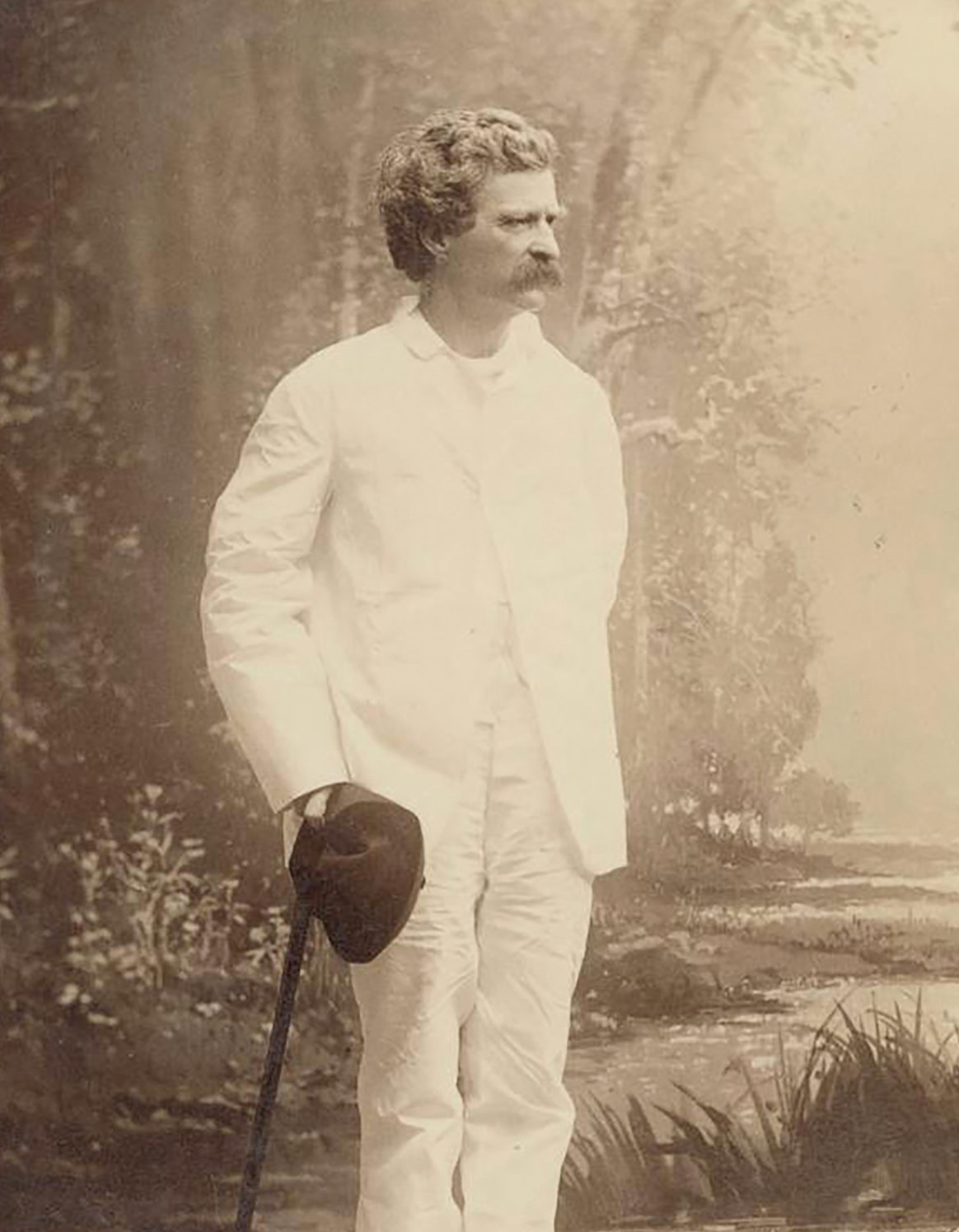 Twain by the riverside, photographed by Benjamin J. Falk, circa late 19th century. (Public Domain)
Time to Say Goodbye
He goes to another watchmaker, who claims that the watch’s barrel is “swelled.” Yet, though the watchmaker makes the necessary adjustments, the watch acts up in wild and inconsistent ways. Twain’s wonderful watch is made further dysfunctional by this “fix.”
He takes the poor, sickly watch to another watchmaker, then another watchmaker. When they fail to fix it, he takes the watch to another man, but he too fails to find a remedy. Finally, Twain takes his watch to one more watchmaker, hoping beyond hope that it will be cured.
Through this story, Twain shows his failure to discern not only the unreliability of the watchmakers and jewelers, but also the proper time to say goodbye to his watch. Because he entrusts his watch to incompetent men, it grows worse and worse. Moreover, he loses more time and money by not letting his watch go.
In “Persuasion,” Jane Austen wrote: “There is a quickness of perception in some, a nicety in the discernment of character, a natural penetration, in short, which no experience in others can equal.” Unfortunately, in his story, Twain lacks such perception and discernment.
Yet Twain accepts his role with grace and comedic flare. In doing so, he shows the importance of discernment, but he also shows that, if one lacks it, he must have a large sense of humor. For while discernment is best, laughter is necessary.
What arts and culture topics would you like us to cover? Please email ideas or feedback to features@epochtimes.nyc