



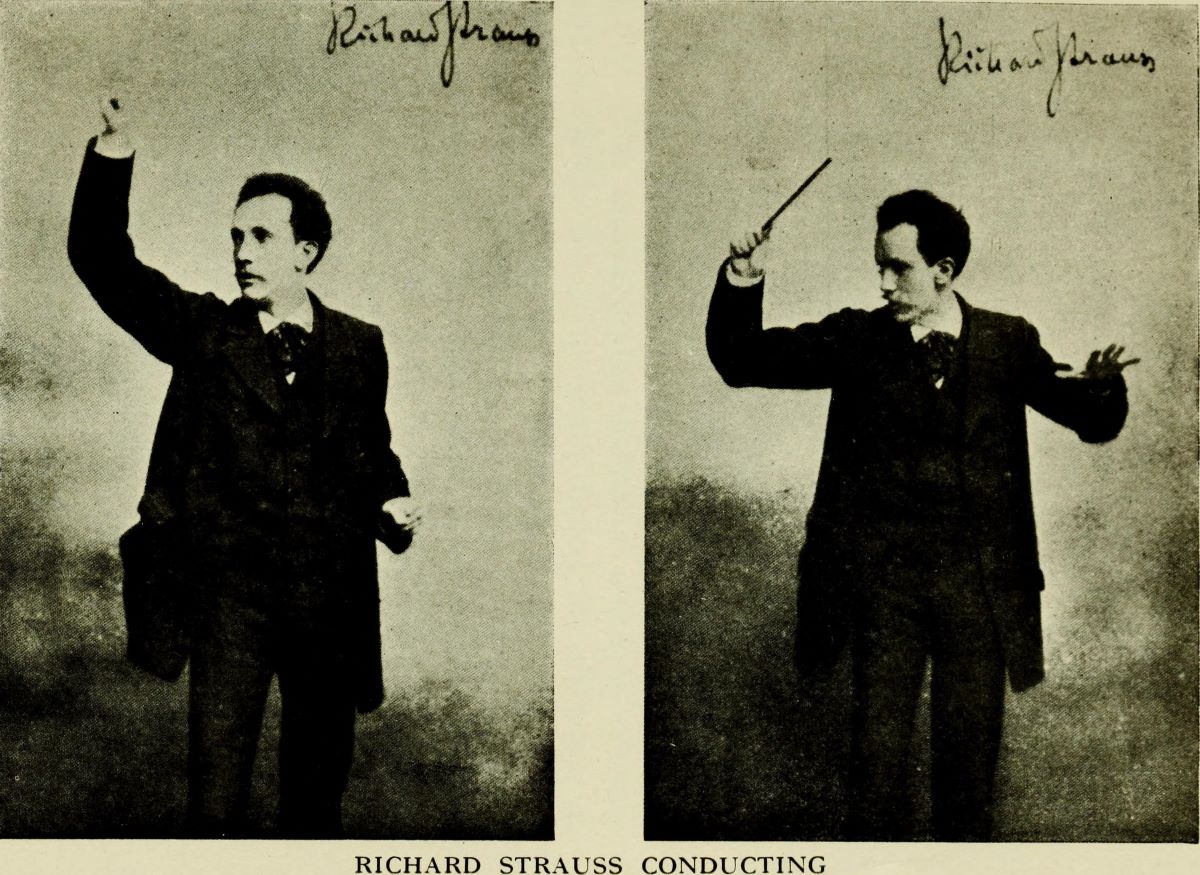
“Once upon a time, there was a roguish jester, whose name was Till.” So begins Richard Strauss’s masterpiece “Till Eulenspiegel’s Merry Pranks,” a symphonic poem based on the exploits of the folk figure of the same name. This evocative sentence, written into the composer’s own program notes, is perfectly translated into sound in this adventurous opening.
But who was Till Eulenspiegel? He was possibly born in Brunswick, Germany in the early 14th century, living a life as a rebel against authority. He was also possibly an entirely imaginary figure, a figment whose popularity in medieval times led to his immortality as a folk legend. His name meant “Owl Mirror,” which is the source behind the symbols and icons represented in popular woodcuts of the rascally jokester.
Till lived in the world of story and myth until Richard Strauss brought him to life on the concert hall stage. Strauss was born in 1864 in Munich and was a master of the genre of symphonic poems. He was a disciple in the tradition of Berlioz and Wagner, expanding the dramatic and descriptive powers of the orchestra.
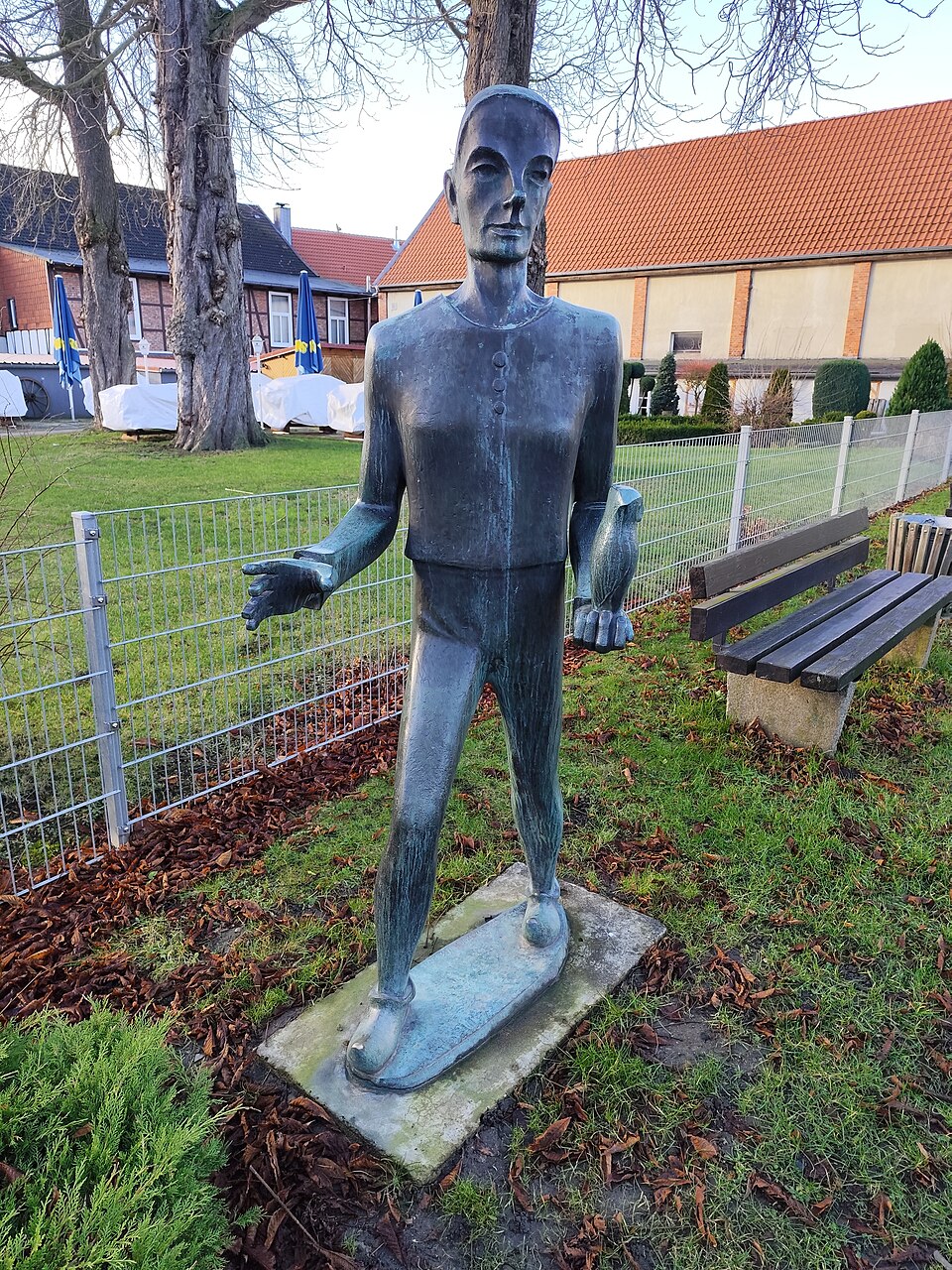 A sculpture of Till Eulenspiegel by Erich Schmidtbochum, located in Schöppenstedt, Germany. (Gerd Fahrenhorst/CC BY 4.0)
Imaginative and Lively
Today’s recording is by Semyon Bychkov and the WDR Symphony Orchestra, performing the short 15-minute work that paints “events” from Till Eulenspiegel’s life with remarkable detail.
In the opening, the strings weave a tender and wistful tune, coming as from a great distance. The clarinets which follow are to be a key instrument in this poem, as they often carry the motif of Till “Owl Mirror’s” giggling and laughter. Then, in comes the horn. This is one of the most famous excerpts in the repertoire, a difficult arpeggio passage that jumps up and up, before accelerating and falling down to a dramatic tremolo interruption by the violins.
Just a side note: Richard’s father, Franz, was one of the greatest horn players of his time, being principal horn of the Munich Court Orchestra. Perhaps this is why the French horn is so prevalent throughout Richard Strauss’s compositions. Strauss composed two horn concertos that are repertoire staples.
The story progresses with a cymbal crash at 2:59, as Till rides his horse through a busy marketplace, causing a commotion. The trombones come in off-kilter and confused, just like townsfolk. As the bustle dies down, Till (the clarinet) emerges from his hiding spot before scampering off to cause more mischief (represented by woodwind flourishes in higher and higher notes).
Now, at 3:50, Till is ready for more shenanigans, as now he poses, “dressed as a cleric he oozes unction and morality.” The violas and bassoons play the mocking melody, a heavily transformed version of the initial motif. Then, a solo violin at 4:40 introduces a potential love interest for our hero. Listen to that memorable horn solo from the beginning, this time at 5:55, sweet and tender and then carried by the violins. But alas, our hero is out of luck, the violins turn tumultuous. The hero is disappointed, his motif returning at 6:45, with four horns representing his disgruntlement.
Finally, listen to a more triumphant moment at 12:00, where the brass erupt into a fanfare of passion before being suddenly cut off at 12:27. The snare enters, signaling the final straw for Till. He is being sent to the gallows. As a weeping clarinet begs for forgiveness, but it’s of no use. Our noble hero perishes.
The piece ends with a melancholic epilogue at 14:32, a moment recalling the fairy tale dreaminess of the opening. All seems quiet, until our trickster, determined to get the last laugh, bursts out energetically to the conclusion.
What arts and culture topics would you like us to cover? Please email ideas or feedback to features@epochtimes.nyc
