



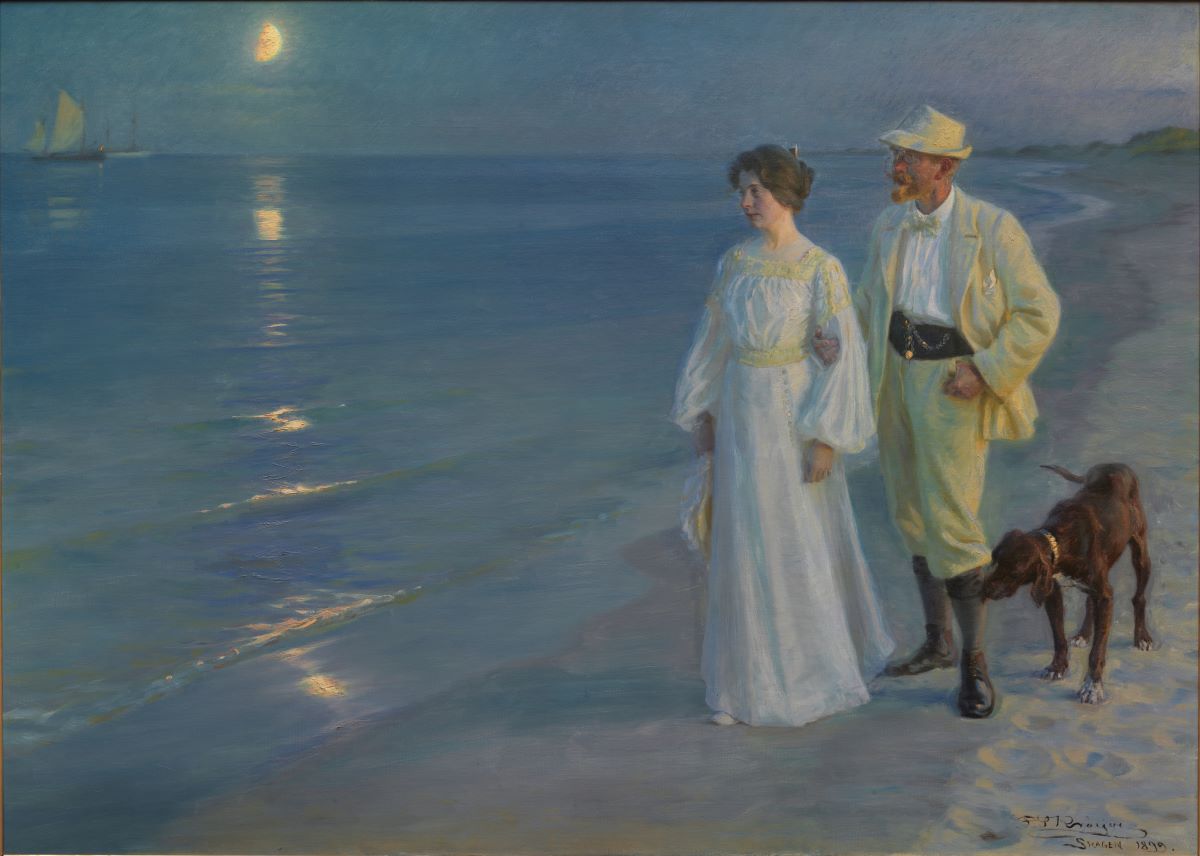
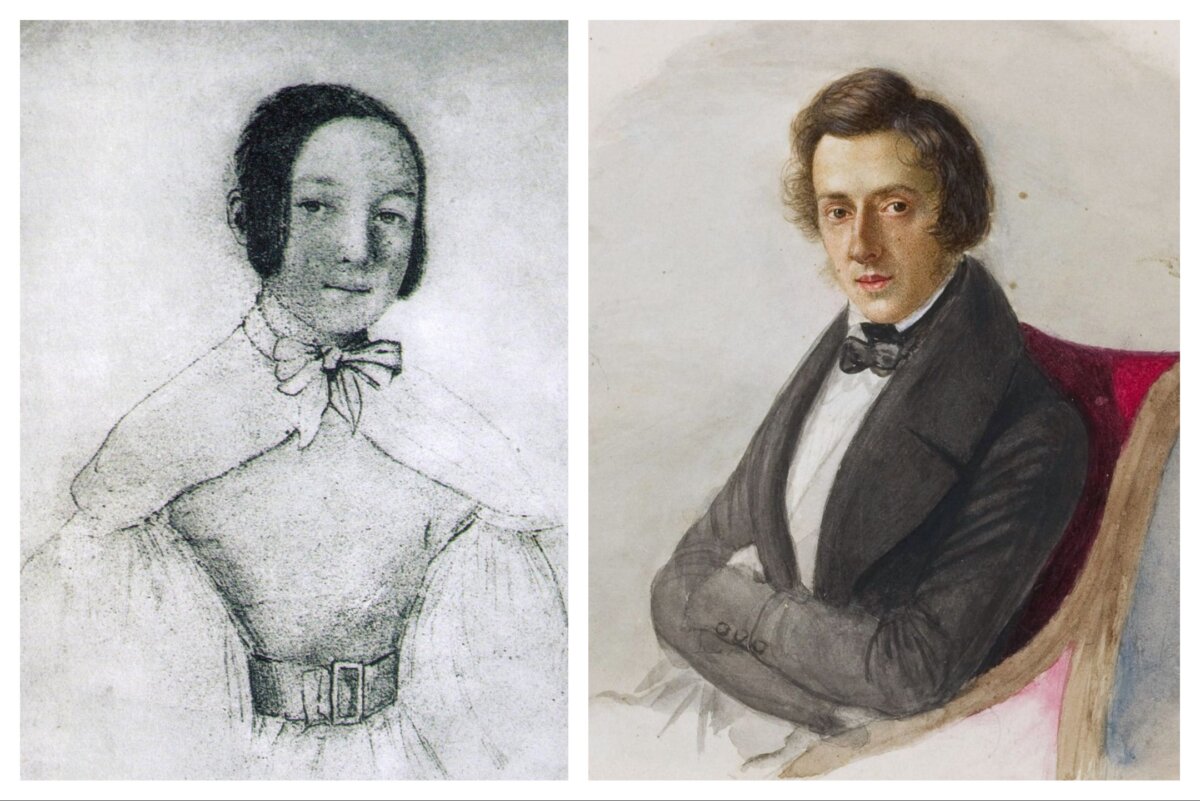
“Soyez heureuse” (“Be happy”). Frederic Chopin’s words are written in Maria Wodzinska’s album. They sit under a handwritten transcription of his E-flat-major Nocturne’s opening melody. Like his music, Chopin’s handwriting is petite and careful: The beauty lies in its demure candor.
Wodzinska was Chopin’s fiancée, but though the two were engaged, she never became his wife. During the early years of their courtship, the 25-old composer copied out the first three measures of his published nocturne for her, along with the simple message.
However, in 1837, a year after he proposed to her, Chopin gathered all his correspondence with Wodzinska and her family, wrapped them with a bow, and labeled the pile: “My sorrows.”
Master of the Small
The early 19th century was the dawn of the piano virtuoso. Thanks to Beethoven’s demands for an instrument that could express his artistic ferocity, the piano had been forced into development.
By the time the Romantic movement was in full swing, the piano’s range had increased, its dynamic and colors had expanded, and the sustaining pedal had become commonplace. The instrument gained an orchestral dimension—enamoring the public with its capacity for expression.
Chopin found himself alongside fellow piano virtuoso Franz Liszt, among the foremost composer-performers of piano music. Chopin held his peer in high esteem: When once asked who could play more beautifully than him, the composer curtly responded, “Liszt can.”
However, if Liszt had mastered large works, then Chopin had mastered the small. Liszt’s music demands technical brilliance and expects encore after encore. Chopin, however, wrote to please himself. His waltzes seem to be more comfortable in a sitting room than a ballroom, and his melodies almost sound better hummed than sung.
Perhaps, then, it was the intimate nature of nocturnes that drew Chopin to them. Nocturnes—a genre of piano music developed by Irish composer John Field—were single-movement works inspired by night. Liszt described them portraying “those hours wherein the soul, released from all the cares of the day, is lost in self-contemplation, and soars toward the regions of a starlit heaven.”
Nocturnes reached their zenith under Chopin: He composed 21 of them throughout his life, exploring the more introspective aspects of Romanticism’s sometimes overbearing passions.
Nocturne No. 2 in E-flat Major, Op. 9, No. 2
Chopin’s E-flat major nocturne has received the unfortunate reputation as an amateur piano piece. It suffers from a simple melody that seems to get repeated a bit too often. Yet in spite of its facile technique, the most accomplished musicians have found themselves attracted to it: Composer Zdzislaw Jachimecki describes it as “an example of a rare sense of stylistic purity,” and concert pianist Jean-Yves Thibaudet, when asked which piece could persuade someone to fall in love with classical music, chose the E-flat major nocturne.
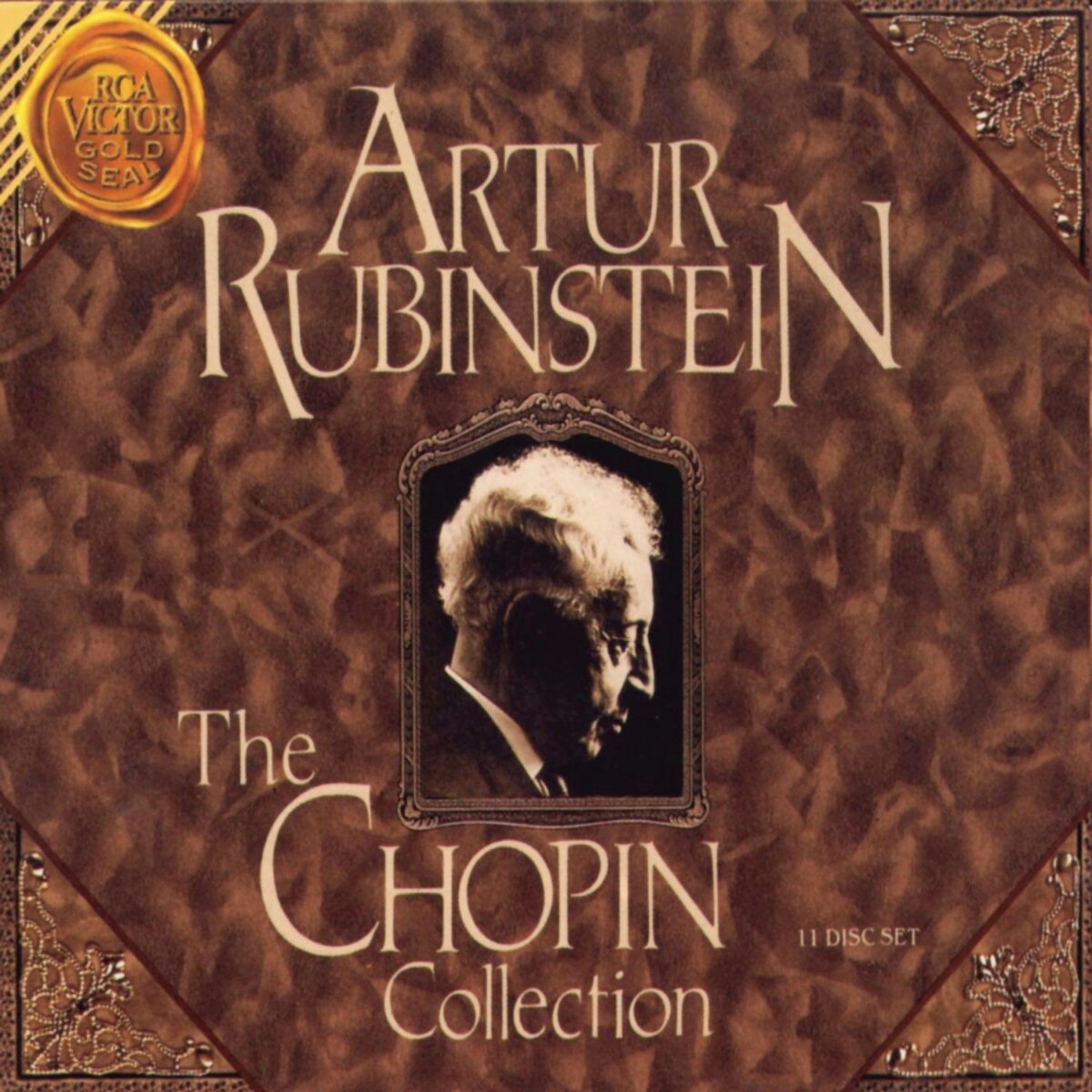
Classical pianist Arthur Rubinstein plays the nocturne in a gold standard recording. (Listen)
The nocturne takes the form of a rounded binary—the opening theme sandwiches a middle section before ending with a coda.
The piece begins with the four-measure theme; it starts on a solitary B flat before leaping into the opening chord of E-flat major. Underneath, the accompaniment provides a waltz-like pulse and establishes the rhythmic framework for the melody to dance above.
Variations of the melody (00:29) with increasing chromaticism and ornamentation color the tune with a sinuous sheen, and give it an almost improvisational freedom.
In the middle section (00:59), Chopin explores various keys during which he weaves through a myriad of characters in a dizzying chord progression that eventually returns to E-flat major (01:26).
After a return to a variation of the opening material, we begin the coda section (02:54). Amidst a collage of previous melodies, Chopin introduces the highest note in the piece (a high E flat)—showing off the piano’s range. The final cadenza, however, is simply four notes repeated. Absent of excessive virtuosity, Chopin ends this nocturne with his understated charm and restrained glamor.
What arts and culture topics would you like us to cover? Please email ideas or feedback to features@epochtimes.nyc.
