



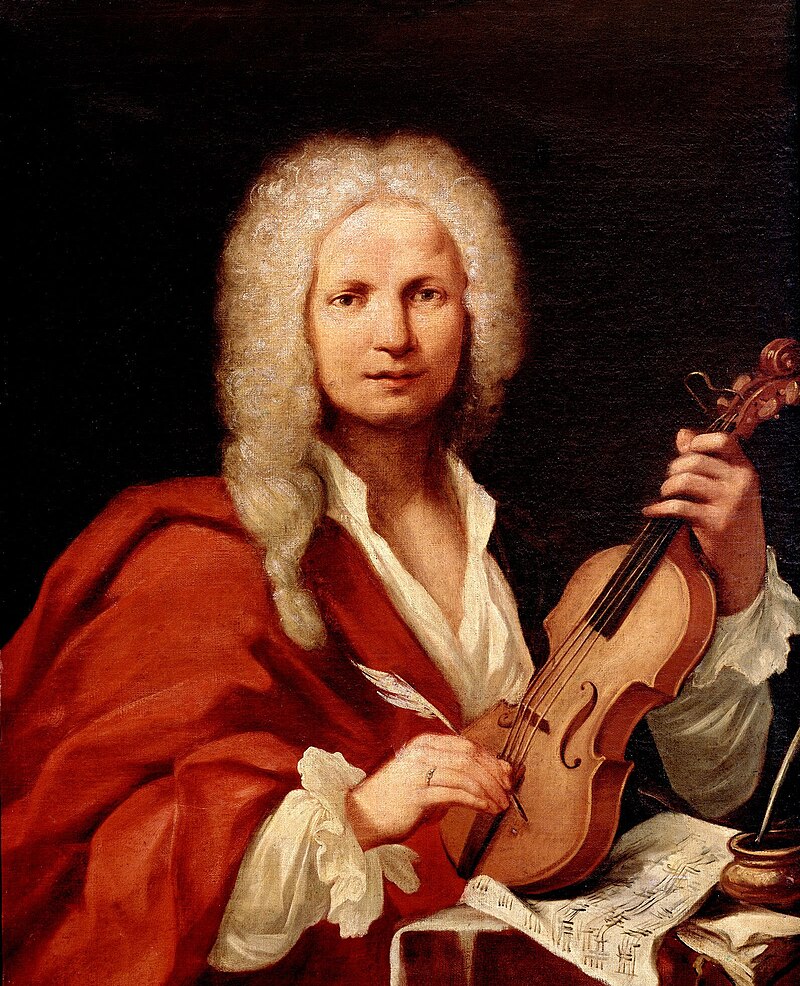
Antonio Vivaldi’s (1678–1741) “The Four Seasons” is perhaps the most innovative violin concerti of the Baroque period. They were published under a collection of 12 concertos named “Il Cimento dell’Armonica e dell’Inventione,” or “The Contest Between Harmony and Invention” and have become a defining work of the classical repertoire.
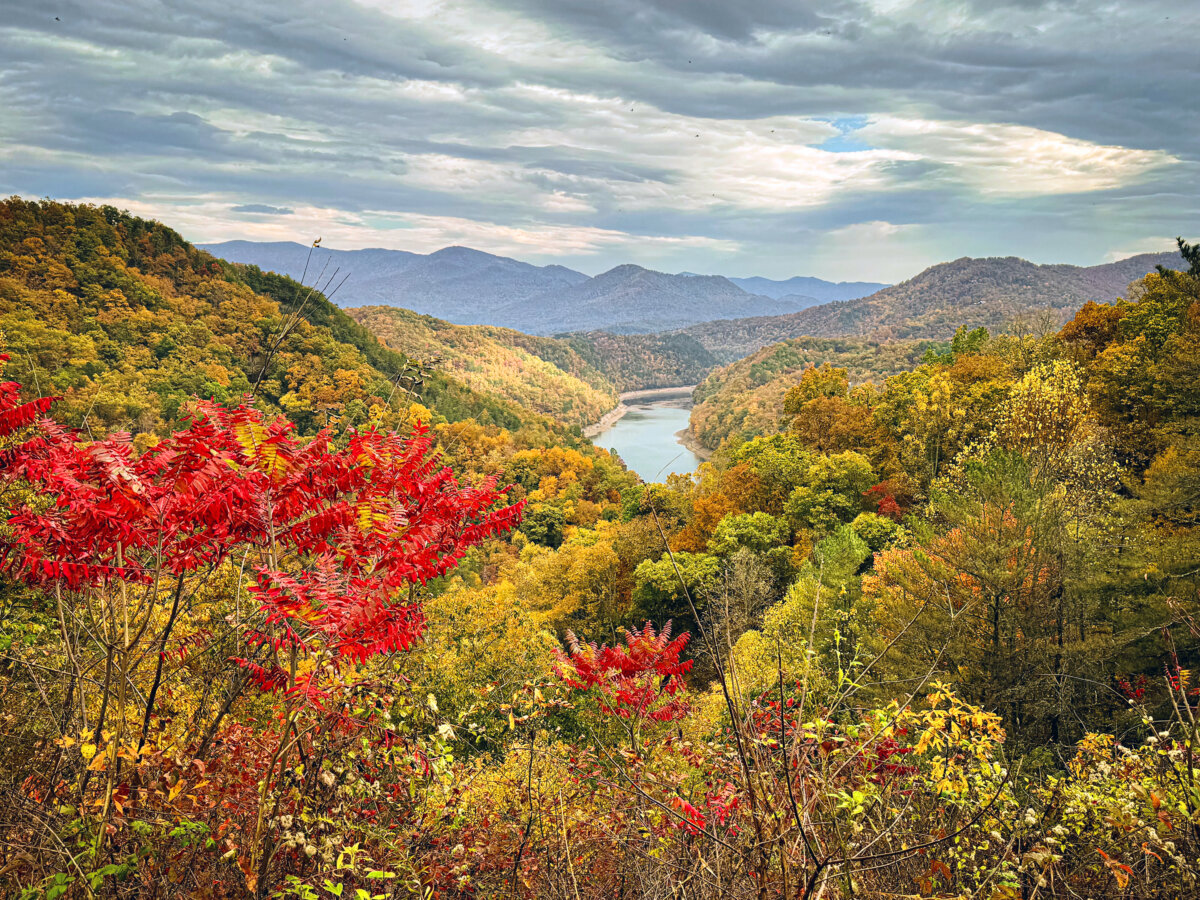
To celebrate the season, we will explore the festive third concerto of the “Four Seasons,” “Autumn.” What makes this concerto so innovative, as with the other “seasons,” is that it is programmatic, which means the music is written to evoke an extra-musical subject or idea. In this case, each movement is associated with an accompanying poem, possibly written by Vivaldi himself.
“The Four Seasons” Violin Concerto in F major, Op. 8, No. 3 “Autumn” is performed by Iona Brown and the Academy of St. Martin in the Fields. The piece includes three movements: I. Allegro (Listen), II. Adagio Molto (Listen), and III. Allegro (Listen). Below are the accompanying sonnets to each movement, each uniquely matched to its movement.
I. Allegro
The peasant celebrates with dancing and singing
The pleasure of the rich harvest,
And full of the liquor of Bacchus
They end their merrymaking with a sleep.
The beginning of the Allegro opens with an energetic burst, a peasant song of gratitude. The tune depicts the farmers singing and dancing after a successful harvest.
After the orchestra plays, the violinist enters with a repetition of the main theme. Vivaldi juxtaposes the soloist with the orchestra brilliantly. He was among the first to regularly use the “ritornello” form in his concerti. In this form, a main subject played by the orchestra is alternated against solo passages. Nowhere is this more effective than in the famous “drunken solo” at 1:00. After the orchestra repeats the harvest tune, the violinist erupts with a virtuosic run, but intentionally off-balance and off-kilter.
II. Adagio Molto
All are made to leave off dancing and singing
By the air which, now mild, gives pleasure
And by the season, which invites many
To find their pleasure in a sweet sleep.
The second movement is quiet and subdued. After the boisterous celebration, the atmosphere is hushed. The harpsichord offers a peaceful “continuo” (a continuous bass line) as the strings whisper in the background.
III. Allegro
The hunters set out at dawn, off to the hunt,
With horns and guns and dogs they venture out.
The beast flees and they are close on its trail.
Already terrified and wearied by the great noise
Of the guns and dogs, and wounded as well
It tries feebly to escape, but is bested and dies.
The third movement is march-like, depicting a party of hunters and dogs. The interplay between soloist and orchestra ingeniously portrays the orchestra as the hunting party and the soloist as the wildlife. Listen to the triplets of the solo violin at 1:20, emulating the fleeing prey. The hunting party is in pursuit, a step behind its quarry. The violinist scampers frantically until 2:30, at which point the hunt ends for the hapless game.
What arts and culture topics would you like us to cover? Please email ideas or feedback to features@epochtimes.nyc
