



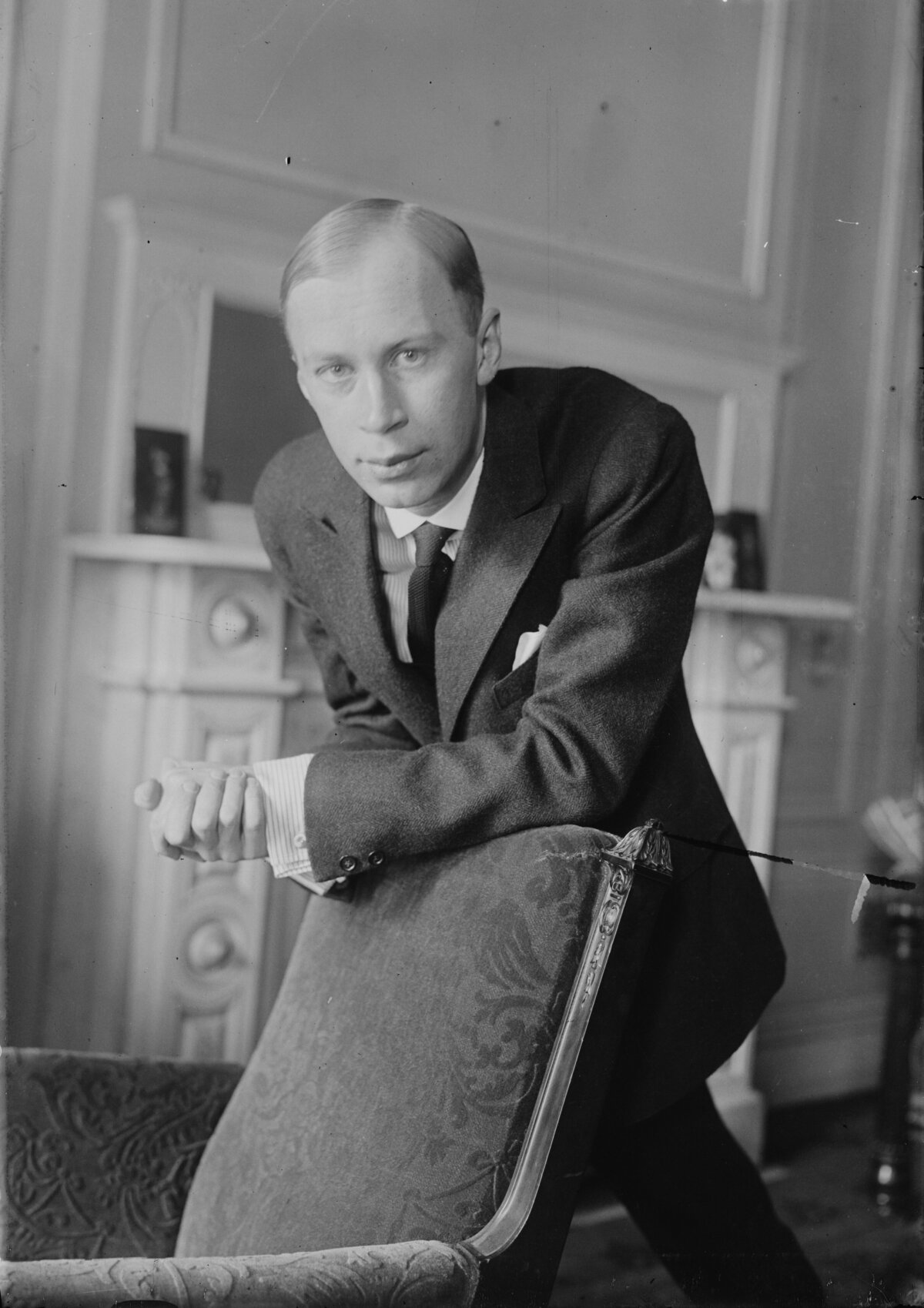
Sergei Prokofiev (1891–1953) was caught between two worlds. He had left his Russian motherland in 1918 to pursue a career in the West, establishing himself as a prominent composer on the European and American musical scene. However, he became disillusioned by the artistic opportunities offered and felt a growing artistic and personal attraction to Soviet Russia.
During the 1930s, he began frequent returns to Russia. Amidst the trips, Prokofiev was offered a commission to write an opera or ballet of his choosing. Wooed by dreams of artistic heights and achievements, Prokofiev left his Paris home in 1936 to settle in Stalin’s Russia.
The Happy Ending
The Kirov Theatre began discussions with Prokofiev to write a ballet in 1934, but later backed out and signed a new contract with the Bolshoi Theatre. Prokofiev partnered with stage director Sergei Radlov on an adaptation of “Romeo and Juliet” into a four-act ballet. In a fit of artistic inspiration, he spent the summer of 1935 at the Polenovo estate in Russia’s Tula region and completed the entire annotated piano score in less than five months.
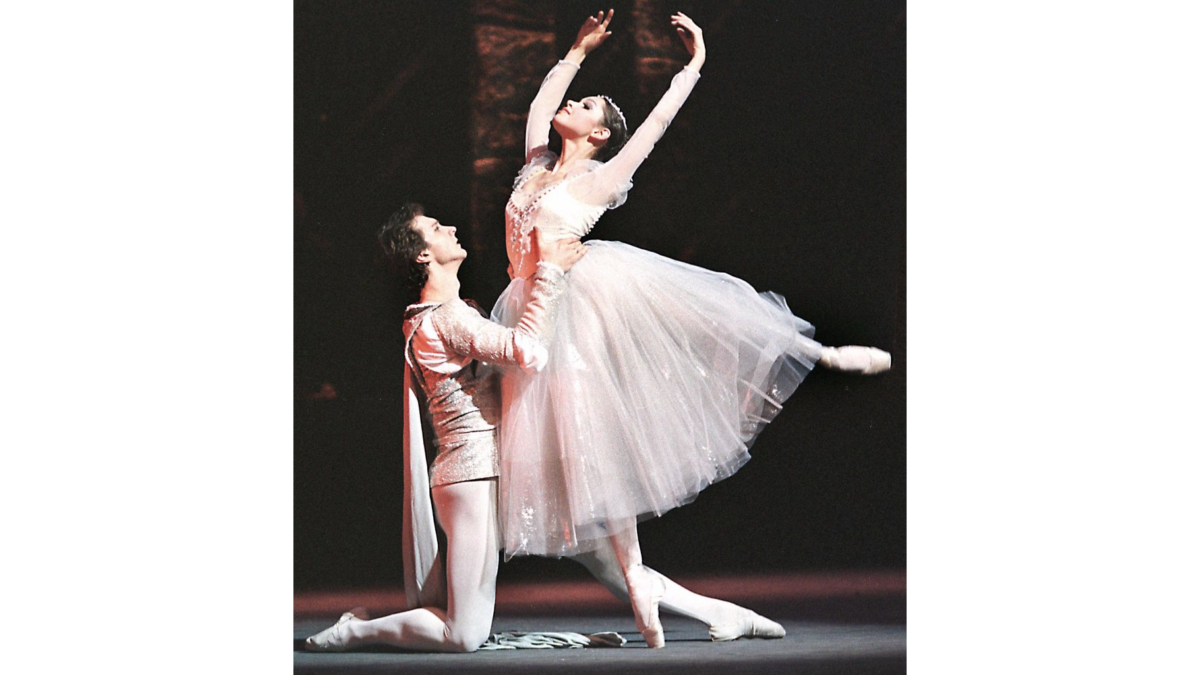
Partly influenced by the Soviet dogma of Socialist Realism, which pushed for optimistic, ideologically acceptable art, Prokofiev and Radlov changed the plot’s ending. In the new version of “Romeo and Juliet,” Romeo attempts to stab himself upon seeing an inert Juliet, only to be stopped by Friar Laurence. Juliet awakens, and the two lovers embrace—waltzing off stage in a rosy-tinted dance.
Prokofiev later explained, “The reasons that led us to such a barbarism were purely choreographic. … Living people can dance, but the dead cannot.” Fortunately for Shakespeare, the original plot was eventually restored.
Emerging Difficulties
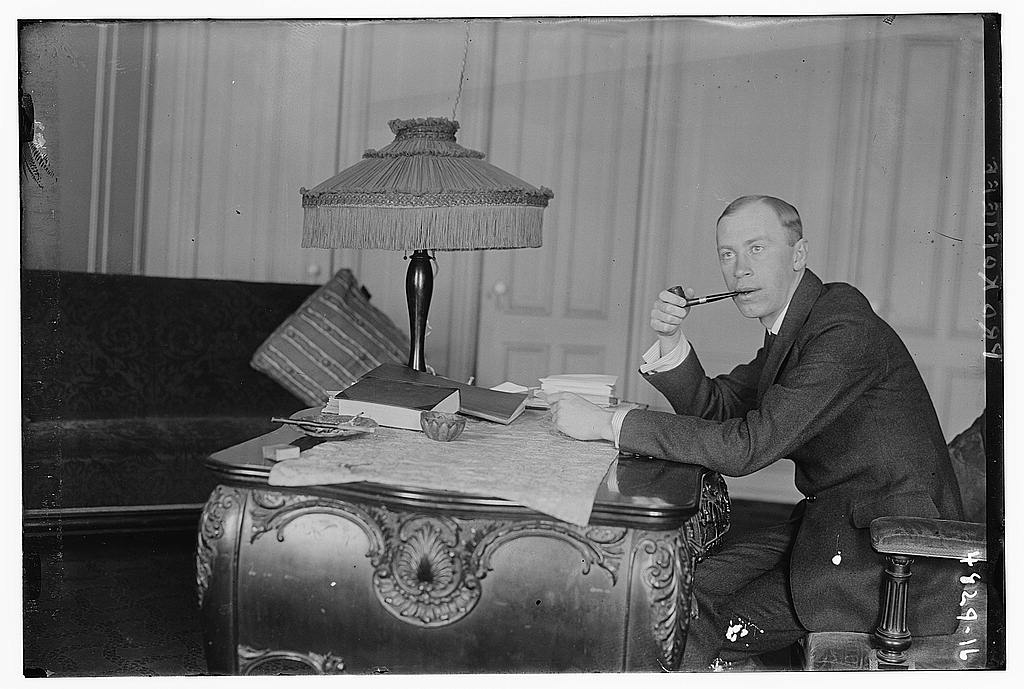
When Prokofiev presented his finished score to the directors of the Bolshoi Ballet in Moscow, they called it “impossible to dance to” and canceled the project. Meanwhile, Stalin’s Great Terror was beginning and Soviet censorship increased; Radlov had been removed from his position at the Kirov during an artistic purge and many government officials who had supported Prokofiev’s project began to be arrested.
In a desperate salvaging of his ballet, Prokofiev composed two orchestral suites from the original score. The two suites grew in popularity, and a ballet troupe in Czechoslovakia choreographed a dance based upon them. After the suites’ success, both the Bolshoi and Kirov Theatres revived their interest in the original composition and vied for the first Soviet premiere. The Kirov Theatre won, and “Romeo and Juliet” was performed on Jan. 11, 1940.
However, the political climate had changed dramatically since the ballet’s first conception, and Prokofiev was told to change the score to suit the new revolutionary atmosphere. He added solos for both Romeo and Juliet, but spurned advances to re-orchestrate. The Kirov Theatre’s artistic staff eventually went behind his back and changed the orchestration, giving it a more emphatic dimension.
Today’s recording is from a scene in the ballet titled “Montagues and Capulets—The Dance of the Knights,” in which the Capulets are hosting a celebration. (Listen)
Like a curtain rising, we begin with huge dissonant orchestral sonorities that give way to a quiet unease in the strings. The gesture repeats (00:55), but this time the introduction of the main Capulet theme interrupts it (01:34). Majestic and threatening, aristocratic and brutal, a persistent martial rhythm is the foundation of their dance and represents the world of their aristocratic house.
A young Juliet suddenly enters (03:19), and the music drops to a delicate texture. Over light taps on the tambourine, the flute and violins begin a slow teetering motif, and a celesta, a keyboard instrument with a bell-like quality, enters (04:02) with an ominous figure. Yet Juliet cannot hold back the immense weight of her house, and the main theme creeps back in (04:20)—even prouder and more imposing than before.
What arts and culture topics would you like us to cover? Please email ideas or feedback to features@epochtimes.nyc.
