



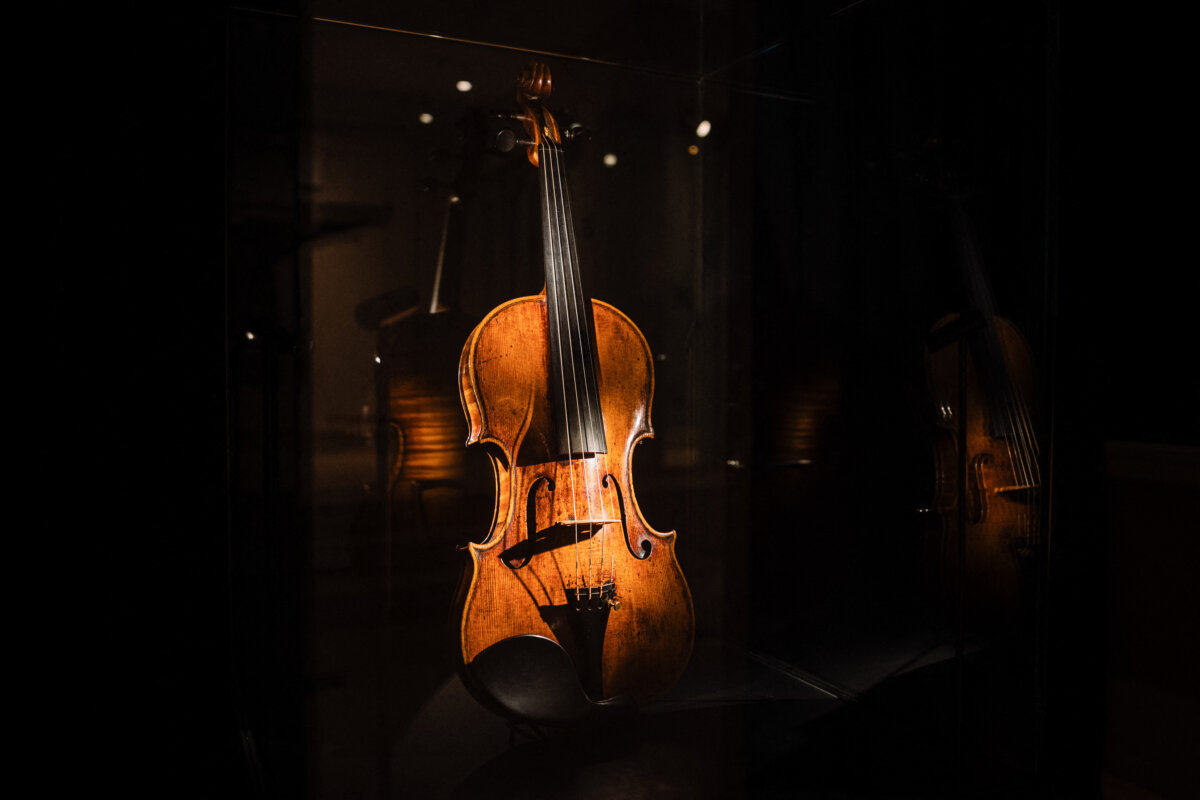
Fritz Kreisler (1875–1962) was one of the most distinguished violinists of the 20th century. Born in Austria, he entered the Vienna Conservatory at age 7, and went on to study composition and violin at the Paris Conservatory. After a brief stint in medicine and an honorable discharge following service in World War I, he spent time living in the United States, eventually settling and becoming a naturalized citizen in 1943.
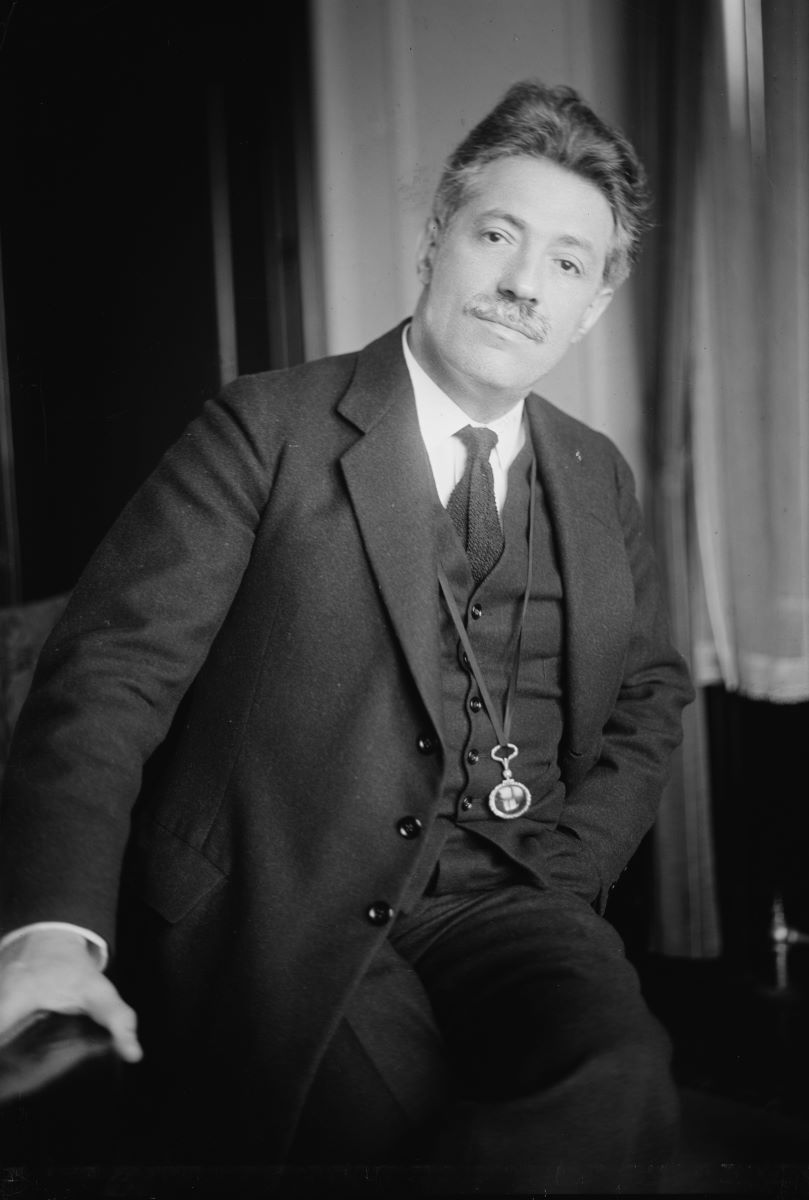
Kreisler’s intimate playing, characterized by his warm tone and expressive portamento, cemented his status as one of the most beloved of all pre-modern violinists. More importantly, he was one of the last in the tradition of performer-composers. The lineage of great violinist-composers begins with Arcangelo Corelli and Giuseppe Tartini of the Baroque period, continuing into the 19th century with pivotal figures such as Niccolò Paganini and Pablo de Sarasate.
In the 20th century, Kreisler contributed to the repertoire with his mastery of the miniature, a short composition typically lasting only a few minutes.
Kreisler’s Prank
Kreisler composed pieces for his own performances. When listening to his music, there is an inseparable connection between the style of the composition and the style of Kreisler’s own playing. It was through writing repertoire designed for his own needs that Kreisler revived the genre of the salon piece.
At the turn of the century, the personal “drawing room” aesthetic of the miniature had fallen out of fashion. The intimate and charming salon piece was seen as “old-fashioned,” while critics applauded technical virtuosity. It was under these circumstances that Kreisler pull a practical prank that unintentionally elevated the genre’s status.
Kreisler began composing works in secret, releasing them as “rediscovered” masterpieces of past composers. The critics and audiences fell for the bait. They lauded newly discovered “works” attributed to composers such as Gaetano Pugnani and François Francoeur, praising their artistic merit without realizing that the actual composer was Kreisler himself. After revealing himself as the composer, audiences came to appreciate the artistry and cleverness of these miniatures, including the popular “Liebesfreud” and “Liebesleid.”
‘Liebesfreud’ and ‘Liebesleid’
Today’s works are Kreisler’s “Liebesfreud” and “Liebesleid,” which translate into “Love’s Joy” and “Love’s Sorrow,” respectively. “Liebesfreud” is performed by Kreisler himself in this remastered recording (Listen), while “Liebesleid” is performed by Maria Dueñas, with Manfred Honeck leading the Wiener Symphoniker with an orchestral transcription. (Listen)
These two pieces are part of a trio of short miniatures known as “Alt-Wiener Tanzweisen,” or “Old Viennese Dances.” Like with his other works, Kreisler pretended they were old classic Viennese songs when they were in fact his own compositions.
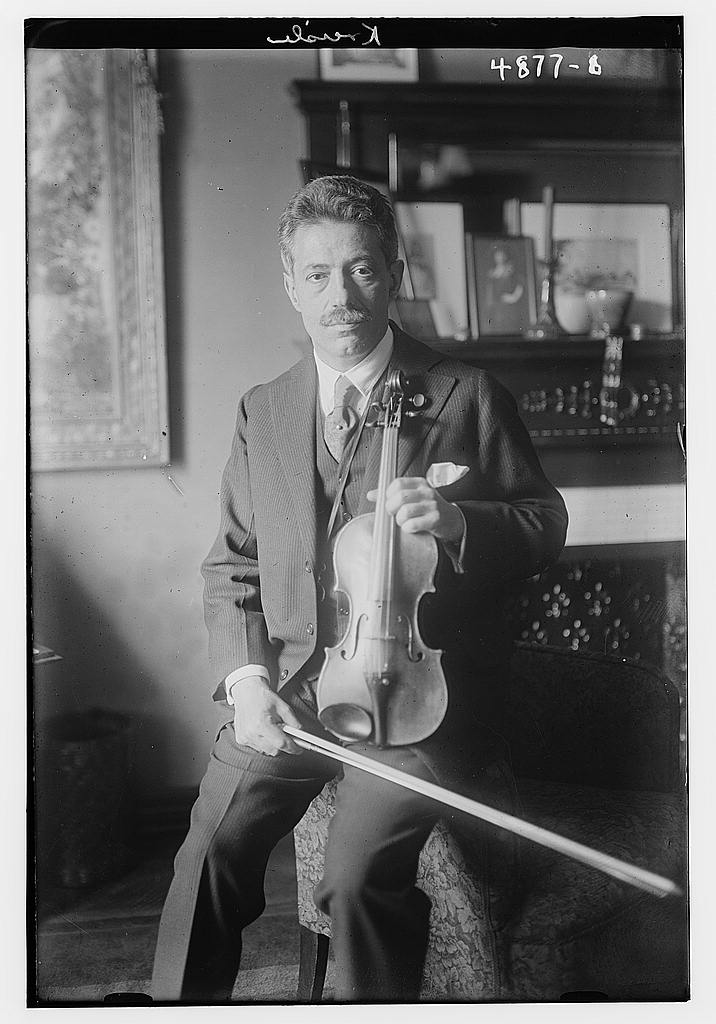
In “Liebesfreud,” the pearl-like quality of the violin garners attention. The mood is upbeat and joyful. Kreisler plays with a constant vibrato, enhancing the tone much like how a singer would with the human voice. The swaying rubato, or fluctuating tempo, and use of portamento, or gliding from pitch to pitch, creates an atmosphere of romance which permeates “Love’s Joy.”
“Love’s Sorrow,” on the other hand, is slower and sweeter. While the melody is still charming and elegant, it carries a bittersweet tinge. Kreisler marks in the score “con sentimento,” or “with feeling.” The piece has a slow, dance-like character, with double-dotted quarter notes and sixteenth-note rhythms ornamenting the melody. The music conveys lost love and a wistful yearning for happier days.
What arts and culture topics would you like us to cover? Please email ideas or feedback to features@epochtimes.nyc
