“Jollity” is not a word much used today. An online dictionary tells me it means “lively and cheerful activity or celebration,” and I’ll accept that, provided it’s acknowledged that this covers a lot of territory. Which “cheerful activity”? Celebration of what? Lively why?
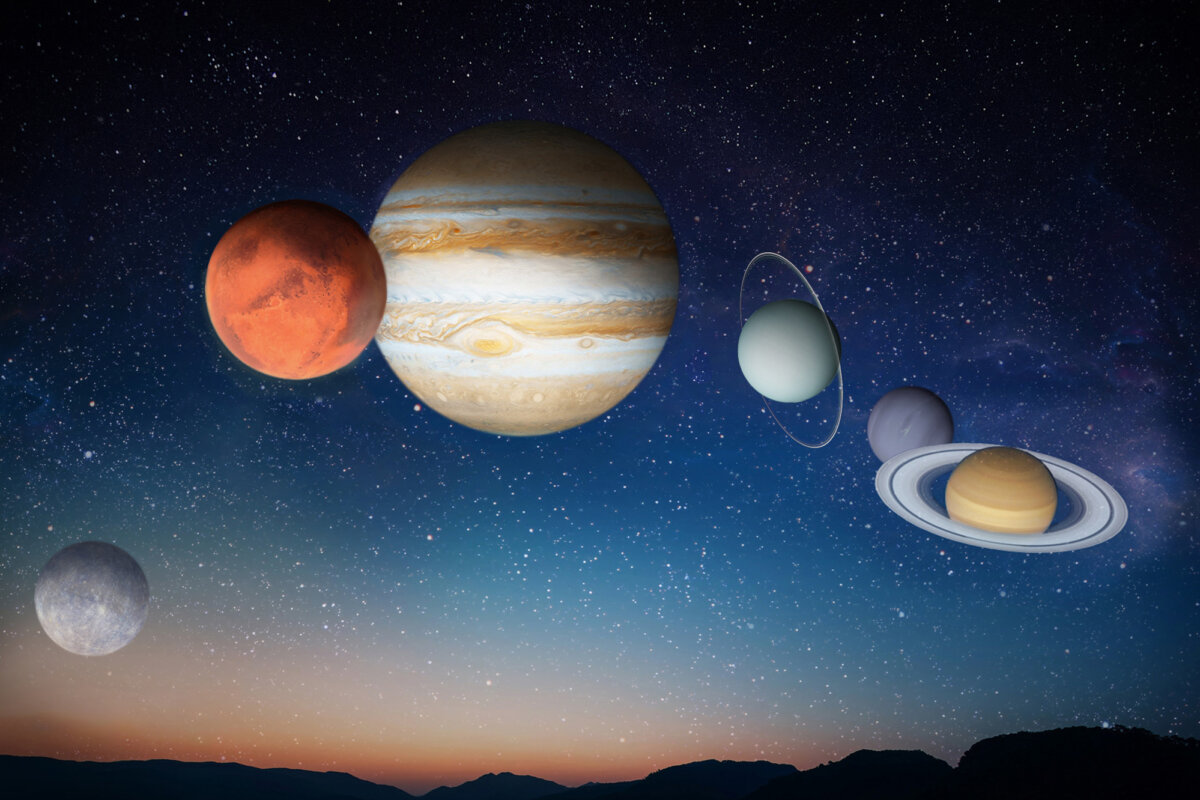
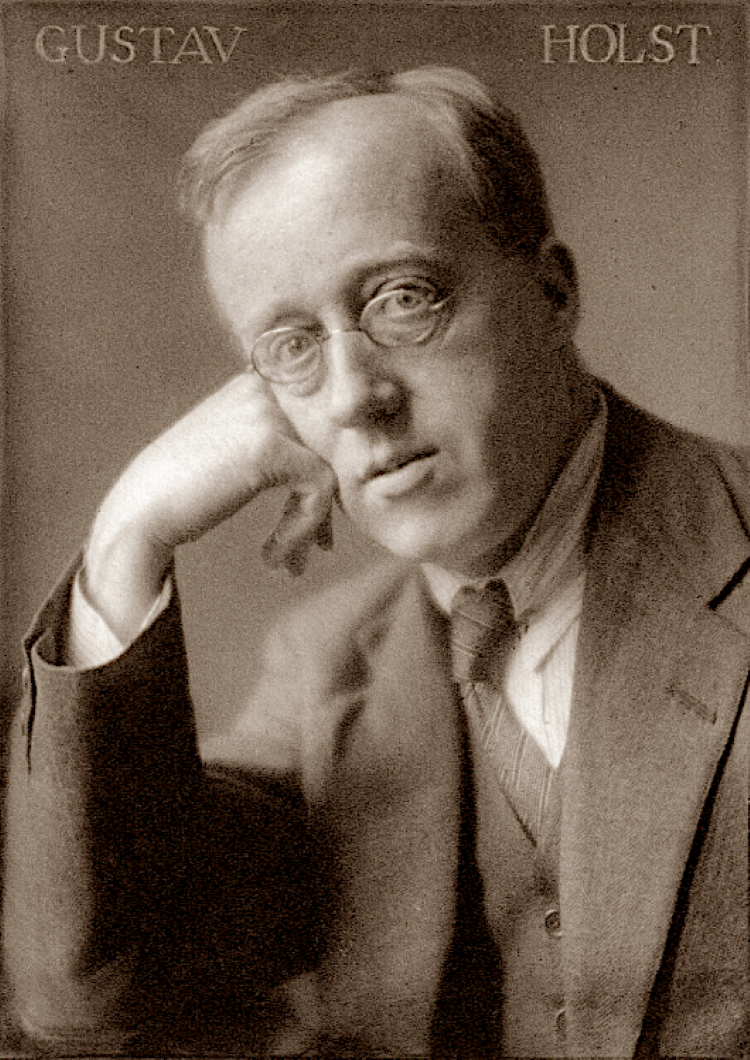
“Jupiter: The Bringer of Jollity” is the title of the fourth piece in “The Planets” by English composer Gustav Holst (1874-1934), an orchestral suite that evokes musically the emotional and psychological conditions of seven planets. It’s not about astronomy, but about the character of each planet as interpreted in Western astrology. It begins with “Mars: The Bringer of War,” followed by “Venus: The Bringer of Peace” and “Mercury: The Winged Messenger.”
“Jupiter” is the centerpiece of the suite, as befits the solar system’s largest planet. After war and peace and swift communication, we are ready for exuberance. Jollity for Holst is clearly a physical exultation. The opening three minutes or so, beginning with scurrying strings in an Allegro 2/4, topped by salvos of brass and timpani, always reminding me of vigorous sport. In particular, I envision rowing lanes, followed by soccer fields, images that are doubtlessly influenced by the fact that Holst was English. In any case, this is music of bold physical vitality. (Listen)
At 0:26 comes a distinctive, rising three-note fanfare from the brass, an idea that will show up in various guises throughout the roughly seven minutes of the piece. At 1:01, another rising three-note idea becomes the basis of a brief theme that repeats in waves across the orchestra until at 1:37 the tempo suddenly slows to produce a broad, swaying three-beat tune that could be a boisterous, comradely drinking song. This is repeated many times in dizzying colors from the enormous orchestra, until at 2:26 a forte brass chord accentuated by crashing cymbals breaks, the spell. Things begin to fade, the energy retreats, and an endpoint seems to have been reached, when, at 2:56.
Out of seeming nowhere comes one of the noblest, hymn-like melodies ever composed for orchestra. In stately 3/4 measures, the tune unfolds in quiet, uplifting optimism.
What is this doing here? Why is a piece dedicated to “cheerful activity and lively celebration” interrupted by something that makes you want to kick the soccer ball to the sidelines and stand and sing, even though it is a song without words?
Perhaps we are so accustomed to “celebration” being mindless and irresponsible that we’ve forgotten something. At the heart of genuine cheerfulness is trust in the creation that has made it possible, respect for the human body’s ability to achieve physical strength, and a kind of humility before powers beyond our control. That and more are tucked into the folds of this extraordinary melody, which stretches across two octaves and has wetted the tear ducts of more than a few listeners.
Jollity–joy–is not a party; it’s a solemn smile of gratitude.
It’s back to the playing fields at 4:47. We’ll hear the earlier themes repeated, and at length our hymn of gratitude will briefly mix in with them. “Jupiter” concludes with a triple forte chord of triumph from the entire orchestra.
What arts and culture topics would you like us to cover? Please email ideas or feedback to features@epochtimes.nyc