



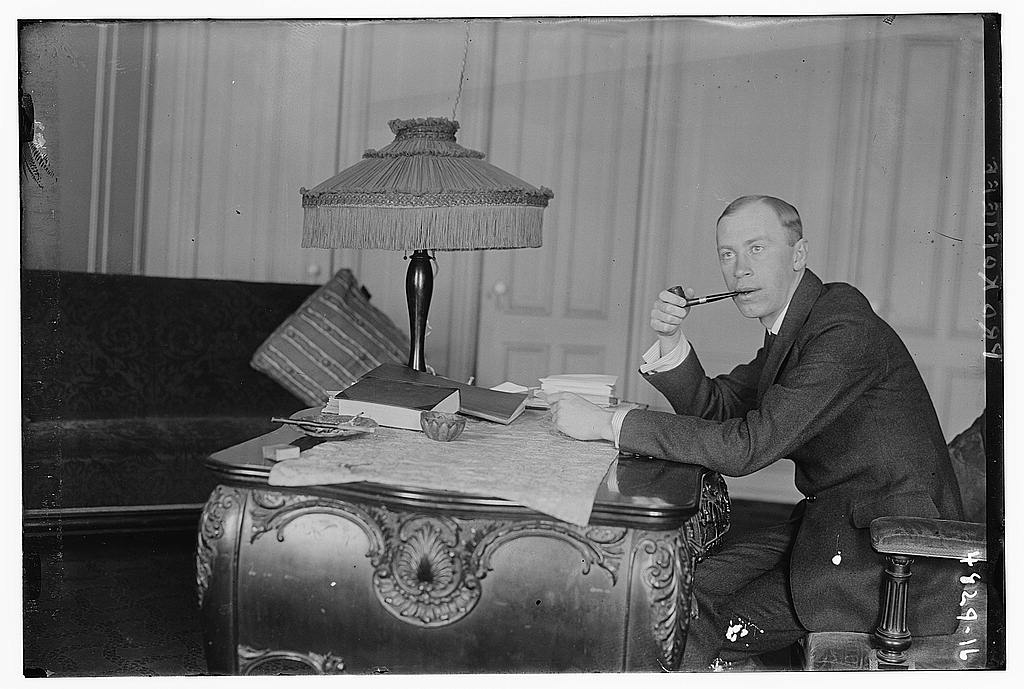
Sergei Prokofiev’s “Peter and the Wolf” is the most famous of all works written for “narrator and orchestra.” Combining education with symphonic integrity, this evocative fantasy was designed to introduce children to the different instruments of the orchestra. After receiving a commission from Natalya Sats, director of the Central Children’s Theater in Moscow, Prokofiev wrote the narration and music for this quirky piece in two weeks.
Thus, one of Prokofiev’s most popular works was born. But what has allowed this unconventional work to stand the test of time?
An Enduring Work
Prokofiev believed children were capable of understanding music on a serious level, refusing to compromise in his “children’s works” by oversimplifying the musical language. He valued clarity and intelligibility in composition, placing great importance on communication and craftsmanship. In this way, “Peter and the Wolf” was a serious musical composition that was both compelling and understandable to all audiences.
Beyond being a serious musical composition, “Peter and the Wolf” characterizes its “actors” through colorful melodies. Prokofiev assigns each character in the story a musical motif and instrument, which the narrator introduces to the audience. For example, the fluttering of the flute unmistakably evokes an image of a bird, while the soaring string melody somehow gives us an insight into the personality of the protagonist, Peter.
In his “Autobiography, Articles, Reminiscences” Prokofiev wrote: “I am accused of being a revolutionary, of being anti-romantic, anti-classical, of wanting to create a new music. But I am not a revolutionary. I am a classical composer.”
The statement wasn’t merely an empty rebuttal against criticisms of progressivism; Prokofiev believed himself to be upholding the ideals of the Classical era. He was a great admirer of Mozart and the Classical tradition, and was capable of writing melodies of great beauty and character. Nowhere is this more evident than in “Peter and the Wolf.”
‘Peter and the Wolf’
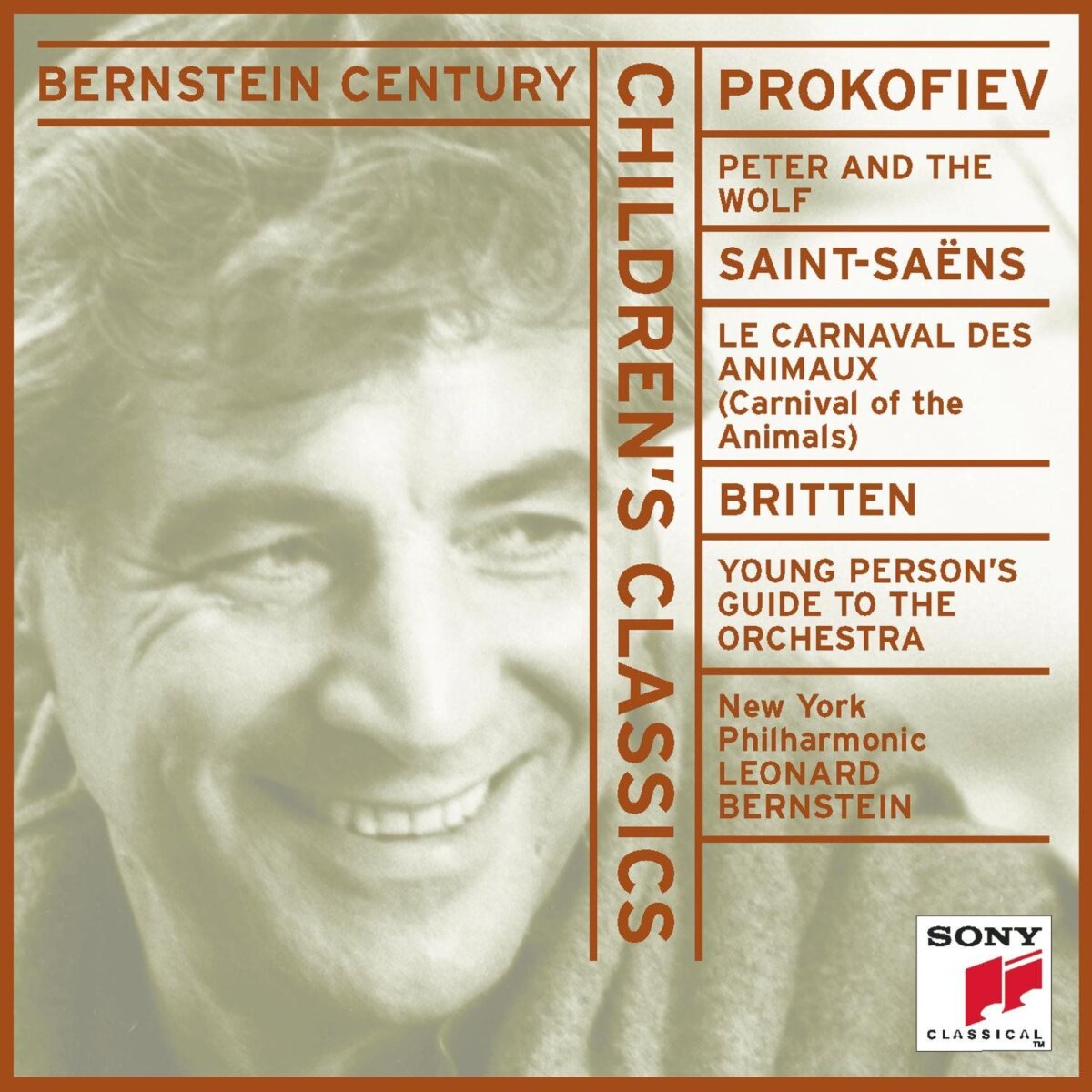
This recording of Prokofiev’s “Peter and the Wolf,” Op. 67 is by the New York Philharmonic, conducted and narrated by Leonard Bernstein. (Listen)
First, we meet the characters. A fluttering flute and squawking oboe argue by a pond, while a little boy named Peter watches, represented by the strings. A clarinet enters the scene, a slinky cat trying to pounce on the unsuspecting birds. Prokofiev models the panicked flight of the bird with a rapidly ascending scale which plateaus as the bird successfully escapes to a treetop. When the cat contemplates climbing the tree, the sly melody of the clarinet is conjoined with a response by the flute.
An elderly grandfather, played by the bassoon, reprimands Peter, warning him of a wolf that lurks in the woods. Peter isn’t afraid of wolves, however, as we hear in his motif, played this time with gusto and bravado. The grandfather takes Peter home, locking him safely behind the gate.
This is when the wolf appears, represented by three menacing French horns. The wolf chases the duck, swallowing it in one gulp. Peter witnesses this and cleverly traps the wolf with a rope. With the help of some hunters, they parade their captive to the zoo. The captured wolf grumbles, with surprising sounds of vigorous quacking coming from his belly—the duck is alive. The story ends with all parties unharmed.
What arts and culture topics would you like us to cover? Please email ideas or feedback to features@epochtimes.nyc
