



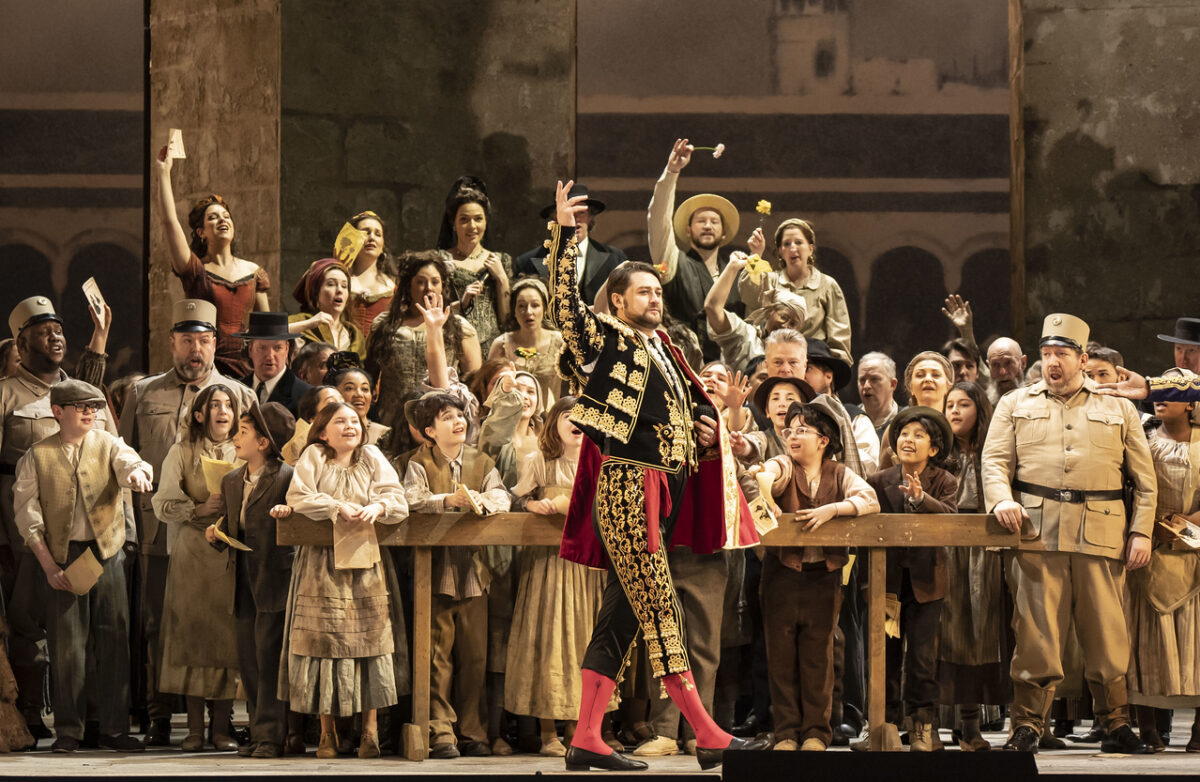
Georges Bizet’s “Carmen” is one of the most enduring operas of all time. Depicting the tragic death of the gypsy seductress Carmen, this groundbreaking work shocked audiences at its premiere with its realism and popular subject matter.
The initial poor reception crushed Bizet, who passed away just three months later. While the composer died believing his magnum opus to be a failure, the opera would go on to be his most popular work. After hearing the score, Pyotr Ilyich Tchaikovsky famously declared that “ten years hence, Carmen will be the most popular opera in the world.”
With brilliant orchestration with an engaging plot, the four acts are filled with unforgettable moments. Bizet was inspired by the culture of Spain and Cuba, writing music steeped with an Iberian flair. From Carmen’s sultry “Habanera” to bullfighter Escamillo’s rowdy “Toreador,” the melodies from this opera comique have captured the imaginations of audience members, one of whom was the great virtuoso violinist Pablo de Sarasate.
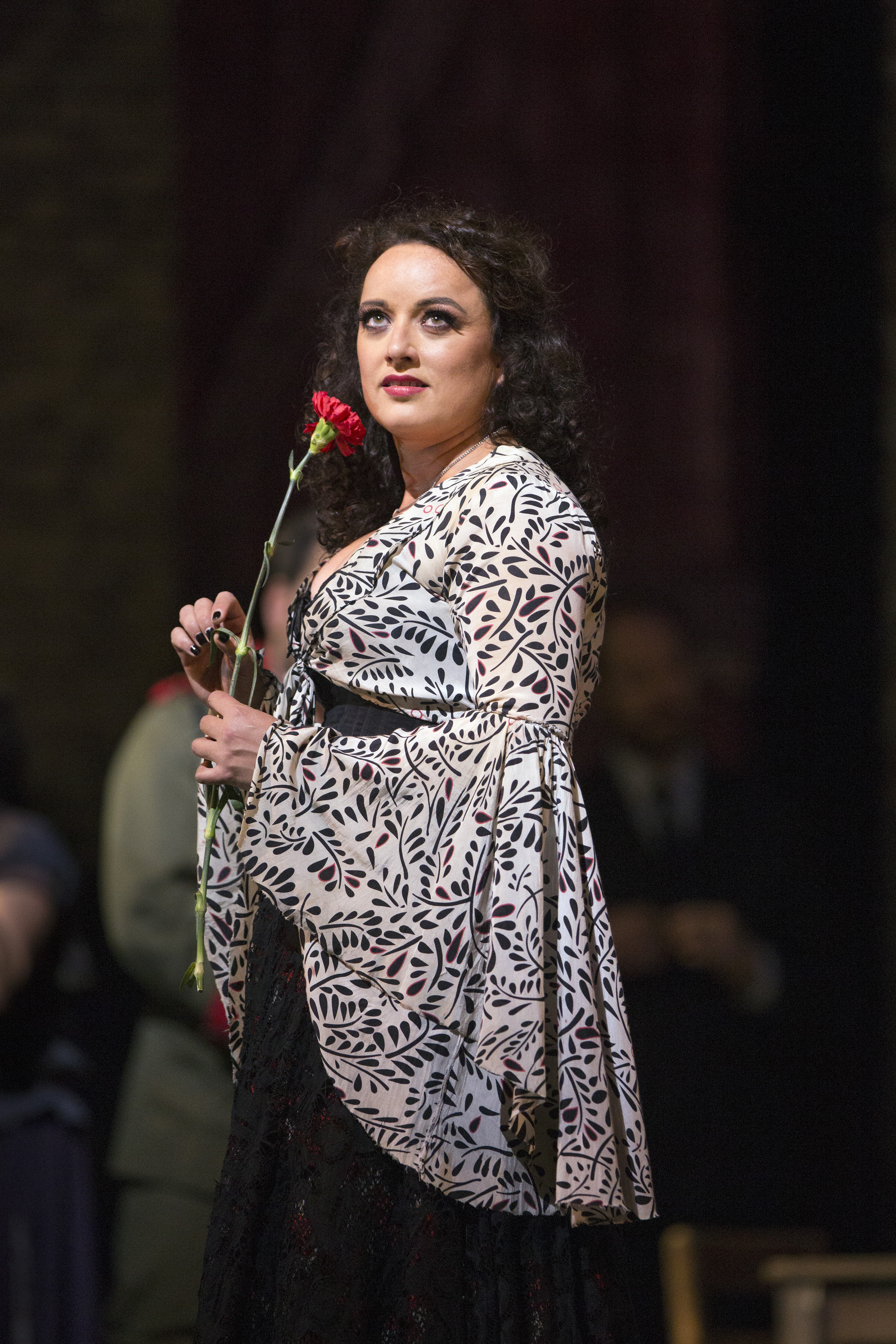 Clémentine Margaine in the title role of Bizet’s “Carmen.” (Marty Sohl/ Met Opera)
Pablo de Sarasate
Pablo de Sarasate was one of the most significant violinist-composers of the late 19th century. Born in Navarre, Spain, he studied at the Paris Conservatory under Jean-Delphin Alard. Sarasate’s compositions consisted of virtuosic showpieces for the violin, often arranged from other popular works, such as with “Carmen.”
Sarasate took melodies from various acts of the opera, compiling them into the “Carmen Fantasy.” He created it for an orchestra and then a reduction for violin and piano. In the piece, the themes of “Carmen” were embellished, often by adding notes and runs around the original material. Sarasate was renowned for his effortless technique, and he composed many passages that required pinpoint clarity to achieve their full effect.
Carmen Fantasy
Sarasate’s “Carmen Fantasy” is performed by Augustin Hadelich, accompanied by Joyce Yang on piano. (Listen)
The music opens with roaring Spanish-tinged chords on the piano. The violin actually enters with the theme in the fourth act, the Aragonaise from the entr’acte. Here, the violinist plays around with techniques such as glissando and pizzicato, sliding and plucking the strings.
At 2:57, the quotation of the famous “L’amour est un oiseau rebelle,” or “Habanera,” begins. The title translates to “love is a rebellious bird,” and it’s the entrance aria sung by the mezzo-soprano. Here the violin takes over, exploiting the contrast in tone between the upper and lower registers of the instrument to expand the textures of the melody.
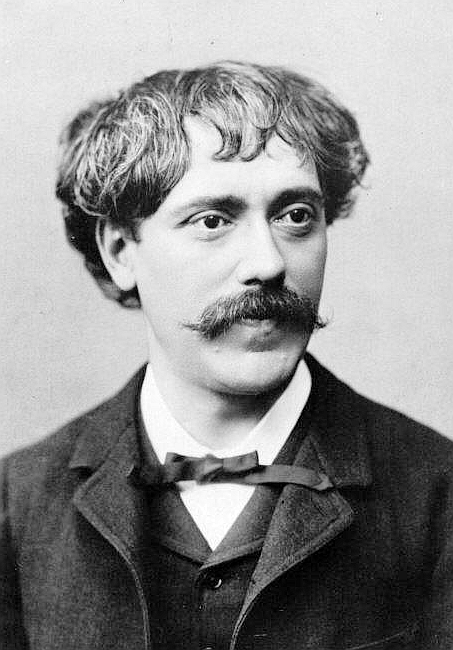 Spanish composer and violinist Pablo de Sarasate in 1906. (Public Domain)
After a section of introspection, the piece’s pyrotechnics begin. At 8:38, Sarasate introduces a theme from the first act, a Seguidilla, to jumpstart the second half. A Seguidilla is an old Castilian folk song and dance in triple time. The violin here is energetic and brilliant, gliding effortlessly from passage to passage amid difficult double-stopping. The piece ramps up in intensity until a flurry of fast runs ends the fiery showpiece.
What arts and culture topics would you like us to cover? Please email ideas or feedback to features@epochtimes.nyc
