



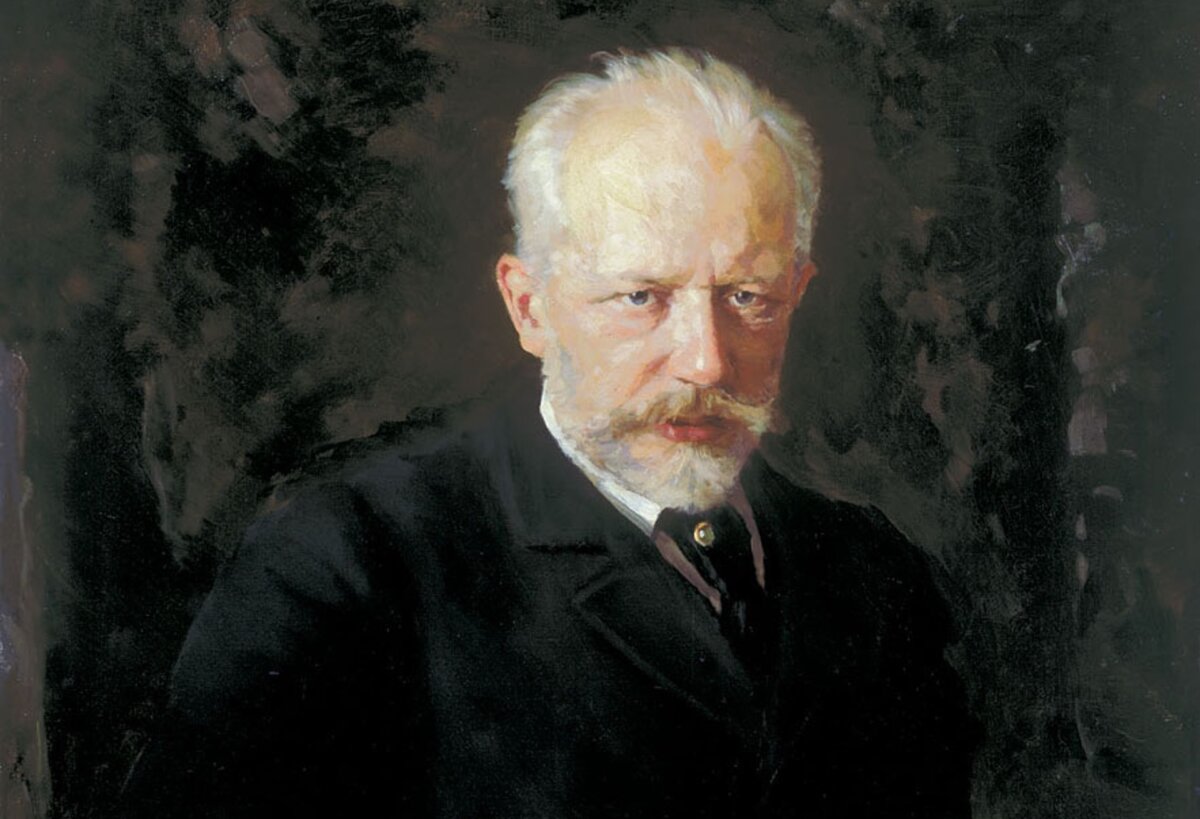
The idea of “fate” in music has deep roots. From Beethoven’s famous Symphony No. 5, whose opening motif is often described as “fate knocking at the door,” to the “idée fixe” of Hector Berlioz’s “Symphonie fantastique,” the concept of destiny has long shaped the musical imagination.
Symphony No. 4 in F Minor by Pyotr Ilyich Tchaikovsky is one in a long tradition of Romantic works exploring the idea of fate. The opening fanfare is strikingly memorable, described by the composer as the “seed of the whole symphony.” In a letter to his patron, Nadezhda von Meck, he wrote: “This is Fate: This is that fateful force which prevents the impulse to happiness from attaining its goal. … It is an invincible force that can never be overcome—merely endured, hopelessly.” Despair and the struggle against fate are ultimately resolved in the final movement, a dynamic and fiery catharsis.

Overcoming Criticism
Tchaikovsky was a master of the theatrical. A Russian composer of the late Romantic era, he wrote music characterized by great drama and folk-inspired melodies, seamlessly integrated through his mastery of Western forms and harmonies. From “The Nutcracker Suite” to “Swan Lake,” his works remain favorites with audiences worldwide.
However, success didn’t come easily. Straddling the line between traditional Western music and the nationalistic, Slavic style of Russia, Tchaikovsky found detractors in both camps. Critics in continental Europe dismissed him for his flexible approach to Western principles, while at home, “The Mighty Five,” a group of Russian nationalist composers, viewed his embrace of Western music with marked disdain.
Amid criticism from all quarters and in the wake of a disastrous marriage, work on the Fourth Symphony began. The result was a masterwork that combined the symphonic form with a deeply emotional narrative. While retaining the four-movement symphonic structure, Tchaikovsky treated the thematic development as a psychological arc, a poignant example of late Romanticism.
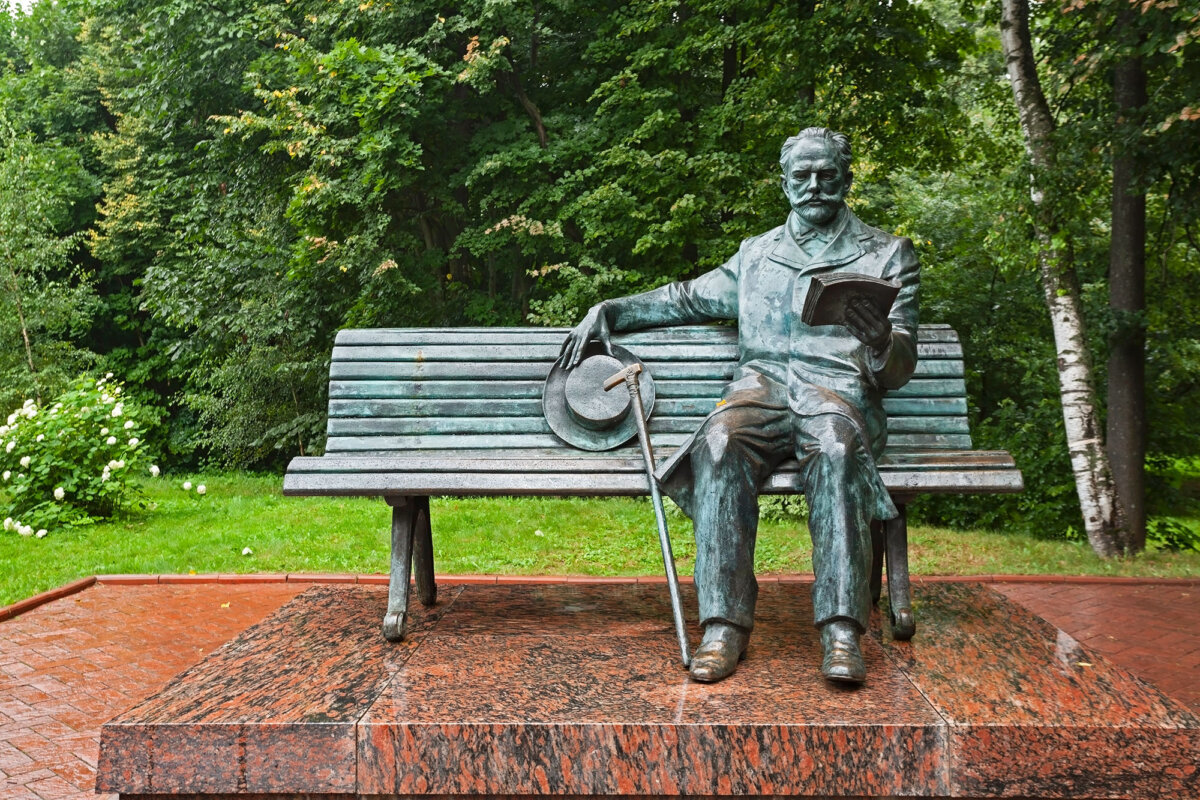
Tchaikovsky’s Symphony No. 4
Today’s recording of the fourth movement, Finale Allegro con fuoco, is performed by Herbert von Karajan and the Berliner Philharmoniker.
The finale unfolds with a forceful cymbal crash, punctuated by an army of brass and a torrent of violins. The woodwinds respond with a plaintive reply, a melody based on the popular Russian folk song, “In The Field Stood a Birch Tree,” before an exuberant repetition of the main theme.
At 1:30, we hear the embellished simple folk tune. As the melody passes from oboe to flute to horn, the strings provide intricate counterpoint. By the time the trombones enter, the melody has transformed dramatically.
At 4:50, the emotional core arrives. As the brass intensify, they suddenly veer into a melancholic fanfare. This is the motive of “fate” from the opening movement. Its return connects the entire symphony.
The melancholy doesn’t last long, as a horn call at 6:20 brings us back to Earth. A festive and bombastic finale wipes clear the tragedies of the past.
Throughout the symphony, Tchaikovsky perhaps portrayed his own struggles against fate. Of the fourth movement he wrote, “If within yourself you find no reasons for joy, then look at others. … Reproach yourself, and do not say that everything in this world is sad. Joy is a simple but powerful force. Rejoice in the rejoicing of others.”
What arts and culture topics would you like us to cover? Please email ideas or feedback to features@epochtimes.nyc.
