



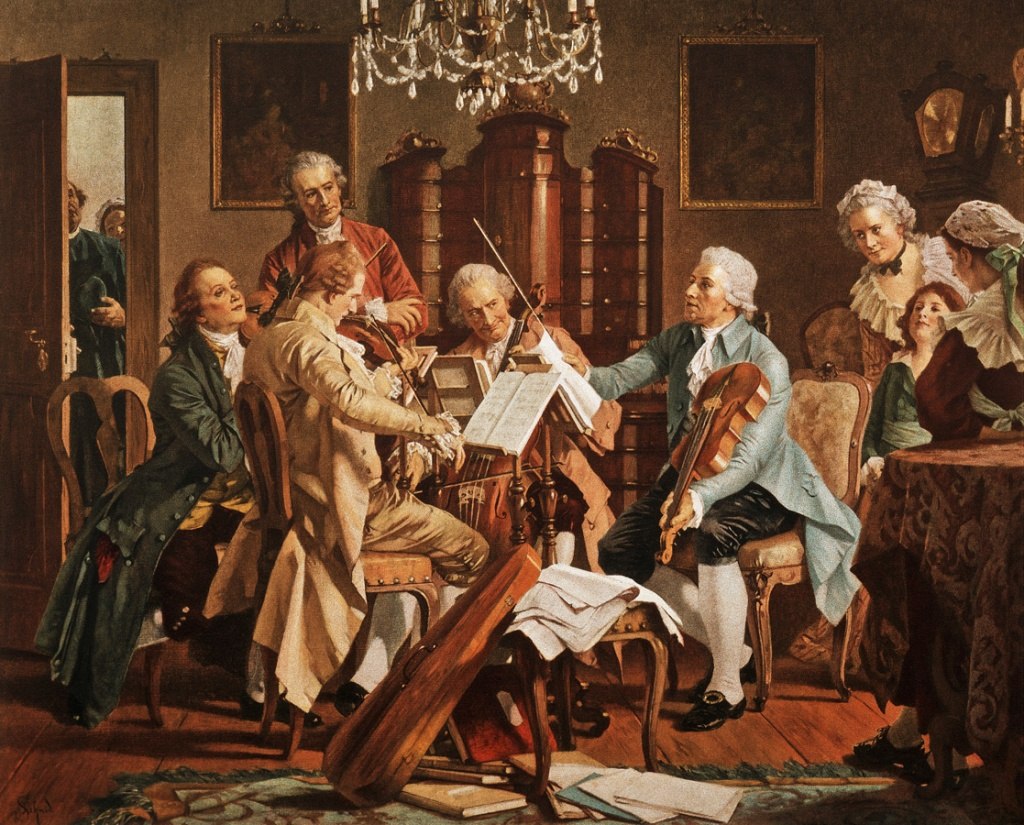
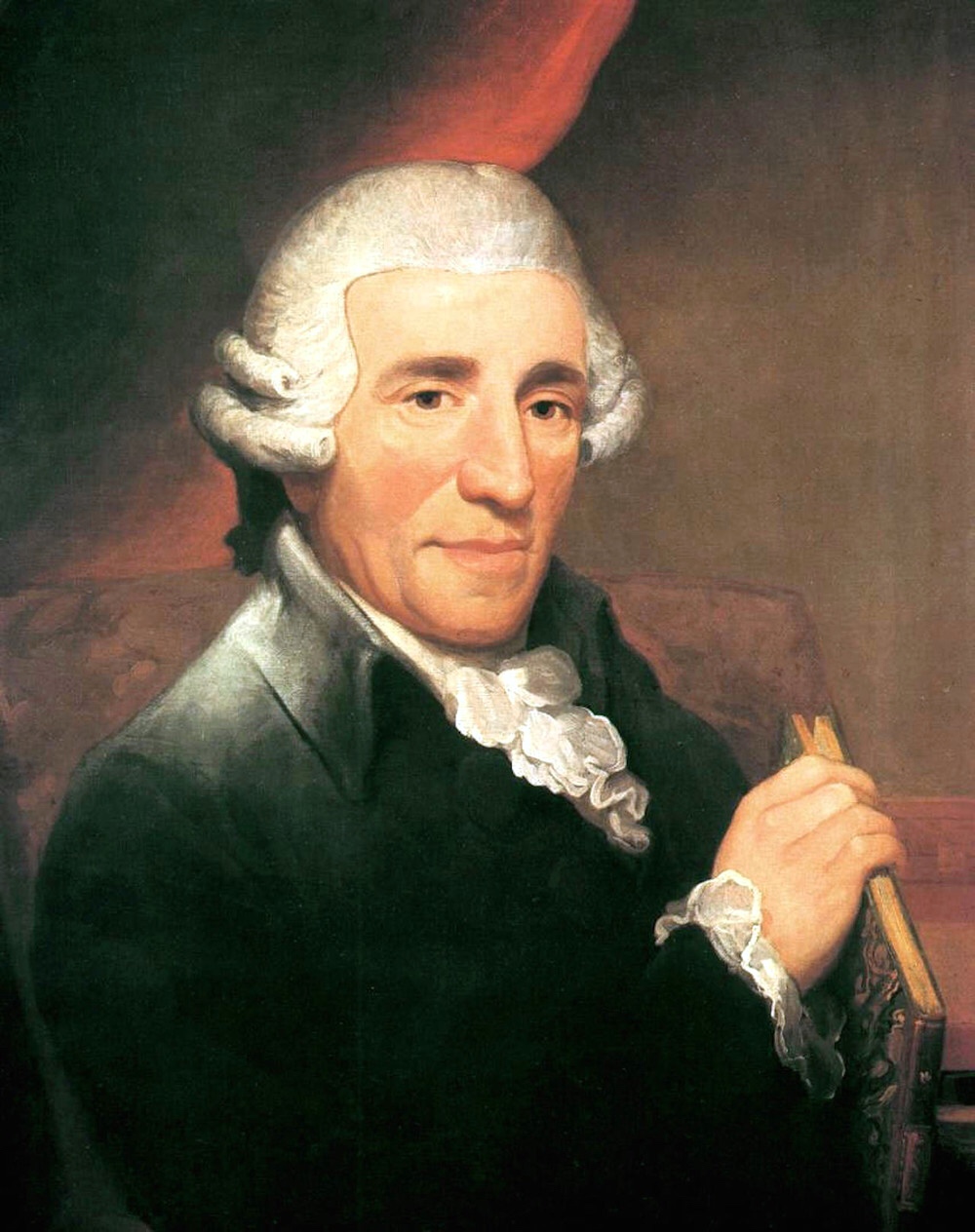
Joseph Haydn was one of the preeminent composers of the Classical era. Employed by the Esterhazy noble family, he composed a staggering 104 numbered symphonies, almost 70 string quartets, and the oratorios “The Creation” and “The Seasons.” After his years under Esterhazy patronage, Haydn traveled Europe and famously visited London, becoming its most celebrated composer of the time.
Haydn undoubtedly built his reputation on his compositional skills. He earned the titles “Father of the Symphony” and “Father of the String Quartet” for his pioneering development of both genres. Audiences and critics regarded him as the very image of refinement and culture. Yet this distinguished composer had a mischievous side. Close friends and acquaintances knew Haydn to be cheerful and good-humored—qualities that show in some of his more unorthodox compositions.
Take his Symphony No. 94, “Surprise,” for example. Tired of audiences falling asleep in the middle of performances, Haydn wrote a practical joke into the slow second movement of this aptly named piece. As a gentle violin melody lulls listeners into a false sense of security, anyone nodding off would be suddenly jolted awake by a loud, unexpected chord.
Or take Haydn’s prank in his Symphony No. 60, “The Absent-Minded.” The confident and lively beginning of the final movement abruptly stops just a few bars in. The violins then interject with wild chords, the last of which is bizarrely dissonant—the “absent-minded” orchestra has forgotten to tune—in the middle of a performance.
‘The Joke’ Quartet
Perhaps the most comedic of Haydn’s works is his String Quartet in E-flat Major, Op. 33, No. 2, “The Joke.” This recording is by the Emerson String Quartet. (Listen)
The namesake of this string quartet comes from the ending of the final movement, Presto. But before the eventual punchline, Haydn sets up his joke using repetition and subversion of expectation.
Right from the start, the tune is whimsical and fickle—a jig-like theme in duple meter. The movement is written in rondo form, meaning the main melody returns after being juxtaposed with a series of contrasting ideas. Listen to how at 1:04 the music loops back and forth, a muttering monologue in the violin which culminates in a dramatic pause. The quirky theme from the beginning then reappears, chugging along as chipper as ever.
The joke of the movement comes at 2:38, where Haydn manipulates our expectations. As the happy theme resolves, there is an abrupt entry into a minor key with a chorale-like figure. Just as a new section of the music seems ready to unfold, the string quartet changes its mind and returns, abashedly, to the cheery tune at 3:04.
Midway through, the string quartet pauses. As if waiting for the coast to be clear, the music starts up again. Then it stops again. Now, just as the pauses become predictable, the music reaches its finale. Halfway through the last phrase, the piece ends and Haydn delivers his punchline.
What arts and culture topics would you like us to cover? Please email ideas or feedback to features@epochtimes.nyc
