



Before we dive into the masterpiece—the symphonic poem “Vltava” (in German, “Die Moldau”)—there is the story behind one of the most celebrated Czech composers.
If you had told Bedrich Smetana in 1874 that he would become perhaps the most beloved of all Czech composers, he would have been hard-pressed to believe it. Although he had succeeded the decade prior, winning a competition with his opera “The Brandenburgers in Bohemia,” discontent was brewing. Critics attacked the rising innovative composer. Biographer John Clapham wrote of the harsh attacks, saying one reviewer claimed Smetana’s “Czech opera sickens to death at least once annually.”
The attacks were orchestrated. Smetana had made many enemies, both through his music and career rivalries—notably: Frantisek Pivoda—director of the Prague School of Singing. A former advocate of Smetana, Pivoda soured when Smetana began outsourcing singing talent from abroad rather than from Pivoda’s school.
Pivoda followed up by publicly claiming that Smetana was trying to advance his own career at the expense of others’. However, a more deeply rooted cause may come from Smetana’s music itself.
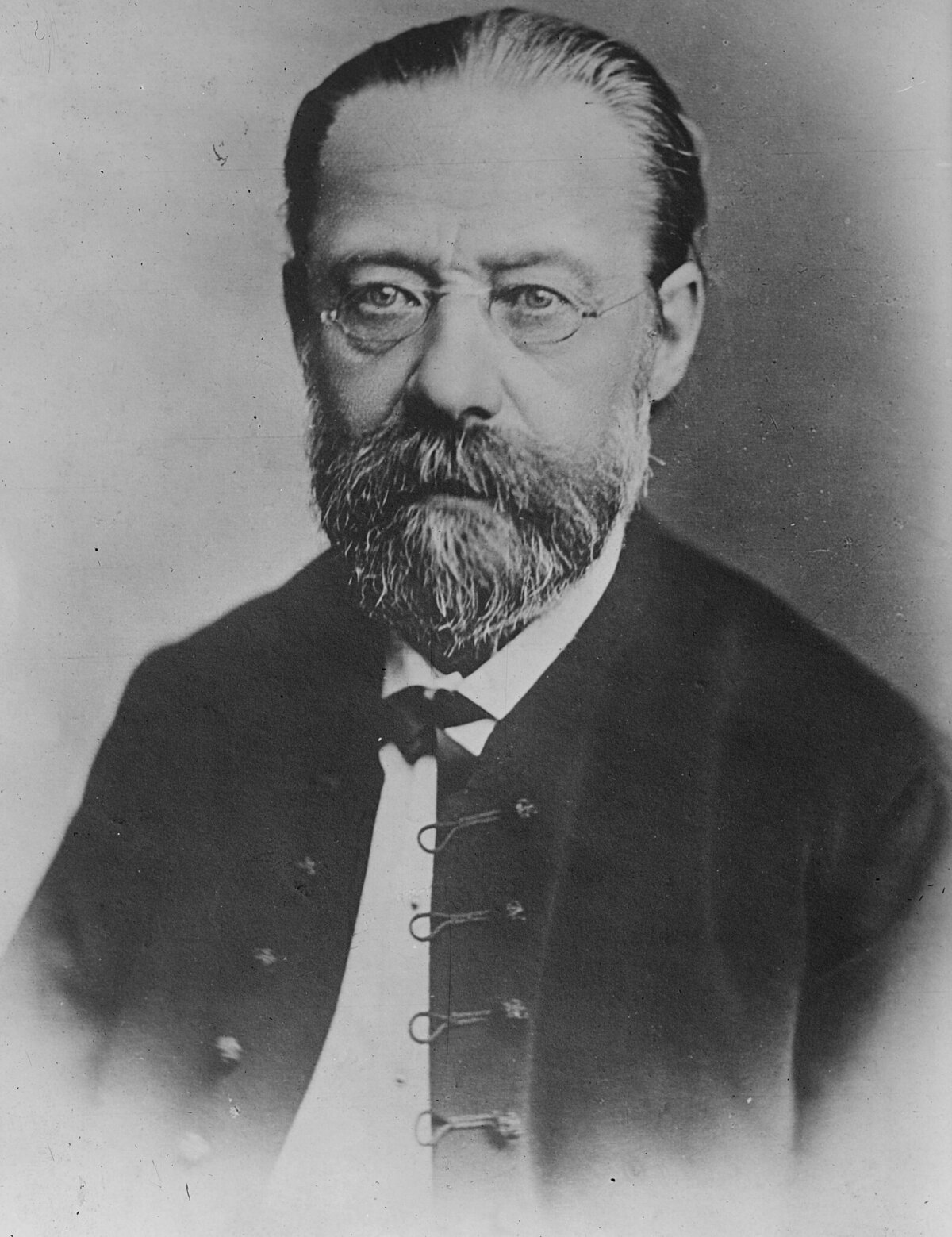
Late Romanticism
Smetana had tried and failed multiple times to attain positions he was qualified for, from the conductorship of the Provisional Theater to the director of the Prague Conservatory. His repeated rejections came from the conservative faction at the time that considered Smetana’s music “Wagnerian.” The label accused Smetana of following in Wagner’s footsteps to integrate the orchestra fully as a dramatic element in opera storytelling—that is, prioritizing the dramatic role of the orchestra. This concept was anathema to the Czechoslovakian conservative musicians in at the time, who believed that the voice took precedence over all, following the Italian tradition.
So a rift formed in the musical society. Pivoda and Frantisek Rieger, chairman of the Provisional Theater, sought to oust Smetana from his conducting role. Smetana supporters rallied to protect him, including vice-chairman and politician Antonin Cizek and the famous Czech composer, Antonin Dvorak. The affair was messy, but Smetana retained his position.
By 1874, Smetana was suffering from both professional struggles and musical backlash. However, the worst was yet to come. Smetana became seriously ill and became completely deaf by the end of the year.
‘The Moldau’
It was under these circumstances that Beldrich Smetana composed a work that has since become a pillar of the Czech national culture: a cycle of six symphonic poems titled “Ma Vlast,” or “My Fatherland.” The second of these poems is named “Vltava,” or “The Moldau,” depicting the river that runs through Prague.
This work of genius is performed here by Daniel Barenboim and the Wiener Philharmoniker. (Listen)
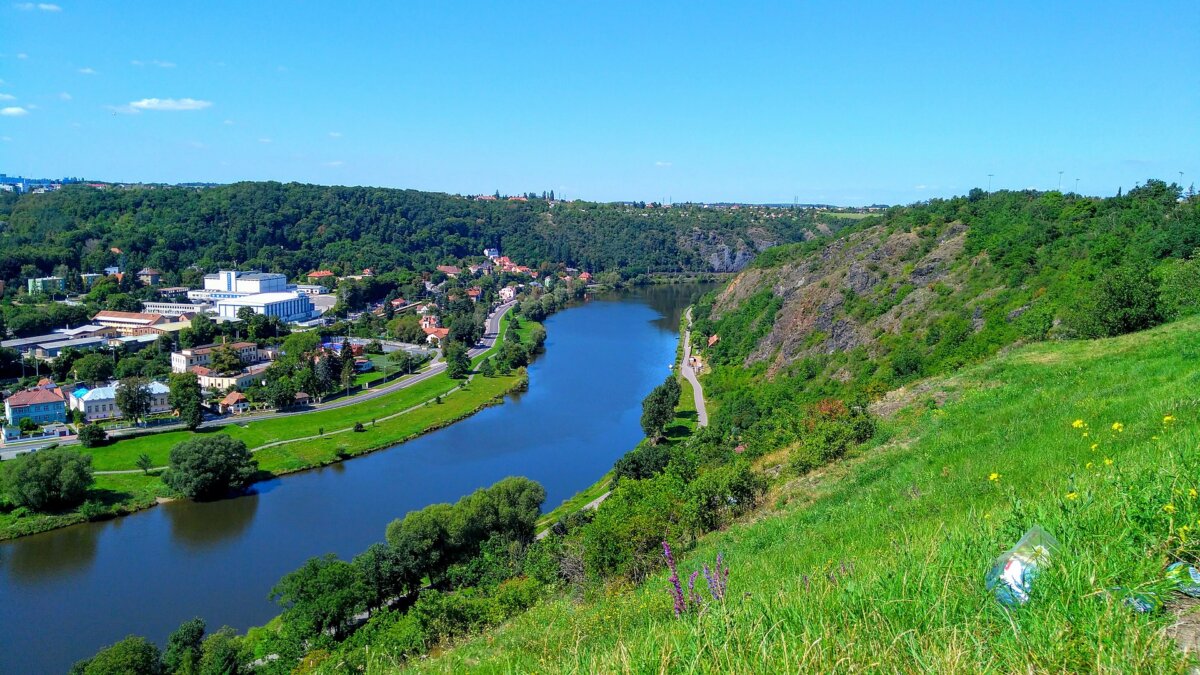
The work opens with a wistful flute tune that flows and weaves. Strings and harp pop in and out with their plucking. The music seems to say, “this grand and magnificent river has a humble beginning.” And the music delivers: by 1:05, we hear the sprawling vista of the Moldau in all its glory. The violins sing an expansive melody, with the bubbling of the waters continuing underneath.
Then, the composition switches gears. The music’s pathos and atmosphere are painted on our minds. At 4:00, we are treated to the sight of a “bauernhochzeit” (a peasant wedding).
The little interlude fades into woodwind chords, which transitions into a most magical moment at 5:42. It is titled “Mondschein, Nymphenreigen,” or “Dance of the Nymphs,” where under the moonlight the mystical water spirits dance on the riverbanks. This is one of the most enchanting moments in classical music.
What arts and culture topics would you like us to cover? Please email ideas or feedback to features@epochtimes.nyc

