



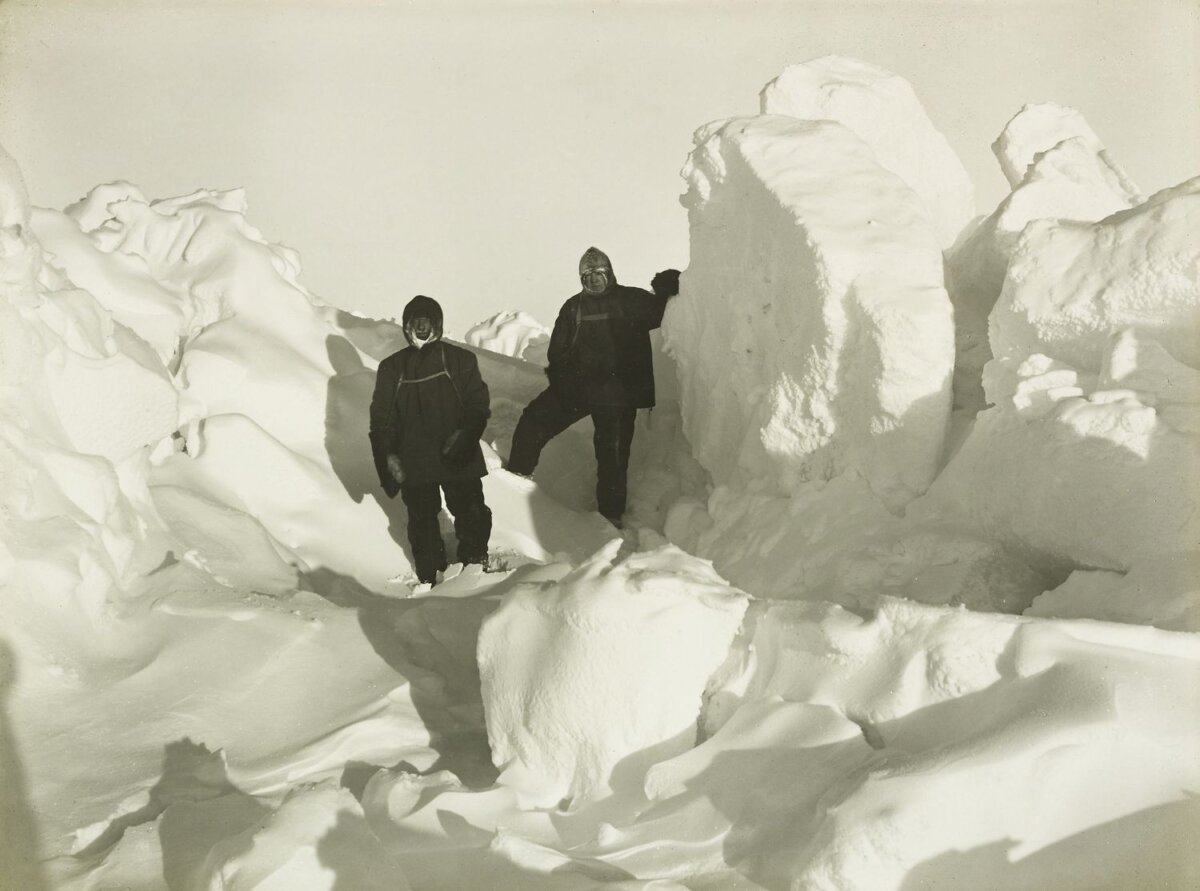
The Heroic Age of Antarctic Exploration—it sounds like a bit much, doesn’t it? Somewhat pretentious, or at least self-congratulatory. It was a unique era that lasted from the end of the 19th century into the 1920s. The explorers’ goal certainly fit the name: to be the very first humans in history to reach places frozen and forbidding, even to the bottom of the planet.
I mean, what makes a man or woman a hero, anyway? But these explorers did some rather amazing things. In expedition after expedition, they surged south into totally undiscovered territory. Over a span of less than three decades, whether out of lunacy or boredom, they boarded rickety wooden sailboats and navigated, literally, to the ends of the earth.
The Greats
Irishman Ernest Shackleton, whose name inevitably rises to the top of these lists, was always known as “The Boss.” He looked every bit the part with his trademark thousand-yard stare and a square jaw that, in black-and-white photos from the era, looks like it could cut through granite.
Some say that he placed an advertisement in a London paper, reading: “Men wanted for hazardous journey. Low wages, bitter cold, long hours of complete darkness. Safe return doubtful. Honour and recognition in event of success.”
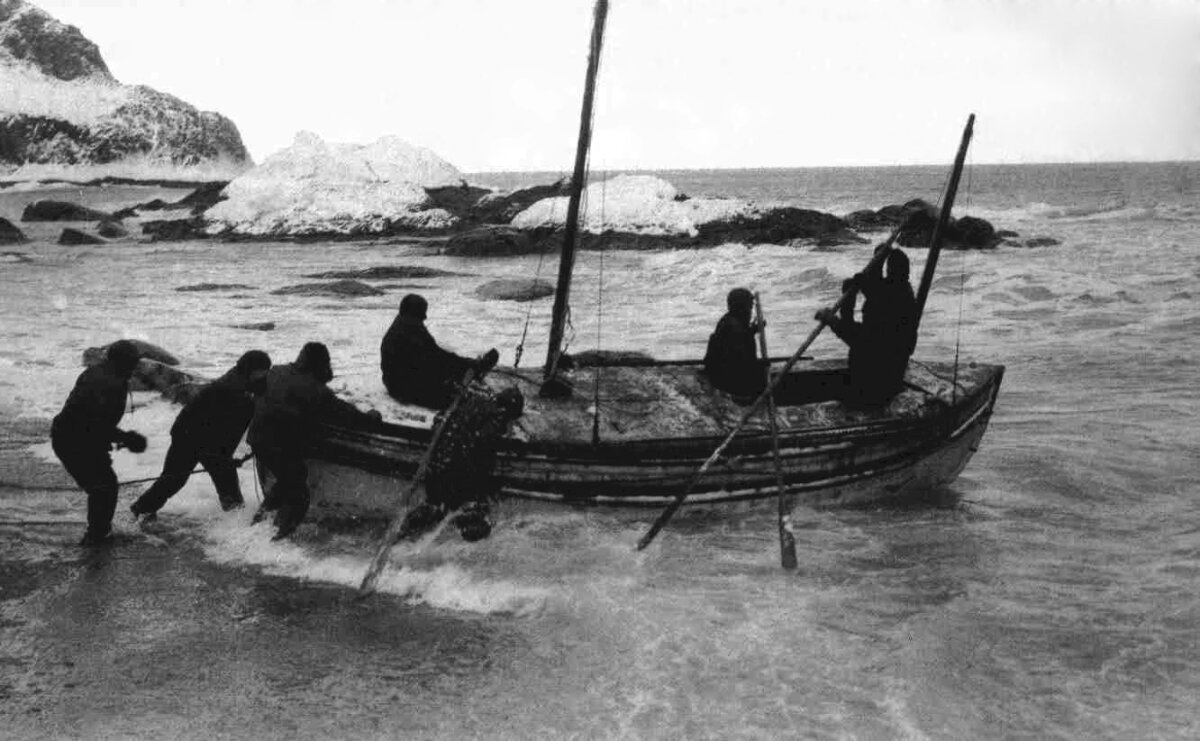
Many historians consider this little more than legend, but the story jibes with the man who got all his crew safely home from the treacheries of the Weddell Sea, Elephant Island, and South Georgia after their ship was crushed by ice. (It’s a long and remarkable story.)
The second member of the usual, best-known trifecta of these heroes, Robert Falcon Scott, will never be forgotten. But his fame is wedded with tragedy. His crew reached the South Pole in 1912, one month after the expedition led by Norwegian Roald Amundsen. Getting there second wasn’t, obviously, ideal. But to make matters (rather obviously) worse, his entire party perished on the return journey.
Amundsen himself is a rather compelling figure. The first to traverse the Northwest Passage across the High Arctic, he used lessons learned from local indigenous populations (using dogsleds and wearing locally sourced furs) to reach the South Pole first. He also flew over the North Pole in the airship Norge. He perished when attempting to rescue a missing Italian rival.
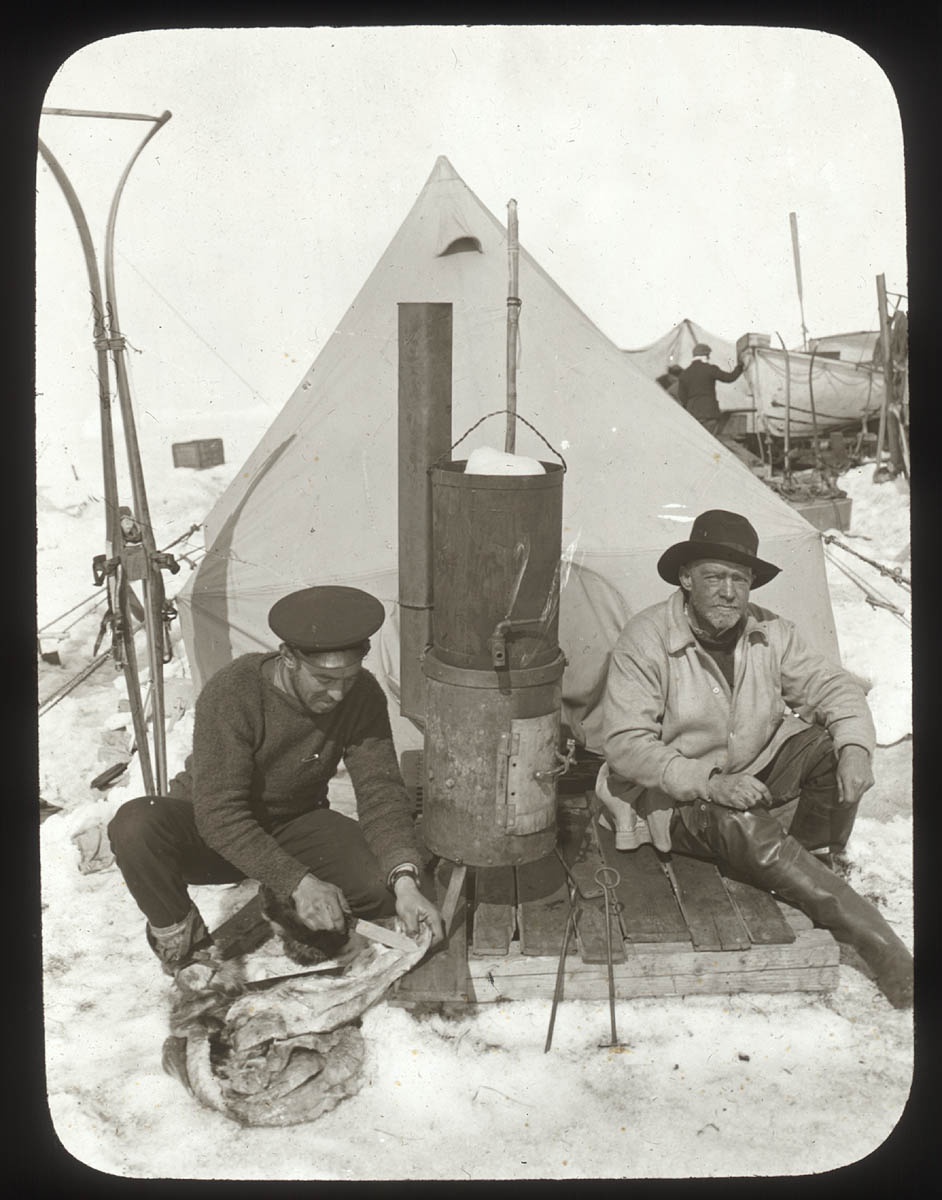
But although these men, at the head of their expeditions, could depend on fame and glory in life and death, it’s the smaller players who fascinate me—those who were there for pure adventure and perhaps a footnote in the history books. One is Adrien de Gerlache, namesake of the famous Gerlache Strait, which will be familiar to anyone who has visited the Antarctic Peninsula on a cruise ship. Others include Erich von Drygalski, Nobu Shirase, and Jean-Baptiste Charcot.
Three in particular fascinate me—two of whom never led a voyage.
Frank Wild
Frank Wild’s life began and ended in humble circumstances. Born in Yorkshire, England, he was the eldest of 11 children. Seeking adventure (and perhaps escape from the hurly-burly of that busy household), he first set sail at the age of 16 as part of the merchant navy. Later, he joined the Royal Navy.
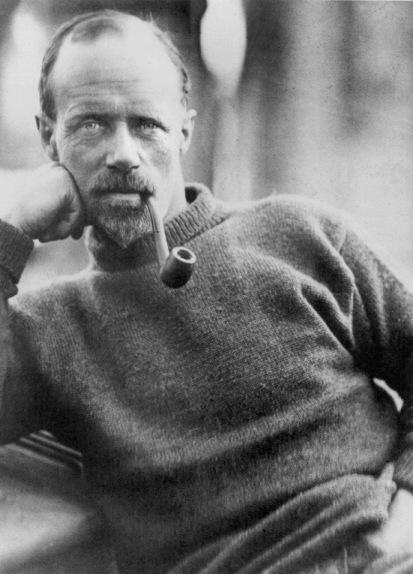
Soon enough, he fell in love with the polar regions. Incredibly, Wild was part of five separate Antarctic expeditions. He was eventually awarded rare and very high honors, including the Polar Medal (with four bars) and recognition as a Commander of the Order of the British Empire.
His crowning moments came while serving as Shackleton’s right-hand man during the legendary Imperial Trans-Antarctic Expedition. The Boss himself called Wild his “tower of strength.” With their ship, the Endurance, hopelessly locked in and then lost to the treacherous ice of the Weddell Sea, Wild was left in command of 22 men on Elephant Island while Shackleton and five others took the James Caird lifeboat in a desperate search for help.
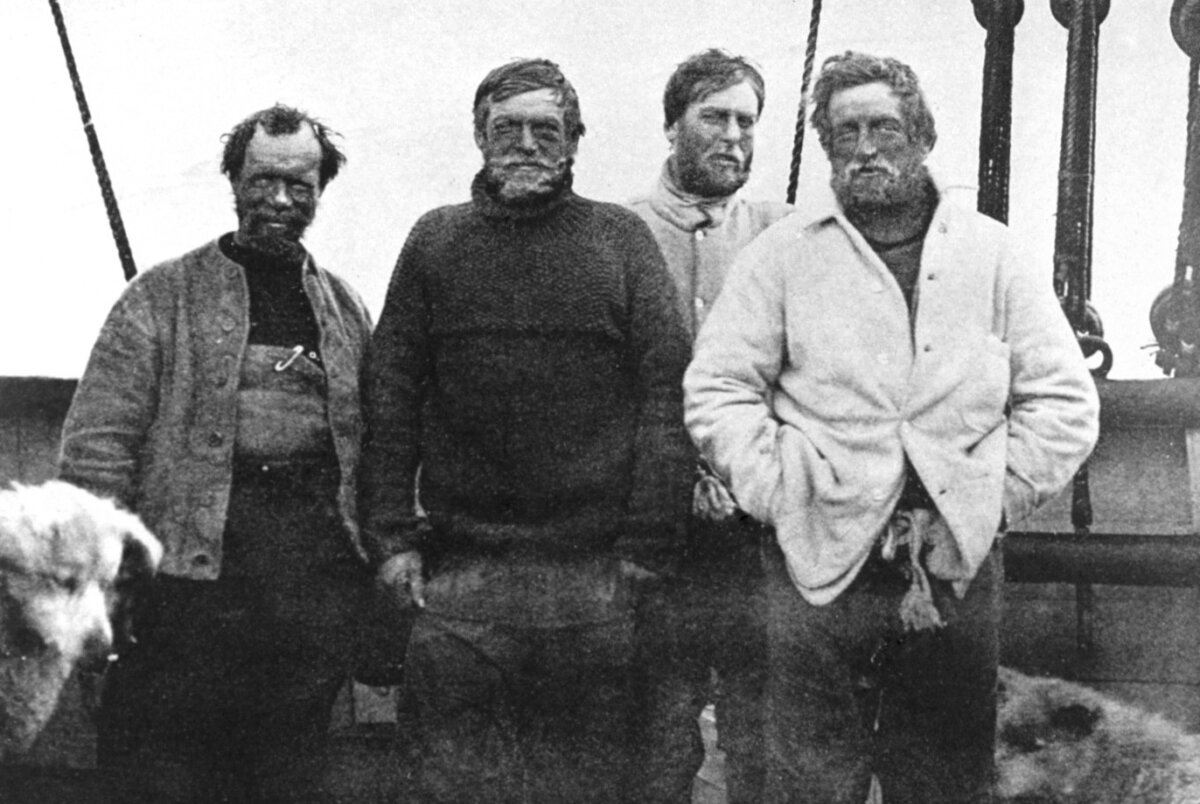
Wild and his 22 men survived, sleeping under overturned boats for four months until The Boss found rescue on an incredible journey to the whaling camps on South Georgia. His ability to maintain morale and discipline for those 137 days is today regarded as almost miraculous. Not one life was lost.
Later in life, he struggled. Eventually moving to South Africa, Wild worked, unsuccessfully, as a farmer and bartender. Following his death and cremation, Wild was interred—appropriately enough—next to Shackleton’s own grave on South Georgia. Forever at his right hand.
Tom Crean
The Irishman Tom Crean is another favorite. On three expeditions, he sailed with both Scott and Shackleton and spent more time in Antarctica than either of them. Appropriately enough, a book about him, published in 2000, is titled “An Unsung Hero.”
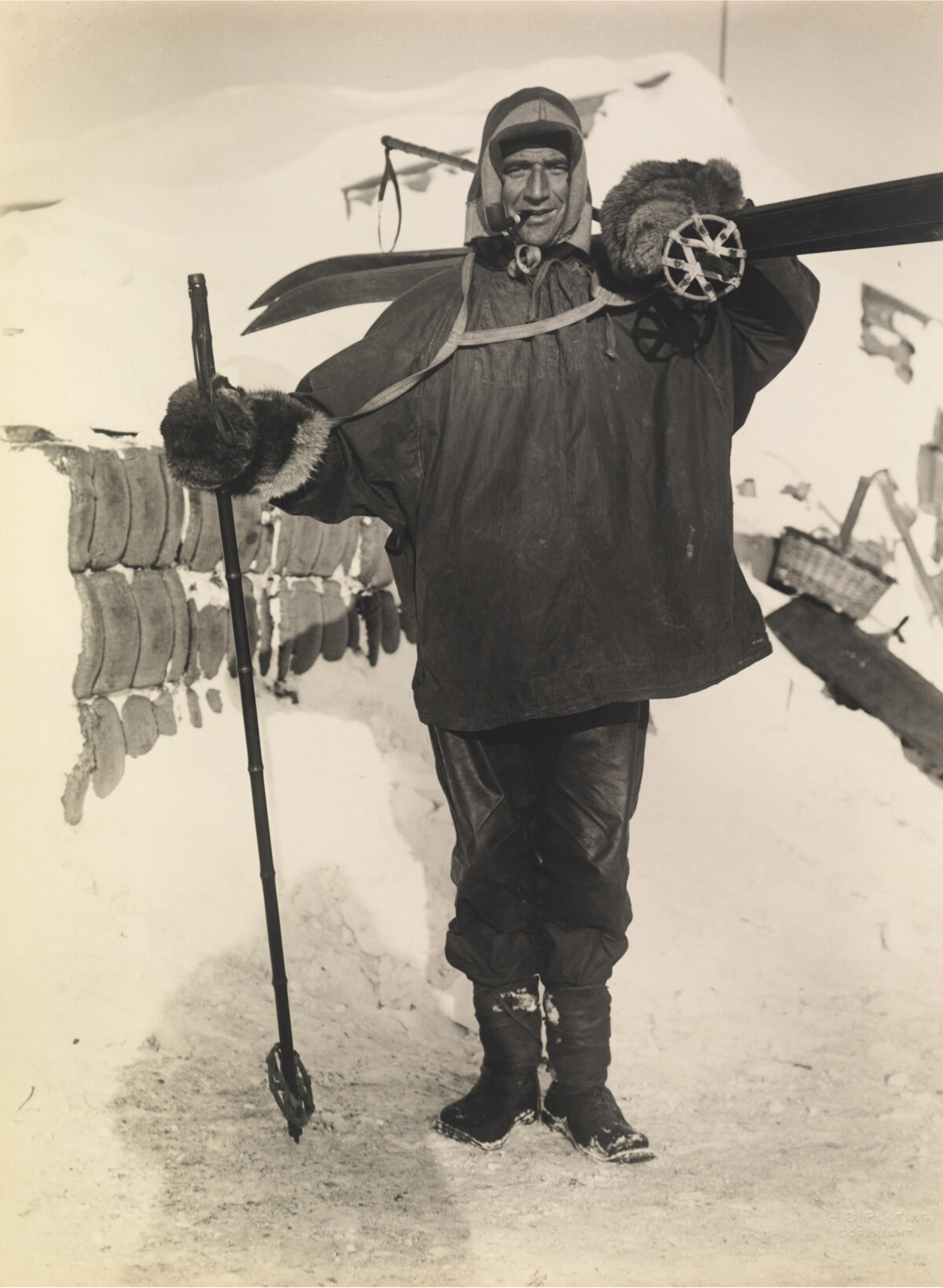
Crean’s list of accomplishments on the frozen continent is also long, and was long forgotten. On one occasion, he hiked 35 miles solo to secure the rescue of a member of Scott’s crew, who was sick with scurvy. He was one of the five crew members who accompanied Shackleton to South Georgia in the James Caird. Once they reached South Georgia, Crean and two others crossed the mountainous island to reach the whaling station at Stromness, playing a key role in saving the lives of those left on Elephant Island.
Douglas Mawson
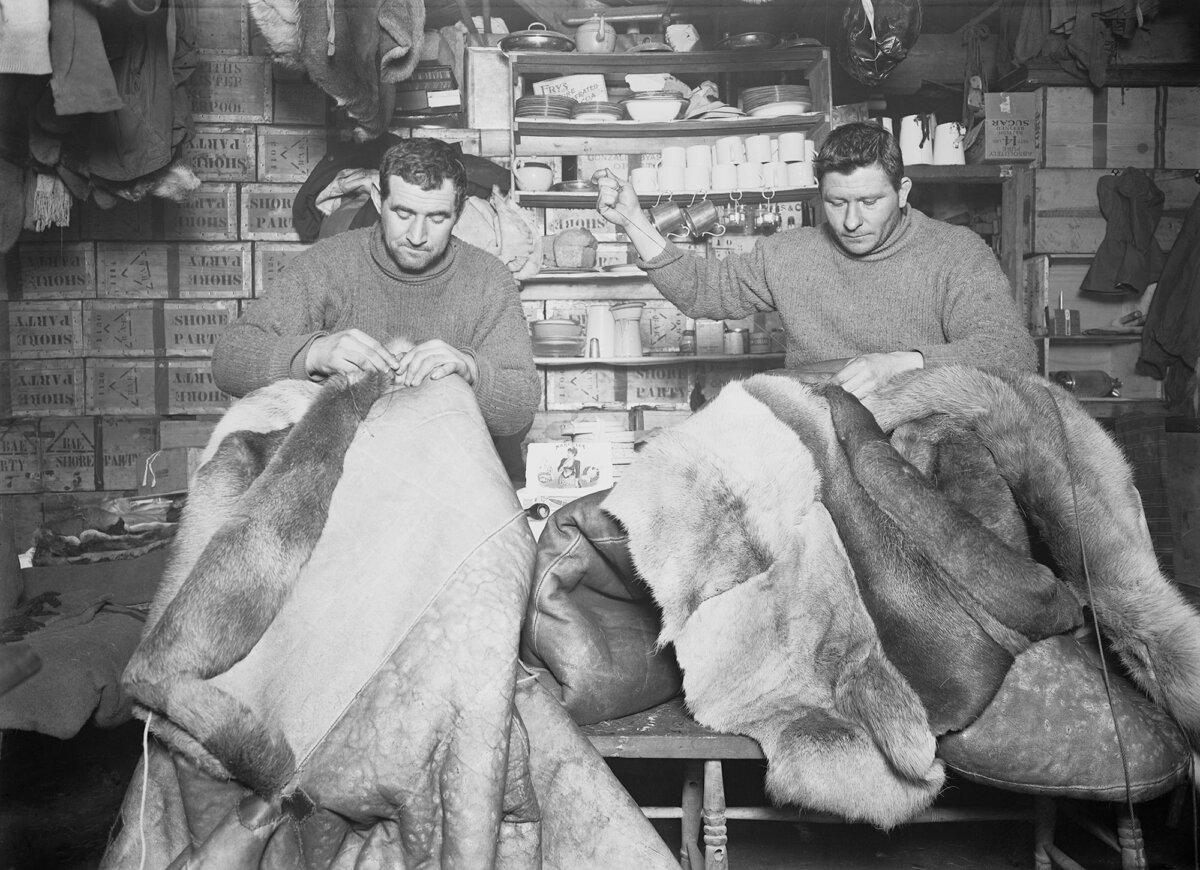
Then there’s Douglas Mawson—famous in Australia and, it seems, nowhere else. His family moved Down Under from England when he was an infant. He was on board for three Antarctic expeditions, commanding the final two.
In contrast to the flash and panache of Shackleton, Mawson was an academic. He specialized in an (arguably) rather melancholic discipline: the study of geology. Unlike Scott and Amundsen, his goals weren’t ostentatious. He had no ambitions to be first to the pole or to cross the continent.
Instead, he sought to gather scientific knowledge about this almost completely unknown place. During the Australasian Antarctic Expedition (1911–1914), he led one of the earliest attempts at radio communication from Antarctica. Setting up two camps (one, inevitably it seems, led by Wild), Mawson’s time there produced 22 volumes of scientific reports and charted vast swaths of the East Antarctic coastline.
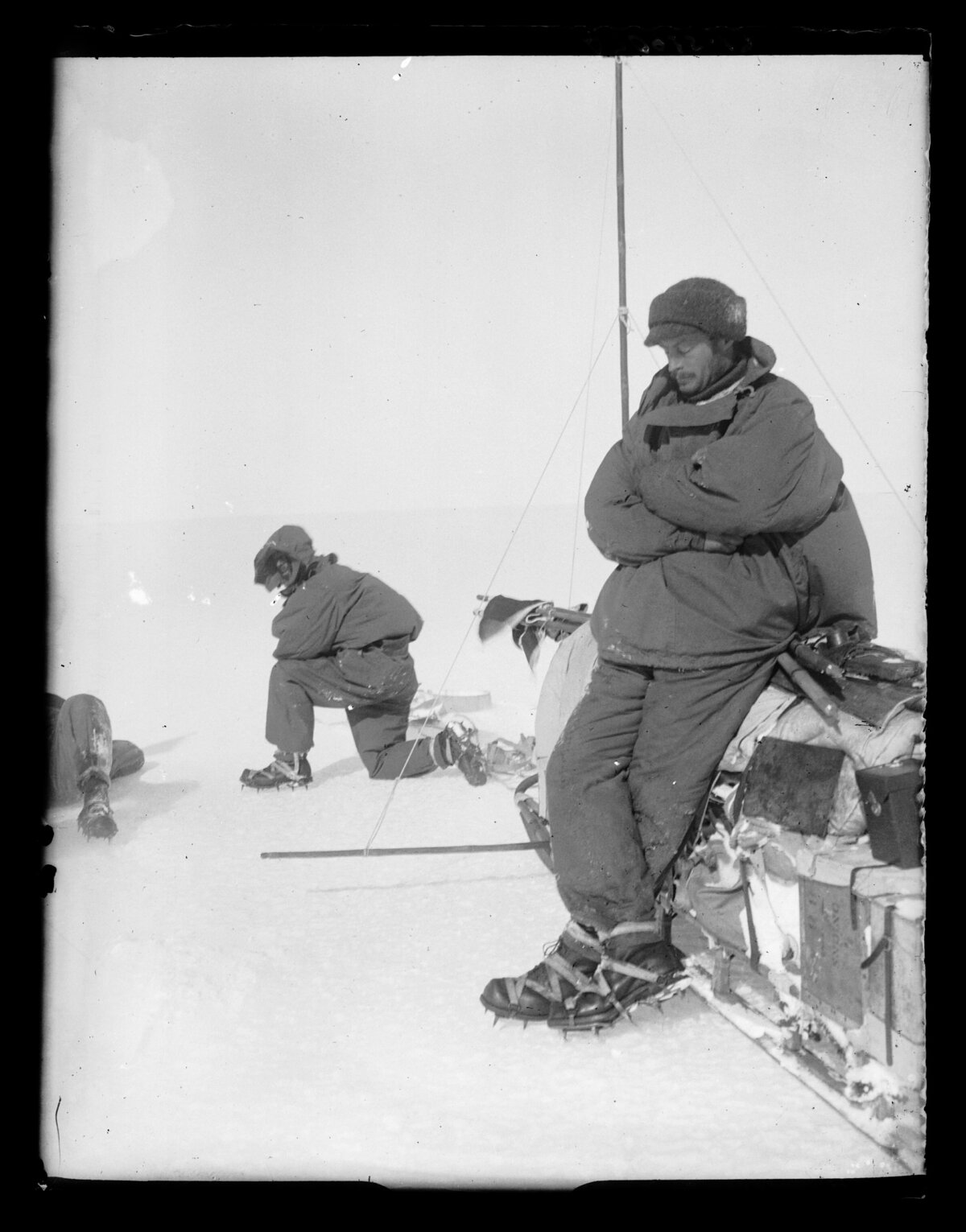
His crew spotted marine and terrestrial species never before encountered by humans. Their work greatly advanced scientific knowledge in wide-ranging areas, from biology to meteorology to, of course, geology.
There were moments of drama, too. On a sledding excursion, both of his compatriots perished, one by stepping into a seemingly bottomless crevasse. Mawson soldiered on, alone, for 30 days. Arriving back at camp a physical wreck, he had only survived by crafting his own crampons. He also missed a ship intended to take everyone home by mere hours. Which meant that he, along with the skeleton crew left behind, would have to spend another season in the cold. The camp, known as Mawson’s Huts, stands to this day.
Was it all worth it? I’d speculate that all those explorers—both great and unsung—would say yes. Wild was certainly under Antarctica’s spell. I’ll leave the last word to him.
“Once you have been to the white unknown, you can never escape the call of the little voices,” he said.
