



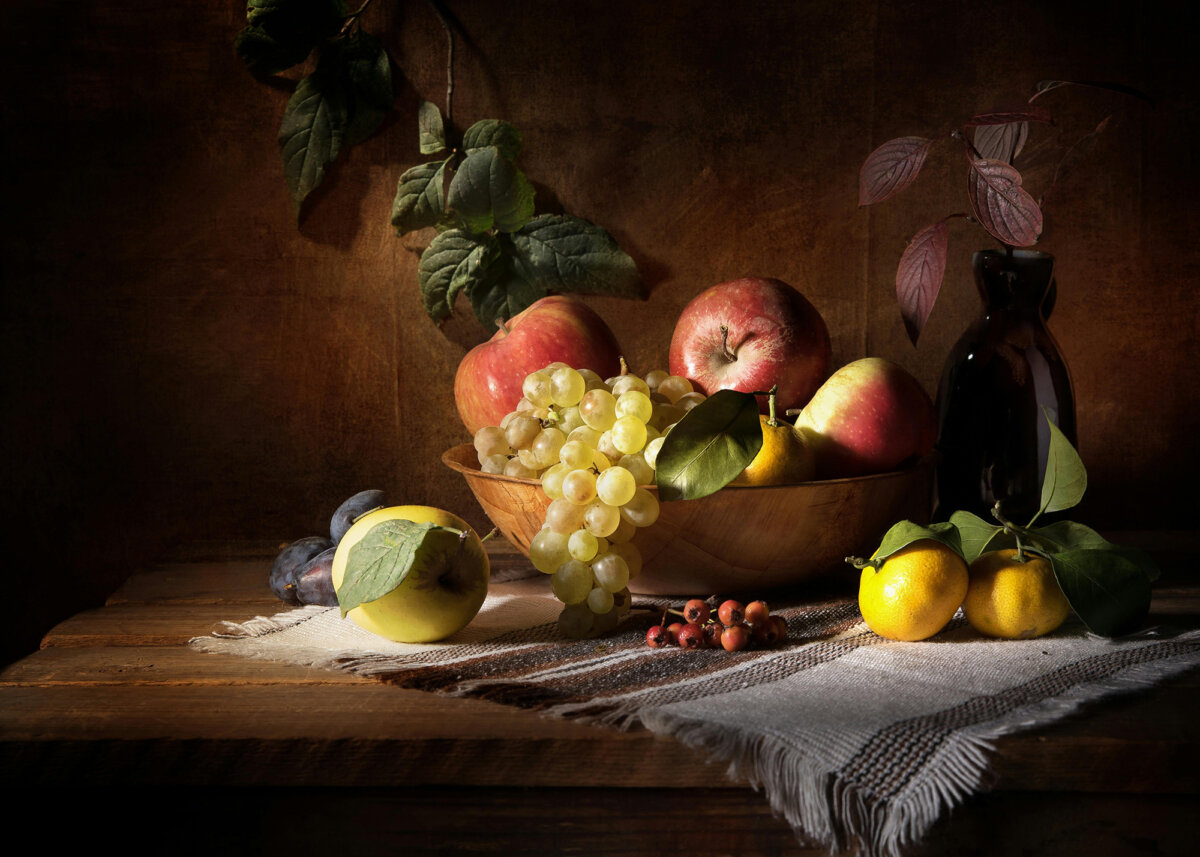
“No, thanks, on the Coke. You have that huge orchard out there—got any fruit juice?” My guest at Owl Feather Farm flashed an expectant smile.
“Actually, yes. I have some awesome aronia juice I made just the other day. It’s in the fridge,” I replied.
Blank look. My guest said: “Never heard of that. What is it?”
What, indeed, is aronia? It’s one of the many exotic, little-known fruits that you can plant and enjoy in your garden, and it provides the grower many benefits—not least the highly flavored, lightly sweetened juice I served my guest that day. Aronias are robust, low-maintenance, and fill a spot hard to find plants for, and the fruit is highly rated for its health benefits. What’s not to like?
There are dozens of such fruits, ranging from obscure berries such as tays to old-fashioned tree fruits such as quince that are, well, out of fashion. Once upon a time, many European backyards had quince trees, especially in Eastern Europe; travel the backroads of Poland and the Czech Republic in autumn even today and you’ll still spy the distinctive, bottle-shaped lemon-gold quinces weighing down trees behind homes where the lawn is a distant second fiddle to the orchard.
I have a couple of quinces in my orchard. Puzzled people ask if they are pears. I have loganberries, lingonberries, tayberries, figs, and more. All present many virtues and a few challenges, and that’s part of their appeal. Amaze your friends and neighbors with something that they will never see at Safeway!
Better yet, amaze yourself.
All of these fruits take three years or more to reach productive maturity—in the case of quinces, at least five years. Patience, pilgrim. All good things come to those who wait.
Aronia—Chokecherries in Disguise?
These handsome bushes produce umbels of showy white flowers in May, which become drooping clusters of indigo fruits by early July. The fruits are easily harvested by stripping the clusters into a tub. The easiest use is to add a touch of water and boil them, straining the result for juice. This is as dark as tree bark, as highly flavored as cherry juice, easily frozen, and makes a superb beverage with a bit of honey or raw sugar.
Although they are often likened to chokecherries, the hardy fruit that High Plains pioneers treasured 150 years ago, aronias are a distinct species. The ones available from nursery catalogs have been adapted for domestic gardens but retain the brazen vigor of their wild cousins. Aronias grow a foot a year, or more.
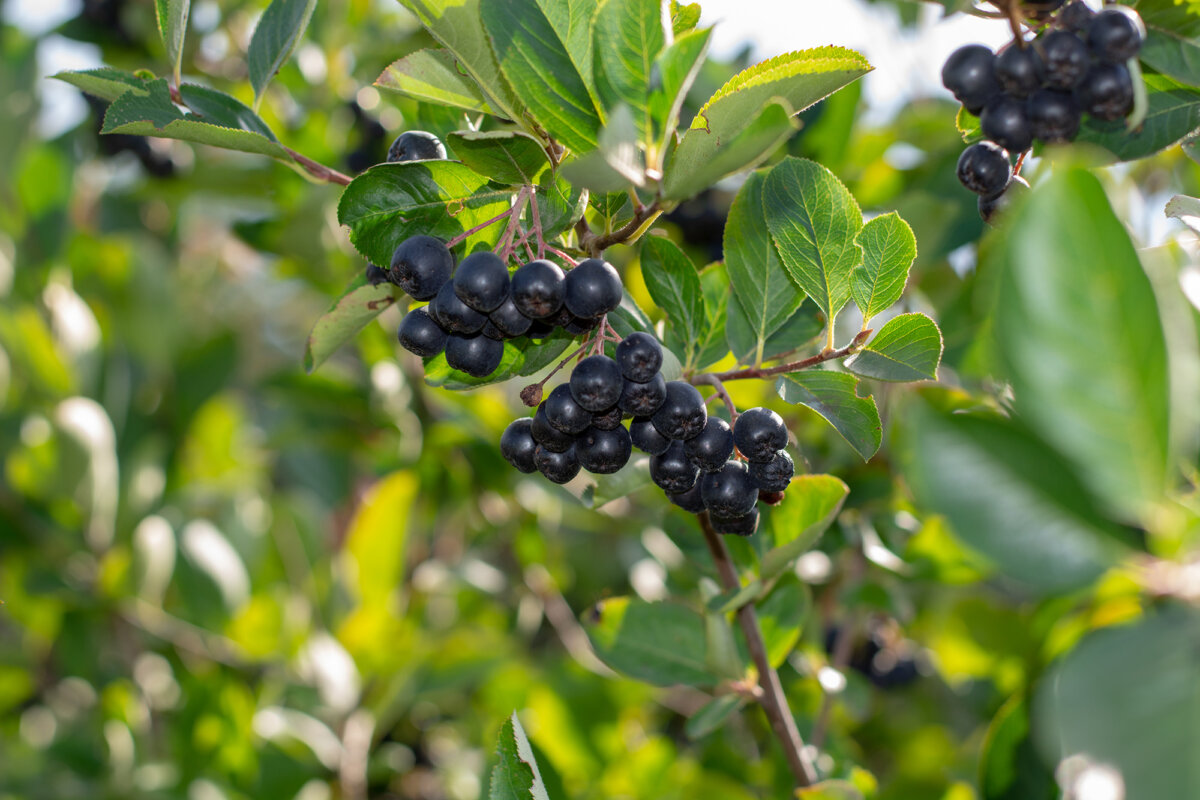
What’s their great horticultural distinction? They are riparian plants and naturally favor streambanks and other wet locales in their native East Coast range. One corner of my garden is saturated nonstop from December through April, and in this forlorn patch of ground, I killed two roses, a mock orange, and a beauty bush. Forlorn no more: I planted two aronias, which have thrived as though they are fish.
Very few garden plants can stand up to nonstop saturation. That aspect of their nature means that aronias do poorly in dry ground, although you can cut back on water and let them go semi-dormant after bearing fruit. In late September, the result is a fiery display of crimson and pomegranate leaves that is Christmas card worthy.
I tried aronias on a lark. I didn’t realize that I was adding a near-miracle to my garden. Unless you’re in a true desert climate, you can, too.
Tayberries, the Scottish Treasure
Oh, the wonders nature creates with her ancient homegrown test-tube tactic, hybridization. I have seven berry varieties in my garden, and four are blackberry-raspberry crosses. Tayberries are a Scottish cane berry that’s my favorite for fresh eating … say, in a bowl of morning cereal.
Like marionberries and their many cousins, tays grow on biennial canes that must be trained to a trellis. The canes grow one year and bear fruit the next, so at any given time, you have two generations of 6-foot to 9-foot canes on the wires. The berries start ripening in late June, and the season runs five to six weeks. The taste has a dense tang that reminds me of pomegranates.
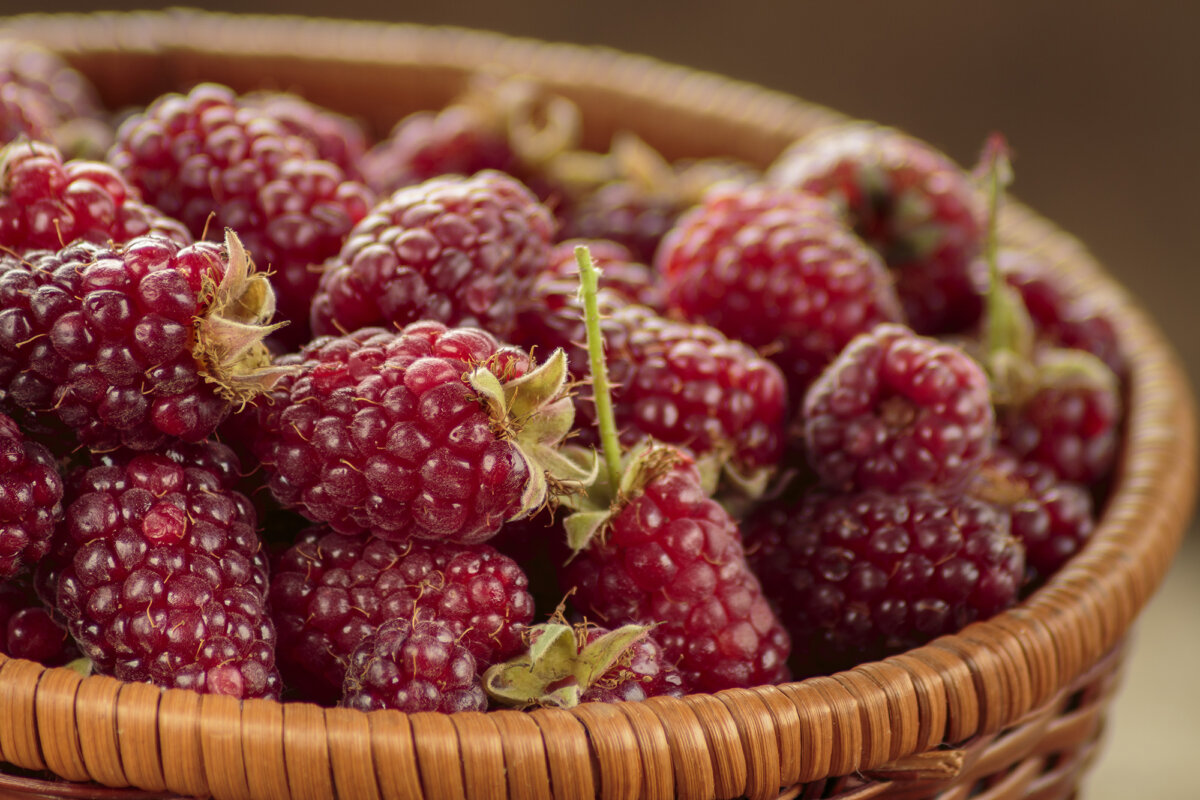
Challenges include the fact that, as you’d expect for a plant from Scotland (named for the River Tay), they are more water-dependent than marions, logans, and boysens, their cousins. Like marionberries, tayberries have wicked thorns; you must wear gloves to handle the plants. Perfect ripeness lasts a day, so you’ll have to pick daily to get the best fruits.
I suspect that they wouldn’t do well in a truly hot climate such as Texas or most of California. Maybe not in subzero climates, either. Otherwise, plant them, trellis them, water them, and pick your treasure from the banks of the Tay.
Quince, the Ancient European Mainstay
What’s the point of a fruit if you can’t eat it fresh?
Quince fanciers such as me happily say, “Oh, who knows? Why don’t you just let me have yours?” When raw, these lovely lemon-colored light-bulb-shaped fruits are inedible: leathery, astringent, and a bit bitter. You might as well chew shoes. But when cooked, they make an applesauce-like compote whose sub-acid flavor and rose-quartz color are uniquely delightful.
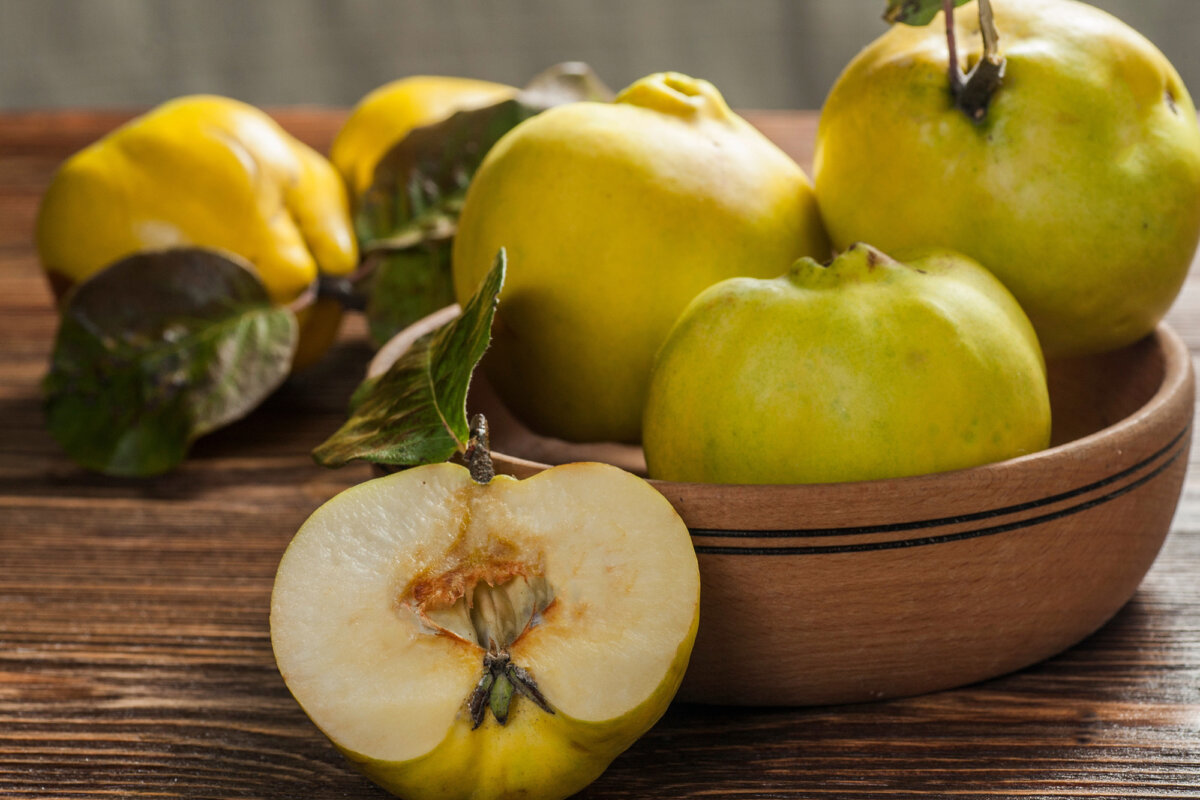
Cousins of pears and apples, quince trees are hardy and handsome, with large forest-green leaves, and once established bear massive crops of fruits in good years, ripening in October. If you aren’t ready to cook up to 50 pounds of quince tonight, they can be stored in boxes in the garage or barn for more than a month. Just check them periodically and toss any fruits starting to rot, just as you would with apples.
Quinces also make a sensational addition to a batch of apple cider, deepening and sharpening the already fine flavor.
Figs, the Divinely Delicious Fresh Delight
Is there anything better than a fully ripe fig picked right off the tree? Possibly a mango, but that tropical delight cannot be grown in most of the United States, while some kinds of figs are hardy down near zero degrees Fahrenheit.
Fig trees are vigorous growers and can reach 20 feet in fewer than 10 years in ideal situations—basically, loamy soil and adequate water. Often thought of as arid-land plants, they aren’t as drought-resistant as cacti; most figs in arid areas such as inland California, where they have naturalized, grow where there is at least underground water half the year.
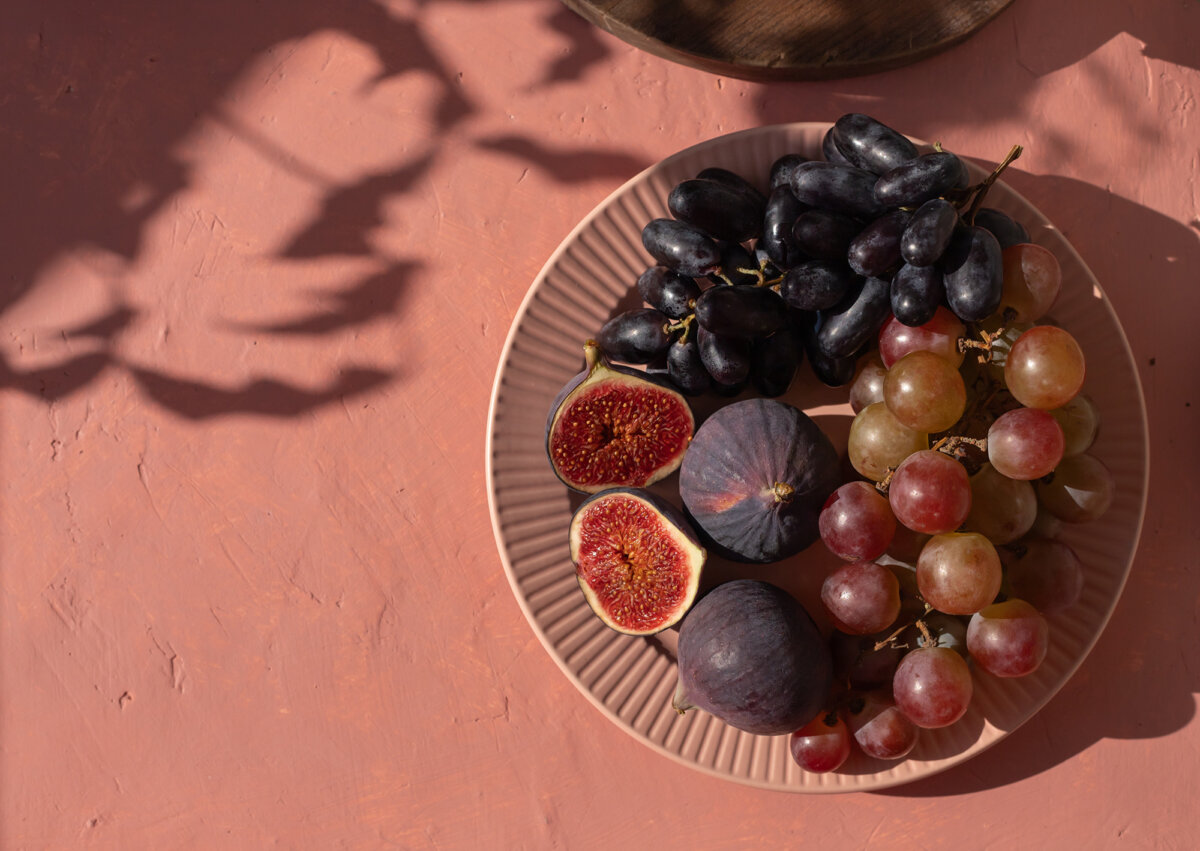
The dozens of varieties differ in color and hardiness. The most common and widely adapted is called Desert King, a misnomer as it’s quite happy in wet-winter locales such as my island farm; it’s a light chartreuse when ripe, with violet flesh. The dark-purple Mission figs you find in stores are less cold-hardy. If you’re in a northern latitude, plant a fig next to a south-facing wall and cross your fingers for the first couple of winters. Once mature, the trees can better withstand an occasional hard freeze.
In most areas, they ripen in late July or August and are literally the most luscious fruits you can have in your garden. You may find your spouse sneaking them without prior notice. I have no advice on that.
Lingonberries, Scandinavia’s Fall Treat
Say “lingonberry” to people with Scandinavian ancestry, and happy smiles evince the deep cultural significance of these tiny, vermilion fall berries. Yes, they are very similar to cranberries (to which they are related), and they are grown, harvested, and used similarly. In the Baltic region, they are ubiquitous on the dinner table, where a dish of lingonberry sauce accompanies most meals, especially in autumn and especially if it’s game such as venison, with which it pairs perfectly.
I find them better than cranberries, although their cultural requirements are similar and their culinary uses are almost identical. Lingonberries stand up to drought a bit better than cranberries, as in Scandinavia, they are most common in the dry pine woodlands of Sweden, Finland, and Baltic lands. A closely related lingonberry species is found in Alaska and northern Canada, where it was (and is) a keystone food for indigenous peoples.
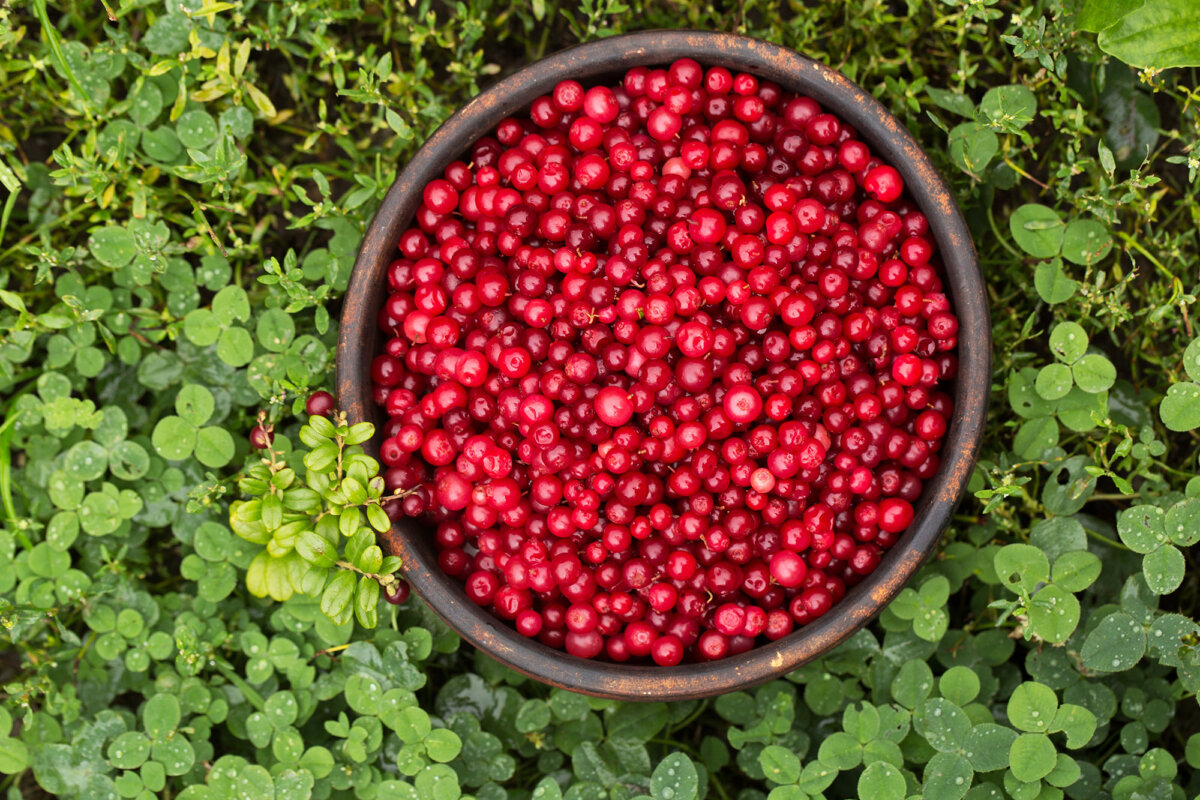
Horticulture is simple: Give the plants reasonably well-drained, average ground. If it’s a bit sandy, that’s great; dense clay would be bad. Water regularly but not excessively, as if they were tomatoes. The plants form a thick ground cover and, once mature, bear a light midsummer crop and a heavy late-September crop of rather small, vermilion berries that, while tiny, pack buckets of flavor. When cooked, the color is brighter and the flavor deeper than cranberries.
Kitchen use is incredibly simple: Simmer them with a tablespoon of water for 5 to 10 minutes, add a tablespoon of honey or sugar, let cool, and presto! There’s your dish of classic Scandinavian lingonberry sauce. Now go out back, harvest some venison, and set the sauce on the table next to the tenderloin. Just kidding!
That’s what you’ll find in Norway, Sweden, and Finland. Here in the United States, lingonberries are the perfect accompaniment to lamb, duck, standing rib roast and, yes, turkey. The flavor is stronger and a tad more bitter than cranberries. After a few years, you’ll wind up with buckets of berries; what you don’t use right away freezes well and can be cooked up any time all winter.
They are super high in antioxidants, so lingonberry fanciers not only live longer, they enjoy it more. Perhaps it’s the key factor in the Scandinavian quality-of-life extravagance; people who place a dish of lingonberry sauce on their supper table are healthier, happier, and good-looking, too.
That’s the whole point of a garden, isn’t it?
