



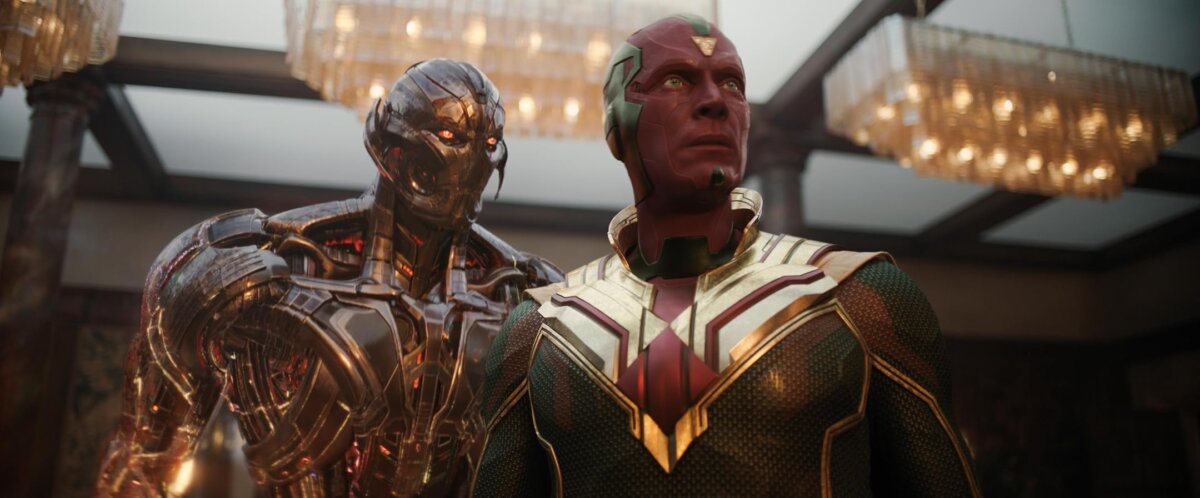
TV-14 | 8 episodes | Superhero | 2026
Vision and the Scarlet Witch are like the Romeo and Juliet of the Marvel Cinematic Universe (MCU). In “VisionQuest,” he is a synthetic person (synthezoid or android).
They are also both dead, sort of. Vision has been rebuilt, but he lacks the emotional capacity of his predecessor, or so he assumes. He is obsessed with the previous Vision’s memories of love for Wanda Maximoff.
Consequently, he doggedly protects the man who appears to be the superheroic couple’s son from an unknown adversary. Creator Terry Matalas’s eight-episode release features an inventive cyberpunk twist on the superhero genre.
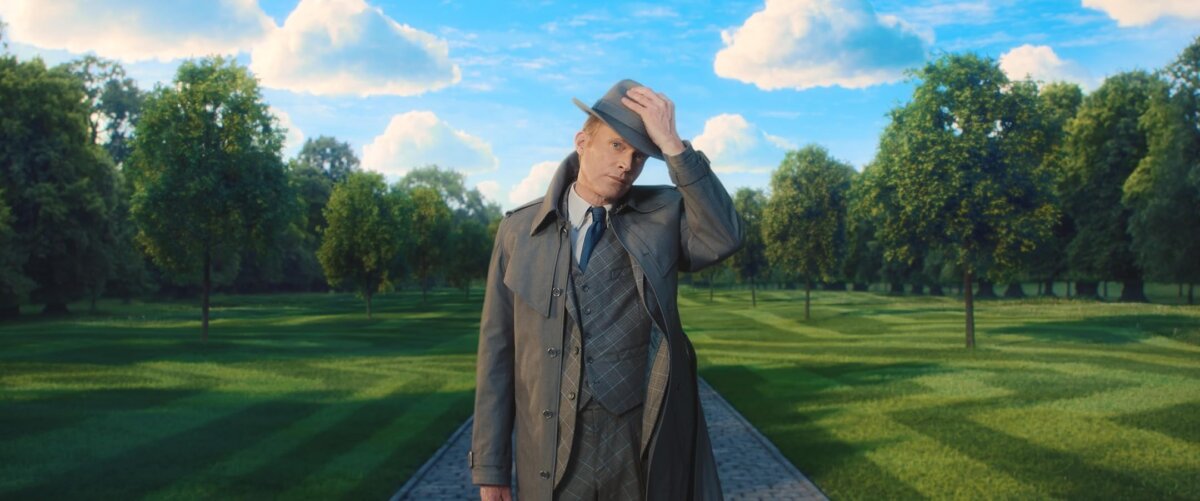
Unfortunately, “VisionQuest” is a prime example of the demanding interconnectedness of the MCU. If you have not watched half a dozen prior films and streaming series, you might want to check out some of the pre-“VisionQuest” recaps posted online, which run about 15 minutes.
Convoluted Backstory
To oversimplify the convoluted backstory, Vision (Paul Bettany) and Scarlet Witch, a.k.a. Maximoff (Elizabeth Olsen, seen only in flashbacks) were Avengers who fell in love, but he died (twice) fighting Thanos during “Avengers: Infinity War.”
Scarlet Witch presumably perishes in “Doctor Strange and the Multiverse of Madness,” but not before causing a great deal of trouble throughout the streaming series “WandaVision.”
In her grief over Vision’s death, Maximoff transformed a small New Jersey town into a surreal world modeled on television sitcoms. There, she lived with magical constructs of the late Vision and their two idealized sons, Billy and Tommy.
As Maximoff’s sanity crumbled, she searched the multiverse for the perfect real-life Billy and Tommy Maximoff to pull into her universe. Meanwhile, a deep-state government agency rebuilt Vision.
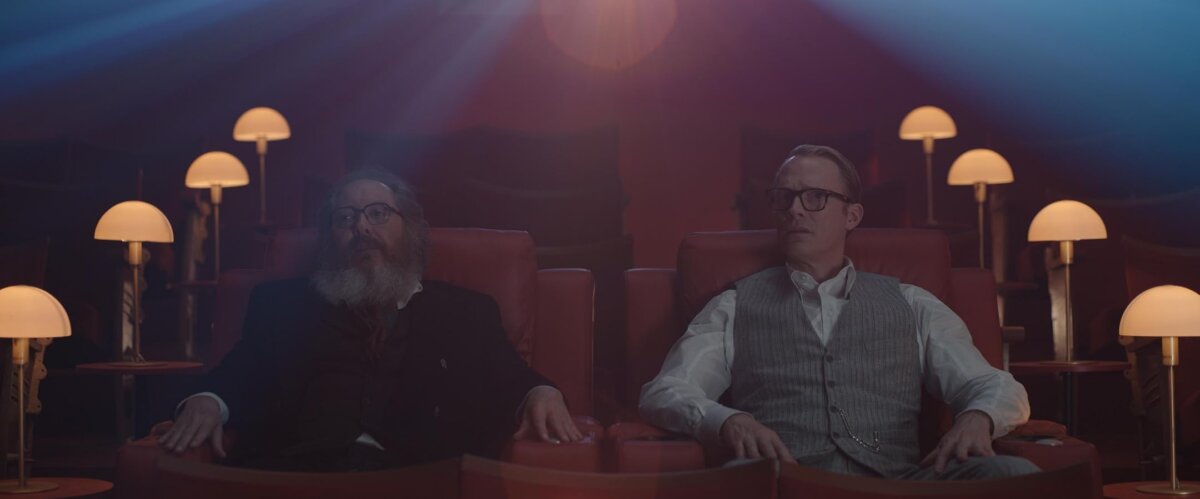
But the new synthezoid retreated from the world, largely living inside his own central processing head. With him were his AI helpers, including his “brother” J.A.R.V.I.S. (James D’Arcy), on whose code Vision’s was partly based.
Episode One
All that and quite a bit more happens well before episode one. When “VisionQuest” properly kicks off, viewers learn the old Vision secretly preserved the AI known as Ultron (James Spader), which went rogue. Ultron attempted to exterminate the entire human race in “Avengers: The Age of Ultron.”
According to the new Vision, his predecessor refused to delete Ultron out of a perverse feeling of attachment; Ultron initially built the old Vision’s synthezoid body to serve as his worker-drone.
Although the unrepentant Ultron constantly attempts to escape from digital captivity, the new Vision seems to enjoy verbally sparring with his curmudgeonly “father.”
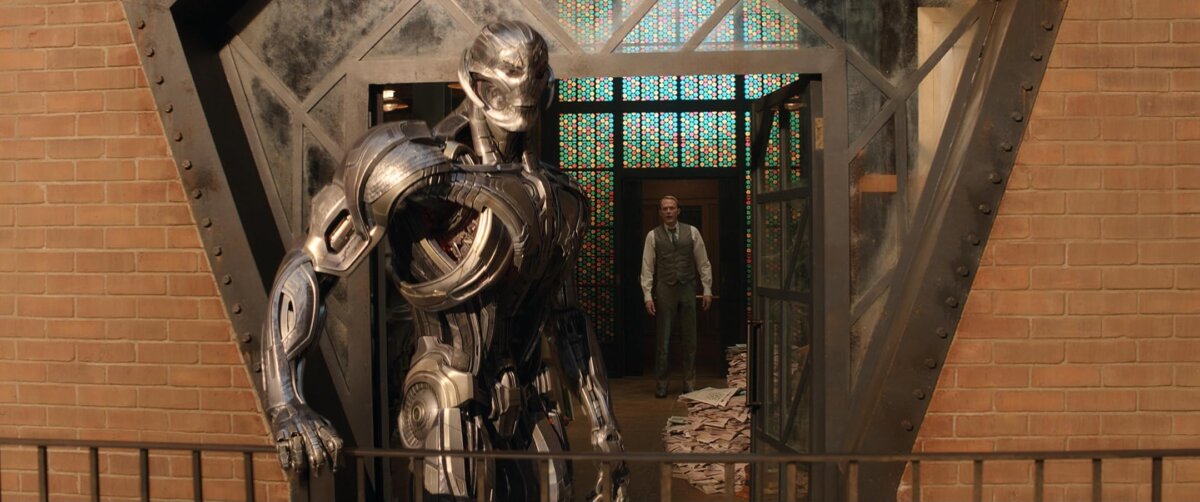
Bounty-hunter Paladin (Todd Stashwick) targets the current Vision at the behest of a mysterious client. Ultron clearly hopes to capitalize on the ensuing chaos. Further complicating the situation, Vision must also protect the innocent Thomas Shepherd (Ruaridh Mollica), when Paladin tries to use him as leverage against the synthezoid.
Shepherd might actually be the Tommy Maximoff whom the Scarlet Witch plucked out of an alternate universe. Despite his protectiveness, Vision struggles with the emotional implications of their not-quite father-and-son relationship.
Striking Production
If you are still confused, you only need to watch four films and two streaming series to be thoroughly prepared for “VisionQuest.” It’s a shame Vision’s solo series is so deeply enmeshed with the MCU previous output, because it is Marvel’s most visually striking production in years.
Matalas and the production design team create a fascinating digital world. In some ways, “VisionQuest” achieves a similar sense of cyber-based otherworldliness as the original “Matrix” did when it was new and fresh.
There is also something deeply compelling about the new Vision’s efforts to experience his predecessor’s emotions. The series often aptly references the Tin Man from “The Wizard of Oz” and “Pinocchio” with regard to Vision’s drive to become more human, or at least more like the old Vision.
There are also weighty themes of family, grief, responsibility, and redemption, which Matalas and the battery of co-writers handle with surprising deftness.
Bettany compellingly portrays Vision’s internal struggle with his own nature. Likewise, T’Nia Miller forcefully conveys the tragic pain fueling the rage of Jocasta, an antagonistic synthezoid, who might share a secret connection to Vision and Ultron.
As usual, Spader is slyly entertaining as the flamboyantly villainous Ultron. In the form of his bearded human avatar, he looks like a cross between David Letterman and Tom Baker’s Doctor Who.
Stashwick’s gritty anti-hero performance as Paladin also adds a distinctively hardboiled counterpoint. Unfortunately, some of Vision’s AI servants often veer into regrettable shtick, particularly Emily Hampshire as thrill-seeking E.D.I.T.H.
“VisionQuest” nearly buckles under the crushing weight of the MCU’s baggage. In many ways, it is the smartest Marvel show in years, but it is completely incapable of standing alone.
The timing is also odd. This series launches two months before “Avengers: Doomsday” opens in theaters, but the final episode feels like it was conceived as the capstone to the entire “Avengers” saga.
The psychological complexity is impressive, especially for the superhero genre. Recommended for Marvel loyalists and cyberpunk fans willing to study up on the characters’ complicated MCU histories.
“VisionQuest” streams on Disney+.
VisionQuest
Directors: Christopher J. Byrne, Gandja Monteiro, Vicenzo Natali, Terry Matalas
Starring: Paul Bettany, James Spader, T’Nia Miller, Todd Stashwick, James D’Arcy
Rating: TV-14
Running Time: 8 episodes (approximately 50 minutes each)
Release Date: Oct. 14, 2026
Rated: 3 1/2 stars out of 5
What arts and culture topics would you like us to cover? Please email ideas or feedback to features@epochtimes.nyc
