



American inventor Thomas Edison once said, “Genius is 1 percent inspiration, 99 percent perspiration.” Some of classical music’s historic composers, from Ludwig van Beethoven to Gustav Mahler, are ideal examples of this mindset.
We often think of classical musicians in sedentary roles—sitting and practicing for hours at the piano or lying awake at night waiting to be struck by the muse. But quite a few took a much more physical approach to their work. To be a maestro of strings and keys, one must walk before one plays.
Creativity in Action
In an 1878 letter, a 37-year-old Pyotr Ilyich Tchaikovsky wrote to an acquaintance about his artistic process, explaining the importance of passion and inspiration in composing.
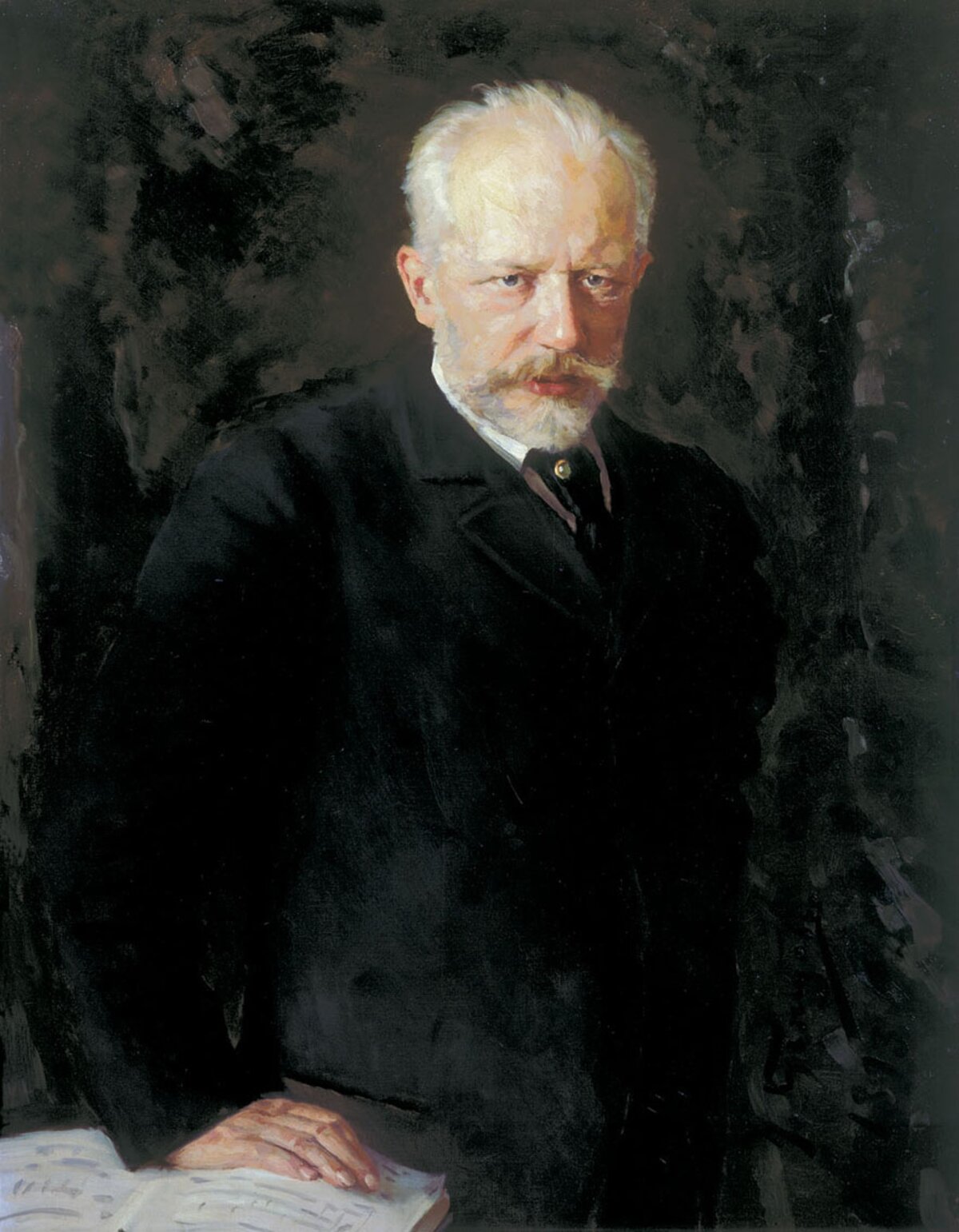
“The only music capable of moving and touching us is that which flows from the depths of a composer’s soul when he is stirred by inspiration,” he explained in an excerpt featured on the creative site The Marginalian.
Regarding inspiration, he wrote, “This guest does not always respond to the first invitation.”
“We must always work, and a self-respecting artist must not fold his hands on the pretext that he is not in the mood,” he wrote. “If we wait for the mood, without endeavouring to meet it half-way, we easily become indolent and apathetic. We must be patient, and believe that inspiration will come to those who can master their disinclination.”
For the gifted pianist, inspiration was found during his daily walks, consisting of one each morning lasting about 45 minutes, followed by another afternoon stroll after lunch, no matter the weather. Even during periods of writer’s block (isn’t it comforting to know even the greats had dry spells?), he didn’t let his frustrations give way to “idleness,” he explained in the letter. After one particularly rough bout of uninspired work, he finally broke through to the other side.
“But my patience and faith did not fail me, and to-day I felt that inexplicable glow of inspiration … thanks to which I know beforehand that whatever I write to-day will have power to make an impression, and to touch the hearts of those who hear it,” he wrote.
These “walking composers,” as they’re often called, understood that physical exertion combined with observation of the natural world was a surefire combination to drum up fresh melodies.
‘The Four Seasons’

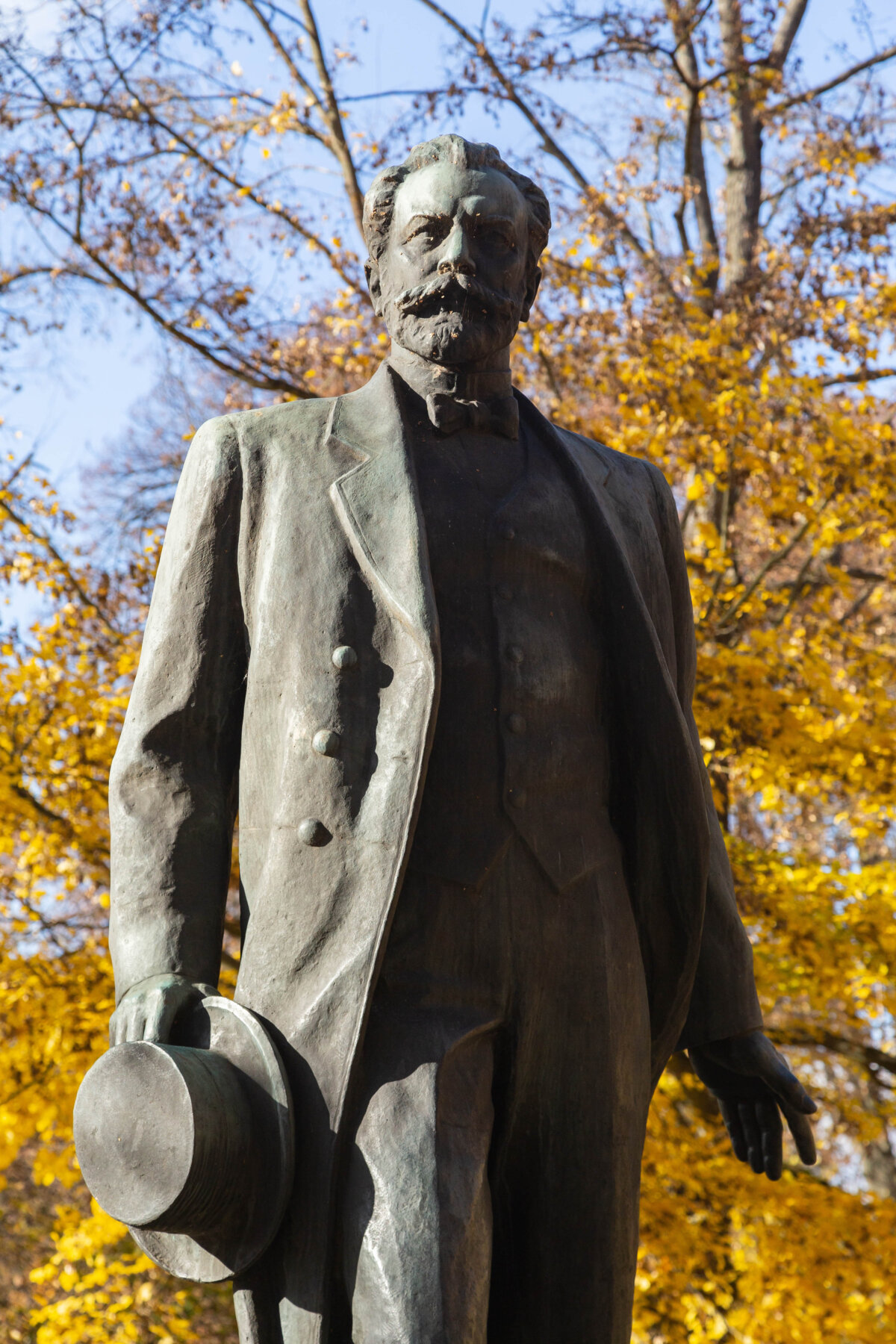
Tchaikovsky was in good company with this philosophy. Antonio Vivaldi was another composer who drew from nature’s well of inspiration. It’s most evident in his classic work “The Four Seasons,” which brings to life through music the arrival of spring and summer and the depths of winter and autumn.
“Written in 1723, this majestic concerto is surely one of Antonio Vivaldi’s most famous programmatic works and each of its four movements corresponds to a different season,” music site Classic FM reads. “The Baroque composer liked to observe his surroundings while walking and translated this into beautiful music.”
The piece features instruments mimicking sounds Vivaldi heard in his natural surroundings, from rain and birds to barking dogs.
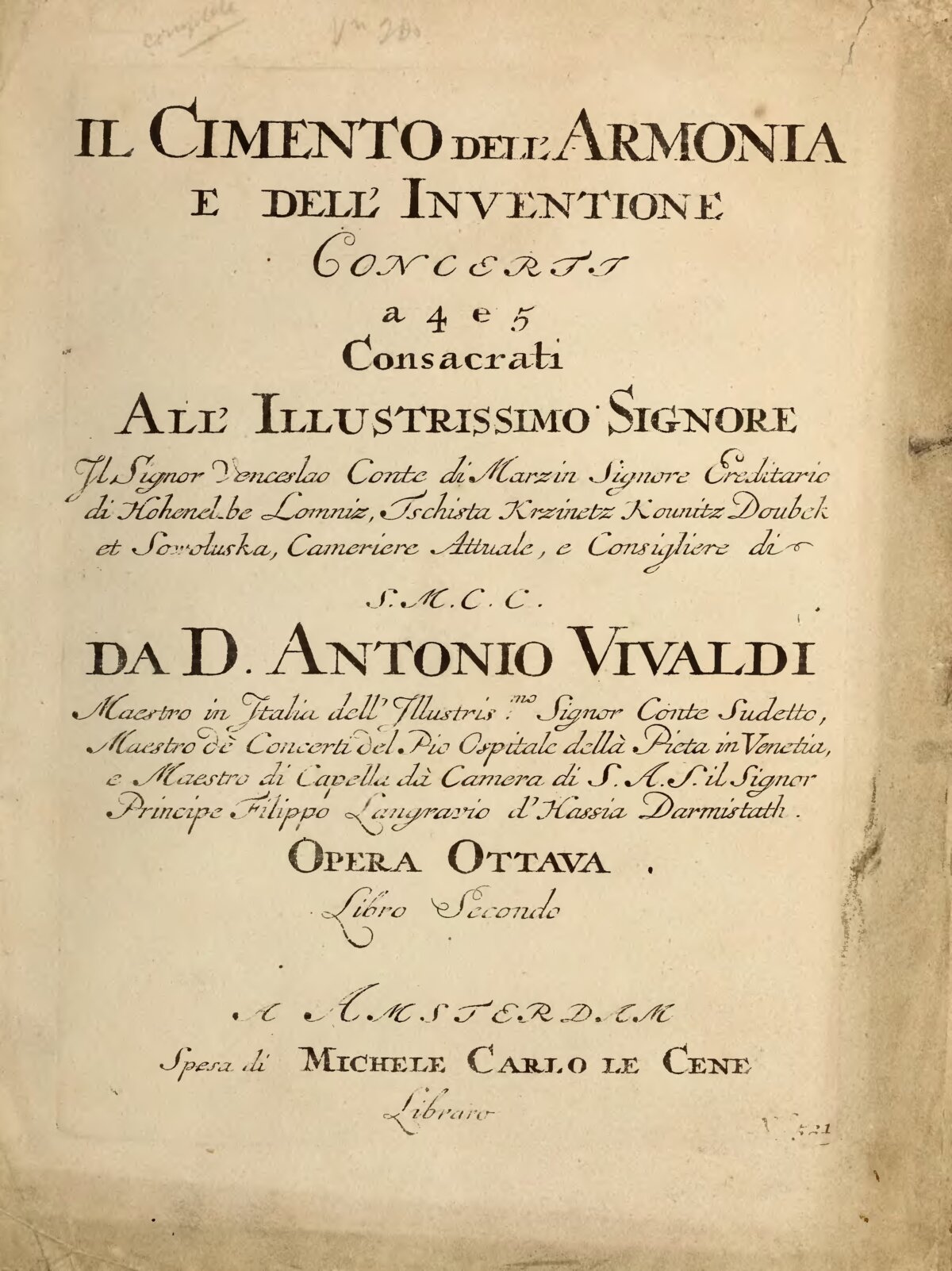
Like Vivaldi’s, Mahler’s muse could be found in nature, where he took marathon walks lasting three or four hours. He brought along a notebook to document ideas for compositions and to plan his musical projects.
Beethoven’s Vienna
Beethoven was also a lover of nature, and Vienna—the bustling arts capital of the Austrian Empire—provided plenty of inspiration.
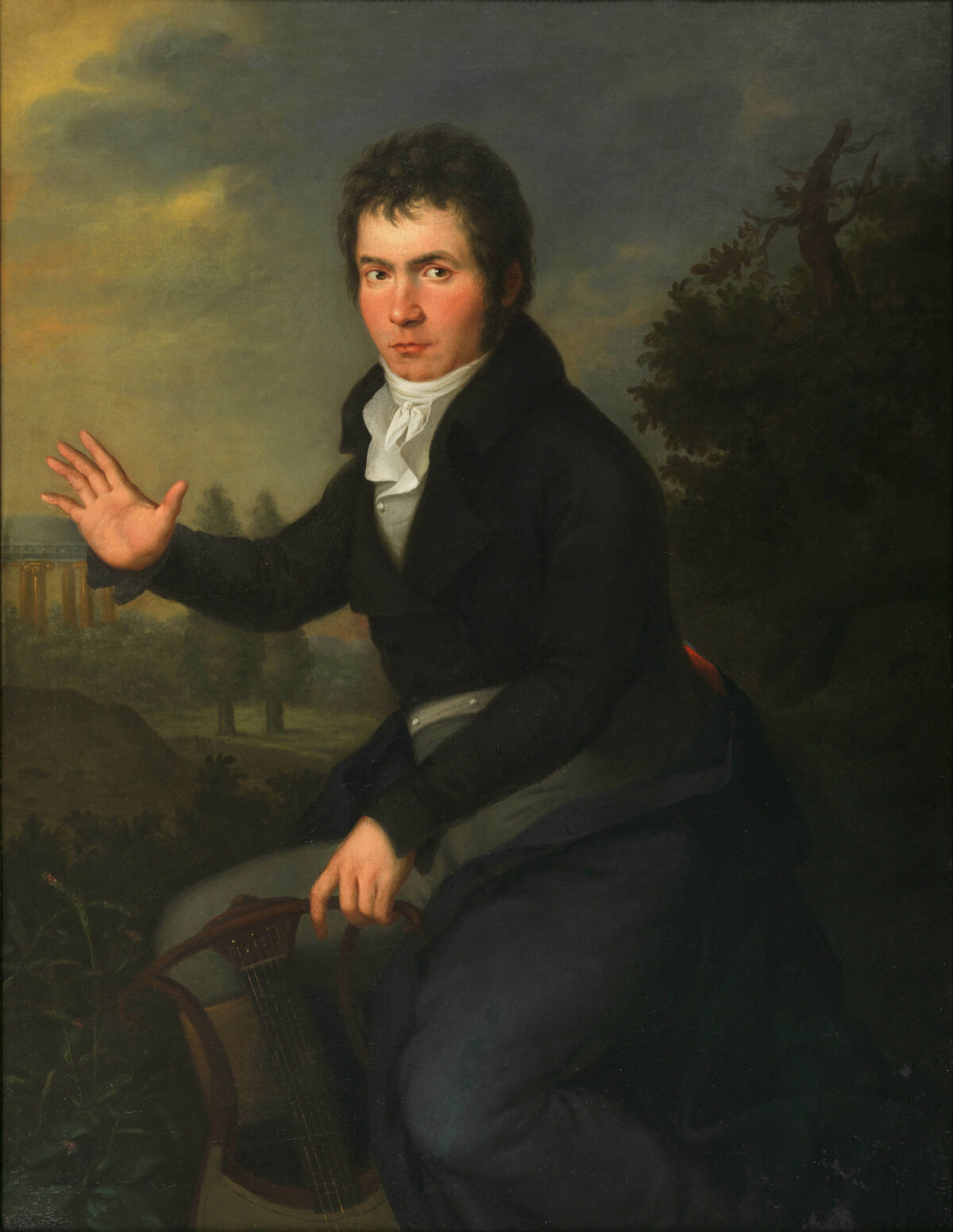
“Beethoven … went for vigorous walks through the forests and hills surrounding Vienna after lunch,” shares classical music magazine Interlude.
Like Mahler, he brought a notebook and pencil to jot down melodies and ideas as they came to mind.
The area’s natural landscape influenced some of his most popular works, such as the nature-focused Symphony No. 6.
“Completed in 1808, its five movements contain programmatic content intended to depict the rural surroundings Beethoven encountered on his walks—including a scene by a brook and a merry gathering of locals,” Classic FM states.
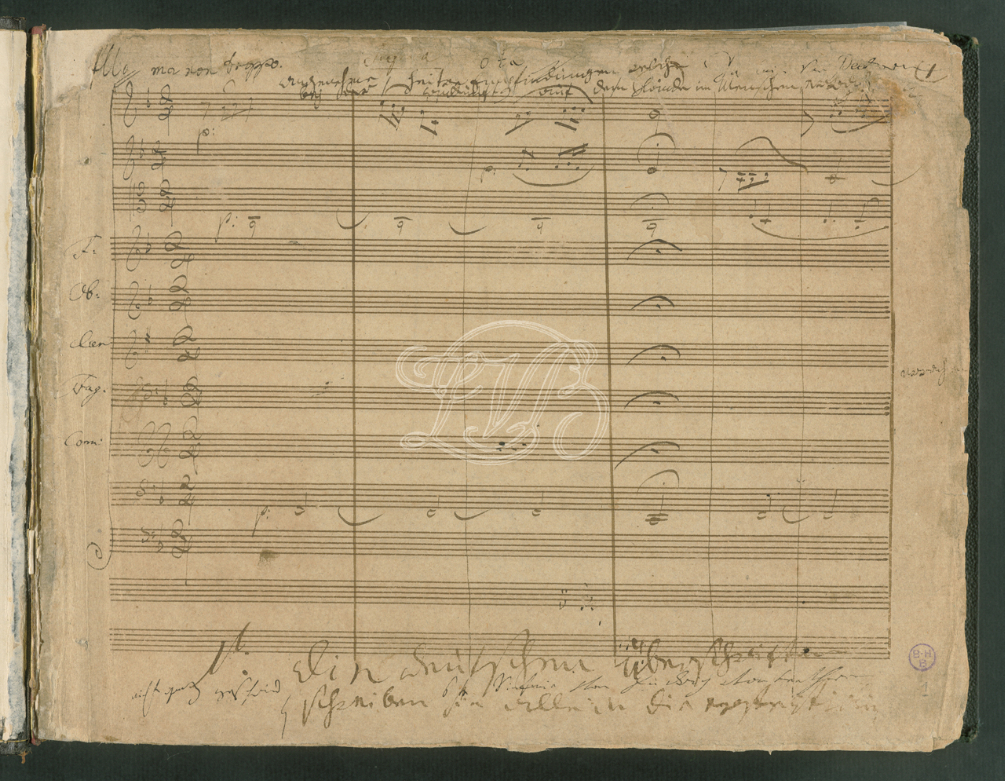
Daily walks weren’t the only way the “Ode to Joy” composer kept creative juices flowing. Beethoven was one of history’s most physically intense classical artists, often breaking piano strings and wearing out his instruments because of his passionate playing. He frequently worked for hours without rest. When he felt his mind tiring, he used a form of water therapy to reinvigorate his senses. Those closest to him spoke of the peculiar habit in letters and journals.
“Early biographer Anton Schindler wrote that Beethoven often kept a basin of water nearby. When inspiration stalled, he would lean over the basin and pour water over his head, letting the shock of the cold help him regain focus,” California-based La Mirada Symphony stated.
One of his students was surprised the laser-focused composer didn’t even take time to dry off before getting back to work.
“Beethoven’s student Ferdinand Ries noted that the composer sometimes rushed to the piano immediately afterward, his hair still dripping, eager to capture musical ideas before they faded,” the site states.
A Universal Creativity Hack
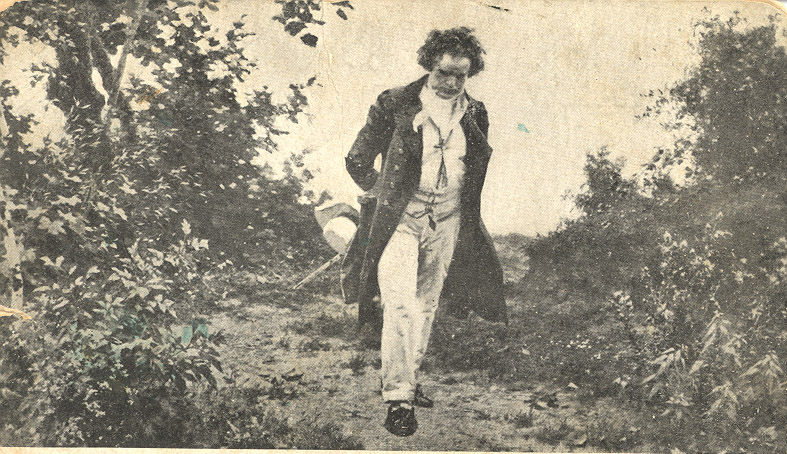
American artist Chuck Close once said: “Amateurs sit and wait for inspiration. The rest of us just show up and go to work.” For walking composers such as Tchaikovsky and Beethoven, getting to work meant taking a walk first, an activity anyone can use as a creativity hack, no matter one’s occupation or goal. And if a walk doesn’t summon the muse, fear not. Take a page out of Beethoven’s playbook and try a little water therapy—a polar plunge might just do the trick.
What arts and culture topics would you like us to cover? Please email ideas or feedback to features@epochtimes.nyc.
