By Angie Hicks
Ask Angi
For many homeowners, the kitchen is the heart of the home, making it one of the most rewarding rooms to renovate.
That sentiment is reflected in Angi’s International Homeowners Study, where homeowners across every country surveyed ranked the kitchen as the second most important room in the home.
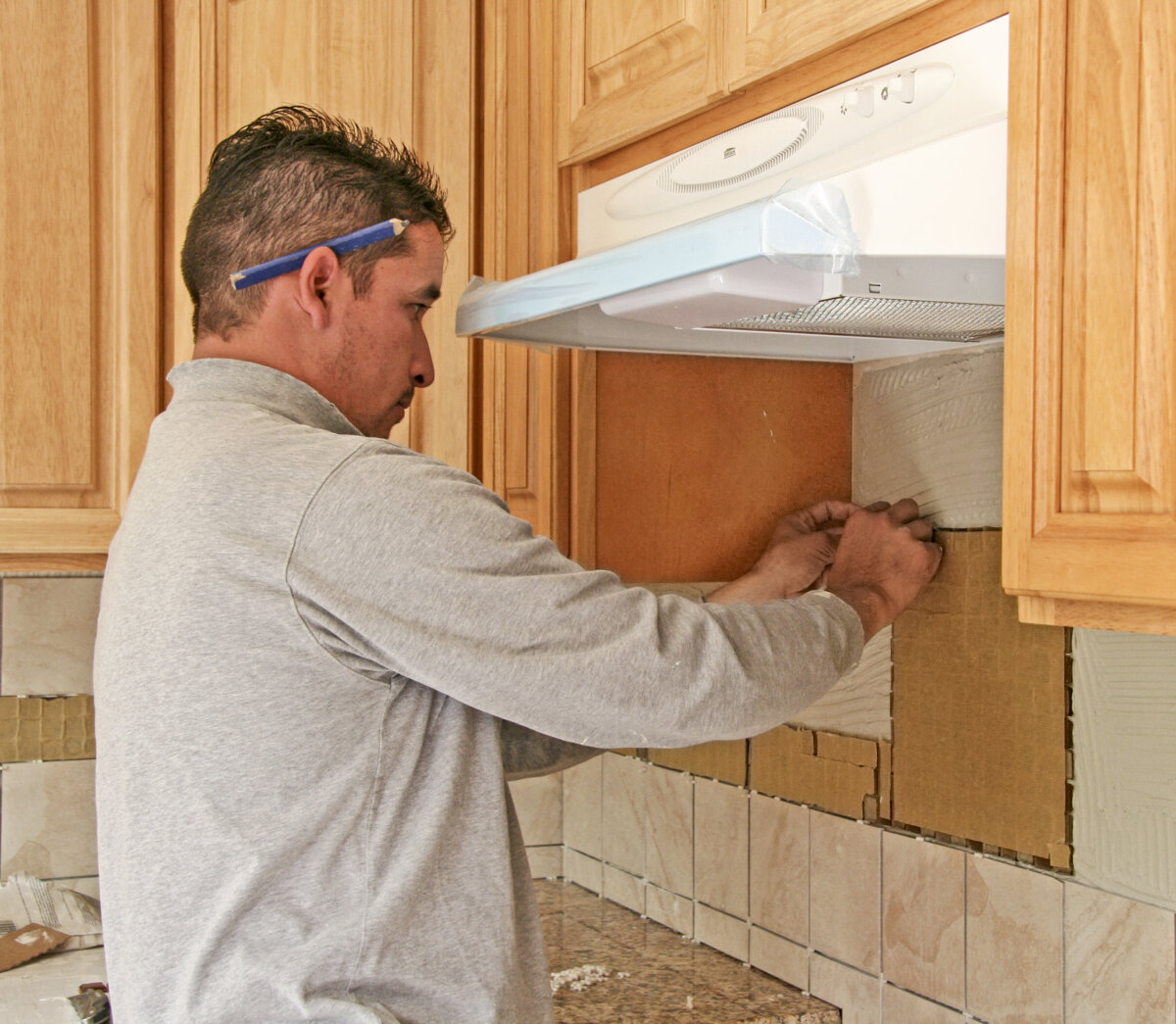
But because kitchen remodels involve everything from cabinetry and appliances to plumbing and electrical work, they’re also one of the most complex home improvement projects. Taking time to plan before construction begins can help homeowners avoid costly surprises and keep the project running smoothly.
Start by defining your goals and setting a realistic budget. Before selecting finishes or appliances, think about how you use your kitchen every day. Do you need more storage? Better lighting? Additional prep space? Prioritizing the improvements that will have the biggest impact on your daily routine helps ensure your budget is spent where it matters most. It’s also smart to reserve an additional 10 percent to 20 percent of your budget for unexpected expenses, especially if you live in an older home where hidden plumbing, electrical or structural issues may be uncovered during demolition.
Next, decide whether your current layout is working for you. While moving a sink, stove or refrigerator can completely transform a kitchen, relocating plumbing, gas or electrical lines can significantly increase both the cost and timeline of a remodel. If your existing layout functions well, updating cabinets, countertops, flooring, and lighting can often deliver a dramatic transformation without the added expense of relocating major systems.
Homeowners should also make product selections early. Cabinets, countertops, and appliances often have longer lead times than expected, and waiting until construction begins to order materials can delay the entire project. Finalizing these decisions before demolition helps contractors stay on schedule and reduces the likelihood of costly interruptions.
When designing your new kitchen, remember that functionality should be just as important as style. Features like deep drawers, ample countertop space, layered lighting and durable, easy-to-maintain materials can make the kitchen more enjoyable to use every day while standing up to years of wear and tear. A well-designed kitchen should work for your lifestyle first and trends second.
If you’re hiring a contractor, get multiple estimates, verify licensing and insurance, and ask for references from recent kitchen remodeling projects. A detailed written contract should clearly outline the project scope, payment schedule, estimated timeline and how changes will be handled if unexpected issues arise. Taking these steps upfront helps protect both your investment and your peace of mind.
Finally, prepare for life during construction. Most kitchen remodels take several weeks, and homeowners may be without a fully functioning kitchen for much of that time. Setting up a temporary kitchen with essentials like a microwave, coffee maker, and small refrigerator can make the renovation far less disruptive while your new space comes together.
A kitchen remodel is one of the best investments homeowners can make, both for everyday living and long-term home value. With careful planning, thoughtful design decisions and the right professionals, homeowners can create a kitchen that serves their family well for years to come.
Tweet your home care questions with #AskingAngi and we’ll try to answer them in a future column. Copyright 2026 Ask Angi. Visit at angi.com. Distributed by Tribune Content Agency, LLC.