
In most instances, parents teach children. But in a few important ones, children sometimes teach their parents. Of course, lessons fly off a child like scattered droplets of dew as he runs through the grass. A child teaches because of what he is, without guile or disguise. His fresh young self, glowing in the spring of life, is itself the lesson. He knows and lives things that his parents have forgotten and need to be reminded of.
A child lives in a world of wonder. For him, everything is new and nothing is stale. His enthusiasm over seeing a large bird or a construction crane can be as infectious as his laugh—if his parents open themselves up to it. For him, the world hasn’t yet lost its shine; nothing is dull or contemptible through familiarity and repetition. His vigorous young soul has the strength to endure repetition (“Let’s read it again, Mom!”) without growing bored. If his parents are receptive, he can teach them that good things are worth repeating.
G.K. Chesterton saw something almost divine in this tendency of childhood toward repetition. He wrote in “Orthodoxy”:
“Because children have abounding vitality, because they are in spirit fierce and free, therefore they want things repeated unchanged. They always say, ‘Do it again’: and the grown-up person does it again until he is nearly dead. For grown-up people are not strong enough to exult in monotony. But perhaps God is strong enough to exult in monotony. It is possible that God says every morning, ‘Do it again’ to the sun; and every evening ‘Do it again’ to the moon. … It may be that He has the eternal appetite of infancy; for we have sinned and grown old, and our Father is younger than we.”
Appreciating Small Things
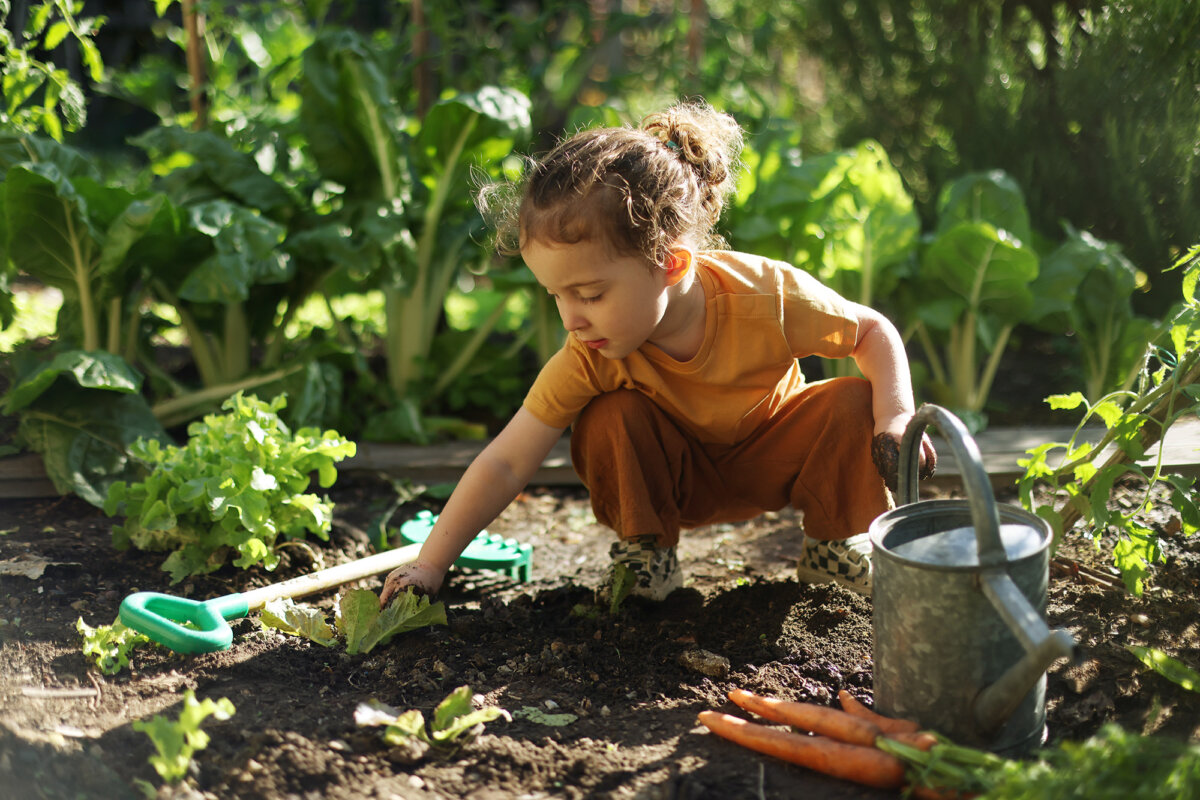
To be in a state of wonder means to be drawn out of oneself in joy, admiration, and even a kind of fear in the presence of the world’s mysterious beauty. It means fascination with even the smallest, most insignificant things—an anthill, the twitch of a cat’s tail, the way bubbles form in the bathtub. Little children, who aren’t very self-conscious, easily and naturally slide into this state of mind, forgetting themselves as they look with white-rimmed eyes at the moon, a waterfall, or an insect. Meanwhile, adults struggle to break out of self-absorption. Even at the height of admiration, we still have an eye on ourselves, as well as what others are thinking of us. A funny-looking cloud is rarely enough to carry us away in raptures. Not so for the child.
For the child, everything in the world is still a gift, because it’s so new. Everything offers the child another avenue for his curiosity to meander down. He knows that the world is riddled with meaning. He begins to ask his parents “why?” over and over—until they grow tired of it. But he isn’t. It’s a deeply human question to ask. It’s the beginning of wisdom.
Children gravitate toward play. They are less interested in what is useful than in what is fun. Of course, they need to be taught to value the useful, too, but it’s a fault of adulthood to swing to the other extreme and disregard “play” entirely. Play is more than mere entertainment. In its deepest sense, play is rejoicing in the world and in the powers of the imagination; it means doing something just because we can. It involves performing an activity out of sheer delight, not for the sake of getting anything out of it. In its best form, whether in children or adults, play consists of a spirit of appreciation and joy. It resembles artistic endeavor and even religious expression.
Simple Life Lessons From Children
A child’s sense of time is worth meditating on, too. Generally, children live in the present moment. Their youth gives them only a limited view of time, both past and future. This has its drawbacks, as every parent knows—a young child is anguished at waiting a few days for his friends to come over because it feels like an eternity. On the other hand, adults can learn something from this childlike attitude toward time.
Small children don’t dwell on the past, nor do they spend much time envisioning the future. They glide from moment to moment, fully present, fully engaged, ready to embrace whatever the world is offering just then. They aren’t filled with regrets nor paralyzed with fear over what might happen. Many adults could stand to imitate this childlike simplicity because we make ourselves miserable over past and future while the present moment—the only thing we really have—flows through our hands like air, forgotten and neglected.
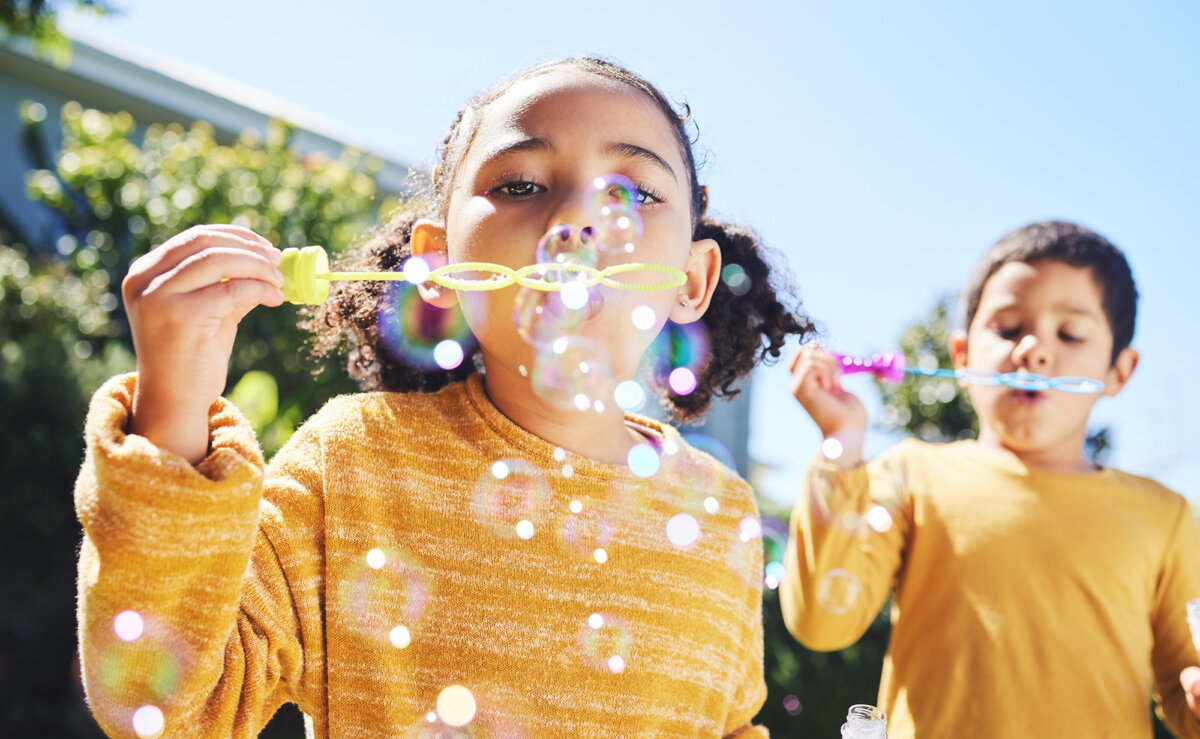
Because the child’s experience is limited and his tastes aren’t mature, he’s content with very little. A piece of candy can transform his day. A sighting of his favorite animal will leave him blissful. Going to the library is a grand adventure. Children need to learn to value more important things than these, to set their sights higher as they grow. Yet, at the same time, they also show us the sweetness of taking joy in the little things, of being content with even the smallest gifts—a trait we tend to outgrow. Moreover, when he’s happy just being with his parents, siblings, and friends, he reminds us of what is truly important.
I don’t mean to paint an overly romantic portrait of childhood. Children have just as many faults as adults, sometimes more, and childhood isn’t the idyllic experience we sometimes imagine it to be. At the same time, children naturally possess virtues that tend to wither in adults—wonder, playfulness, simplicity, and gratitude for the little things. Many adults grow weary of life because they lost these traits. They spend years attempting to relearn these virtues, only succeeding, eventually, in old age. Yet these golden adornments of childhood, when properly balanced, suit adults just as well as children.