



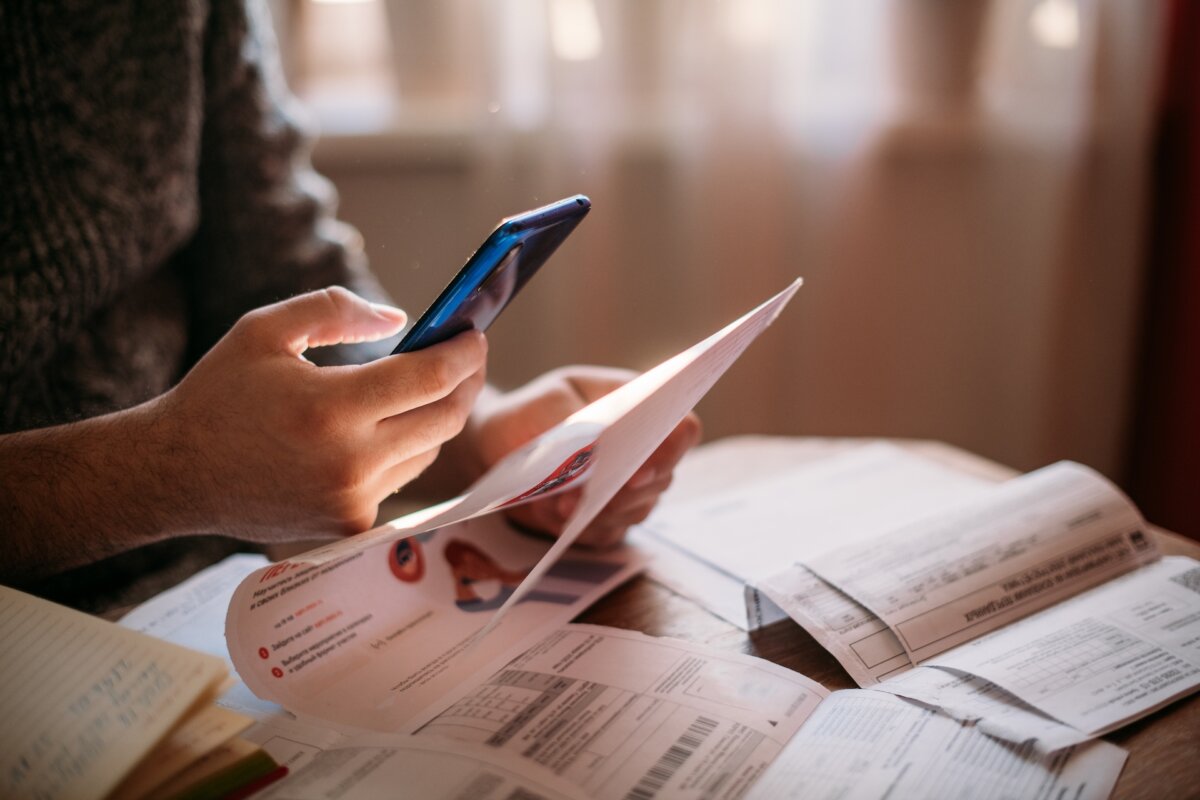
It might be the rising cost of groceries, or perhaps you’ve lost your job or have already been living paycheck to paycheck with no cushy emergency fund to fall back on. For whatever reason, suddenly this month you can’t pay all of your bills.
You’re scared, angry, worried, and overwhelmed. What are you supposed to do right now? Which bills should you pay first, and which ones can slide for a while?
This is not easy. As bleak as things may look right now, you will come through this if you are diligent in following a few simple rules.
Essential Expenses
Here’s a basic rule of thumb, according to the Boston-based National Consumer Law Center in its book “Surviving Debt”: Always pay essential expenses first. If any money is left, you can decide how to allocate that to nonessential obligations.
An essential expense represents a serious obligation that, if not paid, could produce immediate, severe, or even life-threatening consequences. Do not make payments on nonessential expenses and debt when you have not paid essential expenses, even if your nonessential creditors are breathing down your neck with phone calls and threatening messages.
I am not suggesting that you should just walk away from your financial obligations. You must pay your creditors; you must pay your bills. It is not ideal to let some of your bills slide, but your situation is what it is. Your resources are severely limited. For now, you need to know how to get through this month.
Basic Food
You need food. The consequences of not eating are severe! However, even though it’s essential, keep your food expenses to the absolute, bare-bones minimum. You don’t eat steak three times per week when you can’t pay the water bill. Now is the time to pull in every tactic to feed your family on a shoestring.
Unavoidable Medications
You may be able to forgo nonessential “medications” such as food supplements, vitamins, etc., for now. But that blood pressure medication? Think severe consequences if you stop taking those life-preserving meds. You must cover the expense for essential medications.
Child Support
Paying court-ordered child support is absolutely essential. Not paying can land you in jail. You have no options here that allow for this expense to slide or to go unpaid.
Health Insurance
Keeping your health insurance active is essential. Not keeping your premiums current will result in cancellation. You dare not live without basic health insurance.
Rent or Mortgage
Always assume that your landlord or mortgage lender will immediately proceed to evict or foreclose if you are late with a payment. You must exercise extreme wisdom here.
Utilities
Next, you should pay the minimum required to keep the heat, lights, and water utility services. Your cable and internet bills are not essential utilities. You should probably cancel them for now. Temporarily use the computers at your local library if you need to be online.
Car Payments
If a car is necessary to keep your job, making the loan or lease payment is the next priority.
Other Secured Loans
Beyond your home and car, debts on furniture, boats, RVs, and expensive electronic gear are likely to be secured. That means that the lender can repossess for nonpayment. While you are in the process of selling these items to get out from under the heavy debt load, you must keep current on all payments.
Unpaid Taxes
If the IRS is about to take your current or future paycheck, bank account, house, or other property, you need to set up a repayment plan immediately.
Nonessential Expenses
A nonessential expense represents an obligation that, if not paid right now, might harm your credit score or require you to make a phone call, making you feel embarrassed, but that will not result in a serious consequence right now. To delay paying on these gives you a short period of time in which you can figure out what to do. It’s not a pass.
Student Loans
Call your federal student loan administrator right away to discover any special deferments or waivers for which you may qualify. If yours are private loans, call that lender immediately! Perhaps you will have a similar kind of forbearance or deferment opportunity.
Credit Cards
If you fall behind on these debts, you will trash your credit score, lose credit privileges, pay horrendous late fees, and, if the debt is unusually high, you may be sued. But you won’t lose your home. You can recover. The consequences will not be immediate.
Personal Loans From Friends and Family
You should feel a moral obligation to pay, but these creditors will likely be the most understanding of your situation. Don’t hide. Do the right thing, and contact this person immediately to set up a face-to-face meeting.
Medical, Legal, and Accounting Bills
While these debts are real and will be paid eventually, they are rarely essential unless you are still receiving treatment.
During this devastating time, don’t allow your emotions to dictate how you distribute the money you have. Do not let your creditors set the agenda. Be courteous and respectful yet assertive. Do not make promises you cannot keep. Do not hide; do not lie. Above all, do not take your situation personally. And when your situation turns around (it will!), keep the promises that you have made to your creditors, your family, and yourself.
Dear Readers: We would love to hear from you. What topics would you like to read about? Please send your feedback and tips to features@epochtimes.nyc.
