
Let’s begin with a single word: tacky.
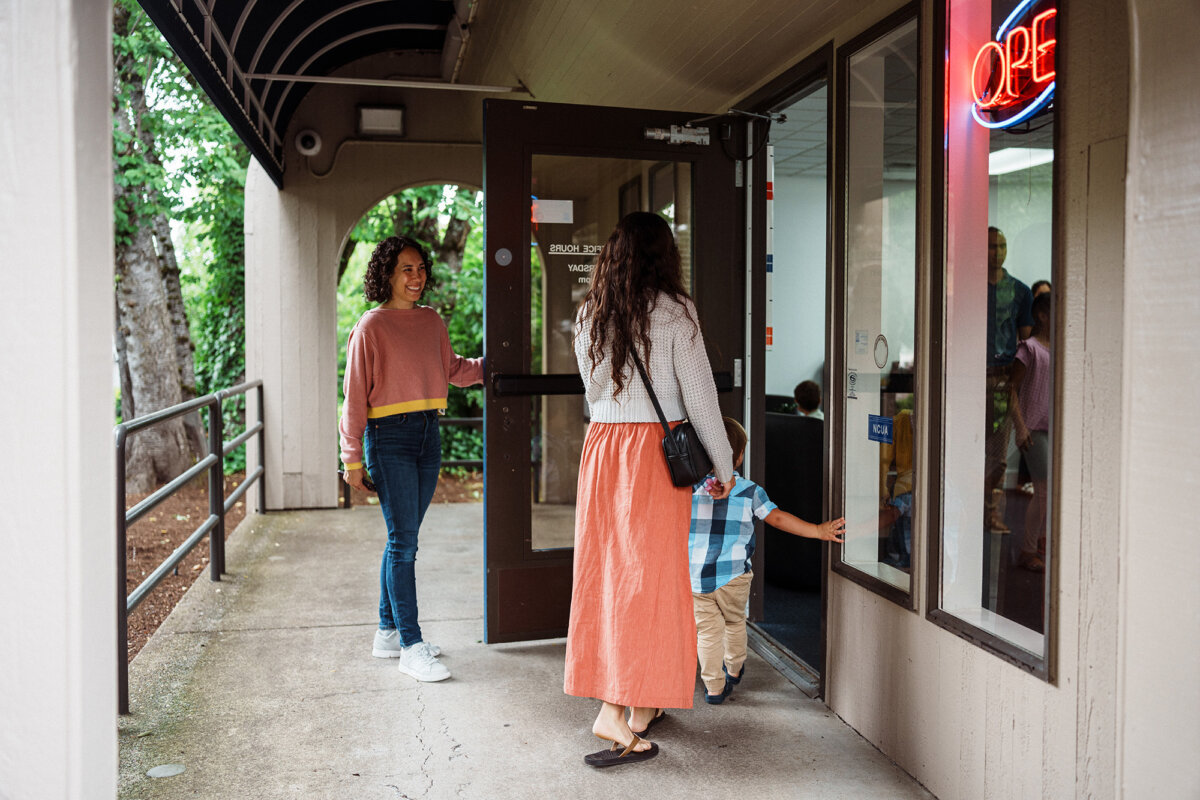
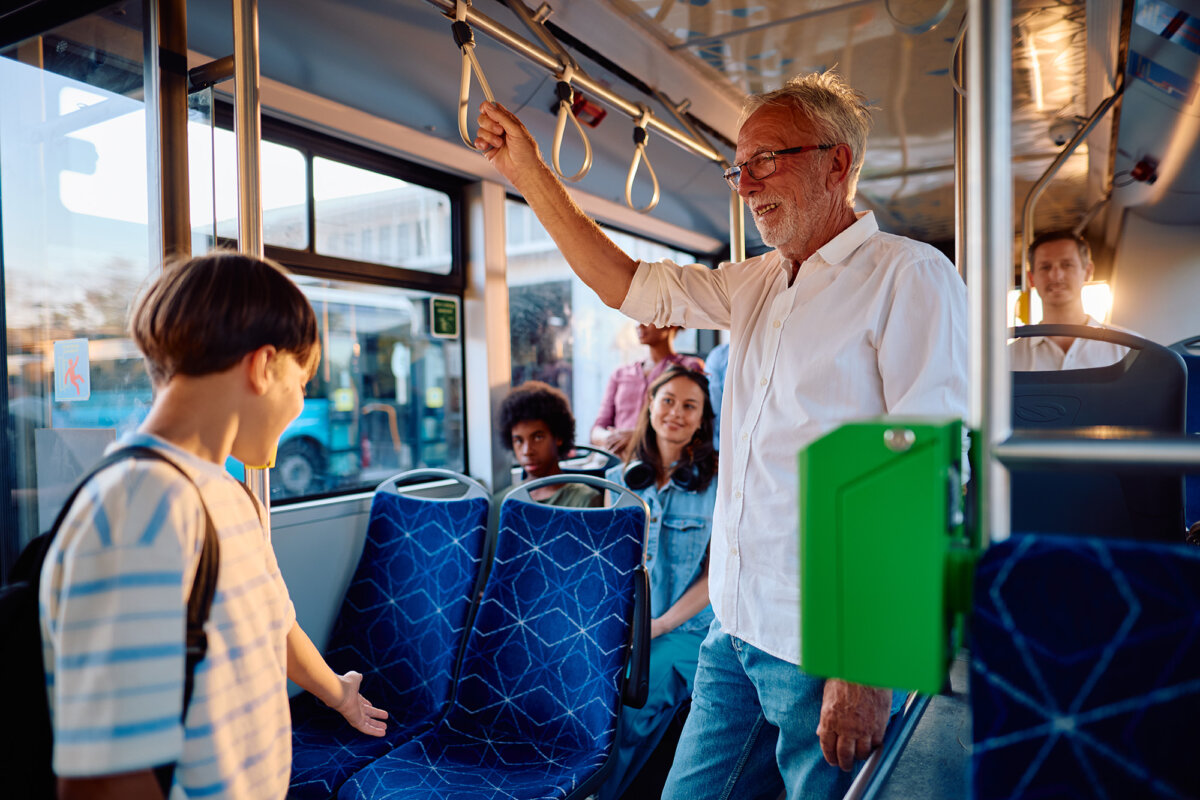
That word was born in the South, probably derived from Carolina Marsh Tacky horses, poor-quality horses resulting from limited breeding. Today, tacky refers to behavior or taste that is gaudy or vulgar, but it’s better explained by way of example than by definition. If you don’t give up your seat on the bus for a pregnant woman, if you don’t hold open the door to the coffee shop for that old gentleman shuffling along with his cane, if you walk down Main Street talking on your phone and lacing the air with expletives, sorry, but your behavior is tacky.
In her 2018 article on tacky and how to use it properly, Kelly Kazek listed 12 examples of 21st-century tacky. Babies wearing diapers in public, and nothing else, ranks No. 2 on that list, while using curse words on social media qualifies at No. 7.
But No. 1 on Kazek’s list of what Southerners consider tacky is bad manners.
Which raises some questions: Do Southerners still practice good manners? Have they preserved their long-time reputation for Southern hospitality? And are those manners and friendliness in danger of fading away?
In a 2024 informal survey, pollsters asked state residents to rate the importance of manners practiced in public. Of the top 10 states in this politeness poll, eight were in the American South. Leading the way were Arkansas, Georgia, and Alabama.
In 2022, Condé Nast Traveler declared Savannah, Georgia, the friendliest city for visitors in the United States. Writer Joshua Meyer speculated that the city’s comfort food, indie bookstores, antique shops, and lush parks contribute to “good old-fashioned Southern hospitality” and that “upholding the heritage of good manners in Georgia’s oldest city might also be a point of pride.”
We should note that these two polls together make an important connection between courtesy and cordiality. Although some critics consider Southern hospitality fake or two-faced, we might say the same of any display of manners anywhere. After all, the key reason for being polite is to put others, friends and strangers, at their ease, to make them as comfortable as possible, to smooth out the potholes and bumpy roads of socializing. Manners are nothing more than a way of saying: “I recognize you as a human being worthy of respect. Until you disabuse me of that impression, I will extend to you every courtesy.”
A Word About Words
Although they may neglect their usage, most Americans know that saying “please,” “thank you,” and “you’re welcome” are common social graces. Southerners add a few more expressions to this vocabulary of politeness.
Lots of children, especially in the Deep South—states such as Louisiana and Mississippi—are raised to address their elders as “sir” and “ma’am.” A friend of mine from the Midwest visits Alabama from time to time on business and finds this particular form of address quite different.
“’Ma’am’ and ‘sir’ are absolutely not a Midwest culture thing,” my friend said. “To be honest, I don’t like being referred to as ‘ma’am.’ When Southern transplants have done that to me at home, ‘ma’am’ comes across as harsh. But when my coworker and I are down South, I’ve laughed because we start slipping into ‘ma’am’ and ‘sir’ just because it feels natural and polite down there.”
Certain women I know—my daughter is one of them—have dropped teaching “sir” and “ma’am,” but when they correct a child who hasn’t responded to a request, they shoot out this reminder in a no-nonsense voice: “Say, ‘Yes, Mama.’”
Then there are the older women who add some sugar to even a casual encounter. Just this past week, for instance, two women here in Virginia addressed me as “sweetheart,” while a third called me “honey.” One works as a cashier in the 619 Market near my daughter’s house, another at a convenience store, and a third at the local grocery. These were not terms of endearment but signs of their upbringing. The words came as naturally to these ladies as ringing up a sale, even when spoken to a stranger.
And you can add that word “lady” to a Southerner’s vocabulary. “Lady” was a compliment before the culture downgraded it as outdated or condescending. I still can’t break myself of the word and sometimes salute a group of women, such as the baristas in my coffee shop, with “Good morning, ladies.” So far, no one has taken umbrage.
Other Rules From the Playbook of Manners and Hospitality
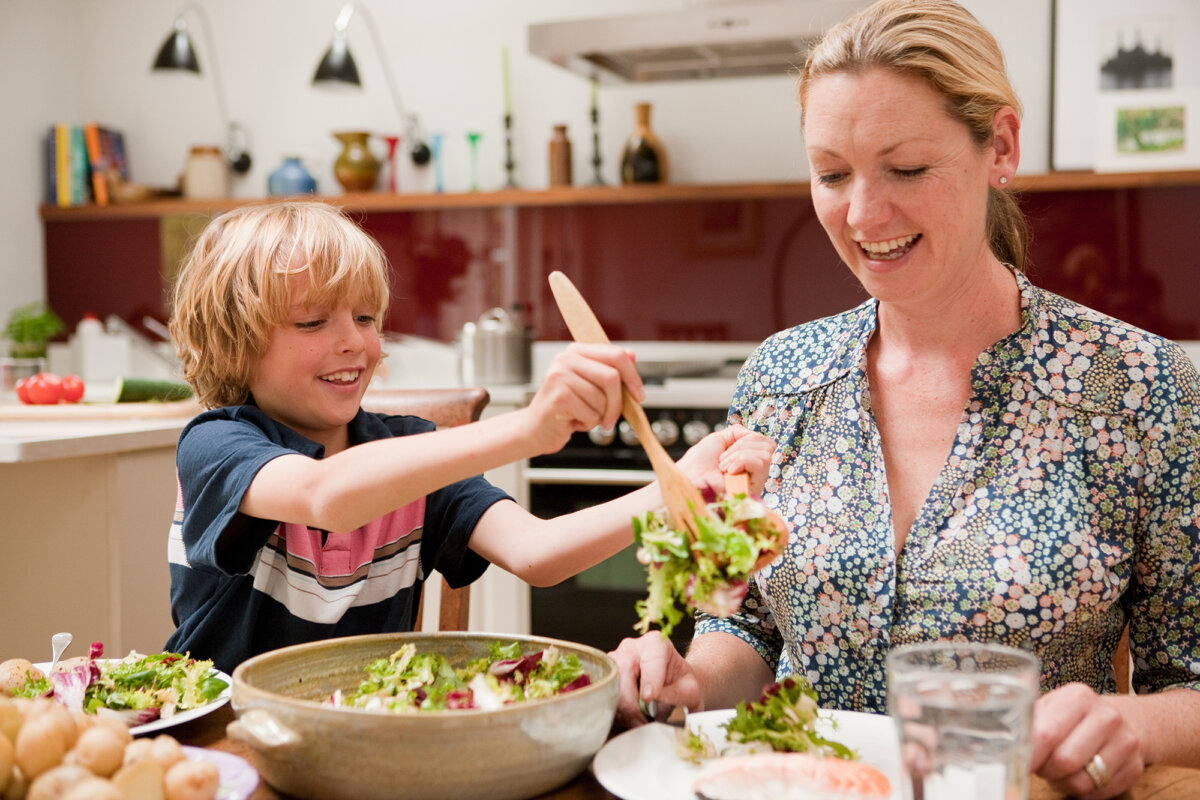
Food is a big part of Southern hospitality. When my wife died, the homeschooling moms whose children attended my seminars rallied around and brought me and my 9-year-old son suppers two and three times per week for months. Whether it’s a birth or a death, in the South, the casserole brigade comes calling.
Men shake hands, but a gentleman waits for the woman—or lady—to extend her hand. When on the sidewalk, he walks between the street and any female accompanying him, a custom originally developed to keep horses from splattering mud on a dress but now more a traffic safety precaution. You smile when introduced and say, “Pleased to meet you.” You respond to gifts with thank-you notes, and you not only answer RSVPs, but also honor them by showing up for the event.
These examples of courtesy are found all over the country, but in the South, they were drilled into young’uns by parents and grandparents. It’s the habits, not the manners themselves, that separate Southern hospitality from the rest of the nation. Show consideration for others, and “you’ve done yourself proud.” In my favorite coffee shop, the young fellow often behind the counter is unfailingly polite, always responding to a thank you with “you’re welcome” rather than with “no problem.” He has been, as they used to say, “raised right.”
Let’s Bring Back Hospitality
Unfortunately, Southern manners and hospitality may be fading away. Television and now social media, along with the general rootlessness of Americans, have helped to homogenize the culture, breaking down regional differences. The tart-tongued Vermont Yankee and the drawling Mississippian have softened not only their accents, but also the mannerisms that set them apart. Put a teenager from Charlotte, North Carolina, side by side with one from Portland, Oregon, and their dress, taste in music, and slang will likely be similar.
One blogger operating under the handle “Mama Loves to Eat” specifically noted that respectful titles such as “sir” and “ma’am” are disappearing, that thank-you notes are becoming passe, and that social customs such as men removing their caps indoors are long gone. She concluded, “Expectations are shifting as gender roles evolve and informal behavior becomes the norm.”
This abandonment comes at a time when the majority of Americans believe that rude public behavior is occurring with ever-increasing frequency. According to a 2025 Pew poll, for example, 46 percent of those surveyed said that public behavior has gotten worse since the COVID-19 pandemic. A November 2025 Marist poll found that 91 percent of Americans agreed that “a lack of respect and courtesy is a growing problem in this country.”
Given that American movies, music, celebrities, and even political leaders all too often either promote or serve as examples of tacky behavior, the time has surely come for a revival of those small courtesies that ease our everyday interactions with others and might even tamp down some of the rancor in our political differences.
Born in Alabama and raised in New Orleans, poet Margaret Walker once said, “Friends and good manners will carry you where money won’t go.” Climbing aboard those same means of transportation, which are at the heart of Southern hospitality, can carry the rest of us back to civility.