



‘When You Are Old’
When you are old and grey and full of sleep,
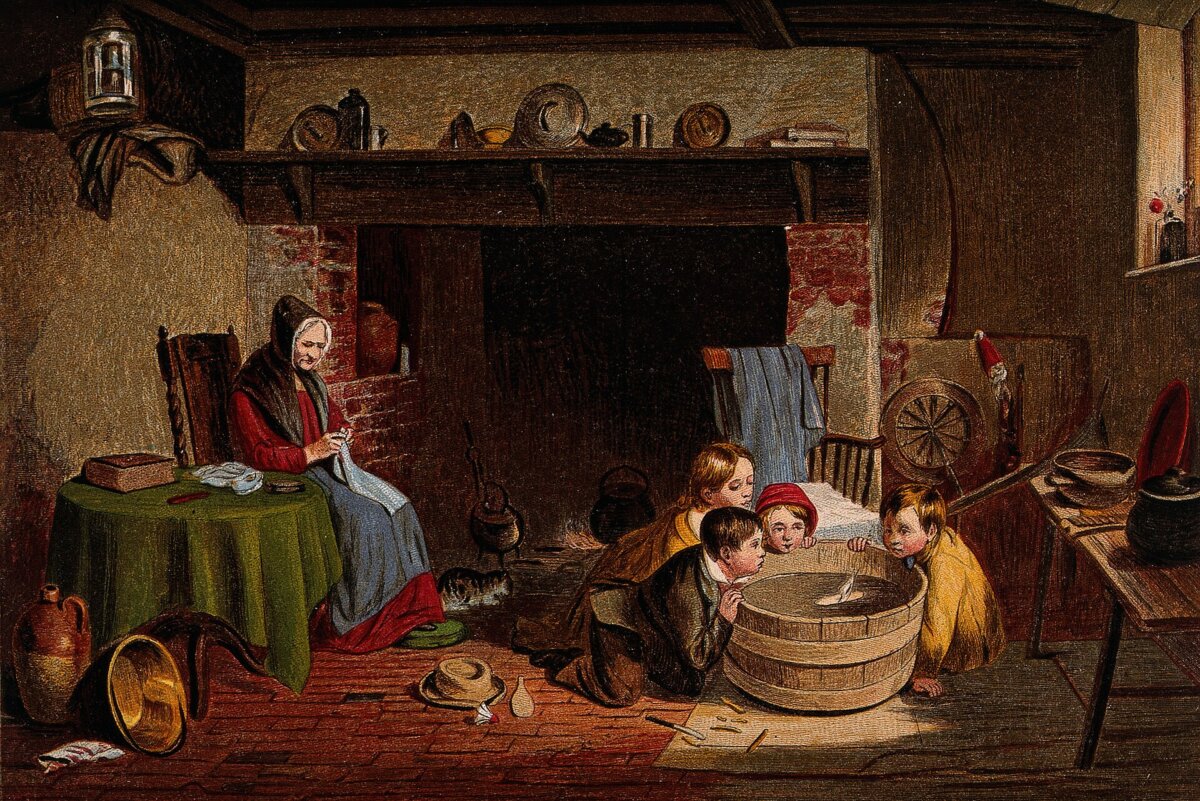
And nodding by the fire, take down this book,
And slowly read, and dream of the soft look
Your eyes had once, and of their shadows deep;
How many loved your moments of glad grace,
And loved your beauty with love false or true,
But one man loved the pilgrim soul in you,
And loved the sorrows of your changing face;
And bending down beside the glowing bars,
Murmur, a little sadly, how Love fled
And paced upon the mountains overhead
And hid his face amid a crowd of stars.
Many readers of William Butler Yeats, one of Ireland’s greatest poets, say that we have Maud Gonne’s rejection of him to thank for his beautiful poetry. Maud Gonne herself agreed; she was conscious of her role as Yeats’s muse and believed she had done readers a great service. Yeats proposed to her at least four times over the course of 20 years, and she turned him down every time. In her autobiography, she wrote that Yeats said he could not be happy without her. She replied:
“Oh yes, you are, because you make beautiful poetry out of what you call your unhappiness and you are happy in that. Marriage would be such a dull affair. Poets should never marry. The world should thank me for not marrying you.”
Yeats dedicated much of his work to Gonne. One of his most beloved poems, “When You Are Old,” is often interpreted as a reflection upon their relationship. Between her many rejections of his proposals and her eventual marriage to John MacBride, Gonne seems to have been fairly decided regarding Yeats. In contrast, Yeats’s poem speaks of a woman who reaches old age and regrets the love that could have been.
Deep Roots
“When You Are Old” draws from a poem written by French poet Pierre de Ronsard in 1578, titled “Quand vous serez bien vielle” (When You Are Very Old). In Ronsard’s poem, the speaker addresses a young lady and urges her to accept his love while she is young and fair. Otherwise, when she is old and sitting by the fire one evening, she will look back and see how he immortalized her beauty in poetry. The poet says that she will think, “Ronsard made me famous at the time when I was beautiful,” but by that time the poet will be dead, and she will regret having scorned his love.
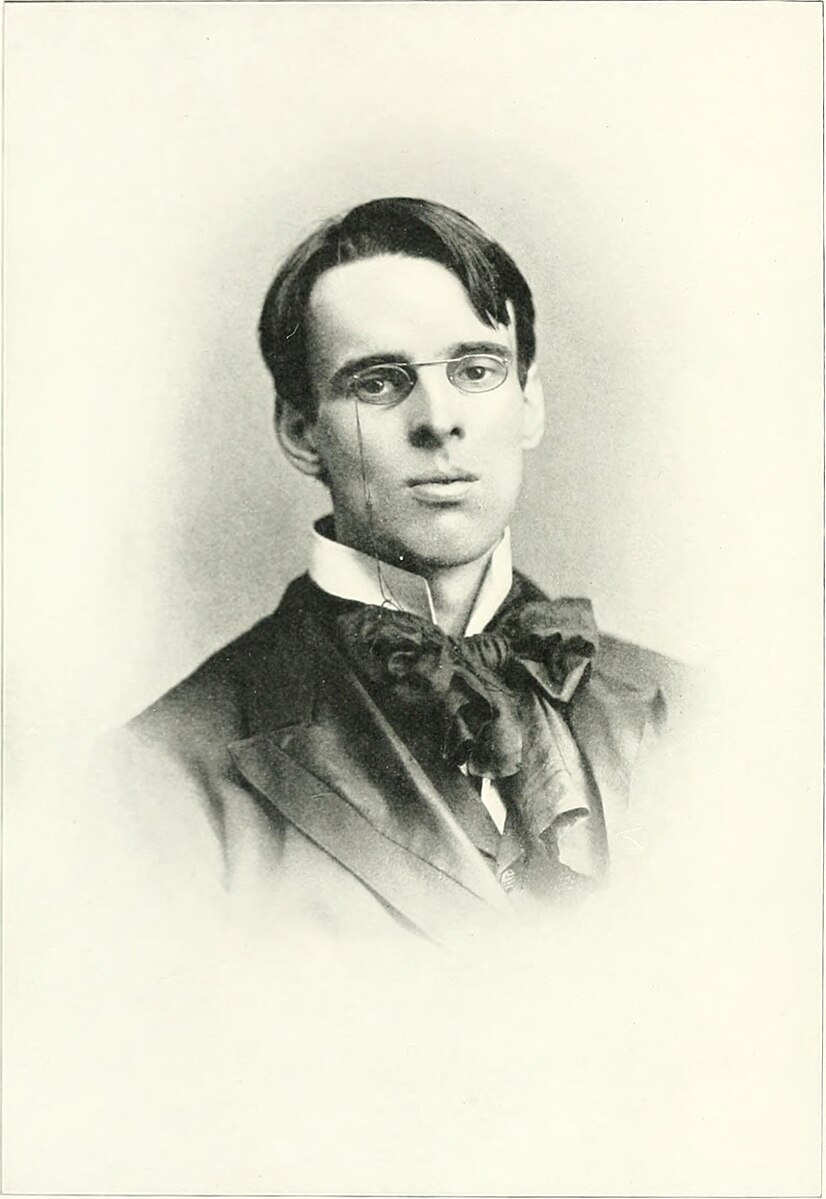 William Butler Yeats from around the turn of the 20th century. (Public Domain)
Like Ronsard’s poem, “When You Are Old” begins and ends with a woman reflecting on her life as she sits beside the fire. The circular nature of the poem and its reflection on mortality is reminiscent of words from the book of Genesis: “You are dust, and to dust you shall return.” The poems are also similar in that the speaker’s words prompt the woman’s reflections upon the past. While Ronsard’s poem is a confident assertion that the woman will one day read his works and regret having rejected him, Yeats’s poem is in the imperative mood: The speaker tells the woman to read his works and “Dream of the soft look/ Your eyes had once and of their shadows deep.”
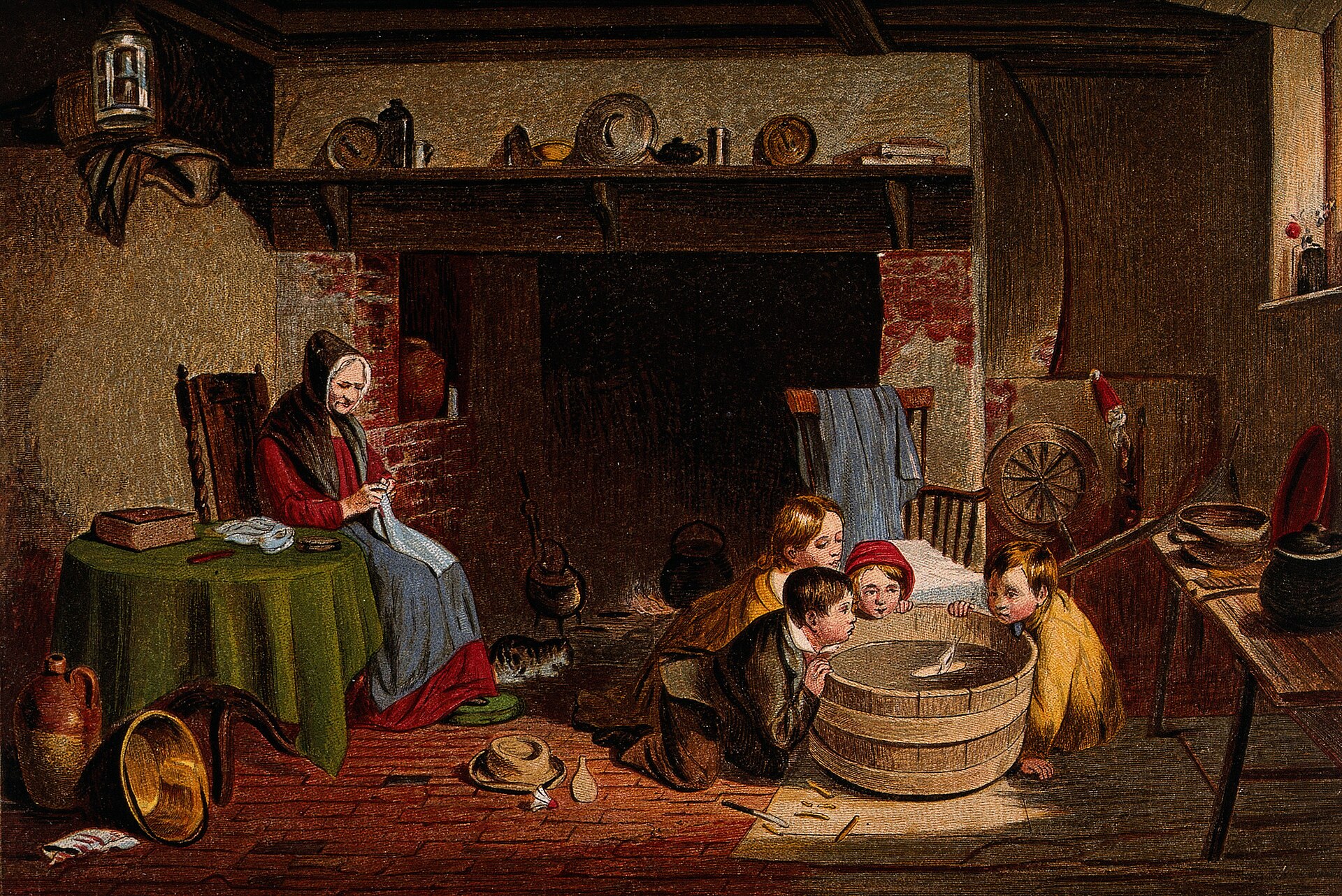 A family scene in a kitchen with an old woman sitting by children. (Fæ/CC BY 4.0)
While many others loved her beauty and “moments of glad grace,” the speaker claims only one, the speaker himself, loved the woman herself, her “pilgrim soul.” Physical beauty and attitude change: The woman will one day be “old and grey,” and the moments of “glad grace” come and go. It is in loving her soul, the essence of her being, that the speaker loves her in joy and sorrow, youth and old age. In loving what is fixed in her, he loves the changes as well.
However, the speaker never speaks in the first person: rather than “I loved,” he says “one man loved.” The third-person narration reflects the distance between the speaker and his beloved as she sits reflecting in her old age. His absence in the poem points to his absence from this future scene. At the end of the poem, the fire is reduced to the image of “glowing bars,” an image of the love that once burned bright but now is viewed indirectly in a reflection.
To Personify a Verb
Love himself, personified in the last stanza, is both elevated in his place among the stars and distant from the woman. The word “fled” implies that he was chased away and subsequently hid “amid a crowd of stars.” He stands in contrast to the real-life lover, who among a crowd of admirers, is distinct in loving the woman’s soul.
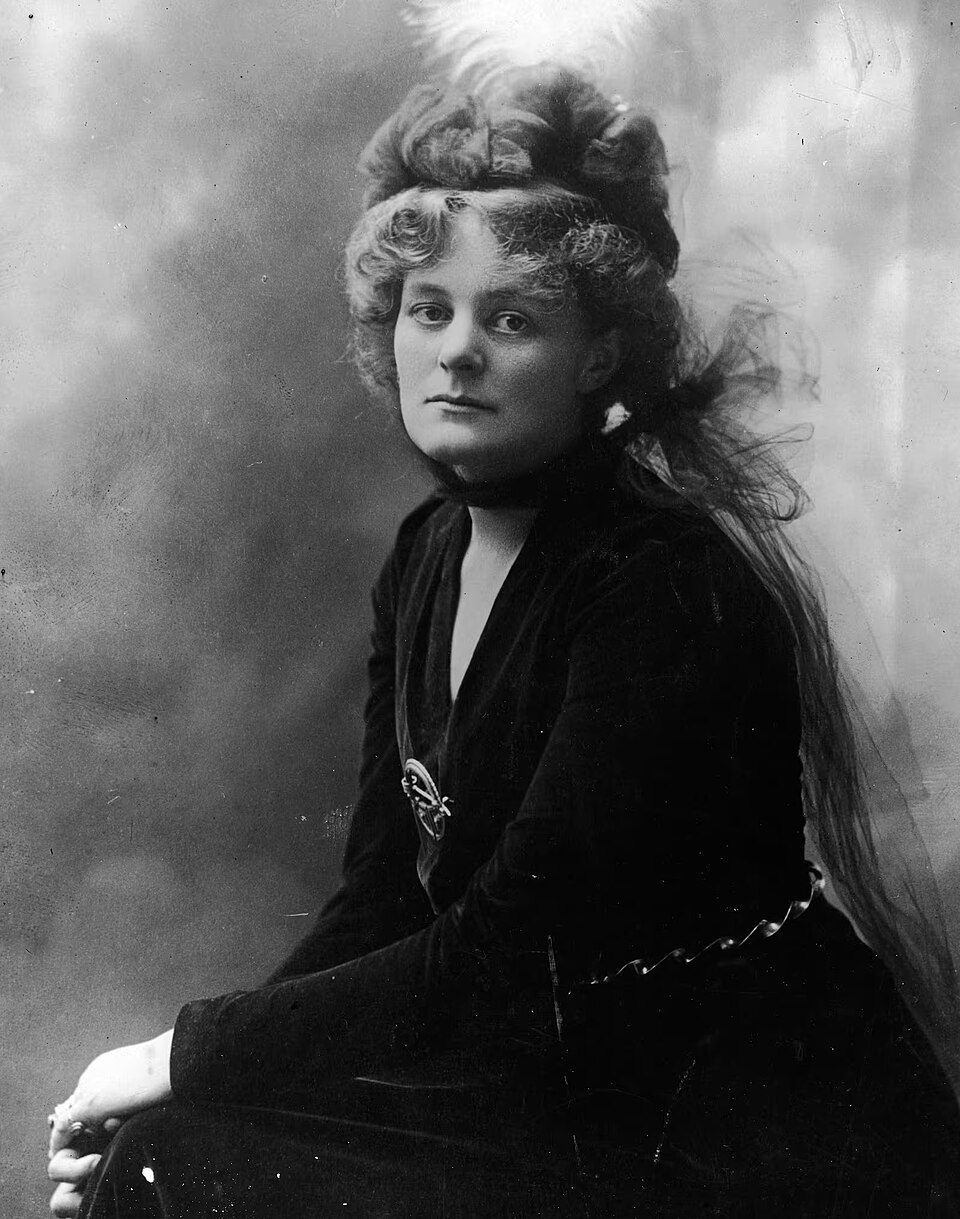 Maud Gonne, circa 1890s. (Public Domain)
The language is reminiscent of the Song of Songs. In it, the lover tells his beloved: “My dove in the clefts of the rock, in the secret recesses of the cliff, Let me see your face, let me hear your voice, For your voice is sweet, and your face is lovely.” Yeats’s poem reverses this language: Instead of the lover drawing the beloved out from the cliffs and asking her to show her face, the beloved sends the lover away to hide his face and pace “upon the mountains overhead.”
The poem expresses the speaker’s conviction that in her old age, the addressee will be left only with memories of love. He offers her a glimpse into a possible future. While Ronsard offers his beloved this glimpse to urge her to accept his love before she’ll regret losing it, the speaker in Yeats’s poem seems to believe his beloved is certain and will not be persuaded.
However, Yeats’s speaker believes that when she reaches old age and her beauty is gone, she will look back with sadness on the chance to partake in real love. Even at that point, love has not died, but remains hidden in the heavens; the speaker’s love is eternal but inaccessible, seen only in memory and in the pages of a book.
What arts and culture topics would you like us to cover? Please email ideas or feedback to features@epochtimes.nyc
