A new year is upon us, and that’s a very exciting thing. There are so many destinations to explore—a whole wide world awaiting our adventures.
But, of course, not all places are created equal. And your favorite destination? Well, it may be a spot you’ve never heard of (until now). Here are eight wonderful destinations to visit in 2026; some of them are just emerging as attractive destinations, while others are poised for a particularly standout year.
Oulu, Finland
Finland is one of the world’s most underrated countries for tourism. A Nordic land with a long history and a unique language, you’ll find more saunas than cars here. Finns treasure them not just for their relaxation and wellness benefits, but also because they form a key part of social life.
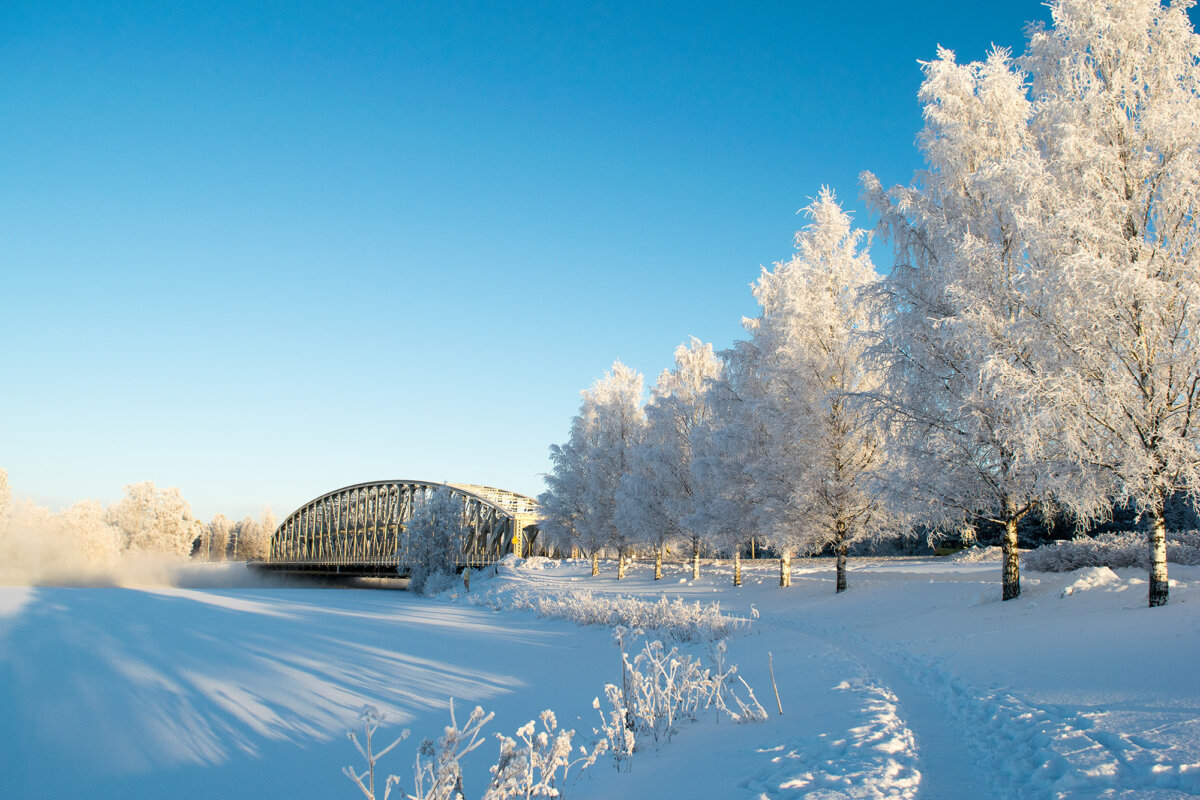
And things get really interesting when you head north to the Arctic, home to the Sami people, reindeer, and the Aurora Borealis. Oulu is a beautiful city set near the Arctic Circle, where a big river empties into the northernmost arm of the Baltic Sea. Home to more than 200,000 people, it will be one of Europe’s Capitals of Culture in 2026. More than 500 events will take place throughout the year, from long-table dinners to music festivals.
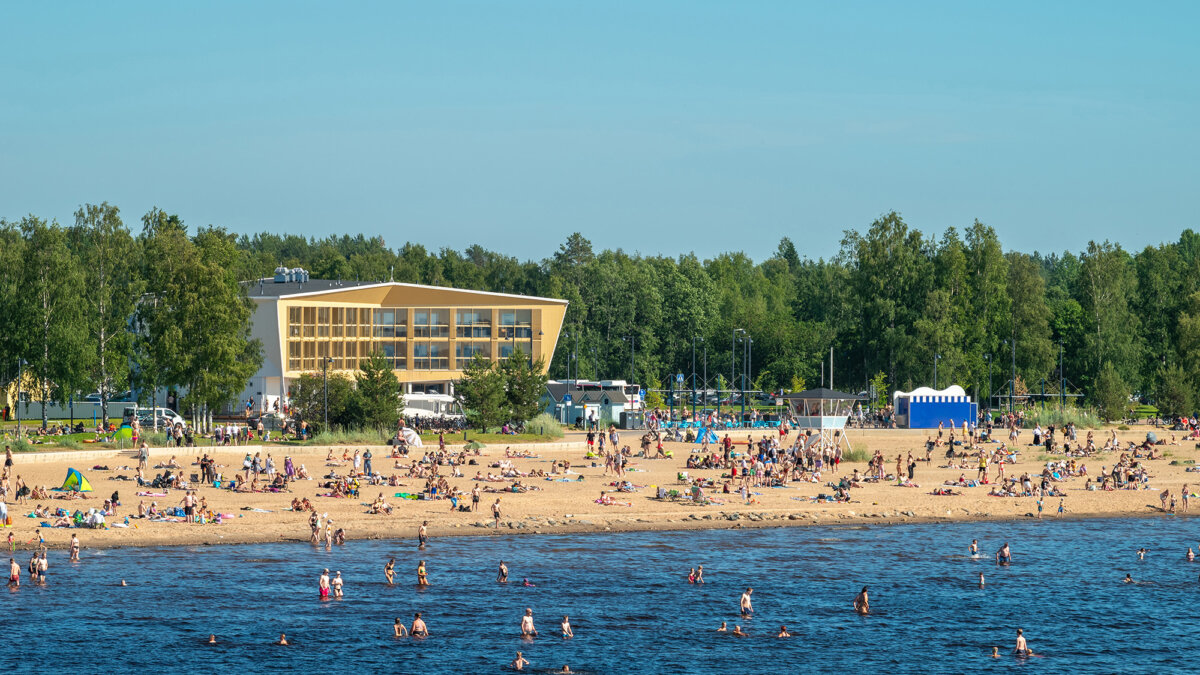
But Oulu, a tech hub about 350 miles north of Helsinki, is a marvelous place to visit at any time. Summer is spent on bikes and in kayaks, under the midnight sun. And while cold and dark, winter is a wonder, too—and a great time to snowshoe or ski before enjoying an Arctic tasting menu at one of the restaurants located inside repurposed warehouses along the waterfront. Just remember to save a little time for one of the many saunas.
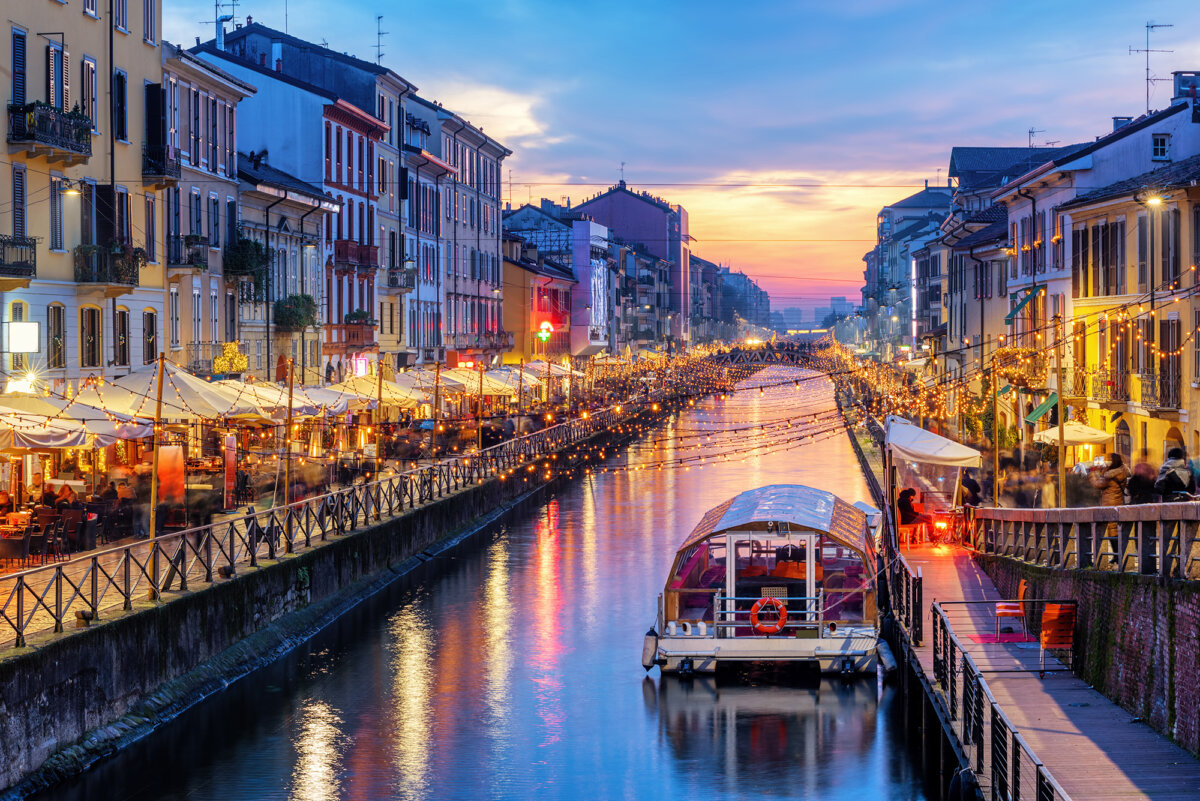
Milan, Italy
No, Milan is not an unfamiliar place. Renowned for its Renaissance history (Da Vinci painted “The Last Supper” here), Italy’s economic capital and second-largest city is always bustling, visited by everyone from foodies to fashionistas. Astonishment abides at every turn, whether you’re gazing up at the vaulted glass and cast iron at the Galleria Vittorio Emanuele II or down onto a steaming plate of pasta and veal Milanese.
But 2026 will be special in Milan. It will host the Winter Olympic Games alongside Cortina d’Ampezzo, a mountain town in the jagged, soaring Dolomitic Alps. More than 100 sporting events will be contested throughout most of the month of February. But even if you can’t get tickets to the Opening Ceremony or the ice hockey or figure skating, it’s worth coming. The city will be abuzz, with cultural events pacing the athletics and plenty of new bars and restaurants—some around the Olympic Village, which designers built in a former railway yard.
Gdansk, Poland
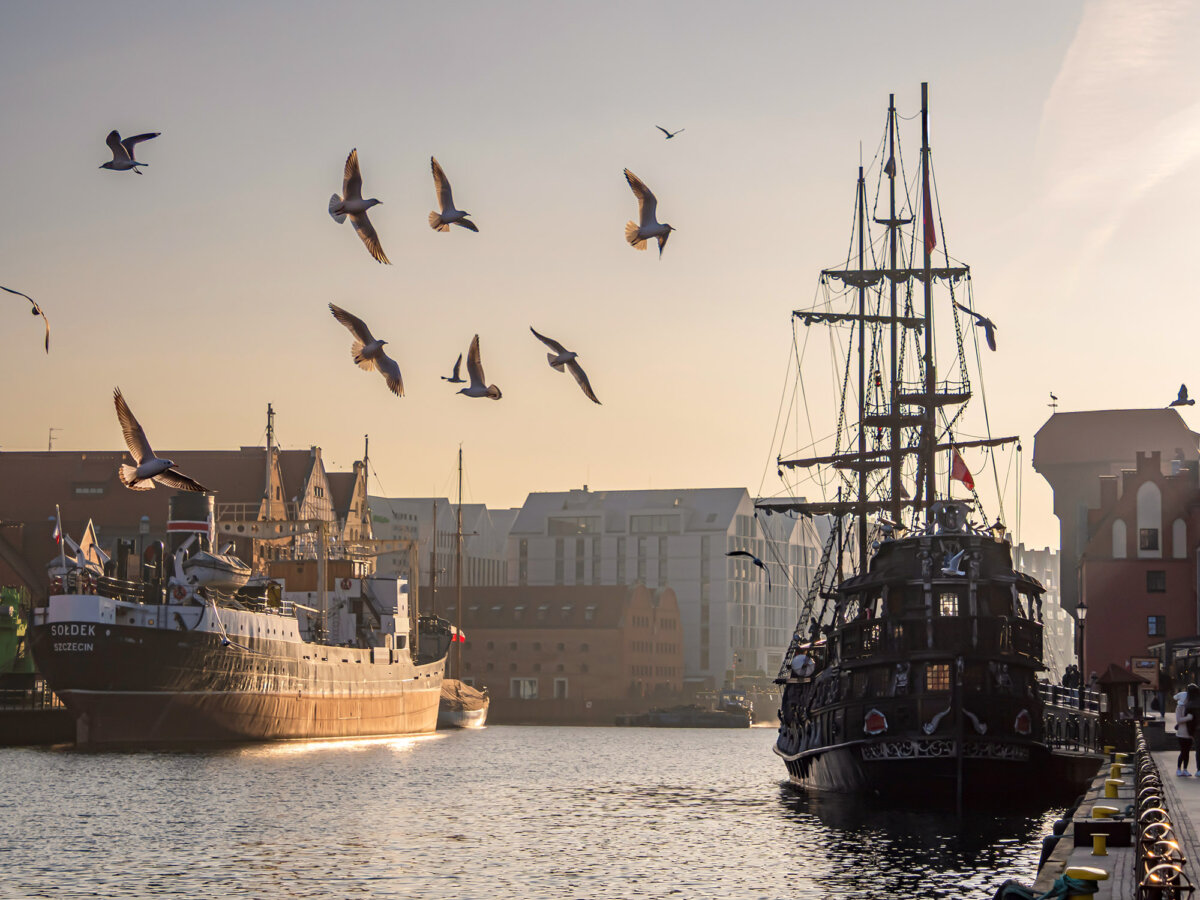
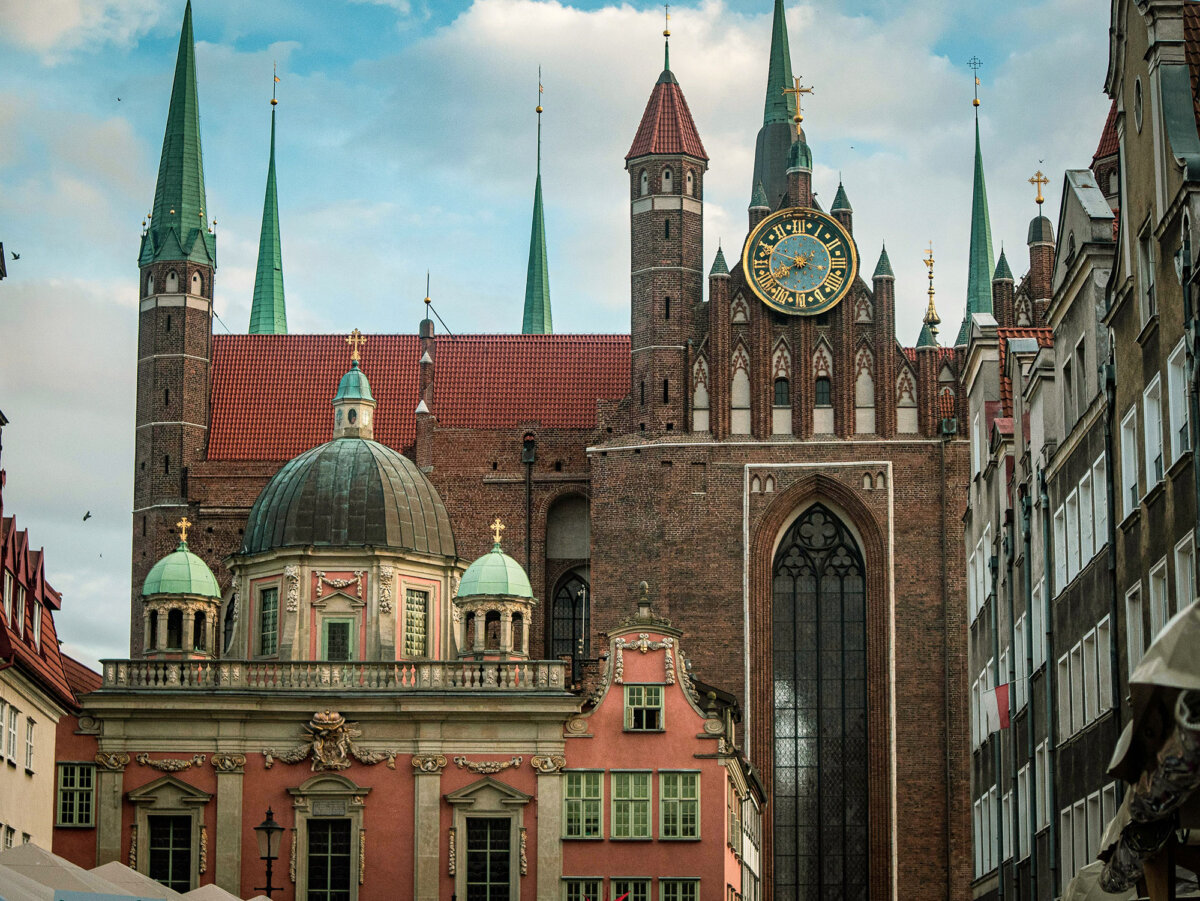
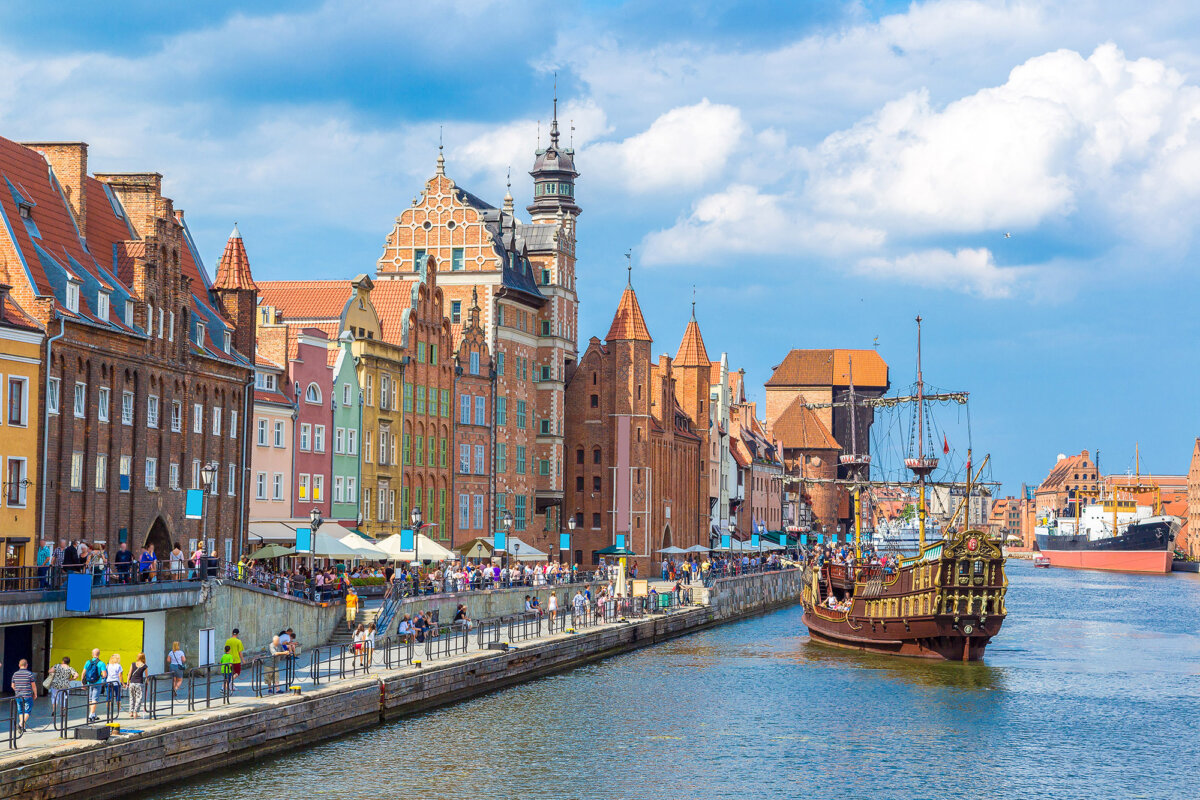
For most of the 20th century, Poland’s Baltic Seaport was a gritty, industrial place. Its shipyard cranes remain the indisputable symbol of the city. It was here that the Solidarity trade union started, a thoroughly blue-collar outfit that transformed from strikes into a union that rocked communism across the Eastern Bloc. (The leader, Lech Walesa, went on to win both the Nobel Peace Prize and the national presidency.)
But Gdansk is transforming into a destination with lots to offer. The history is deep, with an Old Town and waterfront district that displays the city’s centuries, from its status in the Hanseatic League to its time as a Free City, and within both Prussia and (as Danzig) the German Empire. Those warehouses and cranes and shipping containers are becoming food halls and galleries and waterfront shopping districts. And the European Solidarity Centre is one of the most surprisingly fascinating museums you’ll find anywhere.
Walk the flat, compact city until you need a rest. Then take a boat tour out to the beaches and grand hotels and piers at Sopot, which forms the heart of the Polish Riviera.
Mexico City
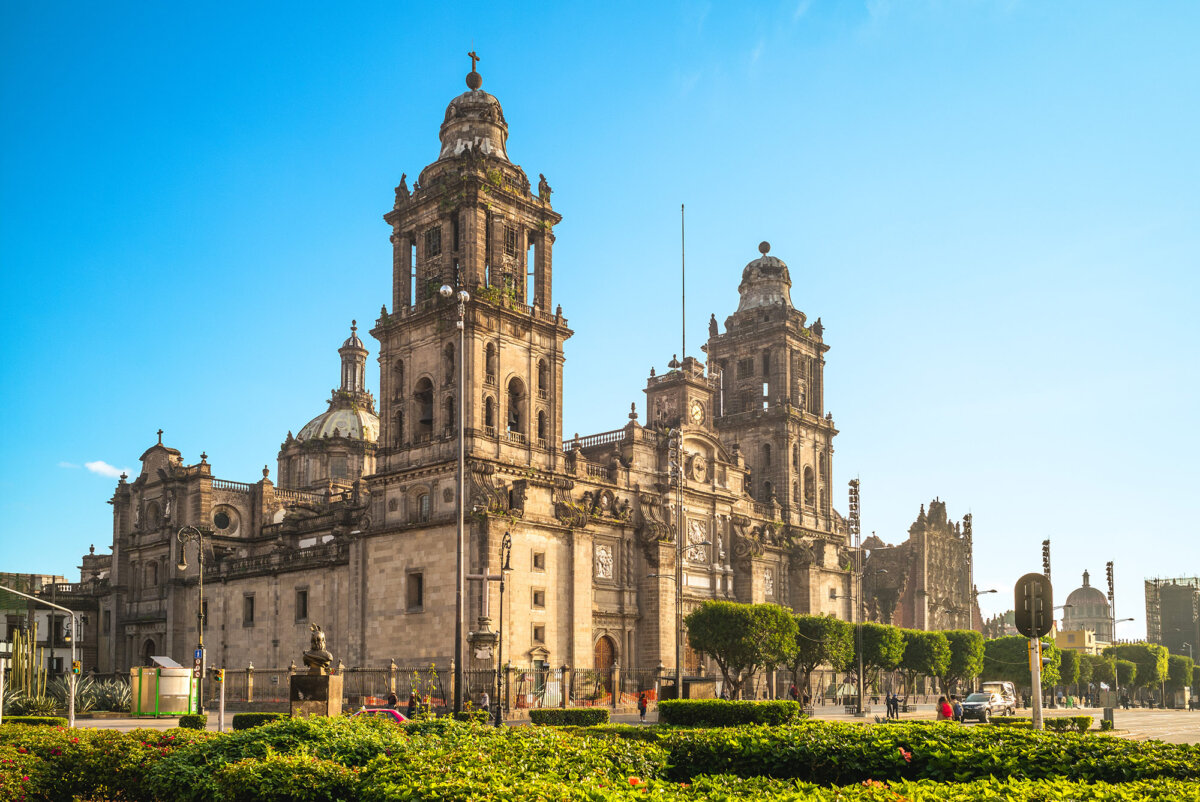
Almost incomprehensibly huge (if you count the whole metro area, more than 20 million people live here), Mexico’s massive capital has so much to offer. Here, you’ll find Aztec ruins right next to the Metropolitan Cathedral and National Palace on the Zócalo, the perpetually bustling main square. But there are also leafy parks and sidewalk cafes and a slower pace in the trendy La Condesa district, plus art and architecture and so much amazing food, even for those on a budget (honestly, you can’t get a more mouthwatering meal than some simple tacos al pastor).
In June, some 83,000 people will pack the city’s main stadium to watch FIFA World Cup matches. Mexico’s national team will contest at least two of these, playing on home soil, and the atmosphere promises to be electric.
Soccer’s not your thing? No problem. Everything that makes this city so special—food markets, even archeological sites—will be amped up to welcome the world.
Madeira, Portugal
Madeira is like something out of a dream. Set in the Atlantic off the coast of Africa, the main island in this Portuguese archipelago is rugged and green and a little like Swiss cheese, shot through with more than 150 tunnels. The shore is lined with sun-baked beaches. Settlements sprawl down its long flanks, and waterfalls tumble over the vertiginous sides. While well-known to European travelers, it’s not really a famous or much-visited destination for North Americans.
And that’s a shame, because there’s so much to do. In the capital, Funchal, walk the cobblestones or zoom through the steep streets on a Carro de Cesto, a sort of wicker toboggan guided by two runners. You can be in a whole different world in mere minutes, winding away from the city on switchbacks into a high-altitude wonderland. And while many visitors stay close to the coast, the biggest reason to visit this year is up there.
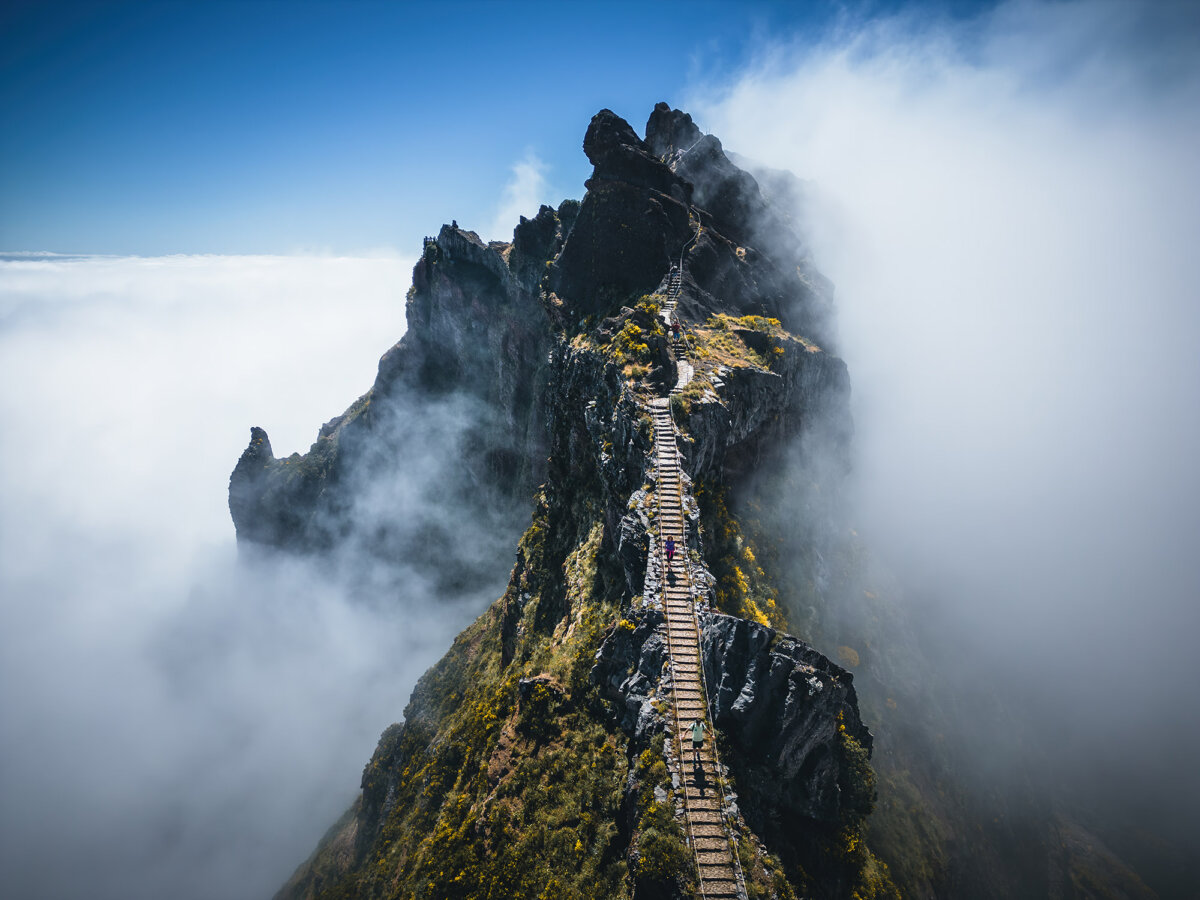
In April, one of the world’s most celebrated hiking trails, the PR1 Vereda do Arieiro, will reopen. Closed since the 2024 wildfires, this 4.35-mile path connects the main island’s two tallest peaks. Sometimes called the “stairway to Heaven,” you’ll stride along ridge lines, winding high above the clouds.
Hobart, Australia
Hobart hasn’t always been so cool. Until fairly recently, other Australians considered the Tasmanian capital a little provincial and certainly far away. But in the past decade or so, this island city has become a magnet for creatives, with galleries and restaurants opening all across town.
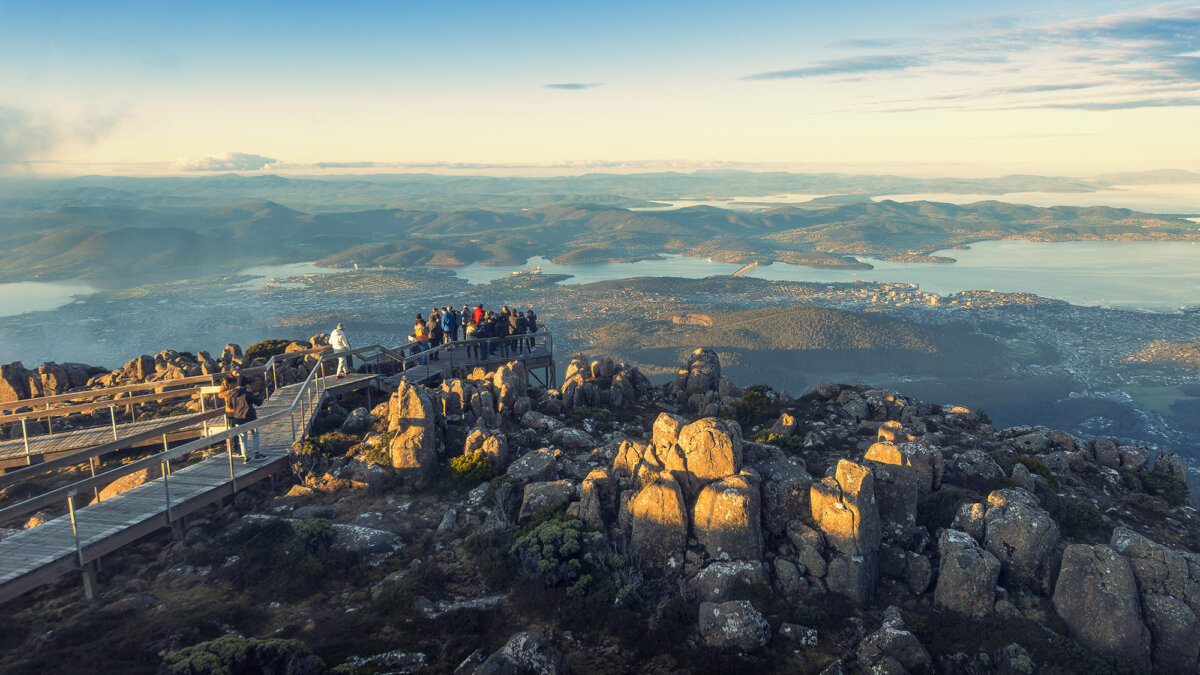
Cross the Tasman Bridge, and you’ll immediately see the attraction. Its modest skyline nestles next to the dramatic rise of Mt. Wellington and stretches out along the water, an estuary of the River Derwent. You can stay at a storytelling hotel, where every room comes with a local tale and resident storytellers take guests on complimentary tours. Or feast on a seven-course dinner in a former candy shop. And even better: Add a day trip to nearby Bruny Island to taste fresh cheese, oysters, and honey. Arrive by air or sea—the city is developing as a popular cruise port and, increasingly, a gateway to Antarctica.
Kotor, Montenegro
The Mediterranean is a very busy sea. And the cruise ports that line the coast, especially on the European side of the water, even more so. Barcelona, Venice, Dubrovnik—all are absolutely slammed in the high season.
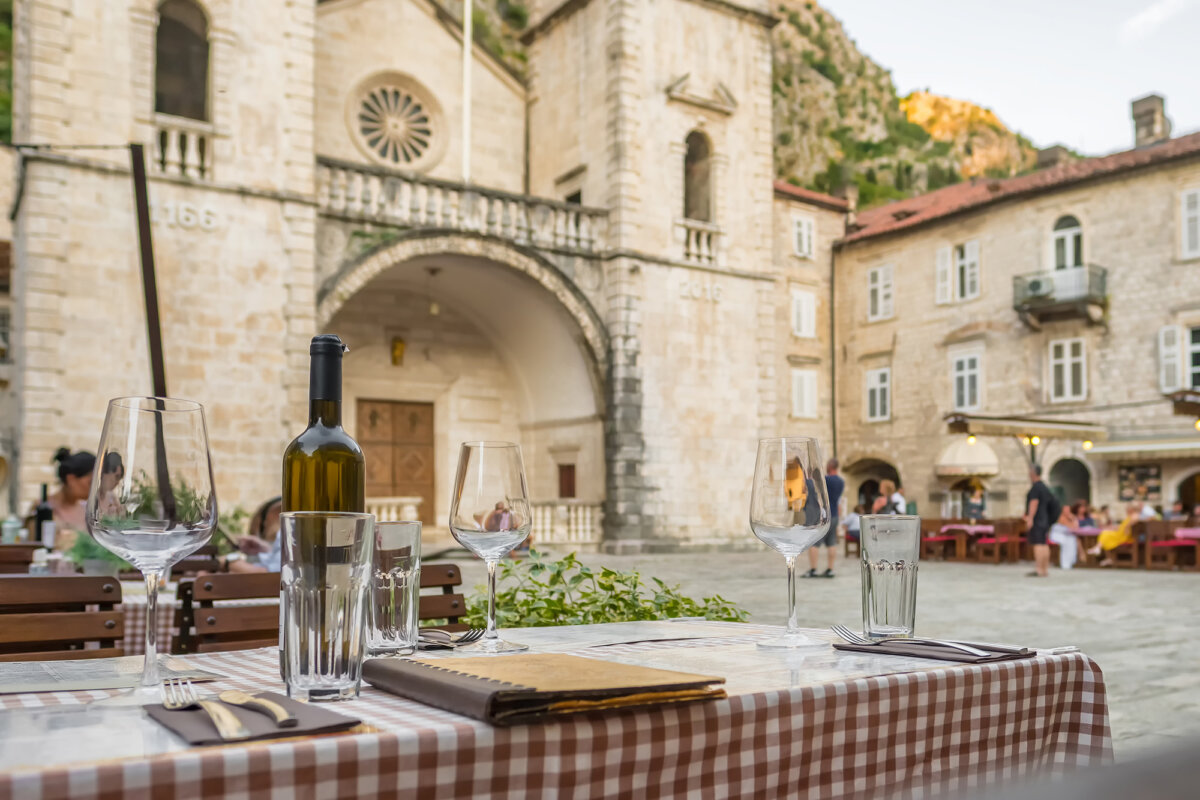
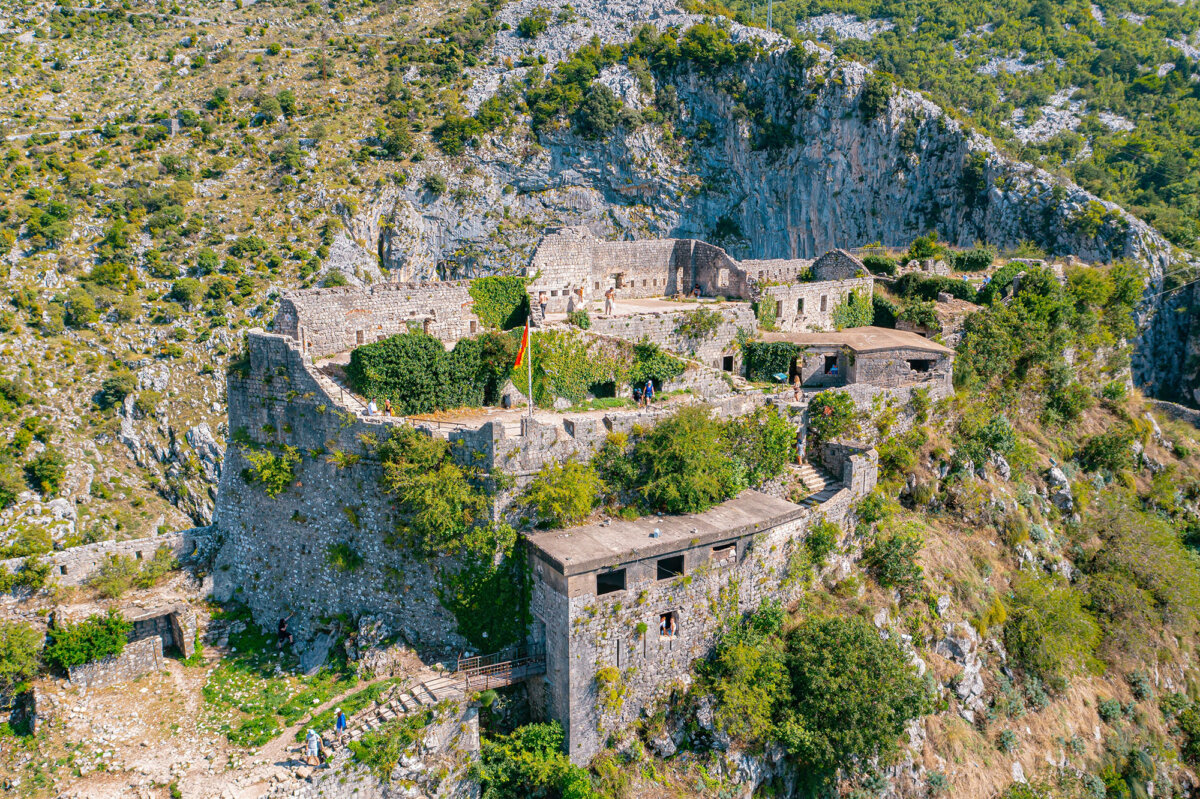
But the beauty of Kotor is just now beginning to get the recognition it deserves. This small town in Montenegro sits at the end of a long fjord, one girded on both sides by the sharp and sudden rise of the Dinaric Alps. You can arrive by sea—many lines are now including this port on their itineraries—or at the small, international airport just 10 to 15 minutes outside of the Old Town. Walk the cobblestones of the walled city, or hike up into the hills. Visit nearby vineyards, perhaps for dinner. Take a boat tour to aquatic caves and Our Lady of the Rocks, a domed church on an island in the middle of the fjord.
All that, without having to fight the crowds in those other Med cities.
Montevideo, Uruguay
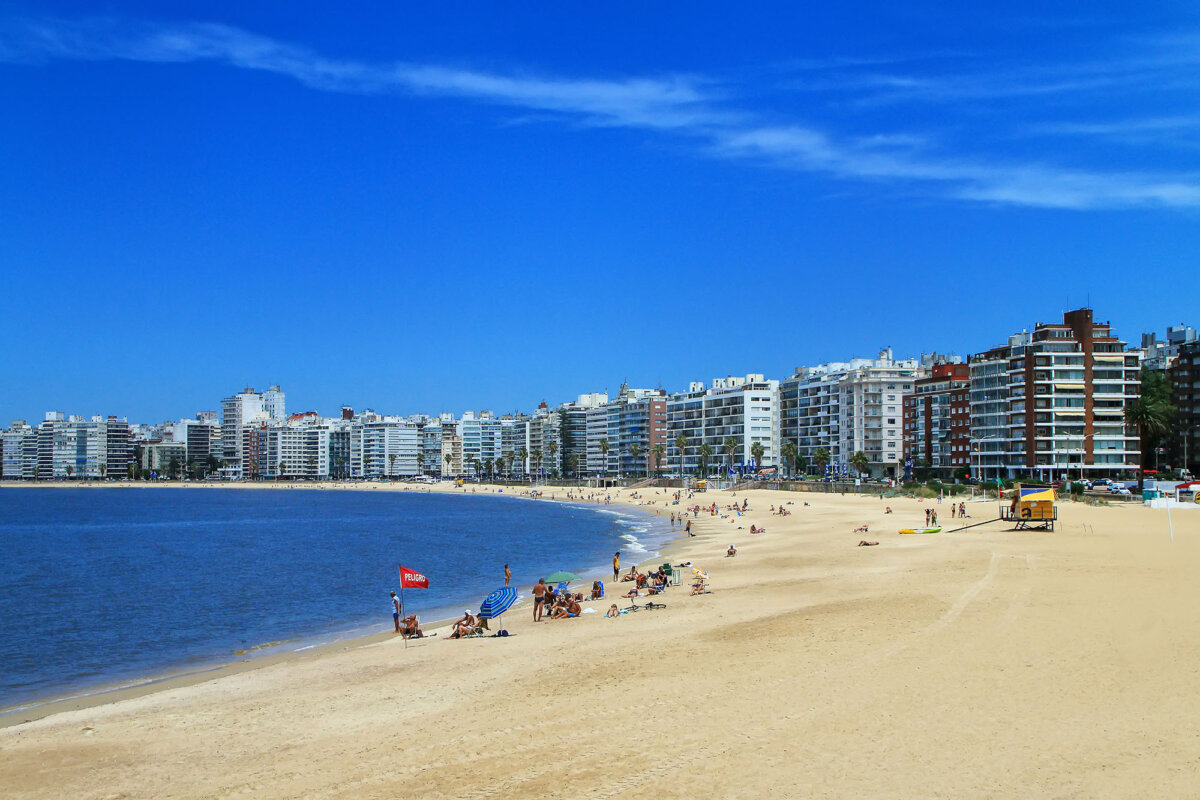
This South American capital is a bit sleepy—in all the best ways. Home to about 1.3 million people and increasingly popular as a cruise port, it’s set on a spot where the Rio de la Plata (literally “River of Silver”) widens and opens up to the endless expanse of the Atlantic. (Everyone here calls the river “el mar.”) Even if you’re not a big swimmer—or surfer—you can walk the promenade at Pocitos, the city’s most popular beach, and watch people play volleyball and soccer on its stretch of 1.2 miles of sand.
The latter sport is close to religion here. Uruguay has won two FIFA World Cups and hosted the first competition in 1930 at the purpose-built Estadio Centenario. Visit the Museo del Fútbol there, then pursue Montevideo’s other passion: the perfect steak. You’ll find that back by the water at Mercado Del Puerto, where ribeyes and sirloins and sausages pop and sizzle on the open parillas (grills), the mouthwatering, irresistible scent filling the whole place.