



TV-14 | 2 episodes | Documentary | 2026
The expression “raised by wolves” was inspired by literature, such as Kipling’s “Jungle Book,” as well as historical cases, like Victor of Aveyron. It has since been a reprimand for ill-mannered, antisocial behavior in children.
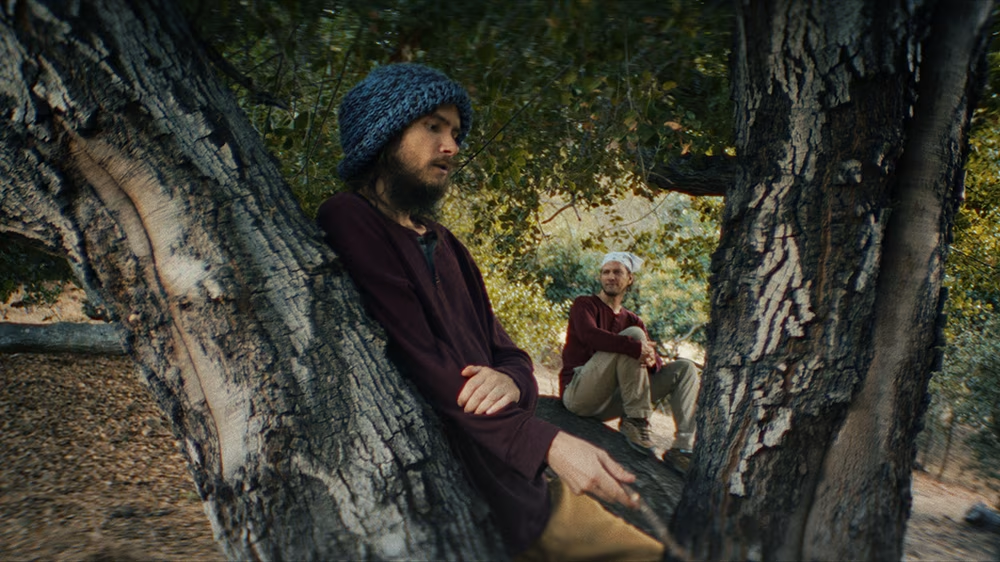
The two brothers calling themselves Will and Tom Green never claimed to be raised by animals. However, their upbringing—supposedly “off the grid” and completely outside human society—initially sounded pretty close.
Their story fascinated and alarmed the tight-knit community of Vernon, British Columbia, but it didn’t hold up to scrutiny from the police and the media. Filmmakers Rita Baghdadi and Jeremiah Hammerling follow the twists and turns of the case in the two-part docuseries, “Wild Boys: Strangers in Town.”
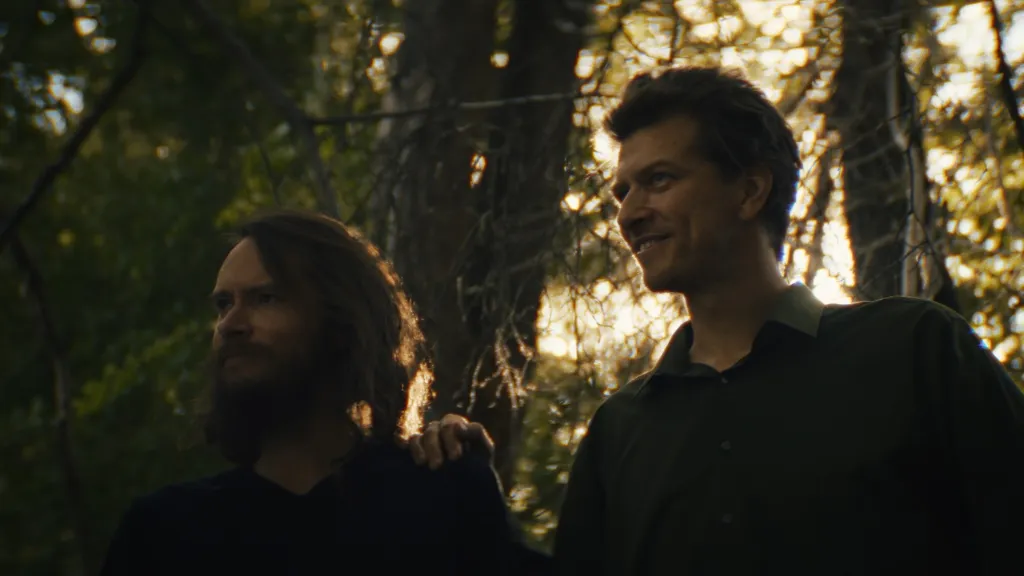
One day, the brothers seemingly emerged from the “bush” (Americans would more likely say the woods) surrounding the small city of Vernon, with a population of approximately 45,000. The locals dubbed them the “Bush Boys.”
The “Green” siblings claimed they grew up in an isolated cabin with their parents, “Mary and Joseph,” whom they implied had good reasons to avoid public attention. Consequently, many locals suspected they were the children of draft dodgers or related 1960s radicals who fled north to Canada.
Not Who They Seem
Regardless, their use of public internet terminals suggested they maybe were not as removed from modern life as they led Vernon residents to believe. Like a good Samaritan, Tami Ryder came forward to offer the boys assistance, which they eagerly accepted.
She opened herself and her home up to the boys, but they remained secretive to a troubling degree. In fact, almost everything they told her was a lie, including their names. Yet, she continued worrying over the brothers’ wellbeing, particularly that of the youngest.
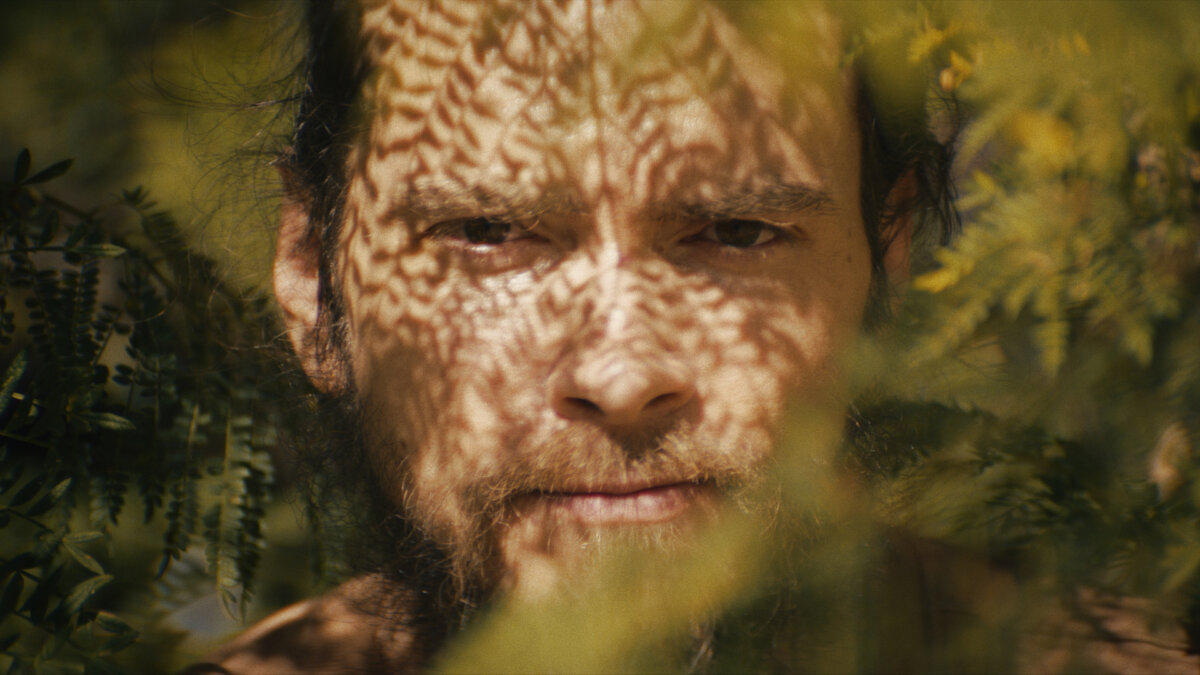
Due to an extreme phobia-like aversion to “unhealthy” foods, the tall and lanky “Will” was wasting away on a diet that largely consisted of fruit. Ominously, his skeletal appearance convinced Ryder and the authorities that he constituted a legitimate danger to himself. Yet, Will’s older brother Tom protected and facilitated Will’s dangerous nutritional obsession.
The Green Brothers represented themselves in a deceptive manner, and Ryder was undeniably duped by them. Yet, there is little indication of any intention to defraud, especially not in a financial sense. It’s therefore questionable whether “Wild Boys” could be accurately classified as “true crime,” per se.
However, Baghdadi and Hammerling clearly use stylistic devices associated with the genre, like the suggestive stock footage of police department backgrounds, often seen while Vernon RCMP Officer Henry Proce discusses his investigation.
Canadians’ Image
In addition to documenting the brothers’ deception, “Wild Boys” explores how the case of the Bush Boys challenged some locals’ preconceived notions of their Canadian identity. As former Mayor Sean Harvey explains, Canadians pride themselves on their generosity and community spirit, but the “rough” appearance of the brothers created a climate of fear and suspicion. Indeed, in some ways, this is a uniquely Canadian story that explores the limits of their celebrated “niceness.”
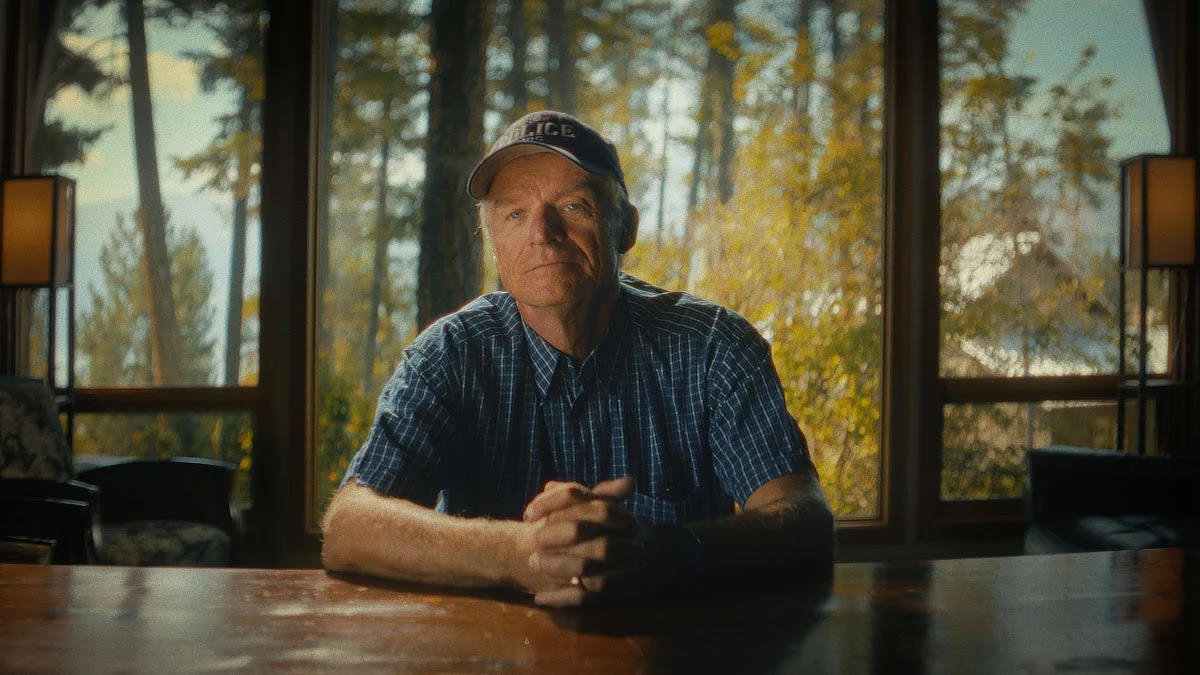
Incidentally, the diplomatic filmmakers never mention that Harvey resigned his office not long after the media finally resolved the Bush Boys story, due to unrelated allegations of financial irregularities. While not directly relevant, knowledge of his fate adds further irony, and another challenge to Vernon’s Canadian self-image.
The Bush Boys kerfuffle is an intriguing story that invites viewers to consider what it means to be a good neighbor and the responsibilities of community. The docuseries also offers a cautionary warning regarding the counter-productive anxiety generated by junk science-driven media health scares.
Ironically, “Will Green’s” resulting fear of “unhealthy” food ultimately caused him substantial dental problems, as the acid from the fruit he consumed literally rotted holes in his teeth. The stakes of the Bush Boys’ stay in Vernon mostly entail potential self-harm, which is sad, but never generates great suspense or outrage.
Baghdadi and Hammerling interview the four key players—the Green brothers, Ryder, and Proce—at great length, as well as the brothers’ true parents. The audience consequently gets a full picture of everyone’s intentions and motives.
However, the brothers’ lack of remorse for their deception, particularly with respect to Ryder, will likely frustrate viewers hoping for a big emotional payoff. The Bush Boys remain decidedly aloof presences throughout their own two-part series.
Even though “Wild Boys” has the look and vibe of true crime, Baghdadi and Hammerling approach their subjects with a good deal of compassion. But it’s hard to get a sense of what might be going on in their heads, despite the filmmakers’ extensive time spent with them.
The co-directors deserve credit for their honesty. Arguably, the two-parter might have flowed better as an uninterrupted feature. Recommended for the curious.
“Wild Boys: Strangers in Town” started streaming on Paramount Plus on Feb. 18.
‘Wild Boys: Strangers in Town’
Director: Rita Baghdadi, Jeremiah Hammerling
Documentary Series
Rating: TV-14
Running Time: 2 episodes (approximately 45 minutes each)
Release Date: Feb. 18, 2026
Rated: 3 stars out of 5
What arts and culture topics would you like us to cover? Please email ideas or feedback to features@epochtimes.nyc
