



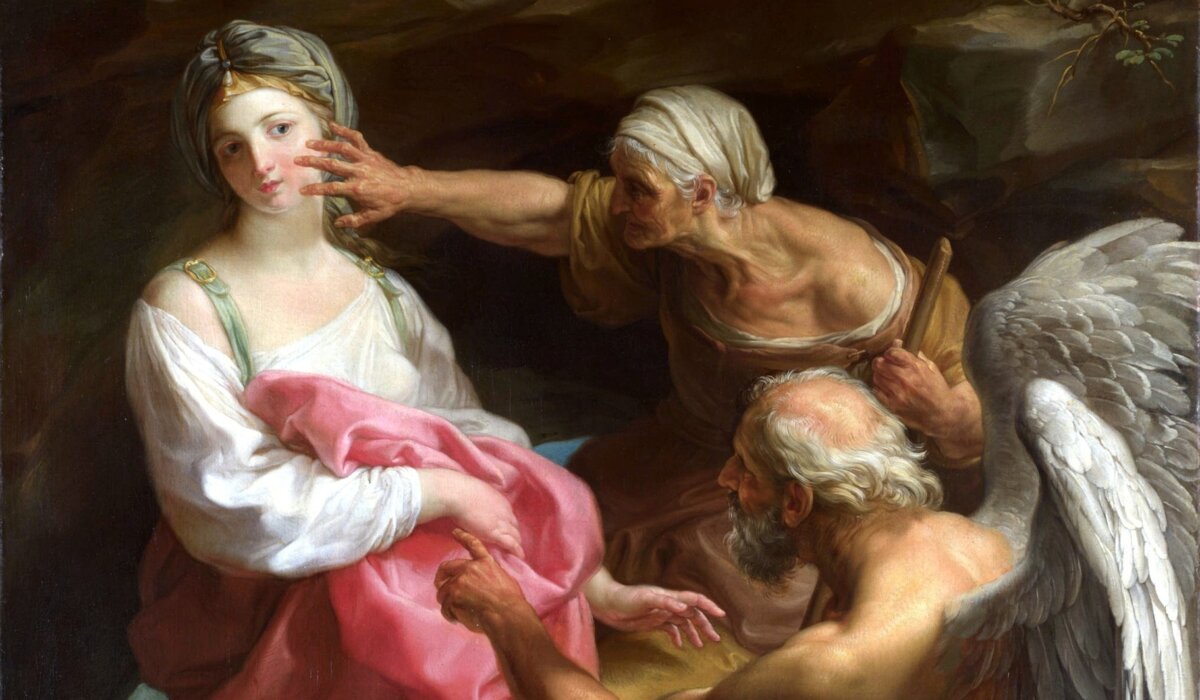
Time, as much as it is viewed as a precious gift, is also sometimes perceived as a relentless destroyer. It’s easy to value moments individually, yet something within the human spirit rebels against its own nature as a creature in time, against the mortal nature of the body. Most people fear running out of time, and long to outrun and escape its universal dominion.
Given how limited time is, it can often seem like there is no room for beauty, something that doesn’t have an immediately apparent function. What’s more, beauty often seems to have no practical value. But it’s also something that requires time to produce and more time to protect.
Beauty and Time
Beauty is fragile, easily eaten away by time. A flower takes much time to grow but little time to wilt or be trampled underfoot. A painting takes an immense amount of time to produce and can be lost or destroyed in a moment. In the face of time’s relentless onward march then, where does beauty stand?
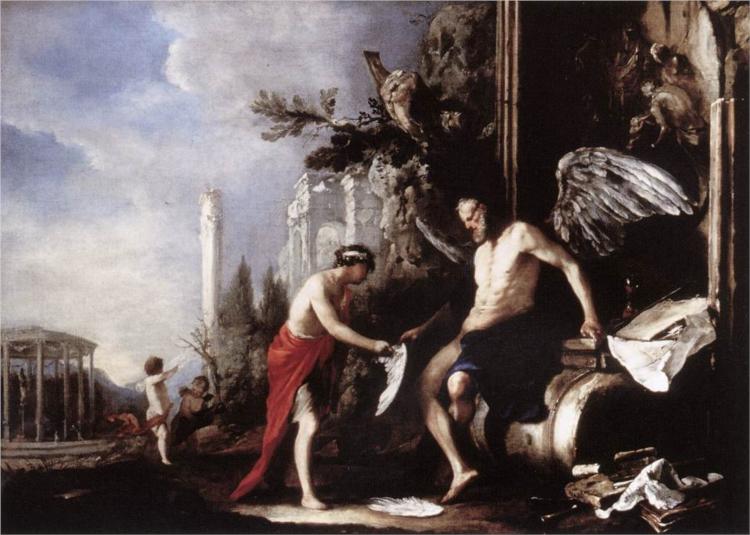
William Shakespeare, reflecting on time’s threat to beauty in “Sonnet 65,” asked this same question. Even what seem to be the most stable things in the world, he reflects, are powerless before time. Shakespeare muses then on how his love and the beauty of the beloved can be preserved.
Since brass, nor stone, nor earth, nor boundless sea
But sad mortality o’er-sways their power,
How with this rage shall beauty hold a plea,
Whose action is no stronger than a flower?
O, how shall summer’s honey breath hold out
Against the wrackful siege of batt’ring days,
When rocks impregnable are not so stout,
Nor gates of steel so strong, but time decays?
O fearful meditation! where, alack,
Shall time’s best jewel from time’s chest lie hid?
Or what strong hand can hold his swift foot back?
Or who his spoil of beauty can forbid?
O, none, unless this miracle have might,
That in black ink my love may still shine bright.
Neither strength (represented by brass and stone) nor vastness (represented by earth and sea) can withstand the decay of time. There is an inherent sorrow to mortality. As implied in the “rage” with which time consumes all things, time is a force which does not stop to listen to reason or the arguments of beauty.
Beauty seemingly has no defense, as implied in Shakespeare saying it cannot “hold a plea.” Time will not hear of any arguments for the stay of beauty’s execution.
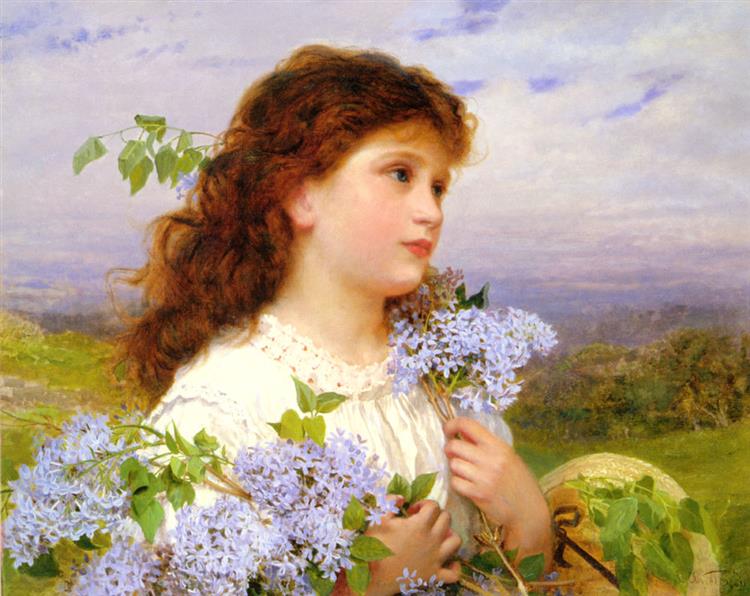
Time will not engage in intellectual battle, and beauty cannot engage in the brute warfare that time levels against it in a “wrackful siege of batt’ring days.” The fearful meditation of the poem is that “time’s best jewel,” the beloved one the poet speaks of, will be kept in “time’s chest” with all else stolen by time.
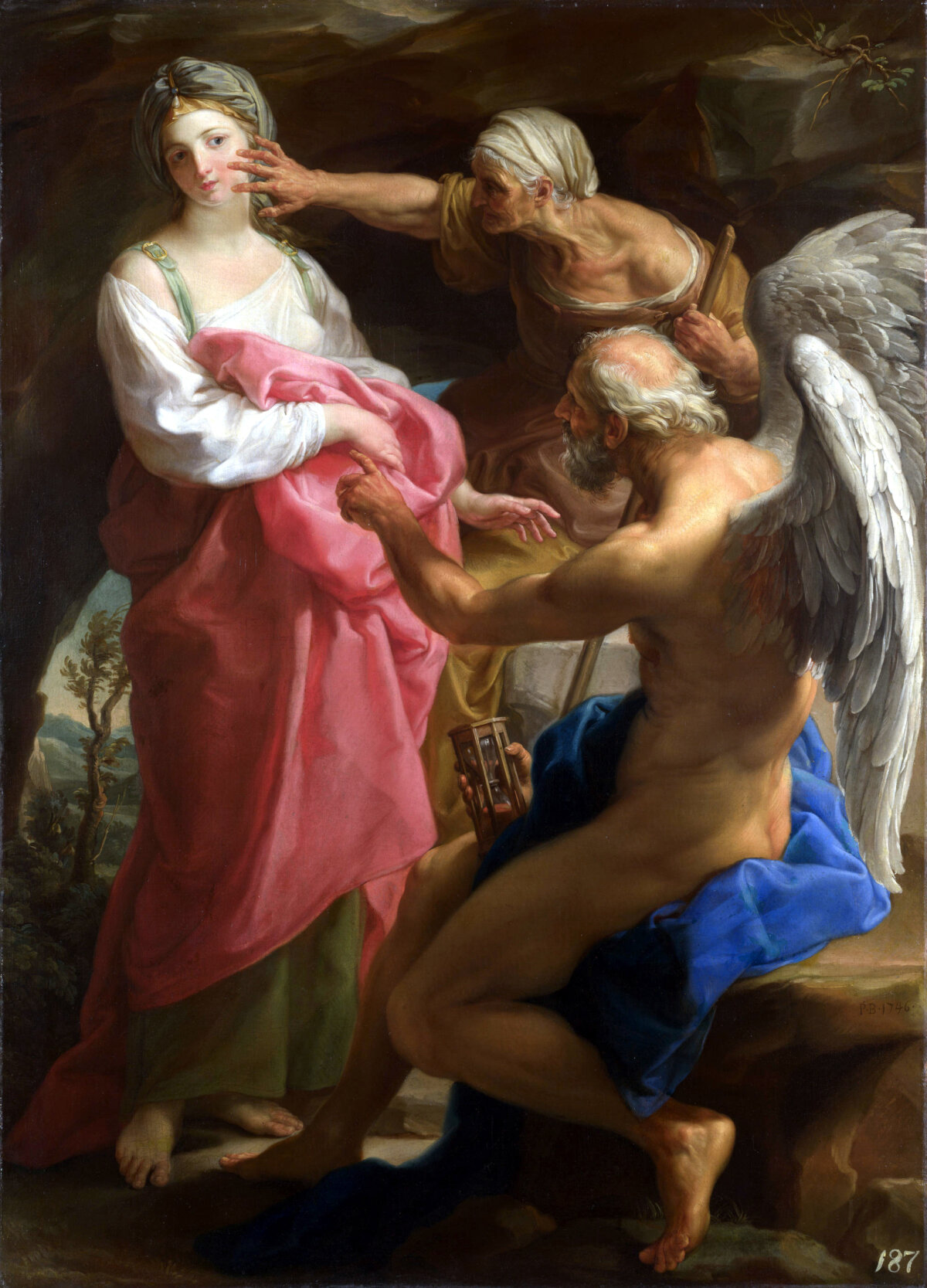
Nothing can hold back time’s hand, which despoils all things but also claims them as its spoils. Just as time is both a gift and a despoiler, those things which it claims are seen as both spoiled and spoils.
The Miracle of Ink
Similarly, there is a duality between the darkness of ink and its capability of preserving the brightness of the poet’s love. The “miracle” of the poem is that the seeming contradictions within the natures of these things (time, ink, and our own human nature) are able to exist simultaneously.
In a sense, it is proper to each of these things that there is an element of sorrow (the decay brought on by time, our own eventual death, and the darkness of ink). Even so, at the same time, the darkness of the ink can somehow communicate brightness, beauty can endure despite its fragility, and time can both have limitless power and be limited.
Beauty, even in its most fleeting forms, grants us a window into transcendent goods. We therefore value it as something standing almost outside of time. The beautiful thing itself is time-bound, but it points to something eternal that time’s decay cannot touch.
Transcendent Beauty
The speaker’s writing draws out this idea that is intimated by the beauty of the beloved, such that even after that beauty fades, the transcendent truth and goodness it points to remain accessible in the written word.
Arguably, art achieves its purpose when it directs the mind in this way. That black ink could preserve the brightness of youth is a miracle worthy of contemplation as the ink does something seemingly contrary to its own natural properties and yet fulfils the intended purpose of art.
Humankind is conscious of the bittersweet nature of time; we are able to recognize both the goodness of human life and the sorrow of our own mortality. Because of this, there is often a sense of melancholy or an almost painful wistfulness when mankind rejoices in something beautiful.
These emotions are owing to the sense that man is waiting for something greater: an eternal beauty to behold. As Shakespeare shows, human strivings and artistic efforts are in quest of this eternal beauty. We strive to preserve the beauty and love found in this life so that they may transcend time and mortality.
Through the poem, beauty, so delicate and easily lost to time, continues to shine on with a fierce luminosity, immortalized in verse.
What arts and culture topics would you like us to cover? Please email ideas or feedback to features@epochtimes.nyc
