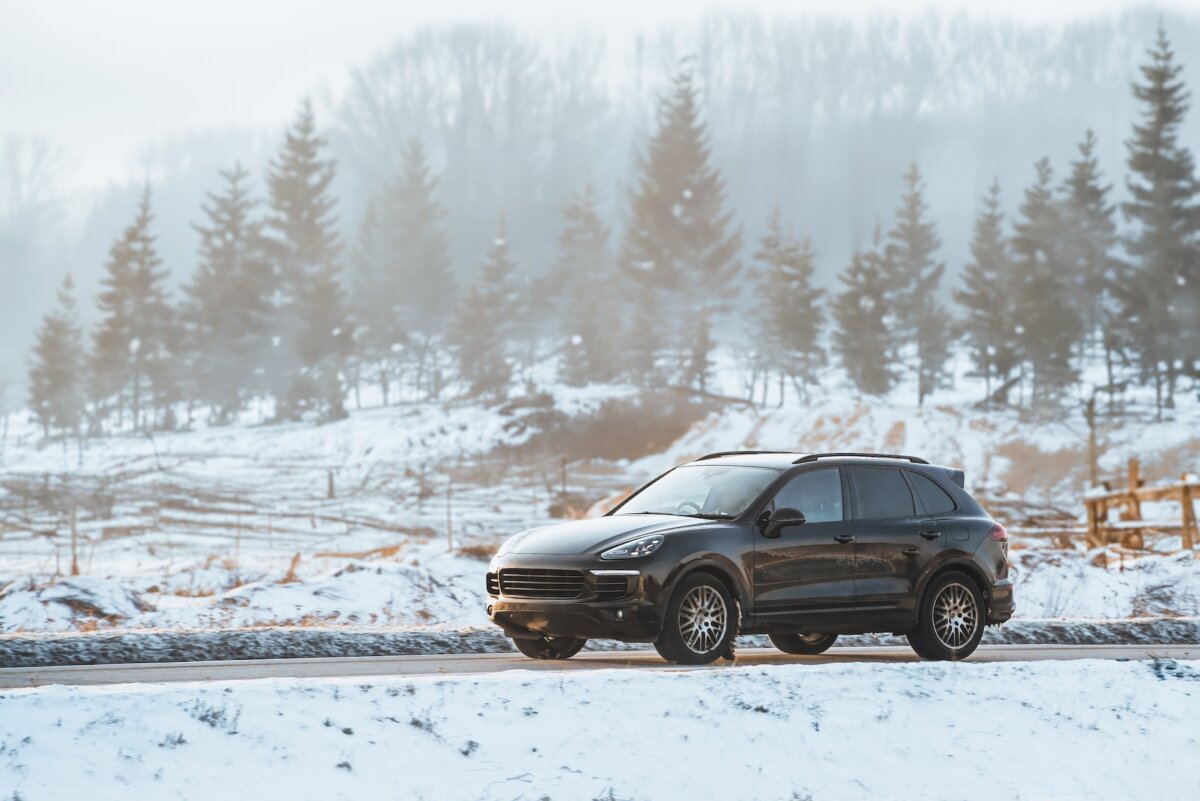
“Be prepared” is more than the motto of the Boy Scouts—it is also a good idea when facing the potentially poor conditions of winter driving.
Snow, ice, and freezing temperatures play havoc with roads, vehicles, and drivers, but with a bit of preparation, they can all be dealt with in stride. The trick is to be ready to react if the weather negatively affects driving conditions.
First, consider what could go wrong and then plot ways to mitigate it. Here are five ways to prep for winter driving.
1. Take Care of Auto Maintenance
The two phases of preparing for winter driving are prepping the vehicle and assembling emergency equipment.
Starting with the vehicle, the first task is to check and top off all fluids as needed, from motor oil to antifreeze. While it’s easy to get away with using water instead of windshield wiper fluid in the summer, dropping temperatures require using a fluid formulated to resist icing over.
On a related note, check the condition of the windshield wipers, and replace them if they are cracked or have a jagged wiping surface. Many auto parts stores will replace wiper blades at no charge when you purchase new blades.
2. Keep It Charged
Next, check the battery. If it is a wet cell battery with multiple reservoirs to inspect, add distilled water as needed to bring them to the full level, creating a dimple.
Use a battery load tester or a digital gauge to determine how well the battery is holding a charge; as the temperature drops, so too does the battery’s ability to deliver the volts needed to start the engine.
If the vehicle will not be driven regularly, plug it into a battery maintainer applicable to the type of battery in the vehicle—wet cell, gel, or AGM—to keep the battery fully charged. For best results, look for a maintainer that is designed to minimize or eliminate sulfation, which is a buildup of corrosion inside the battery that can shorten its useful life.
3. Turn On the Lights
Inspect and test the vehicle’s headlamps, taillights, emergency flashers, and turn signals, replacing worn-out bulbs as needed.
4. Prep the Tires for Snow
Check all tires for tread depth and proper inflation, including the spare tire. Cold temperatures can cause tires to lose pressure, so stash a portable air compressor in the trunk or cargo area for pumping them up as needed.
Consider adding tire chains or installing tires with a more aggressive tread pattern. In some states, it is permissible to install studded snow tires to ensure optimal traction on icy roads. However, not all states allow them, and some allow them only in specific winter months and only on certain roads, so be sure to check local and state regulations before having them installed.
If there’s a serious chance of getting stuck in the snow, consider traction boards. These are either one-piece or folding plastic boards that can be stored in the trunk of a car or an SUV’s cargo area until needed. In a pinch, use rubber floor mats to provide traction if the vehicle gets stuck in the snow. A bag of kitty litter can also provide traction. Add a small folding shovel and a pair of leather work gloves in case the car needs to be dug out of the snow.
5. Fuel Up
Throughout the winter driving season, top off the fuel tank often, keeping it full. This can help lessen the chances of running out of fuel in the event of a traffic delay, especially if the engine is kept running to keep the car’s interior warm.
In order to avoid spills or even fire, never store a full fuel container in a vehicle. Instead, keep an empty fuel container handy. It can be used to go get fuel in case the vehicle’s tank runs dry.
If the vehicle is electric, keep it fully charged, and be aware that cold temperatures sap the batteries, reducing the effective range.
Must-Have Gear
Windshield Scraper
An ice buildup on the windshield can restrict the driver’s visibility, which is never a good situation. While a de-icing windshield washer solution can help prevent additional icing, a low-tech ice scraper is the most effective way to clear a windshield of ice buildup.
For those new to winter driving, simply use the scraper’s edge to chip away ice, and then use the bush to remove it from the windshield.
Jumper Cables
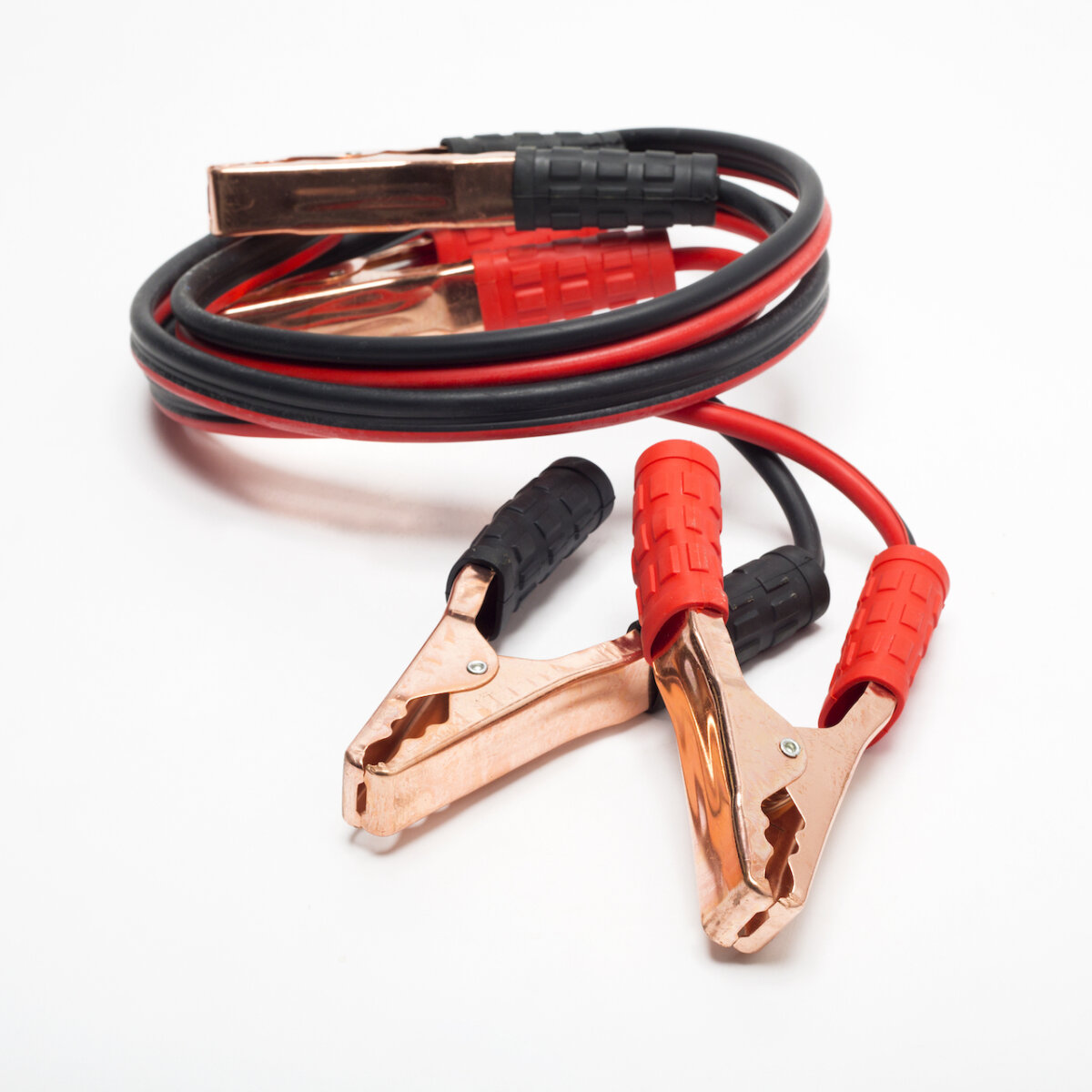
Jumper cables, or better yet, a portable electric jump starter, should be stored in every vehicle year-round, and especially in winter, when cold temps can render batteries unable to start the engine. Some compact electric jump starters are able to start even a large truck engine; many are equipped with accessory ports to recharge cellular phones.
Test it at the beginning of the winter driving season to make sure it holds a charge, and check it monthly thereafter. There’s nothing worse than needing to use it only to find its integral battery has gone flat.
Portable Radio
If a driver is forced to pull to the side of the road to await snow removal equipment, a portable, battery-powered radio can provide traffic and weather updates in case of an unexpected road closure.
Better yet, consider a crank-powered emergency radio, many of which also incorporate a small flashlight.
Warm Clothes
A blanket and a pair of mittens don’t require much room to store and could prove quite useful even if the vehicle isn’t stopped due to weather. If circumstances require pulling off onto the side of the road for an extended period of time, having these items handy could prove to be a very wise decision.
Emergency Pack
Other items that probably won’t be needed but are a good idea to have onboard include a basic first-aid kit complete with a tourniquet, bottled water, and energy bars in case of unexpected delays; a basic tool kit with duct tape; a small supply of necessary medications; and cash.
Find room to store a few flares—either the traditional highway flares or battery-powered lights. A flashlight can be useful year-round; check the batteries at least annually.