



Wilbur and Orville Wright are rightly credited with the first airplane flight, but at the Washington Flight Standards District Office of the Federal Aviation Administration, analyst Maria Papageorgiou points out that creating the airplane was one thing. Maintaining aircraft integrity created a whole new (largely unsung) group of heroes.
She said, “If it hadn’t been for the engine that Charles E. Taylor built for the Wright brothers’ aircraft, the date Dec. 17, 1903, would have marked nothing more than a day at the beach in Kitty Hawk, N.C. It was Taylor’s engine that turned the Wright glider into the history-making Wright Flyer.”
Taylor’s called the “Father of Aircraft Maintenance” for his work handcrafting the first practical aircraft engine. According to Papageorgiou, Taylor should rightly be credited with pioneering the skills of aircraft maintenance as he maintained the integrity and airworthiness of the first series of Wright Flyers. To preserve his memory and to honor all aviation maintenance technicians (AMT), Taylor’s birthday, May 24, has been named AMT Day.
The Machinist
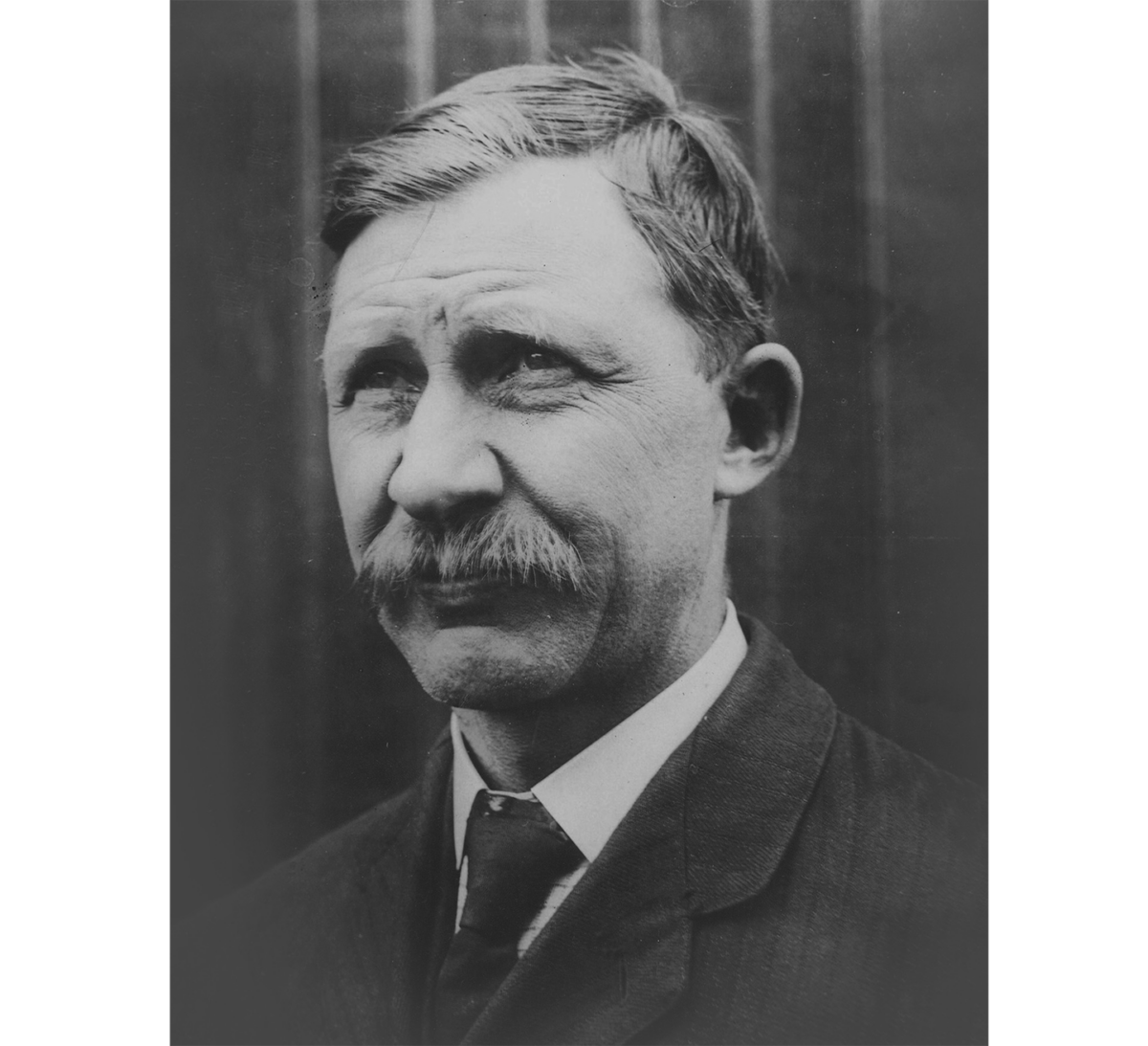
Taylor was born in a log cabin in Illinois in 1868. The son of a hog farmer, he possessed a natural talent for working with tools and machinery, which led him to become a skilled machinist. It is said that he began his career making metal house-address numbers, and this enabled him to start his own shop. In 1894, he married Henrietta Webbert. Two years later, he moved his family to Dayton, Ohio, where he operated a machine shop.
It was through Henrietta’s family that Taylor met two brothers who operated a bicycle shop in Dayton: Wilbur and Orville Wright. They asked Taylor to make some parts for their bicycles. This began a relationship that changed the world.
Eventually, the Wright brothers invited Taylor to work at their bicycle shop. When the brothers went to the beach at Kitty Hawk, North Carolina to test their gliders, Taylor took care of the shop, repairing and selling bicycles.
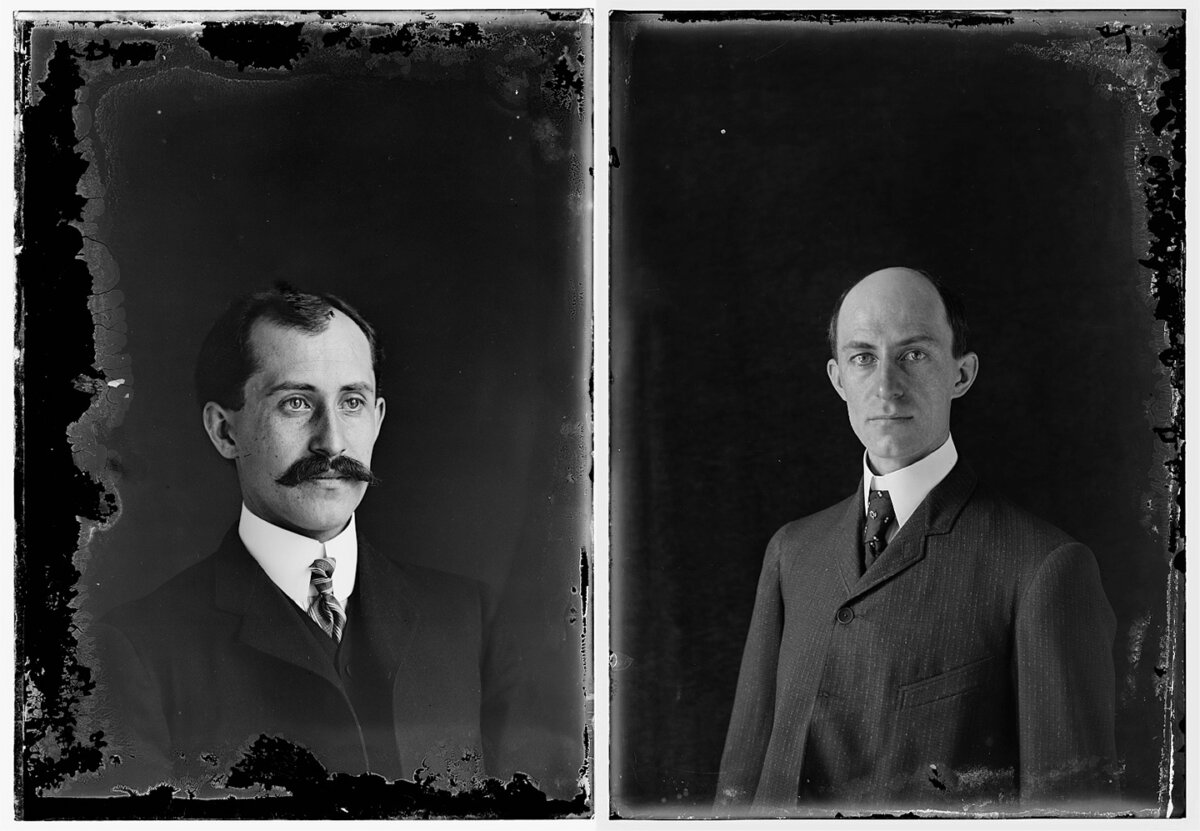
Once Wilbur and Orville were ready to add a motor to their machine, they wrote to several automobile companies. Only one responded, but its engine was too heavy. After the brothers unsuccessfully tried to find a manufacturer of a light engine, they turned to their own trusted machinist. They asked Charlie Taylor if he could build such an engine, and he responded “Sure!”
The ‘Impossible’ Engine
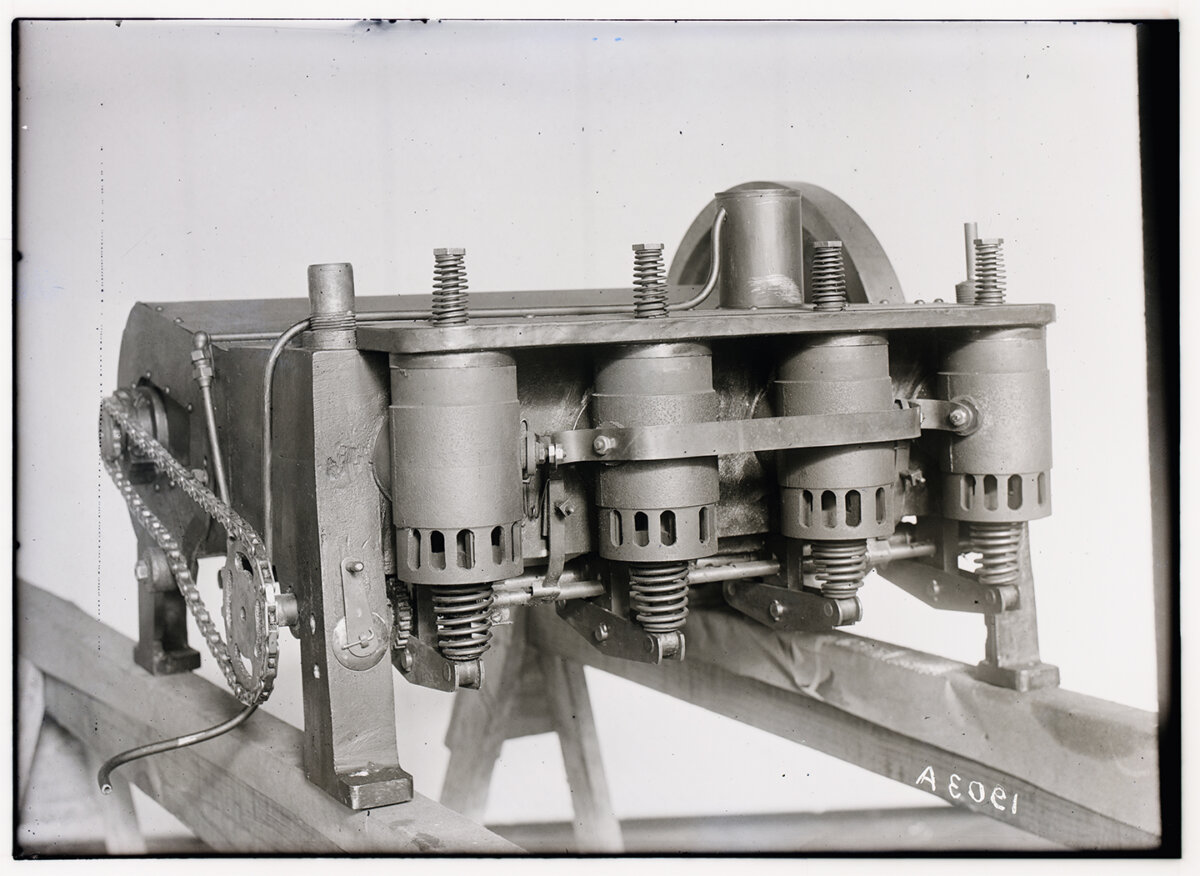
The Wrights were working on the design of the craft’s twin propellers and had determined that the engine could weigh only 180 pounds at maximum. It would have to deliver over eight horsepower. Taylor sketched out the engine’s design on a napkin. These three ingenious young men crafted the impossible engine and none of them had been to college.
Taylor handcrafted a relatively simple, four-cylinder engine in just six weeks. Beginning with a block of aluminum, he drilled it out and milled it using basic shop tools. His little four-cylinder engine, with a four-inch stroke and a four-inch bore, ended up weighing 180 pounds and delivered 12 horsepower.
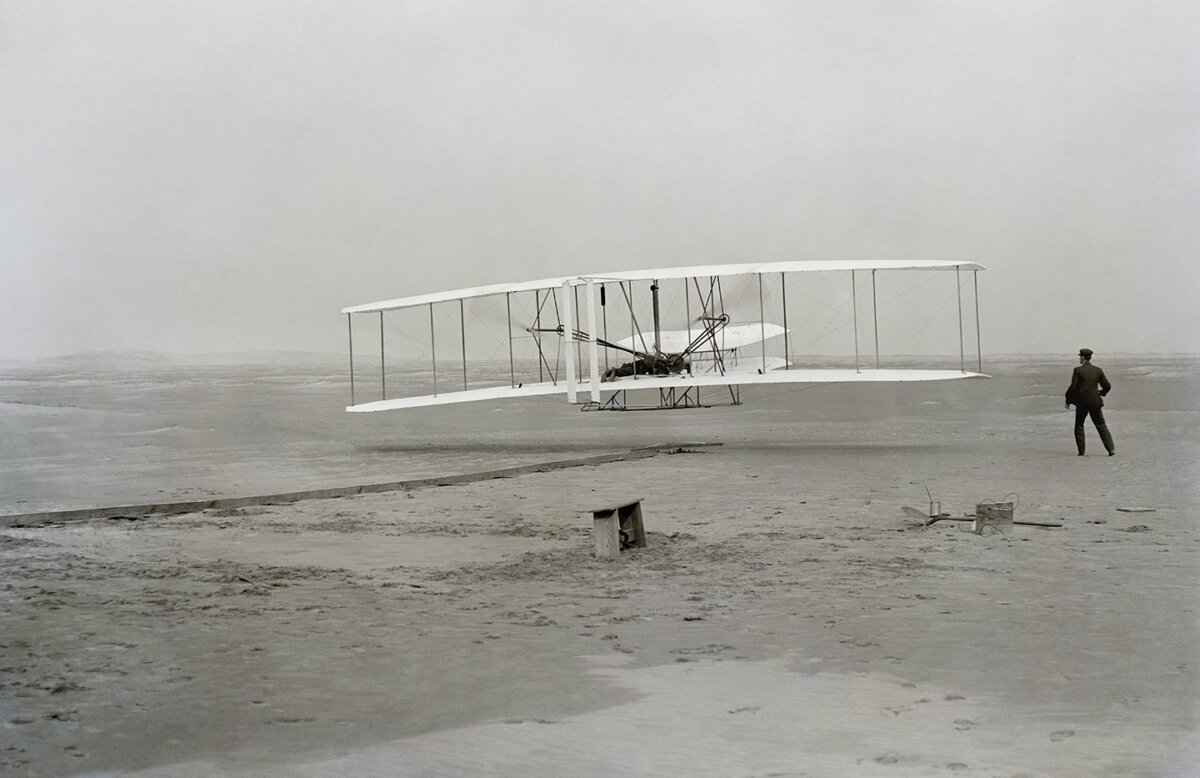
On Dec. 17, 1903, Taylor’s hand-built engine propelled the Wright Flyer on the world’s first successful powered flight. Getting off the ground was all about weight. Taylor not only built the engine, he became the first ever “airplane mechanic,” supporting the Wrights’ powered flights.
The ‘Other Wright Brother’
In David McCullough’s book “The Wright Brothers,” he details the journey from short flights launching into the wind from a track on the beach at Kitty Hawk to a practical heavier-than-air craft capable of sustained flight. Taylor was now an indispensable member of the Wright team, accompanying them as they demonstrated the aircraft.
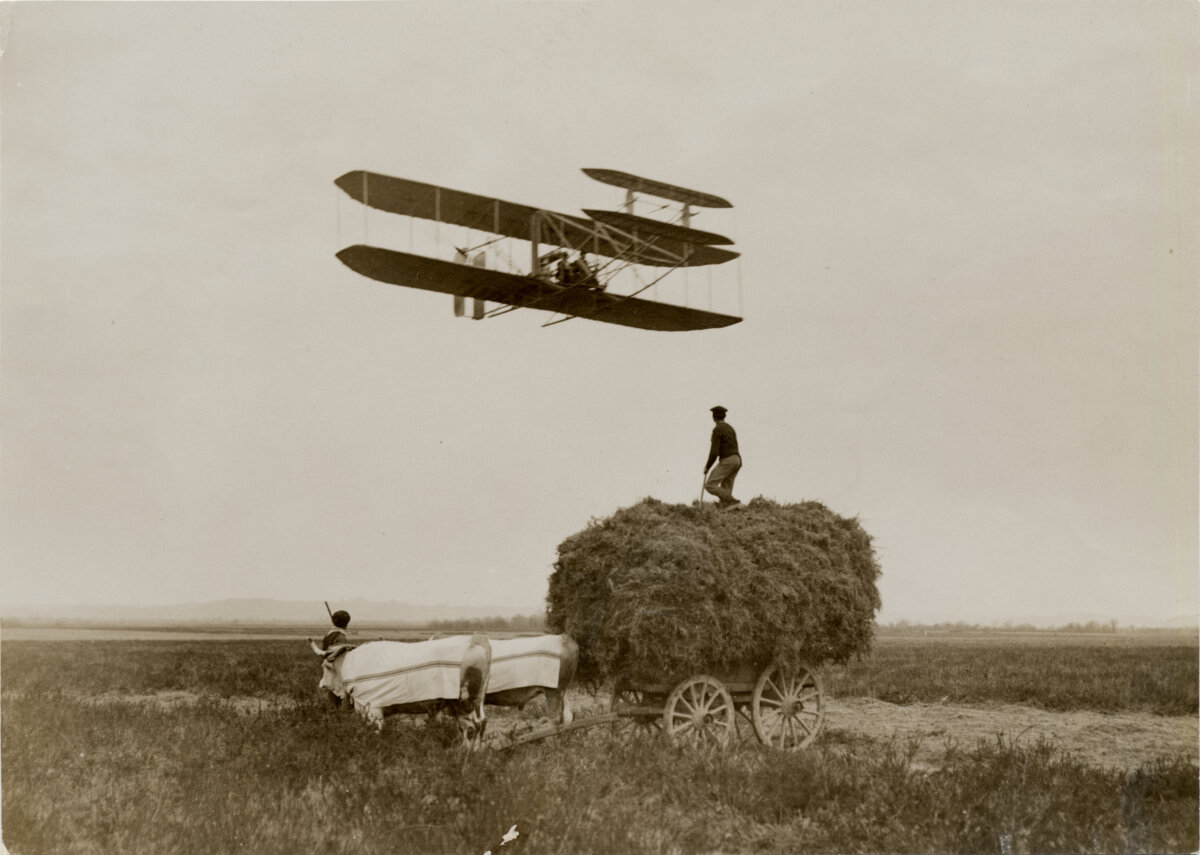
For the next five years, Taylor worked with the Wrights to build a sturdier, more powerful version of the Flyer—one that had practical military and commercial applications. Initially, Taylor stayed with Orville in the United States, while Wilbur went to France to demonstrate the airplane.
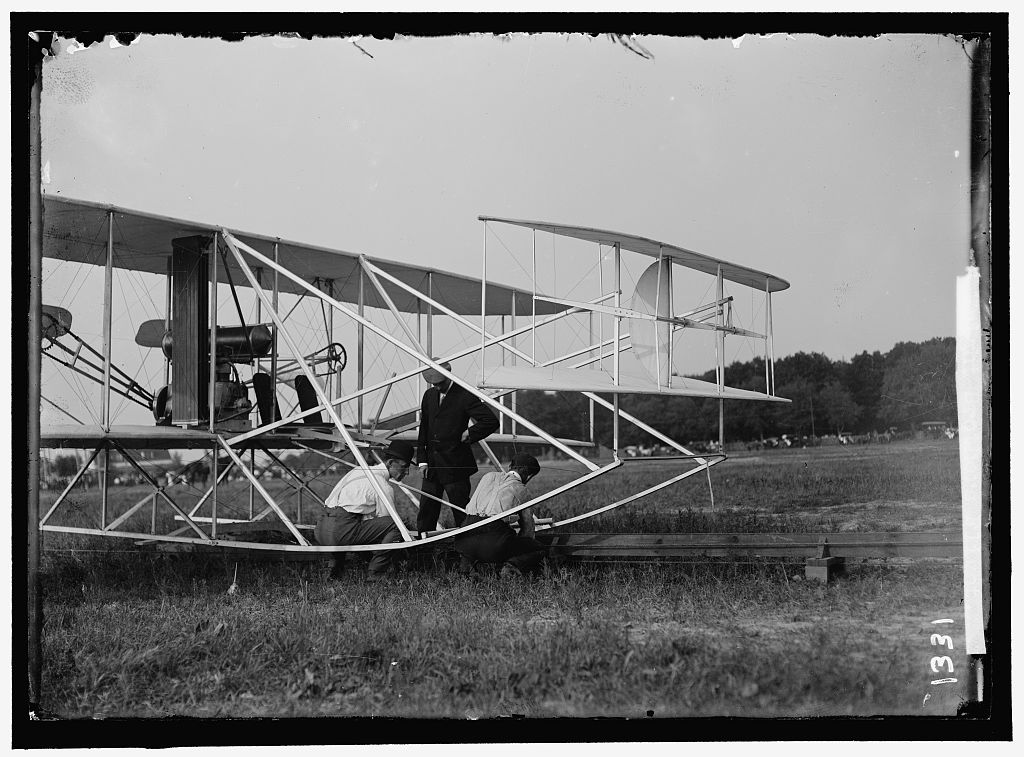
In September of 1908, Orville was demonstrating the flying machine at Fort Myer, Virginia. He promised to take Taylor up in the Flyer but in a fateful, last-minute decision, he took Lt. Thomas Selfridge instead. On that flight, one of the propellers malfunctioned. The plane plummeted to the ground, killing Selfridge and seriously wounding Orville.

While Selfridge became the world’s first aircraft fatality, Taylor had missed a brush with death. He removed the bodies of the men from the wreckage—the unconscious Orville and the deceased Selfridge. Tests at Fort Myer ceased as Orville began a long and painful recovery. Meanwhile, Wilbur was in France setting records and becoming an international sensation.

Taylor packed his bags and joined Wilbur in France. The boy who grew up in a log cabin on a hog farm was now using his mechanical brilliance to provide essential support for a machine that would change the world.
Contributing to Transcontinental Flight
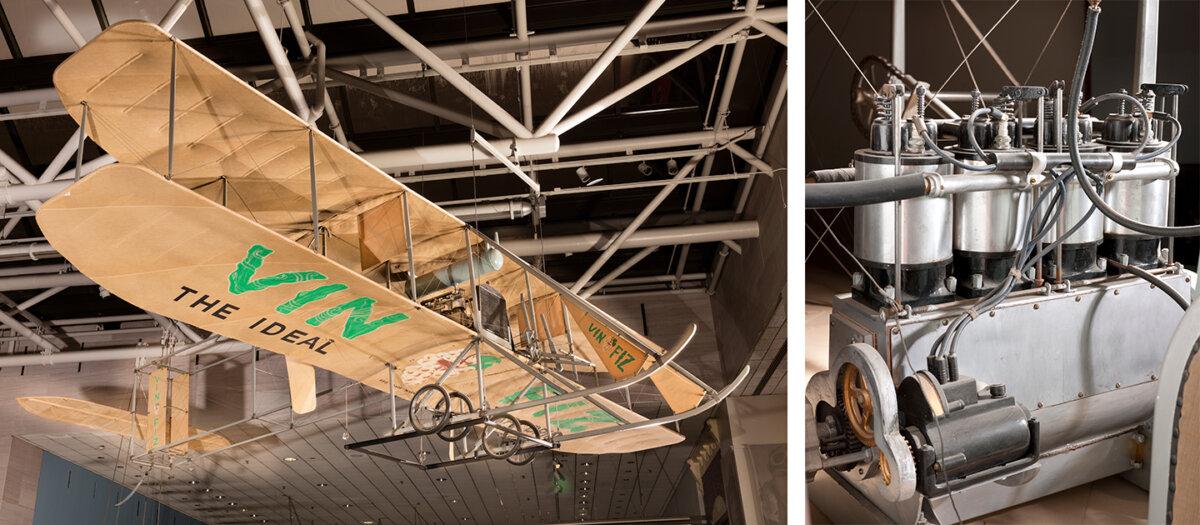
By 1911, Taylor was training aviators at Huffman Prairie, the Wright’s flying field near Dayton. One of these early pilots was Calbraith Perry Rodgers, who was descended from a long line of naval heroes. When publishing magnate William Randolph Hearst offered a prize for the first flight across the continental United States, Rogers decided to try for it in a Wright EX sponsored by the Vin Fiz soft drink company. Taylor left the Wright company to become Rodgers’s mechanic.
From the beginning, the attempt was fraught with problems: The engine exploded twice and the plane crashed a few times, but was repairable. Rodgers did not even carry a compass, he navigated by following railroad tracks. He got lost several times, but he refused to give up. Even when all hopes of winning the Hearst prize were dashed, Rodgers pressed on, supported by the equally determined Taylor.
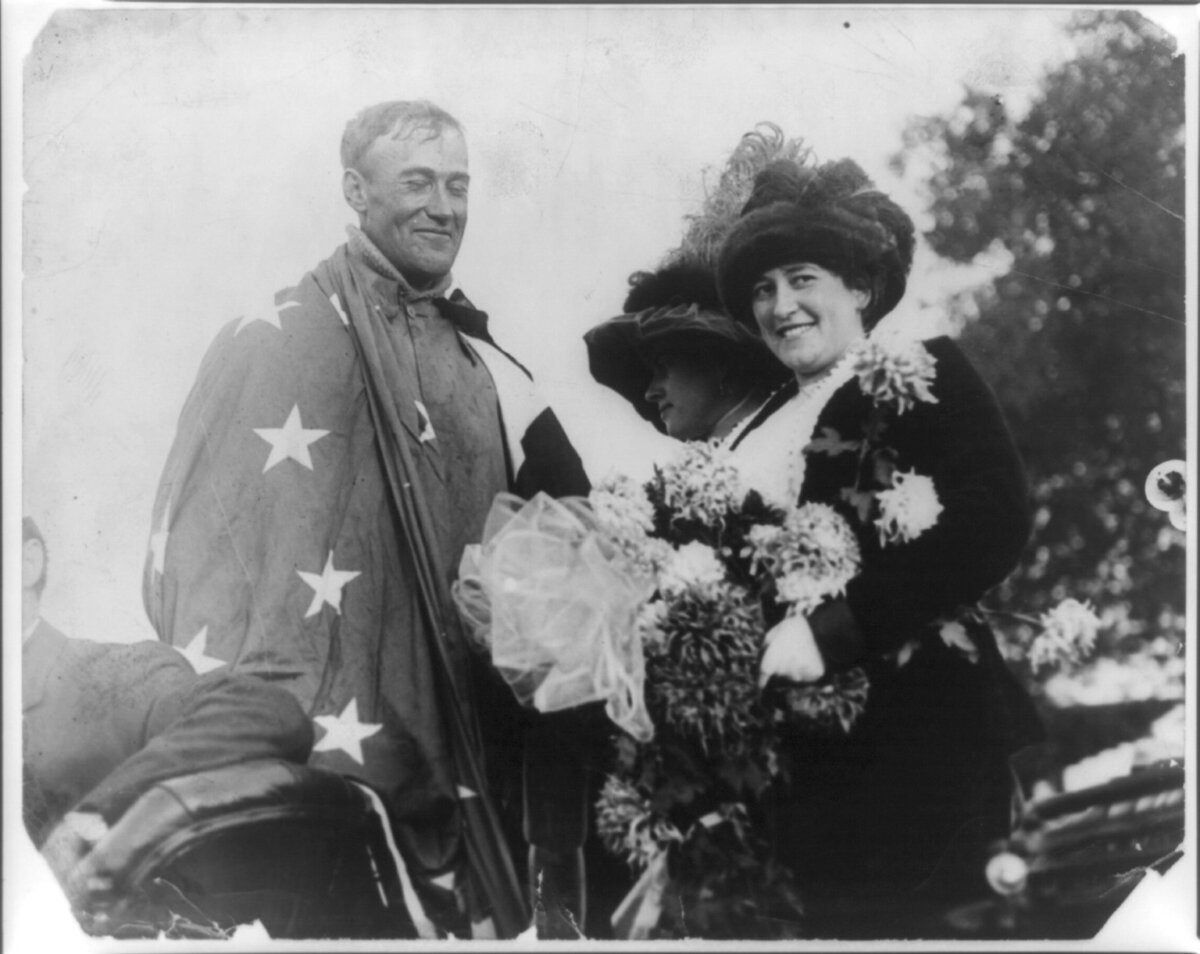
The public loved it, and the flight of the Vin Fiz ended up becoming a strong argument for the possibility of transcontinental flight. Eighty-four days after he lifted off from a racetrack in Brooklyn, New York, Rodgers rolled the Vin Fiz into the surf at Long Beach, California on Dec. 10, 1911, to 50,000 cheering onlookers.
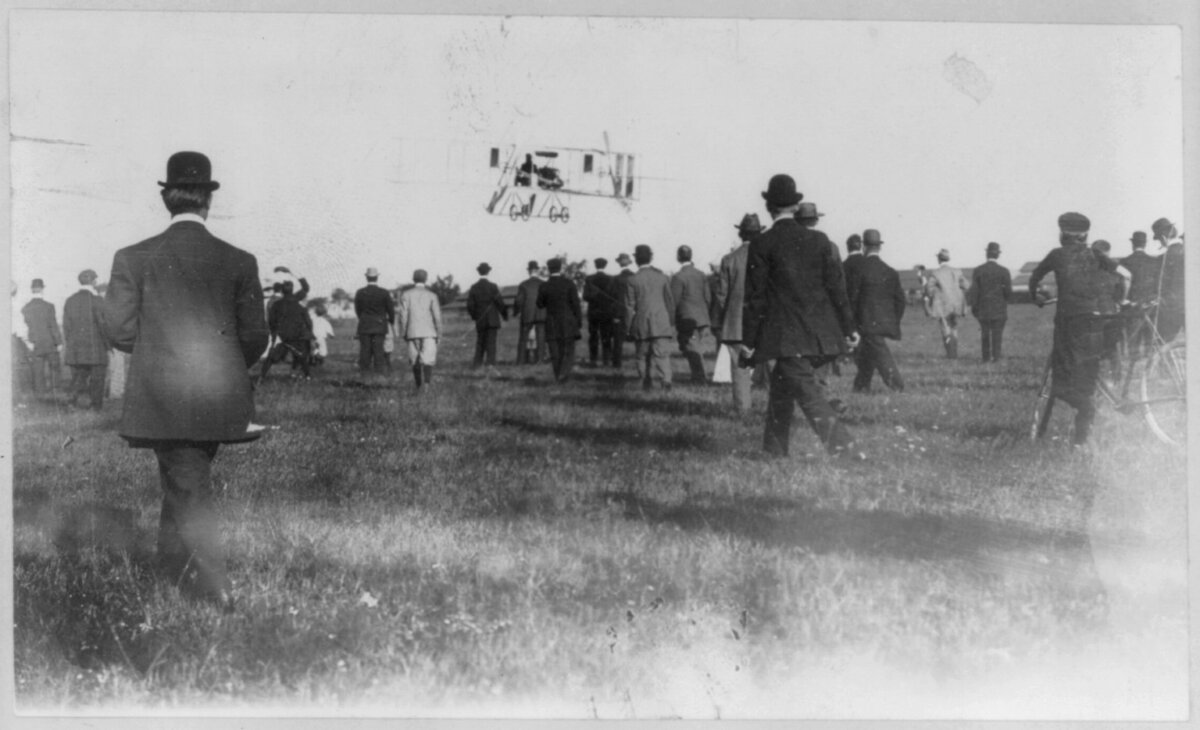
In the years that followed, Taylor worked for dirigible designer A. Roy Knabenshue and another early aviation pioneer Glen L. Martin. He returned to the Wright company in 1912 and remained with Orville Wright’s laboratory until the aircraft manufacturing company was sold in 1915.
Orville had originally wanted to discard the Wright Flyer, but Lester D. Gardener, the publisher of Aviation Magazine, had written him a letter asking if plane could be displayed at the Massachusetts Institute of Technology (MIT). It was Knabenshue, the balloonist, who convinced Orville that the machine was truly worth preserving. He saw it as representing a revolution in flight.
A year later, Taylor helped to restore the original Wright Flyer for exhibition at MIT.
Tribute to American Ingenuity
In 1928, Taylor moved to California and worked in a machine shop in Los Angeles. When the Depression hit, he was out of work and he lost money speculating in real estate. In 1937, Henry Ford wanted to preserve the memory of the invention of the airplane by moving the Wright’s original bicycle shop and the house they lived in to his Greenfield Village living history museum in Dearborn, Michigan. Standing alongside Thomas Alva Edison’s laboratory, the museum site would be a tribute to American inventiveness.
Ford hired Taylor to work with Fred Black, the director of the project, to restore the shop. Together they located and acquired much of the original machinery and furnishings. Relying on Taylor’s memory, they recreated the home and the workplace of the pioneers of flight. The 70-year-old Taylor also built a replica of the first airplane engine for the museum. The exhibit was dedicated in 1938.
In 1941, Taylor returned to California. He corresponded regularly with Orville, hoping at some point to join him again in the laboratory. Sadly, Orville’s health was declining and he died in 1948. In his last note to Taylor, he wrote; “I hope you are well and enjoying life; but that’s hard to imagine when you haven’t much work to do.” However, Taylor continued to work as a machinist, passing away in 1956 at the age of 88.
What arts and culture topics would you like us to cover? Please email ideas or feedback to features@epochtimes.nyc
