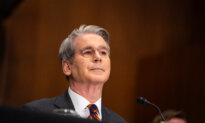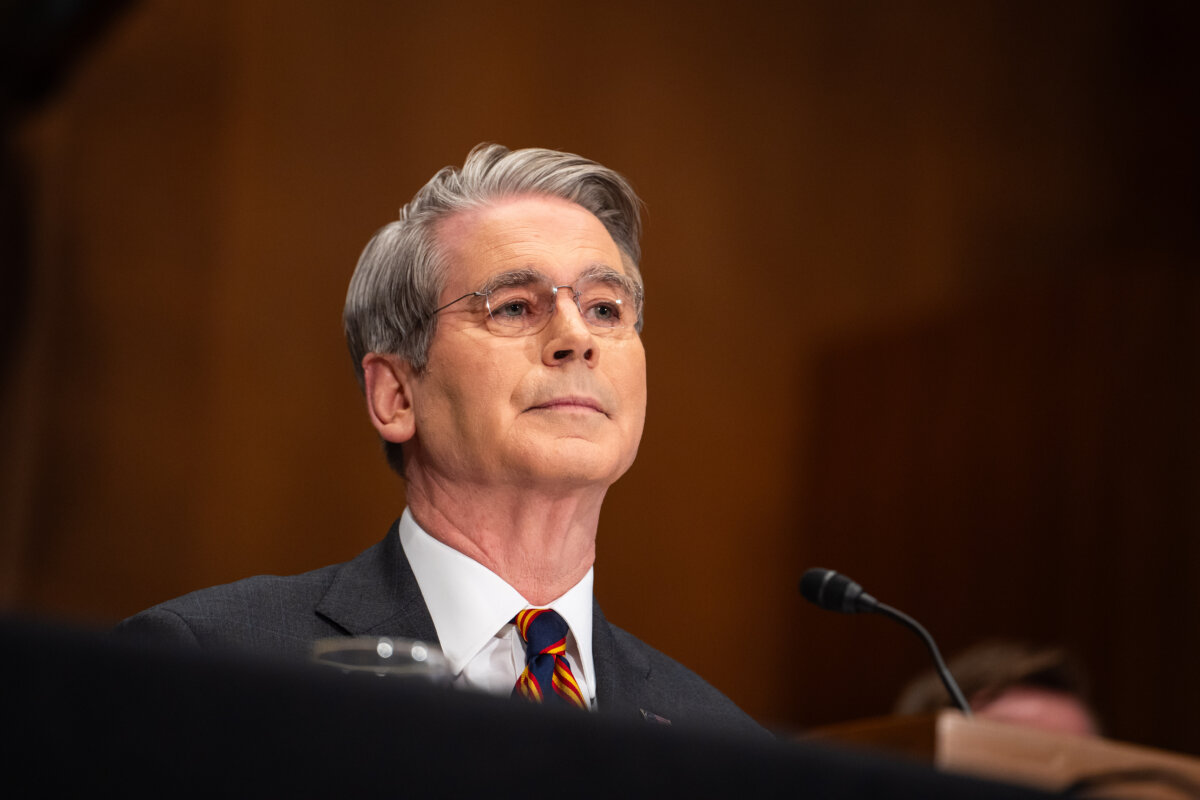

U.S. Treasury Secretary Scott Bessent said on March 6 that the United States may consider easing sanctions on more Russian oil after granting India a 30-day waiver to purchase Russian crude.
The Trump administration previously raised tariffs on India over its imports of Russian oil, as the United States seeks to cut off funding for Russia’s war and pressure Moscow to end its war in Ukraine.
Bessent said in a Fox Business interview that his department decided on March 5 to issue India a waiver, but it would only allow the purchase of Russian oil that was already on the water.
“The Indians had been very good actors,” he said. “We had asked them to stop buying sanctioned Russian oil this fall. They did. They were going to substitute it with U.S. oil, but to ease the temporary gap of oil around the world, we have given them permission to accept the Russian oil.”
Bessent also said the United States “may unsanction other Russian oil” to ensure sufficient supply amid the conflict in Iran.
“There are hundreds of millions of barrels of sanctioned crude on the water, and in essence, by unsanctioning them, Treasury can create supply. And we are looking at that,” he said.
“We’re going to keep a cadence of announcing measures to bring relief to the market during this conflict.”
The escalating conflict in the Middle East has caused many tankers to stop transiting the Strait of Hormuz, a vital maritime chokepoint for global oil and gas shipments.
Oil prices have risen sharply since U.S.–Israeli military operations against Iran began at the end of February. Iran has retaliated with a series of strikes on Israel and U.S. bases in Gulf nations.
A barrel of West Texas Intermediate—the U.S. benchmark for oil prices—soared by 14 percent to more than $92 on the New York Mercantile Exchange on March 6.
Brent, the international benchmark for crude prices, also advanced by almost 10 percent, to about $93 a barrel on London’s ICE Futures exchange.
The national average price for a gallon of regular gasoline increased by nearly 27 cents in the seven days ending on March 5, from $2.98 to about $3.25, according to the American Automobile Association.
U.S. President Donald Trump said on March 3 that he has directed the U.S. International Development Finance Corp. to begin offering political risk insurance and financial guarantees to support the security of all maritime trade moving through the Gulf.
Trump also said U.S. Navy escorts for tankers transiting the Strait of Hormuz could be deployed if necessary.
“No matter what, the United States will ensure the free flow of energy to the world,” the president said in a Truth Social post. “The United States’ economic and military might is the greatest on Earth.”
Andrew Moran contributed to this report.
 Friends Read Free
Copy
Facebook
Tweet
Friends Read Free
Copy
Facebook
Tweet