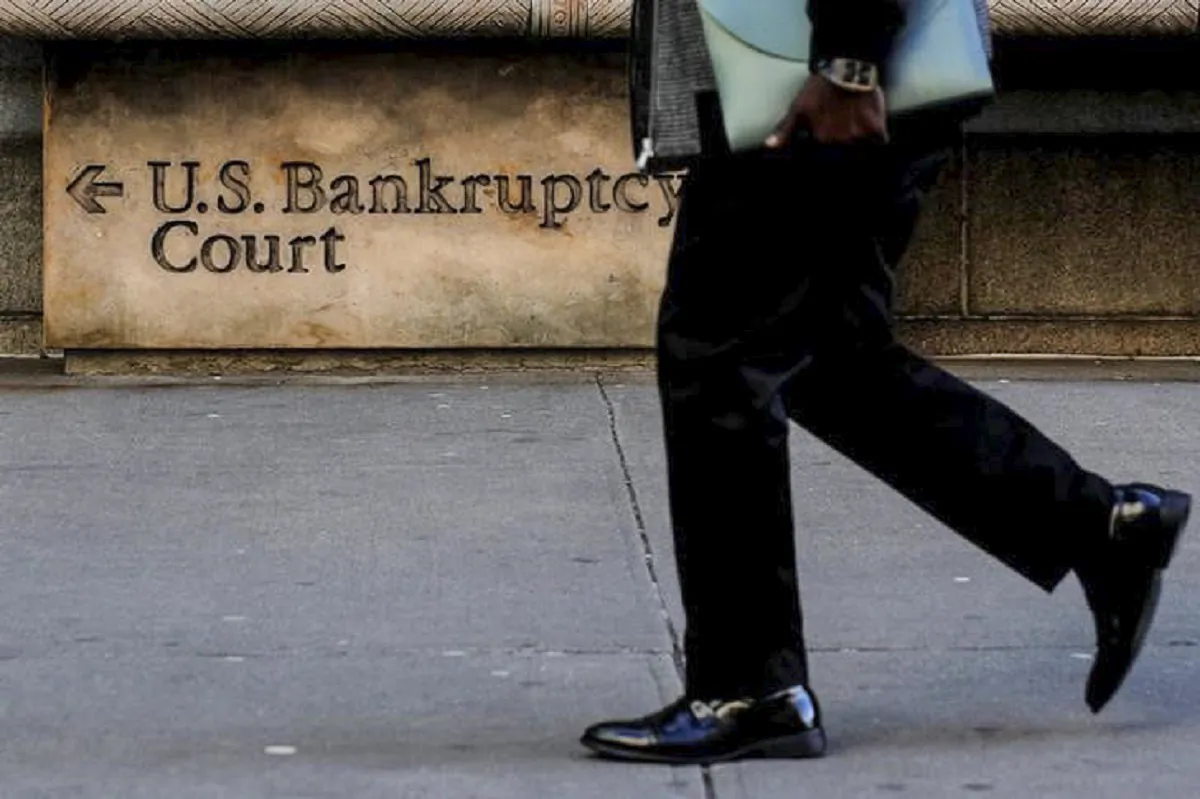

Commercial Chapter 11 bankruptcy filings jumped by 37 percent in the first quarter of 2026 from the same period last year, the American Bankruptcy Institute (ABI) said in an April 3 statement.
A Chapter 11 bankruptcy seeks to reorganize a company’s debts and enable the entity to remain operational and become solvent. This is the most common bankruptcy filing made by businesses. According to the institute, there were 2,422 commercial Chapter 11 filings in the first quarter of 2026, up from 1,764 filings in the same quarter of 2025.
Among Chapter 11 filings, “subchapter V elections for small businesses increased 67 percent in the first quarter of 2026, as the 833 filings were up over the 499 registered during the first quarter of 2025,” the ABI stated.
Commercial bankruptcy filings during the first quarter, including Chapter 11 and other types, rose by 14 percent year-over-year during the first quarter.
“Persistent inflation, high interest rates, restricted credit, and global instability continue to compound the economic challenges of struggling families and small businesses,” ABI Executive Director Amy Quackenboss said.
“ABI supports the efforts of Congress to permanently expand access for both distressed small businesses looking to restructure under subchapter V.”
Last month, a bipartisan group of lawmakers introduced the Bankruptcy Threshold Adjustment Act of 2026 to permanently raise the debt limit for small businesses seeking reorganization under Chapter 11, according to a March 5 statement from the office of Rep. Ben Cline (R-Va.).
The higher debt limit allows more small businesses to access a “faster, more cost-effective bankruptcy process while negotiating with creditors, keeping their doors open, employees on payroll, and suppliers paid,” the lawmakers said in a joint statement announcing the legislation.
So far this year, several large businesses have filed for bankruptcy in the United States.
On March 15, Illinois-based crypto trading company BlockFills announced that it had filed for Chapter 11 bankruptcy after facing liquidity challenges.
In January, a Popeyes franchisee, Sailormen Inc., which operated 136 outlets in Florida and Georgia, filed for Chapter 11 after facing mounting financial challenges due to several macroeconomic factors, including high inflation and borrowing rates.

The same month, high-end department store Saks Global also filed for Chapter 11, aiming to ensure that it had enough time to negotiate a debt restructuring.
SBA Cuts, Improved Business Conditions
Amid rising bankruptcies, the Trump administration has come under criticism for seeking to slash the Small Business Administration’s (SBA’s) budget.
The administration has requested $329 million for SBA in fiscal year 2027, a decline of $671 million, or 67 percent, from the 2026 level, according to a government budget document.
Sen. Edward J. Markey (D-Mass.) criticized the Trump administration’s SBA budget cut, calling it “drastic,” according to an April 3 statement from the Senate Committee on Small Business and Entrepreneurship.
“Once again, the Trump administration is showing that it is actively working against America’s 36 million small businesses,” Markey said. “Trump’s proposed cuts to the SBA are a nightmare for Main Street.”
“This administration is taking an axe to the federal resources and funding that helps small businesses grow and thrive. And this administration refuses to listen when Main Street says they’ve had enough of Trump’s reckless economic policies, turning Main Street into Pain Street.”
In the document, the administration clarified that some of the cuts it is implementing target programs deemed to be wasteful.
The budget eliminates $309 million from entrepreneurial development programs that “waste taxpayer dollars on failed business counseling and training programs.” This includes programs for supporting “LGBTQIA-Owned Businesses” and a $100 million grant for organizations that offer resources based on race and gender.
The administration outlined a cut of $170 million in salaries and expenses at the SBA, highlighting that these costs had grown by 34 percent under the previous administration.
While bankruptcies have been rising, business conditions have generally improved. The National Federation of Independent Business said in a March 10 statement that businesses across the country reported higher sales and less uncertainty in February.
Owners said that they felt “more certain in February as they look toward the coming months,” National Federation of Independent Business Chief Economist Bill Dunkelberg said.
An April 3 report from S&P Global states that there were “higher levels of business activity” in five out of seven U.S. sectors in March.
While consumer services and technology sectors reported a decline in business activity, consumer goods, financials, health care, industrials, and basic materials sectors recorded increased activity.
 Friends Read Free
Copy
Facebook
Tweet
Friends Read Free
Copy
Facebook
Tweet