
Electric vehicles are expected to account for nearly one-third of all new vehicles sold worldwide this year, as rising fuel prices make them more attractive to buyers.
The projection follows another year of strong growth for the EV market. Global EV sales topped 20 million in 2025, up 20 percent from the previous year, according to the latest report from the International Energy Agency (IEA), which was released on May 20. The intergovernmental organization expects roughly 23 million EVs to be sold in 2026, a further 15 percent increase.
“The growing popularity of EVs has marked a major shift for car markets and the energy system as a whole—and it is providing some relief now amid the largest oil supply shock in history,” IEA Executive Director Fatih Birol said in a news release.
Sales Dip in Early 2026 After Policy Changes
Despite the strong annual outlook, global EV sales fell by 8 percent in the first quarter of 2026 compared with the same period a year earlier, according to the IEA. The decline followed reductions in government subsidies in China and the United States, two of the world’s largest EV markets.
In China, EV buyers were fully exempt from the country’s 10 percent vehicle purchase tax last year, but they’re now subject to a 5 percent levy. Chinese buyers who trade in an old vehicle can still receive up to 20,000 yuan, or about $2,800, but that benefit is now calculated as 12 percent of the new EV’s price rather than offered as a flat payout.
In the United States, federal EV tax credits—up to $7,500 for new EVs and $4,000 for used ones—ended early for all buyers on Sept. 30, 2025, years before they were originally scheduled to expire in 2032.
Global EV Market Maintains Momentum
The first-quarter decline, however, was expected to be offset by strong sales growth in many other countries and regions.
EV sales in Europe rose by nearly 30 percent year over year in the first quarter of 2026, the IEA said. Sales in the Asia-Pacific region outside China surged by 80 percent, while Latin America recorded a 75 percent increase.
The IEA said nearly 90 countries posted year-over-year EV sales growth in March, and about 30 countries set monthly sales records. The report projects that the global EV fleet could grow from nearly 80 million vehicles today to as many as 510 million by 2035, even without additional policy announcements.
China, meanwhile, remained by far the world’s largest EV market, with nearly 13 million electric cars sold in 2025. EVs accounted for close to 55 percent of all new cars sold in the country.
“Looking ahead, the falls we have seen in battery prices and the potential policy responses to the current global energy crisis are set to provide further momentum in EV markets,” Birol said.
China Dominates EV Production and Exports
China remains the world’s dominant EV manufacturing hub. The country produced nearly three-quarters of the almost 22 million electric cars made globally last year, according to the IEA.
Chinese automakers supplied about 60 percent of all EVs sold worldwide in 2025. By comparison, European and North American automakers each accounted for about 15 percent.
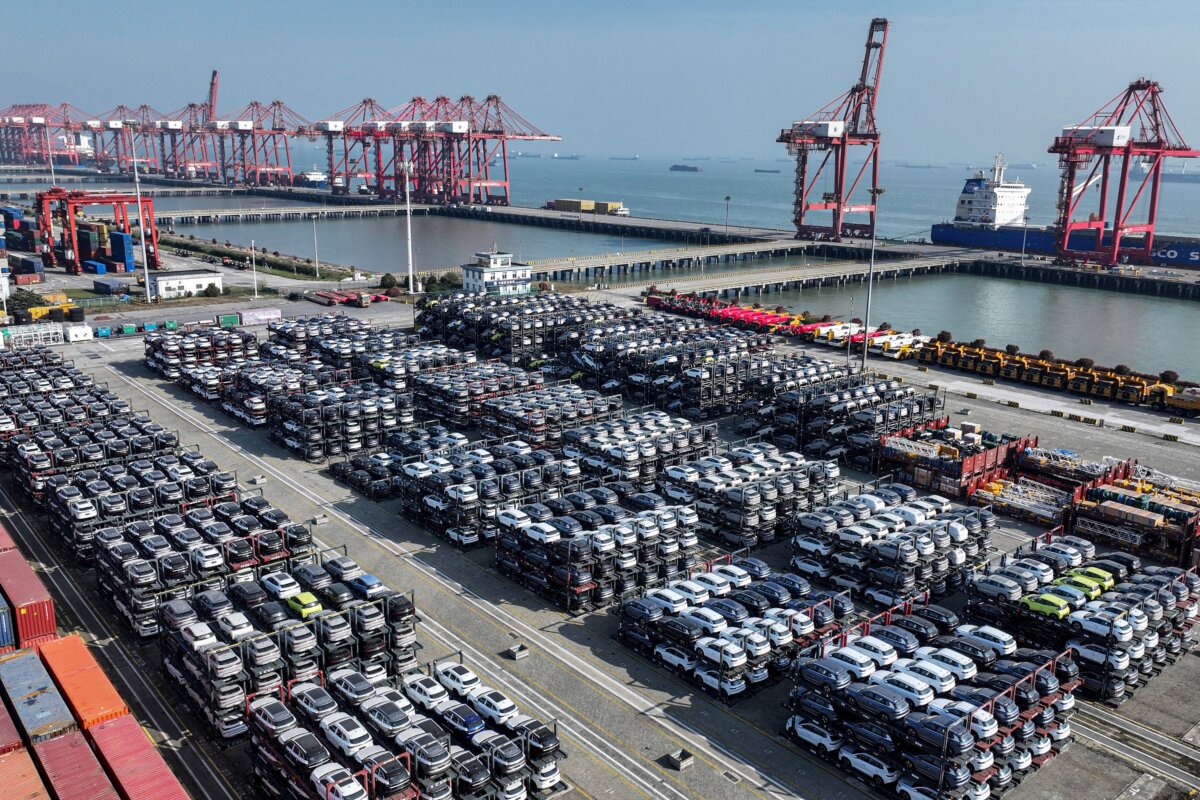
In 2025, China produced 16 million electric cars, outpacing domestic demand by 20 percent. The oversupply fueled an intense price war that squeezed automakers’ profit margins and pushed many to seek higher returns overseas. Chinese EV exports reached a record of more than 2.5 million vehicles last year, doubling the previous year’s level.
 Friends Read Free
Copy
Facebook
Tweet
Friends Read Free
Copy
Facebook
Tweet