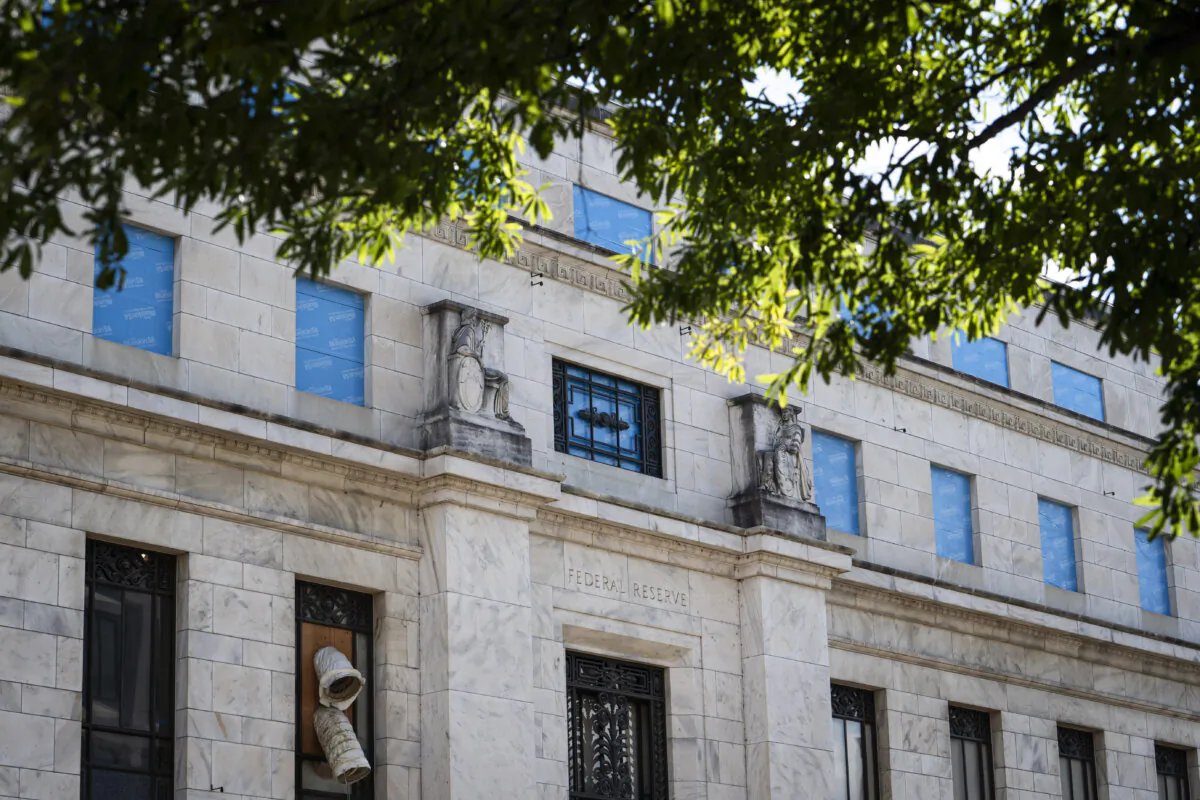

The Federal Reserve said on Oct. 24 that it is requesting comments on proposals to overhaul annual stress tests for large banks.
Every year, the Fed conducts stress tests to ensure that large financial institutions maintain sufficient capital and can lend to businesses and households during harsh economic downturns.
Yearly stress tests became the norm following the global financial crisis almost 20 years ago. The chief objective of bank regulators and supervisors is to confirm that each institution maintains a larger stress capital buffer against potential losses.
In response to litigation, the Board of Governors approved a plan in December 2024 to improve the stress test’s efficacy and resilience. Officials are now pursuing public feedback.
Some of the proposals include revising the annual timeline to accommodate a comment period for scenarios, enhancing reporting forms “to reduce burden and improve risk capture,” and bolstering the disclosure process for future stress test cycles.
The process is designed to keep the central bank’s stress testing program, supervision, and regulation valuable, according to Federal Reserve Vice Chair for Supervision Michelle Bowman.
“In an effort to avoid litigation, the Board committed to make significant improvements in the transparency of the stress tests. These proposals take a necessary step toward fulfilling that commitment, and would promote due process,” Bowman said in a statement.
“Regulated firms should be subject to clearly articulated and transparent rules. Capital requirements should not be set in a way that is shielded from meaningful public scrutiny.”
Stress test outcomes fluctuate annually because of changes in scenario designs and other factors.
Although historical results have shown considerable volatility in capital requirements, the board expects that proposed updates to the stress test model and scenarios will not materially impact aggregate capital requirements for firms subject to supervisory testing, Bowman said.
Challenging the Current Framework
Requests for public feedback come nearly a year after a lawsuit challenged the Fed’s stress testing methodology.
The Bank Policy Institute and a coalition of banks and business groups claimed in a December 2024 complaint filed in the U.S. District Court for the Southern District of Ohio’s Eastern Division that the central bank’s stress-testing approach led to unpredictable capital requirements.
They are alleging that a lack of transparency and inconsistent scenario design violates the Administrative Procedure Act—a 1946 law that determines how federal agencies create and enforce regulations.
Earlier this month, the plaintiffs and the Federal Reserve jointly moved to extend a stay in stress test litigation until Nov. 12.
“The Federal Reserve acknowledges that more work remains to meet its public commitments,” the plaintiffs stated. “Capital requirements affect America’s economic competitiveness, which is why we support the Federal Reserve’s diligent work toward a more transparent and rational capital framework.”
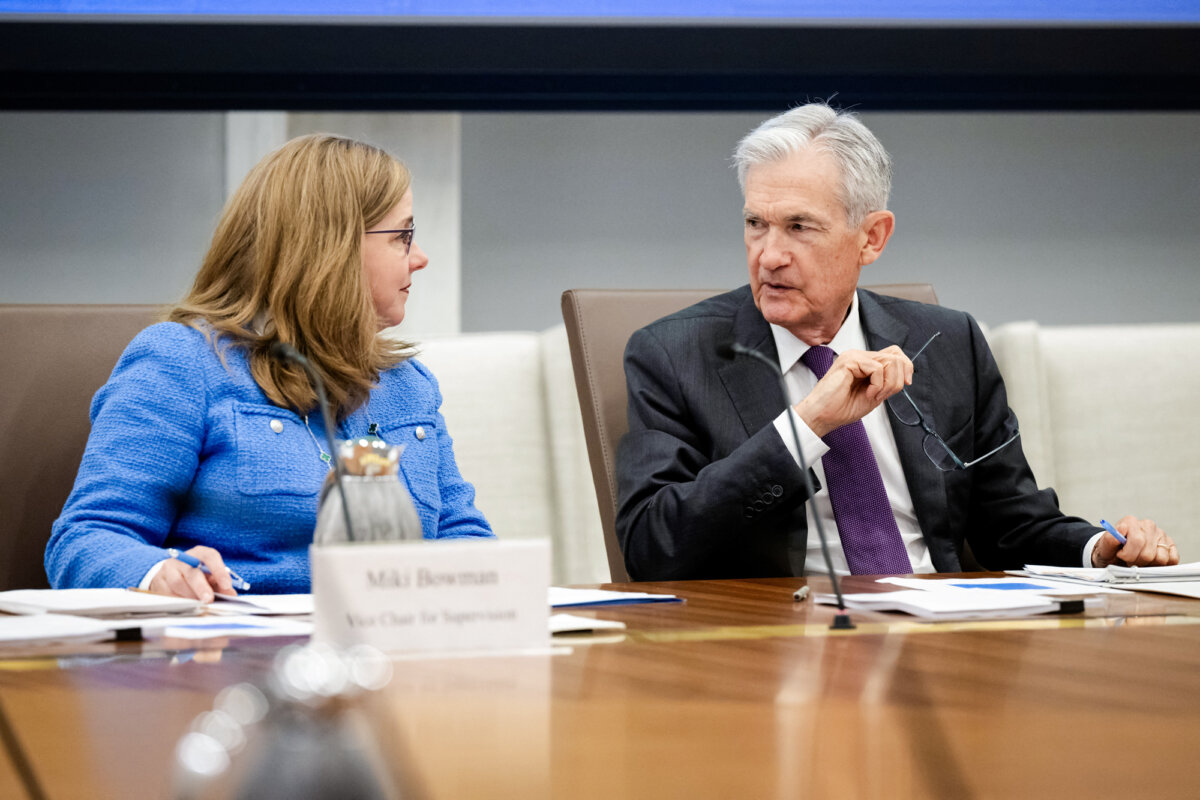
In an Oct. 24 statement before a vote advancing the changes, Bowman said that unease in the industry over the stress test had “come as no surprise” and that the board has been aware of such concerns “for many years.”
“Despite these issues and the growing threat of litigation over the past few years, the Board did not take meaningful remedial action before I became the vice chair for supervision,” Bowman said.
“In my view, going forward, the Board should not wait for the threat of litigation to become reality before addressing known problems with any of our regulations.”
Although the Fed is moving forward with reforms, there has been some pushback at the central bank.
Modifying the stress test is a “mistake” that will make it “less rigorous and nimble,” according to Federal Reserve board member Michael S. Barr.
“Subjecting the stress testing models to the notice and comment process could lead them to ossify, and their dynamism and effectiveness may fade,” Barr said in prepared remarks at a Sept. 25 Peterson Institute for International Economics event.
Banks Ace Latest Stress Test
Released in June, the Fed’s 2025 stress test report found that all 22 large banks, such as JPMorgan Chase, Bank of America, Citigroup, and Wells Fargo, passed the assessment.
Regulators presented testing participants with multiple scenarios, including a 6 percent contraction in gross domestic product, a 10 percent unemployment rate, a 33 percent decline in home prices, and a 30 percent collapse in commercial real estate prices.
The Fed also listed more than $550 billion in hypothetical losses, including credit card losses ($158 billion), commercial and industrial loan losses ($124 billion), and commercial real estate losses ($52 billion).
All the banks maintained capital levels above the minimum threshold, even after absorbing estimated losses, and performed better than in the 2024 examination.
 Friends Read Free
Copy
Facebook
Tweet
Friends Read Free
Copy
Facebook
Tweet