
A U.S.–Iran cease-fire has nudged markets back toward pricing in a rate cut this year.
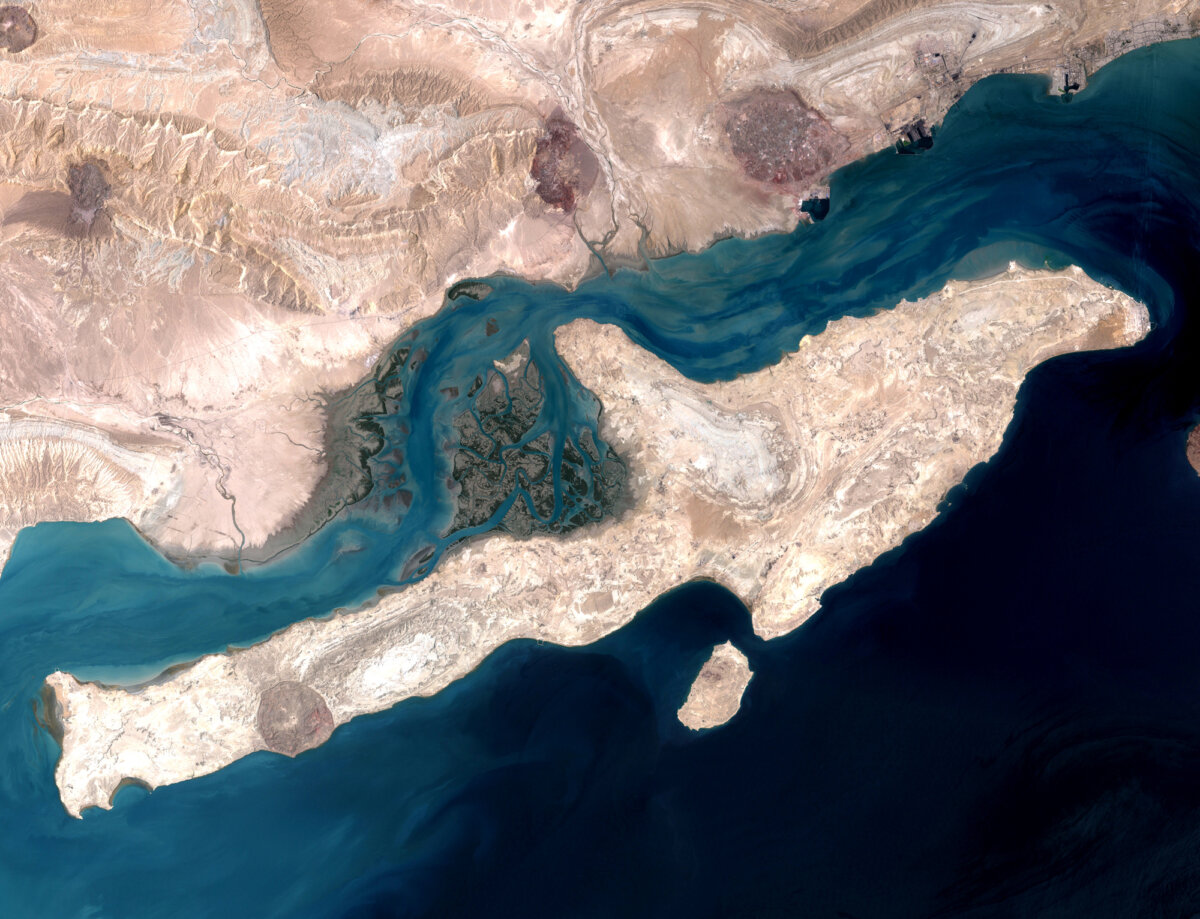
President Donald Trump agreed to a two-week suspension of attacks on Iran, about an hour before his April 7 deadline.
The cease-fire will allow crude oil and liquefied natural gas to traverse the Strait of Hormuz, easing global energy prices and possibly inflation forecasts.
This has made investors more optimistic that the Federal Reserve could restart its easing cycle earlier than expected.
New futures market data indicate that traders are betting on a 33 percent chance that the Federal Reserve will lower interest rates by a quarter point at the December policy meeting—up from 18 percent on April 7.
Still, according to the CME FedWatch, investors expect the central bank to leave the benchmark federal funds rate unchanged in the current target range of 3.5 percent to 3.75 percent over the next year.
A higher-for-longer climate has been the baseline scenario for financial markets.
June 2027 could be the earliest time the Fed cuts rates, with odds hovering around 50 percent.
Stocks rallied midweek, with the leading benchmark averages rising more than 2 percent.
The blue-chip Dow Jones Industrial Average surged 1,100 points, while the tech-heavy Nasdaq Composite Index advanced 600 points.
Since the start of the six-week-old conflict in the Middle East, Fed policy expectations have fluctuated, with traders even penciling in a quarter-point rate hike in October or December.
The war in Iran has upended global energy markets, sending crude oil prices up.
A barrel of U.S. crude topped $100 barrel and surpassed Brent, a global benchmark for oil prices that is more vulnerable to geopolitical strife.
Because oil accounts for half the cost of gasoline, motorists have also been paying more at the pump, with an average gallon exceeding $4.
Oil prices fell by as much as 20 percent following Trump’s decision to pause the bombing of Iran.
Recent conditions have lifted consumers’ near-term inflation expectations.
The one-year inflation outlook rose to 3.4 percent in March, from 3 percent the previous month, according to the New York Fed’s Survey of Consumer Expectations.
Last month’s jump was driven by consumers anticipating higher gas prices.
“Median year-ahead commodity price change expectations increased by 5.3 ppts for gas to 9.4 percent, the highest reading since March 2022,” the regional central bank stated in its April 7 report.
But while the short-term horizon indicates price pressures, long-term inflation expectations remain well-anchored—and this may make monetary policymakers less likely to raise interest rates.
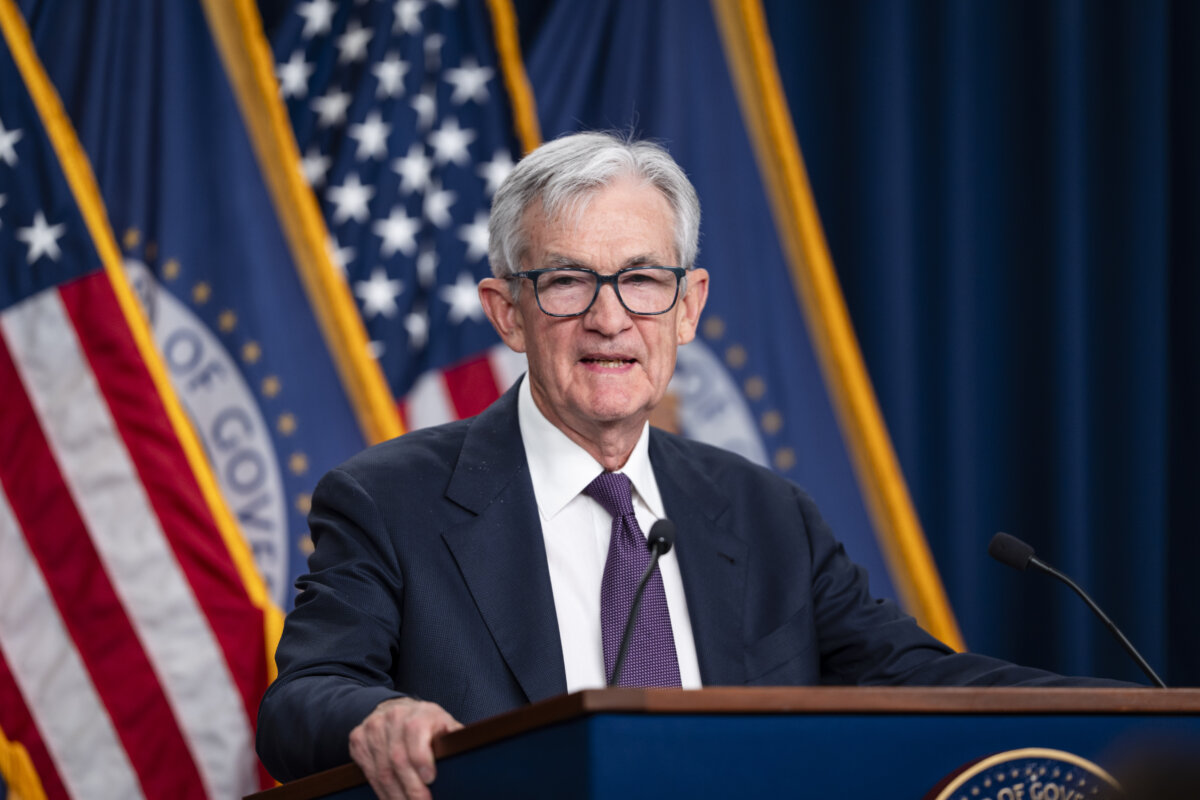
“Inflation expectations do appear to be well anchored beyond the short term, but nonetheless, it’s something we will eventually maybe face the question of what to do here,” Fed Chair Jerome Powell said during a March 30 Harvard University event.
“We’re not really facing it yet, because we don’t know what the economic effects will be, but we’ll certainly be mindful of that broader context when we make that decision.”
But Chicago Fed President Austan Goolsbee says he is worried that the Iranian conflict will drive inflation higher and slow growth prospects.
“You’re just in a very uncomfortable situation, and there’s not an obvious cookbook of should we heat things up or cool things down. It’s not obvious which way to do it,” Goolsbee said at a Detroit Economic Club event on April 7.
Officials will hold their next Federal Open Market Committee meeting on April 28 and April 29.
Data Ahead
This week, economic observers will receive their first official glimpse of how the six-week-old war has had an impact on inflation data.
The Bureau of Labor Statistics will release the March consumer price index data on April 10.
The Cleveland Fed’s Nowcasting model sees annual inflation rising to 3.3 percent from 2.4 percent, with April’s year‑over‑year rate also expected to tick up to roughly 3.6 percent.
In addition, last month’s producer inflation figures will be released on April 14, and Trading Economics has penciled in a 1.3 percent increase.
Even if the war were to be resolved, there would still be the secondary effects of the war-driven oil shock, which could leave prices above pre-conflict levels.
But the effects on the U.S. economy could be limited, says Bill Adams, chief U.S. economist at Fifth Third Commercial Bank.
“The U.S. economy could actually strengthen even as the war imposes higher costs on most consumers,” Adams said in a note emailed to The Epoch Times.
“The macro effects of higher oil prices are very different now that the United States is a net petroleum exporter than they were during the last oil shock in the mid-2000s.”
Early estimates from the widely watched Atlanta Fed GDPNow Model suggest first-quarter growth will be slightly above 1 percent.
 Friends Read Free
Copy
Facebook
Tweet
Friends Read Free
Copy
Facebook
Tweet