
The oil leak in the Keystone Pipeline system, which carries crude oil from Canada to multiple U.S. states, has been contained, according to TC Energy, parent company of the pipeline operator TC Oil.
“The product remains contained, and multiple vacuum trucks, booms, and additional resources are onsite as we continue the recovery process … Repair planning is also underway, as are shoreline assessments … Continuous air quality monitoring has been deployed, and, at this time, there is no indication of adverse health or public concerns,” TC Energy said in an update on Dec. 11.
Earlier, on Dec. 9, it had said that the “downstream migration of the release” was contained. TC Energy has deployed over 250 personnel, including third-party environmental specialists to deal with the situation. Crews have begun preparing to deal with the rains forecast for Monday.
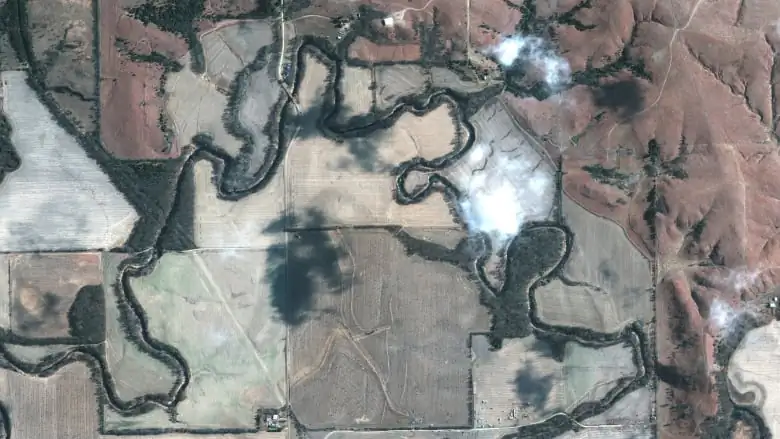
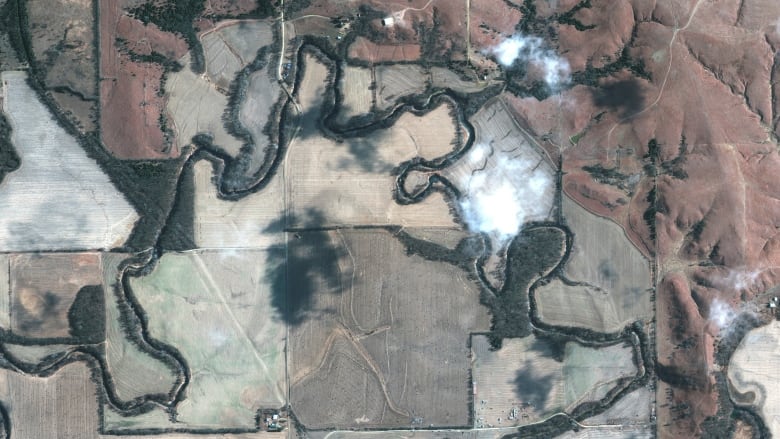
The Keystone Pipeline was shut down on Wednesday after alarms went off and system pressure dropped. More than 14,000 barrels of crude oil are believed to have spilled into a creek in Kansas, making it one of the biggest crude spills in the United States in almost a decade.
According to a statement by the U.S. Environmental Protection Agency (EPA), the spill has not affected drinking water wells. However, surface water at Mill Creek is believed to have been impacted.
The company’s teams are “actively” investigating the cause of the incident, it said, while adding that a timeline for restarting operations has not been confirmed. Services will only resume when it is safe to do so and the regulator gives the approval, TC Energy stated.
The operator is working with landowners, federal regulators, Tribe Nations, and environmental agencies on the issue.
Price Impact, Oil Spills
According to oil and refined products analyst Patrick De Haan, the Keystone Pipeline situation may soon be reflected in gas prices.
The 2,700-mile pipeline carried Canadian oil to refineries in Texas, Oklahoma, and Illinois. Roughly 600,000 barrels of oil are moved daily from Canada to Cushing, Oklahoma.
The shutdown “likely will start having an effect on some refineries in the Plains and Midwest very soon. It could soon have an impact on #gasprices with no estimated restoration date,” De Haan wrote in a tweet. on Dec. 12.
The Keystone Pipeline began operating in 2010. Since then, there have been 22 spills through 2020. About half of these accidents only released two or fewer barrels of oil, while 82 percent of the accidents released fewer than 50 barrels, according to a report by the U.S. Government Accountability Office.
The last largest spill in the Keystone Pipeline occurred in 2017, when more than 6,500 barrels of oil spilled near Amherst in South Dakota. The second-largest spill occurred in 2019 near Edinburg, North Dakota, with 4,515 barrels.
 Friends Read Free
Copy
Facebook
Tweet
Friends Read Free
Copy
Facebook
Tweet