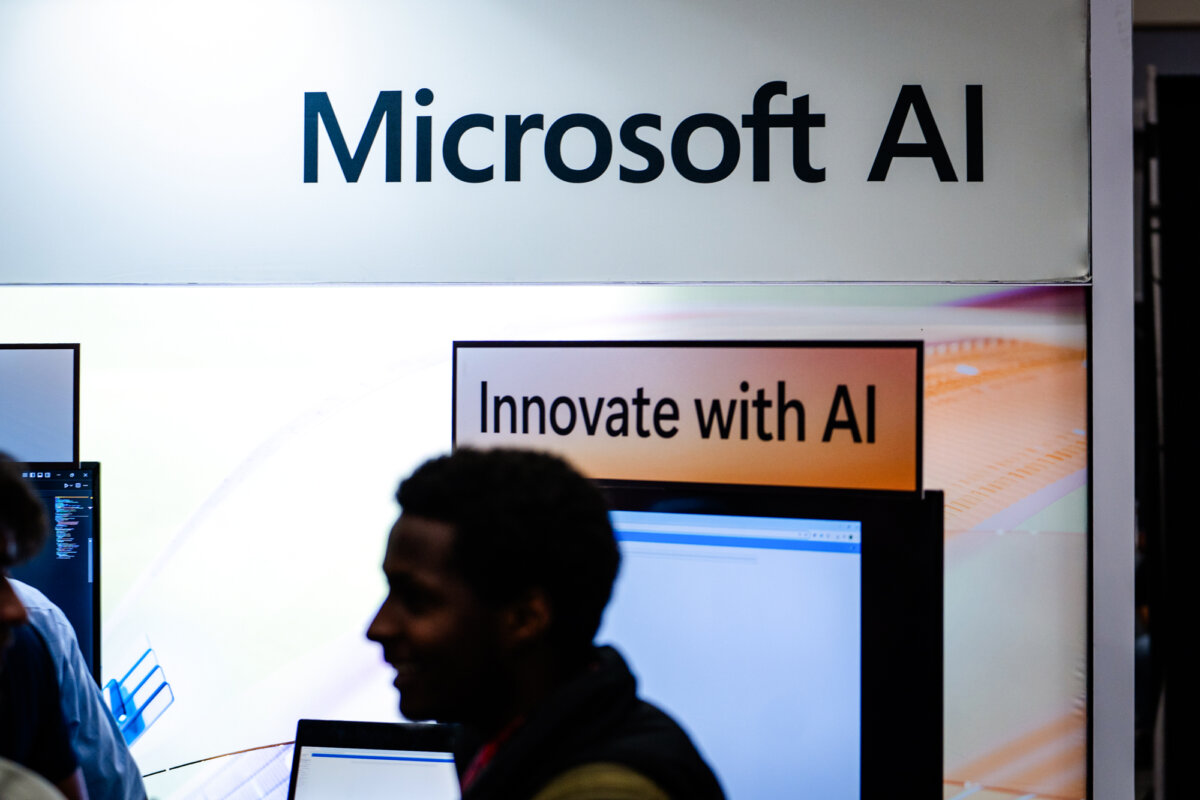

Microsoft will offer voluntary buyouts to some of its U.S. staff as the software titan adapts to the artificial intelligence (AI) climate.
The company outlined a one-time retirement offer for employees at the senior-director level whose combined age and years of service reach 70 or more, a Microsoft representative confirmed to The Epoch Times. Employees on sales-incentive plans are excluded.
Eligible personnel will receive more information on May 7.
Microsoft is also reviewing how it grants stock as part of annual rewards and streamlining manager evaluations, reducing the number of pay options from nine to five.
This comes as Microsoft and the wider technology industry grapple with the AI boom. The 51-year-old software firm has been accelerating its capital expenditures on data centers.
At the same time, the so-called software scare—or SaaSpocalypse—has harmed these stocks. Investors fear that advanced AI-driven coding tools from the likes of Anthropic could adversely affect Microsoft and its competitors.
Shares of Microsoft are down about 11 percent this year.
But while smaller software firms could be under threat, Microsoft is not in the same situation, says Ken Mahoney, president and CEO of Mahoney Asset Management.
“The market started to realize that software was an issue and that powerful AI was disrupting that industry,” Mahoney said in a note emailed to The Epoch Times.
“Many software companies with smaller moats were already vulnerable, and that group really got pounded on fears,” he added. “We still believe Microsoft is a baby being thrown out with the bathwater situation.”
Meta Workforce Reduction
Meta Platforms is laying off about 8,000 workers—or about 10 percent of its workforce—the company confirmed to The Epoch Times.
The Mark Zuckerberg-led company will also leave approximately 6,000 positions unfilled.
The decision comes as Meta is pursuing greater efficiency and supporting new investments across its business. Its capital expenditures this year are expected to balloon to as much as $135 billion, fueled by AI-related infrastructure spending and employee compensation.

“The majority of expense growth will be driven by infrastructure costs, which include third-party cloud spend, higher depreciation, and higher infrastructure operating expenses,” Zuckerberg said in a conference call with analysts on Jan. 31.
“The second largest contributor to total expense growth is compensation driven by investments in technical talent. This includes 2026 hires to support our priority areas, particularly AI, as well as a full year of expenses from 2025 hires.”
Shares of the Facebook parent companies have been resilient this year, rising 4 percent.
Nike’s ‘Win Now’ Layoffs
Meanwhile, Nike unveiled a new round of job cuts as part of the shoemaker’s “Win Now” turnaround strategy.
In an April 23 note to staff, COO Venkatesh Alagirisamy said Nike’s decision will impact 1,400 employees across North America, Asia, and Europe—representing less than 2 percent of its total global headcount.
“Collectively, these changes will result in a reduction of approximately 1,400 roles in global operations, with the majority in technology,” Alagirisamy wrote. “These reductions are very hard for the teammates directly affected and for the teams around them, too.”
This is not a new direction but rather “the next phase of the work already underway,” Alagirisamy added.
Nike has been on a job-cutting spree over the past year.
In January, the apparel giant announced 775 layoffs, most of which occurred at its U.S.-based distribution centers. Last summer, Nike said it would terminate less than 1 percent of its corporate staff.
While this is a part of efforts to transform its technology team and alter its supply chain, the retailer is also expecting shrinking demand, particularly in China.
“We’re planning for modest growth in North America even as we continue to lap the value liquidation that we’ve been doing this year. That’s going to be offset by headwinds in Greater China,” Matthew Friend, executive vice president and CFO at Nike, said in a March 31 earnings call with analysts.
Nike’s stock has been hammered this year, falling 29 percent to its lowest level in more than a decade.
 Friends Read Free
Copy
Facebook
Tweet
Friends Read Free
Copy
Facebook
Tweet