
Strong demand and tight supply have sent prices for two critical rare earths used in electric vehicles and defense magnets soaring past the U.S. price floor set for MP Materials in the summer of 2025.
The price of neodymium and praseodymium reached $123 per kilogram on Feb. 18, the highest since July 2022. It has risen by more than 90 percent over the past 12 months.
In July, the Department of War entered into a 10-year agreement with MP Materials, providing the rare-earth miner with multibillion-dollar investments.
As part of the arrangement, the Pentagon established a price floor of $110 per kilogram. If it exceeds this level, the company will not require federal subsidies for production as long as prices remain above that threshold.
Share prices of MP Materials (MP) rose by almost 2 percent at the end of the Feb. 18 trading session. The stock has risen by more than 5 percent this year and has rocketed 150 percent over the past 12 months. But the rally could also have a wider effect on the industry, as higher prices may facilitate greater U.S. output.
This would be a positive development for the current administration as the United States looks to reduce its reliance on China—the world’s largest producer and refiner of rare earths—and chip away at its worldwide dominance.
Beijing accounts for about 70 percent of mined production and 90 percent of refining capacity.
Price Floors and Stockpiles
For years, policymakers have considered price floors for critical minerals to prevent China from flooding global markets, a strategy that depresses prices and harms Western firms’ bottom lines.
The White House pitched the idea again to diminish global dependence on China and protect U.S. supply chains for vital resources.
Vice President JD Vance has said the international critical minerals sector has been “failing.”
“It’s failing to create domestic markets or dignified jobs for our labor forces, and it’s failing to keep our nations safe,” Vance said at the Critical Minerals Ministerial summit on Feb. 4.
“Supply chains remain brittle and exceptionally concentrated. Asset and commodity prices are persistently depressed, driven downward by forces beyond any individual country’s control.”
During the event, the United States reached deals with market-oriented countries to institute price floors as part of efforts to limit vulnerabilities in the critical mineral sector.
The administration made agreements with the European Union, Japan, and Mexico, according to a statement from the U.S. Trade Representative’s Office.
“Today’s announcement is an important signal that the world’s largest market-oriented economies are committed to developing a new paradigm for preferential trade in critical minerals,” Trade Representative Jamieson Greer said in a Feb. 4 statement.
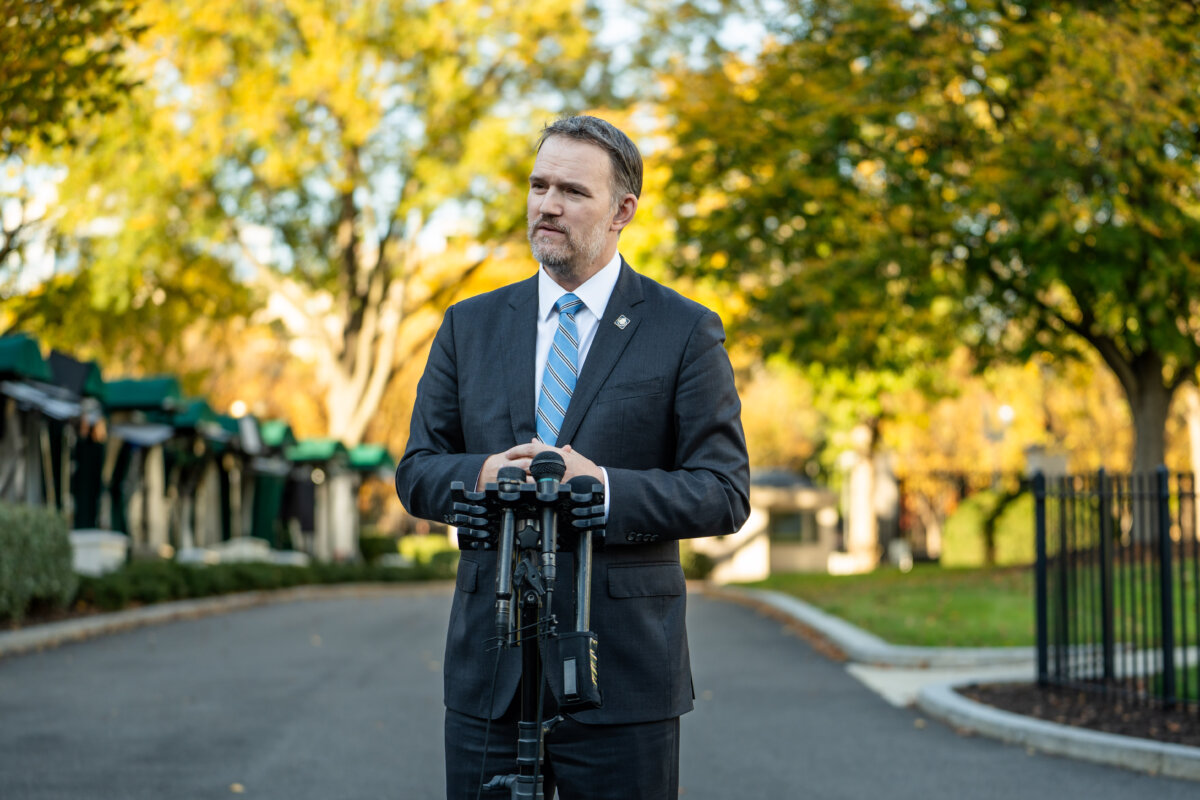
“Through the development of these Action Plans, we will lay the groundwork for a binding plurilateral agreement on trade in critical minerals with like-minded partners.”
In a bid to stockpile minerals identified as “critical” by the U.S. Geological Survey, President Donald Trump has introduced the U.S. Strategic Critical Minerals Reserve, called “Project Vault,” a new collaboration between government and industry.
This past fall, the U.S. Geological Survey—under the Department of the Interior—updated its list of critical minerals. A notable addition was silver, which has contributed to the white metal’s meteoric ascent over the past few months.
The U.S. Export-Import Bank will supply $10 billion in financing, supplemented by roughly $2 billion from private investors.
“We’re not just doing certain minerals and rare earths,” Trump said. “We’re doing everything.”
To be part of the initiative, companies will need to agree to purchase the minerals they want for the stockpile at a predetermined price in the future and cover all up-front expenses, including storage fees and interest on the loan. Businesses can also draw from inventories at any time.
Although it is unclear how firms will use the program, the private sector lauded the new partnership, calling it an “essential and unprecedented step.”
“The U.S. Strategic Critical Minerals Reserve is an essential and unprecedented step in securing critical minerals supply chains for US manufacturing now and for generations to come,” Adam Muellerweiss, vice president of strategic initiatives at Clarios, said in a statement.
Reuters contributed to this report.
 Friends Read Free
Copy
Facebook
Tweet
Friends Read Free
Copy
Facebook
Tweet