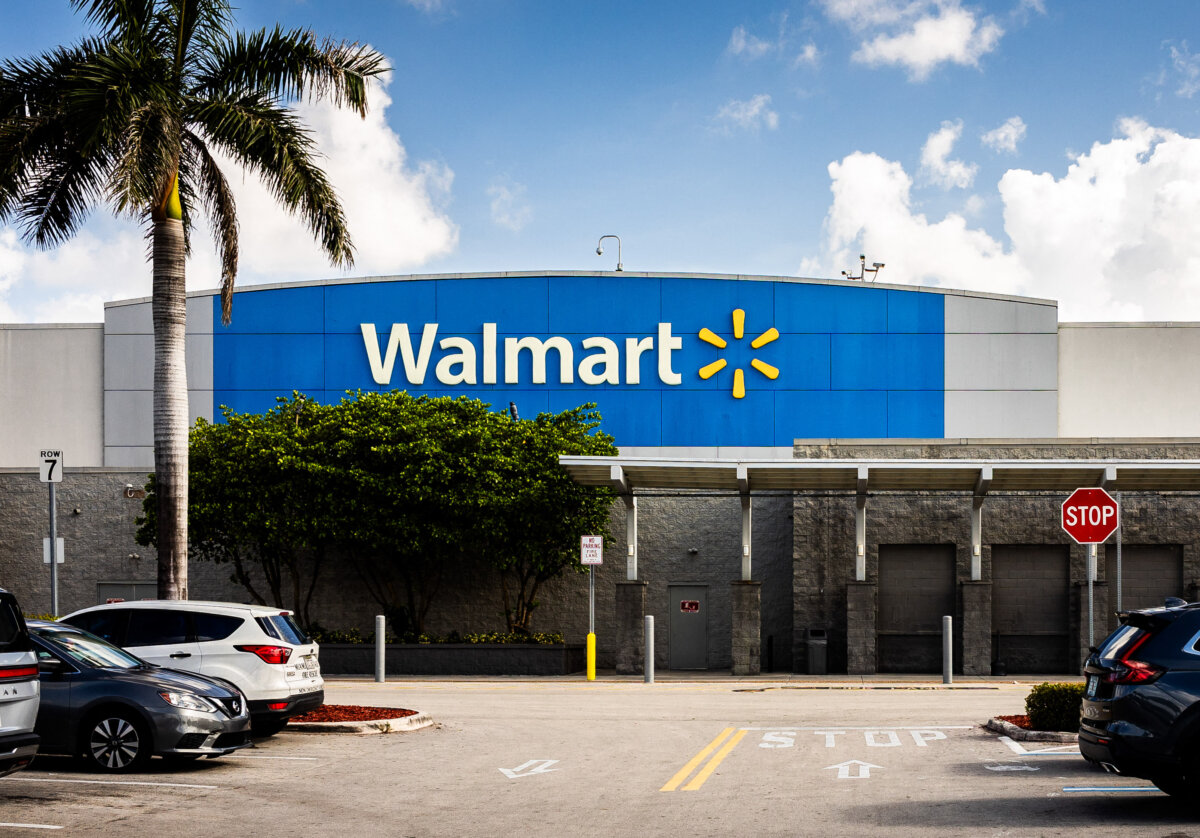

Retail giants Target and Walmart reported higher sales for the fiscal first quarter this week, but offered a cloudy outlook amid signs of strain in the low-income segment of the consumer market.
Target reported $25.4 billion in sales for the first quarter of fiscal 2026, which ended on May 2, up by 6.7 percent from a year earlier. Comparable sales rose 5.6 percent, led by a 4.4 percent rise in traffic and strong growth across all six core merchandise categories.
Gross margin came in at 29 percent, up by roughly 80 basis points year over year, driven by productivity and supply chain gains, higher-margin revenue, and lower price markdown rates.
“We saw strength coming from traffic. We saw strength that was broad-based across categories and guest demographics,” CEO Michael Fiddelke said during the earnings conference call.
Yet Target’s growth looks less impressive measured against two years ago, with sales rising by just 3.7 percent from the first quarter of fiscal 2024, led by mid-single-digit gains in categories including beauty and food and beverage. Home and apparel remained weak, still trailing 2024 levels, with management saying that the consumer spending outlook remains uncertain.
“We faced the easiest prior year comparison of the year. We’ll be facing the hardest comparison in Q2, a nearly two percentage point difference as we begin lapping last year’s launch of the Nintendo Switch 2,” Target’s Chief Financial Officer James Lee said.
Management also noted that consumer sentiment has been declining and that the company is “keeping a close eye on their spending behavior,” with guidance pointing to “more challenging cost headwinds in the first half of the year that are expected to moderate in the second half.”
Consumers Trade Down
As consumers increasingly trade down to less expensive products, Target has introduced new value-oriented offerings in response.
“For example, in toys, we’ve seen tremendous growth from new offerings priced at $20 or less, including many priced at $5 and $10,” Chief Merchandising Officer Cara Sylvester said. “The combination of on-trend toy assortments at prices busy families can afford helped to support double-digit comp growth for toys again this quarter.”
Walmart, meanwhile, posted year-over-year comparable sales growth of 4.1 percent for the first quarter of fiscal 2027, which ended April 30, with eCommerce sales climbing by 26 percent, though the company also cited headwinds from rising fuel costs.
“We absorbed approximately $175 million or about 250 basis points of operating income growth from higher-than-planned fuel costs in our global distribution and fulfillment operations,” John Rainey, executive vice president and chief financial officer, said during the earnings conference call.
Management added that “if the current elevated cost environment persists, we’d expect somewhat higher retail price inflation in [the fiscal second quarter] and the second half of the year.”
To offset those pressures, Walmart is broadening customer choices by expanding its first-party assortment, particularly in trend and fashion, while also growing its marketplace.
“We continue to play offense despite the short-term pressure on profits,” Rainey said.
Investors played defense on Wall Street, selling shares of both Target and Walmart following the release of first-quarter results.
Two-Tier Consumer Market
Walmart’s management described a two-tier consumer market: higher-income households spending confidently across many categories, and lower-income shoppers who are more budget-conscious and, in some cases, under financial strain. As one illustration, management pointed to the company’s fuel business, where the average number of gallons customers purchase per visit recently fell below 10 for the first time since 2022.
“That’s an indication of stress,” Rainey said. “And so certainly, as you look at quarter-over-quarter incremental pressure, that’s one of the areas that I would call out.”
Those signals align with broader survey data. The University of Michigan’s Consumer Sentiment Index fell to 44.8 in May, revised down from a preliminary reading of 48.2, marking the third consecutive monthly decline. Cost of living remained the top concern, with 57 percent of consumers citing high prices as a drag on their personal finances.
Price Changes
“Target’s price changes skewed most heavily toward discounts of any major retailer, at 53.5%, and Walmart logged 68,926 price changes over the year, with 53% of those being markdowns,” Gabriele Vitke, product marketing team lead at web data-gathering platform Decodo, told The Epoch Times, citing the company’s analysis.
Vitke said those levels of markdowns indicate retailers are trying to keep price-conscious consumers engaged. She noted that Target’s 5.6 percent annual same-store sales increase in the first fiscal quarter was its first positive result in five quarters, suggesting the strategy was paying off.
She provided further insight into the sales pattern in the retail sector: Fashion led all categories with 427,340 price changes globally, and groceries recorded 318,950 with an even split between increases and decreases. She said the pattern reflects “constant pressure in the categories where consumers have the most alternatives.”
“With Walmart already signaling that tariff-related price increases could reach consumers as early as this month, the retailers that are tracking competitor pricing in real time will be the first to see where demand shifts and adjust before the next earnings cycle tells them they were too slow,” Vitke added.
Mark Pacitti, founder and managing director of Woozle Research, believes the aggregate consumer picture masks underlying weakness.
Looking at spending patterns, he said U.S. high-income families were increasing spending at a pace multiple times faster than low-income families, with the former group’s purchase value up by 7.6 percent year over year and the latter’s down by 1 percent.
“We’re seeing that retailers are seeing strongly bifurcating trends with luxury/premium segment retailers outperforming and very low-cost discounters benefitting too,” he told The Epoch Times.
“While aggregate headline figures look fine if you strip out the top income cohort, the picture gets a lot more fragile, and we can see some retailers are more exposed to this than others right now.”
 Friends Read Free
Copy
Facebook
Tweet
Friends Read Free
Copy
Facebook
Tweet