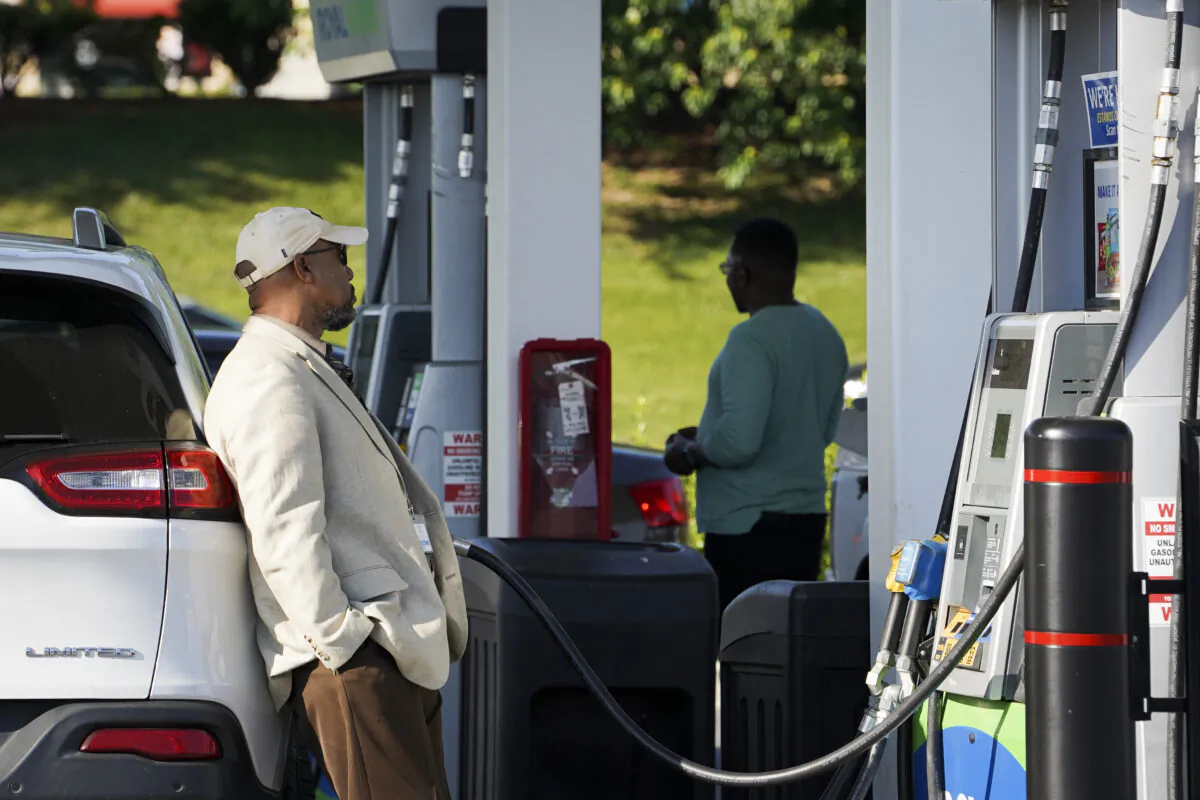

A decline in energy prices helped drive consumer inflation lower in June, providing relief for Americans, especially at the pump, the government reported on July 14.
The annual inflation rate eased sharply to a lower-than-expected 3.5 percent, from 4.2 percent.
The monthly U.S. inflation rate declined by 0.4 percent last month, down from the 0.5 percent increase in May, according to new data from the consumer price index released by the Bureau of Labor Statistics.
Economists had forecast a 0.1 percent drop.
This represented the largest one-month decrease since April 2020, when it fell by 0.8 percent, the bureau stated.
Excluding the volatile energy and food categories, core inflation came in at zero percent. The annual core inflation rate slowed to 2.6 percent from 2.9 percent.
Looking ahead, the near-term inflation outlook is uncertain due to the ongoing U.S.–Iran conflict. July’s 12-month inflation rate is expected to come in at 3.7 percent, according to the Cleveland Federal Reserve’s widely watched Nowcasting Model.
Inside the CPI Report
Stabilizing global energy markets helped cool down intensifying price pressures. Crude oil had declined to near pre-conflict levels, leading to a sharp fall in gasoline prices.
The energy index declined by almost 6 percent, driven by a 10 percent plunge in gasoline prices. Energy services also fell by nearly 1 percent, as electricity costs dropped by 1 percent.
However, the outlook is uncertain now that President Donald Trump has reimposed a naval blockade on Iran, driving up energy costs.
A barrel of West Texas Intermediate—the U.S. benchmark for oil prices—is trading at about $80 on the New York Mercantile Exchange.
In addition to tensions, another top concern for economic observers is the president’s proposed 20 percent levy on ships traversing the Strait of Hormuz.
“Washington announced the reinstatement of the blockade on Iranian shipments while rising tensions in the Strait of Hormuz cloud the outlook for regional energy flows,” Krisada Yoonaisil, market strategist at Exness, told The Epoch Times in an email.
“This could contribute to a tighter supply outlook, higher oil prices, more inflation risks, and upside pressure for yields, which could continue to support the dollar.”
The food index edged up by 0.2 percent for the third consecutive month, as key protein prices—particularly for beef and veal—reversed the previous month’s decline.
The beef and veal category rose by more than 1 percent. Inside the subindex, ground beef surged by more than 1 percent, beef roasts climbed by almost 2 percent, and steaks rose by 0.5 percent.
Eggflation jumped for the third straight month, as the price of eggs surged by more than 4 percent in June.
While it was little changed last month, shelter inflation continues to linger, with housing costs remaining elevated.
The shelter category ticked up by 0.1 percent month-over-month and has increased by 3.3 percent year-over-year.
Economists and monetary policymakers had anticipated for years that shelter costs would be far lower than they are now.
Housing affordability has been a crucial factor for many Americans, prompting lawmakers to act with the 21st Century ROAD to Housing Act. It is the first major housing bill in about 30 years. While the president refused to sign the legislation in protest of the Senate’s failure to pass the SAVE America Act, Trump did not veto it either.
In June, the median U.S. home-sale price rose by more than 2 percent year-over-year to an all-time high of $408,776, according to Redfin.
Prospective homebuyers are also contending with higher borrowing costs.
The 30-year fixed-rate mortgage is 6.49 percent, up by 23 basis points from a year ago, according to Freddie Mac’s latest Primary Mortgage Market Survey.
Middle East tensions, inflation, and a possible interest rate hike by the Federal Reserve this year are all driving up costs. But Jeff DerGurahian, head economist and chief investment officer at loanDepot, still sees a path to lower mortgage rates this year.
“While mortgage rates remain in the mid-6 percent range, the story hasn’t changed. If tensions in the Middle East ease and domestic inflation and labor data continue moving in the right direction, there is still a path for mortgage rates to improve this year,” Der Gurahian told The Epoch Times in an email.
Tariff-sensitive items registered a sizable decline from May to June.
The index for new vehicles was flat, while apparel fell by 0.6 percent. Appliances fell by 1.5 percent, smartphones dipped by 0.8 percent, and the broader information technology commodities dropped by nearly 1 percent. Televisions were little changed, and canned fruits and vegetables rose by 0.3 percent.
Global trade uncertainty persists, particularly in North America.
The United States chose not to renew the post-NAFTA USMCA, opting for an annual trade review. Washington is upset that neither Canada nor Mexico has lived up to its commitments under the trade agreement negotiated during Trump’s first term.
Wait and See
Investors do not expect the Fed to raise interest rates at this month’s policy meeting. But traders have made the September Federal Open Market Committee meeting their base case, with a 73 percent chance of a rate hike, according to CME FedWatch data.
Minutes from last month’s gathering indicate that officials believe that tightening monetary policy is “warranted.”
Fed Board member Christopher Waller said he believes that the central bank should wait for more data before raising rates. At the same time, he said it was crucial to avoid the 2021 mistake of waiting too long.
“As always, we need to avoid making the mistake of fighting the last war and reacting too soon to tighten inflation, merely because we waited too long last time,” he said in prepared remarks. “But we also must avoid repeating the same mistake we made in 2021 and 2022 by waiting too long to respond.”
New Fed Chairman Kevin Warsh has hinted that inflation will be his primary focus, telling a European Central Bank audience that prices are still “too high.”
Financial markets could gain more insight into Warsh’s plans when he testifies on Capitol Hill for his two-day semi-annual monetary policy report.
The next Fed meeting will take place on July 28 and July 29.
 Friends Read Free
Copy
Facebook
Tweet
Friends Read Free
Copy
Facebook
Tweet