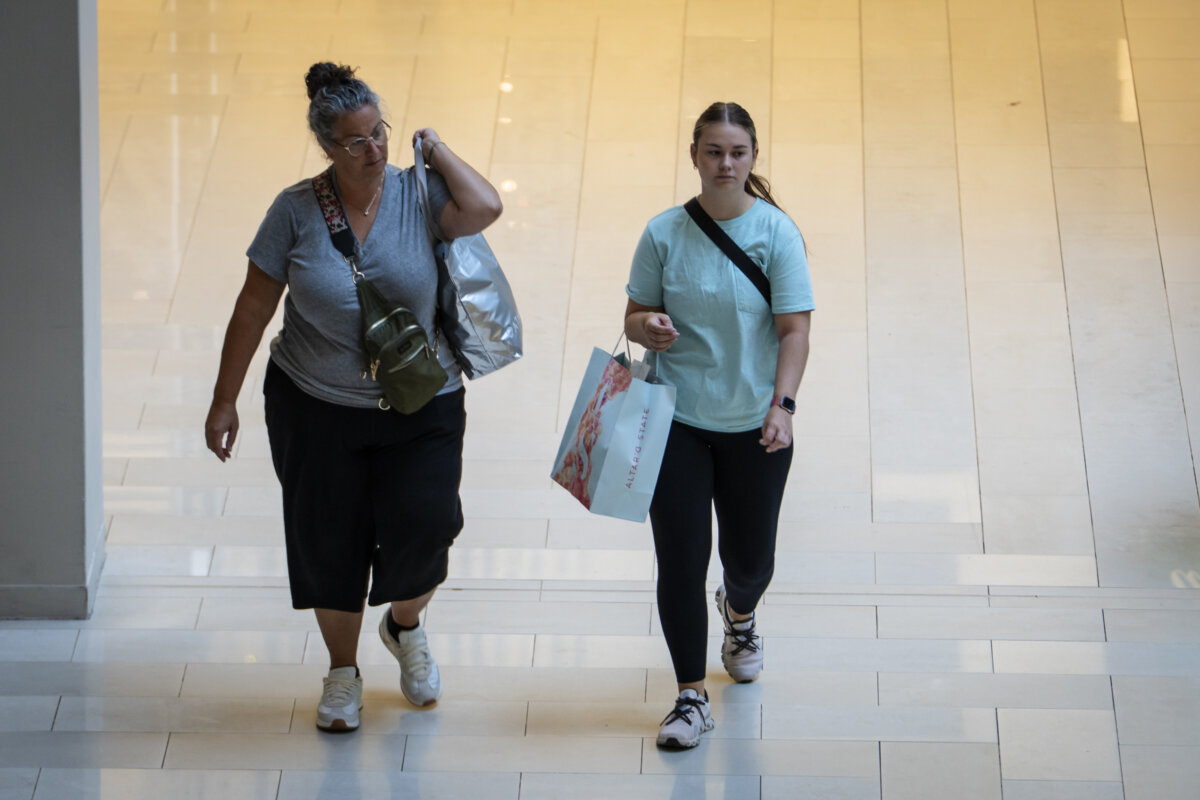

American consumers grew more upbeat for the third consecutive month as inflation expectations continued to ease.
The preliminary February University of Michigan Consumer Sentiment Index rose by almost 2 percent to 57.3, from 56.4 in January—the highest level since August 2025.
The widely watched monthly survey came in firmly above market expectations of 55.
The index for current economic conditions surged more than 5 percent from the previous month, while consumer expectations dipped 0.7 percent.
All indexes were down about 11 percent from a year ago.
Modest improvements in current finances and durable‑goods buying conditions were offset by a slight deterioration in the long‑term business outlook.
Additionally, the survey’s findings further supported the two-speed economy narrative, according to Joanne Hsu, director of consumer surveys.
“Sentiment surged for consumers with the largest stock portfolios, while it stagnated and remained at dismal levels for consumers without stock holdings,” Hsu said in a statement.
Anxiety over the hit to personal finances from persistent price pressures and the increased risk of unemployment continues to be widespread, Hsu added.
The U.S. labor market remains a low-fire, low-hire environment, as businesses are reluctant to lay off staff and hesitant to expand headcount.
Some economic observers have questioned the veracity of the university’s data.
Last month, Morning Consult chief economist John Leer argued that it would be unwise to assume the consumer outlook has turned the corner.
“What we know from Morning Consult’s daily data is that consumers across the income spectrum are more vulnerable to pullbacks in labor demand,” Leer said.
“It would be wrong to conclude that the outlook for consumers has turned the corner and started to improve following the downshift in jobs growth in August and September 2025.”
Meanwhile, amid fears of elevated inflation, the outlook has improved for six straight months.
One-year inflation expectations fell to 3.5 percent, from 4 percent in January—the lowest since January 2025.
“This month’s reading still exceeds those seen in 2024 and remains well above the 2.3-3 percent range seen in the two years pre-pandemic,” Hsu said.
The five-year inflation forecast, however, ticked up to a three-month high of 3.4 percent, from 3.3 percent in the previous month.
Being Cautious
January’s Consumer Confidence Index from The Conference Board suggested the nation’s economic mood had deteriorated to the lowest point in more than a decade.
Affordability—from food prices to health care—was top of mind for many individuals, says Dana Peterson, chief economist at The Conference Board.
References to trade policy, the labor market, and politics were also prevalent across the survey.
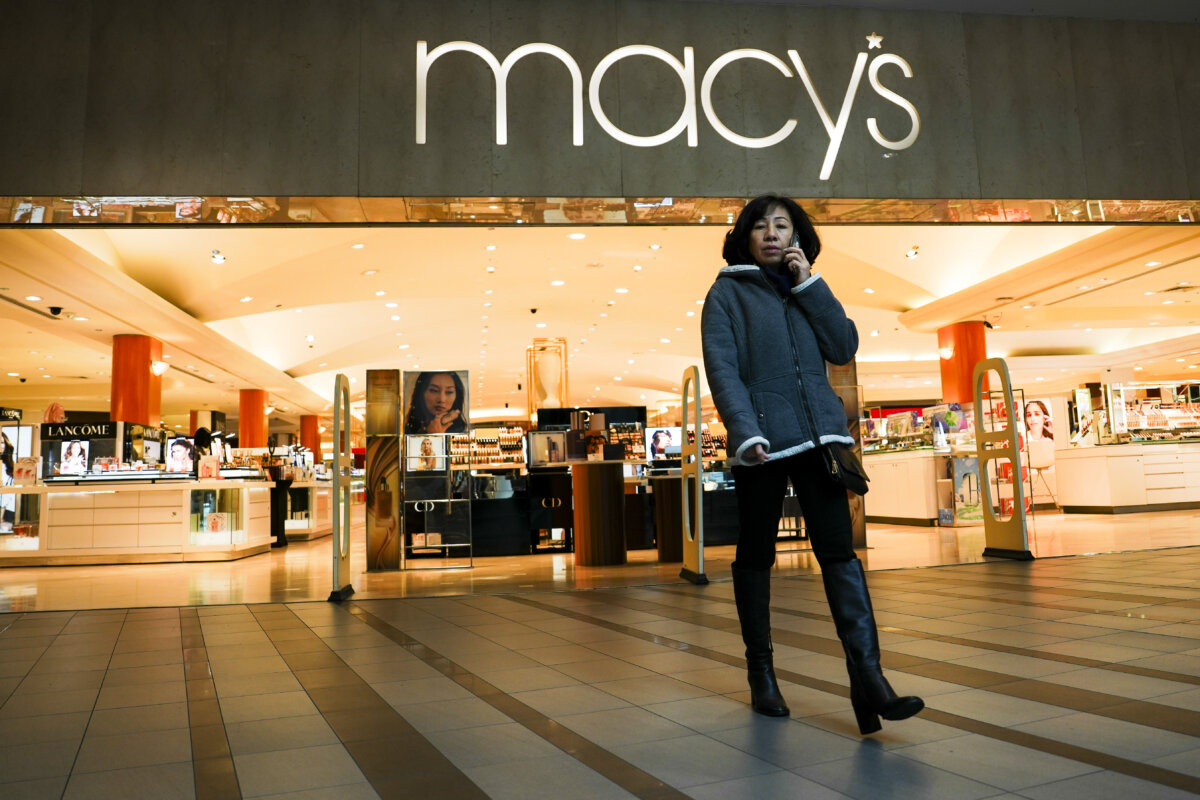
“All five components of the Index deteriorated, driving the overall Index to its lowest level since May 2014 (82.2)—surpassing its COVID-19 pandemic depths,” Peterson said.
Despite more price-conscious consumers, data suggest that households continue to spend.
Total credit and debit card spending per household rose 1.8 percent year-over-year in December, according to the Bank of America Institute, up from 1.3 percent in November.
“Overall, consumers were price-conscious last year. In fact, when making discretionary purchases, they favored smaller-ticket items rather than more expensive goods and services,” the bank’s economists wrote in the report.
But it remains to be seen whether personal spending will hold steady at the start of 2026 as various tailwinds spread across the marketplace.
Lower interest rates, fiscal stimulus, and stable inflation could support further consumption in the year ahead, says Nancy Tengler, CEO and CIO at Laffer Tengler Investments.
The Federal Reserve employed three rate cuts last year, lowering the benchmark federal funds rate—a key policy rate that influences borrowing costs for consumers and households—to a range of 3.5 percent to 3.75 percent.
The administration has touted that this tax season will deliver enormous benefits to taxpayers.
Government data indicate that the annual inflation rate is 2.7 percent.
The U.S. Truflation CPI Index, a real-time estimate based on a treasure trove of economic data, indicates inflation is running below 1 percent.
“Strap in. Productivity growth is good for everyone and keeps inflation at bay,” Tengler said in a note emailed to The Epoch Times.
“Add to the benefits to consumer/taxpayers of the [‘One Big Beautiful Bill Act’] expected to receive $150 billion in increased tax refunds to over $500 billion and higher paychecks now that the payroll tax adjustments have been made for OBBBA.”
 Friends Read Free
Copy
Facebook
Tweet
Friends Read Free
Copy
Facebook
Tweet