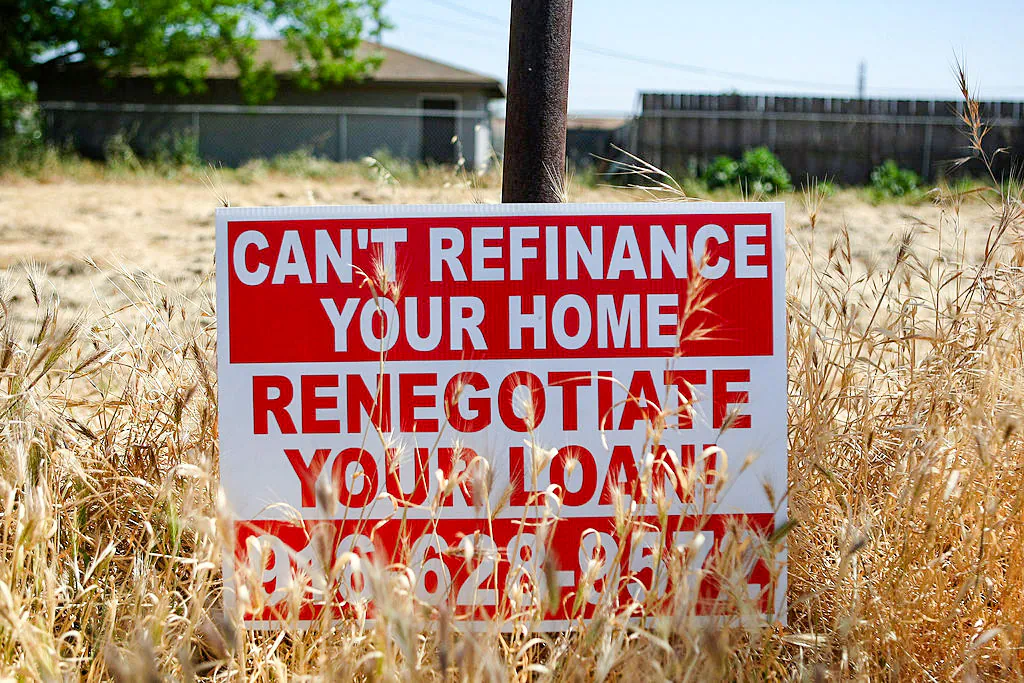

There were 101,513 properties with foreclosure filings across the United States during the third quarter of 2025, up by 17 percent from a year ago, real estate analytics company ATTOM said in an Oct. 9 statement.
One in every 1,402 housing units nationwide saw a foreclosure filing in the third quarter, the company stated. Florida had the highest foreclosure rate, with one in every 814 housing units having a foreclosure filing. It was followed by Nevada, South Carolina, Illinois, and Delaware.
Among 225 metropolitan statistical areas with a population of at least 200,000 individuals, the highest foreclosure rate was seen in Lakeland, Florida, followed by Columbia, South Carolina; Cape Coral, Florida; Cleveland; and Ocala, Florida.
During the first half of 2025, there were a total of 187,659 foreclosure filings made, up by 5.8 percent from a year ago, according to ATTOM.
“In 2025, we’ve seen a consistent pattern of foreclosure activity trending higher, with both starts and completions posting year-over-year increases for consecutive quarters,” Rob Barber, CEO at ATTOM, said.
“While these figures remain within a historically reasonable range, the persistence of this trend could be an early indicator of emerging borrower strain in some areas.”
Along with a jump in foreclosure filings, the third quarter also saw the average time to foreclose a property decline by 25 percent from a year ago, ATTOM stated, noting that this continues a downward trend from mid-2020.
In a June 26 statement, credit scoring model company VantageScore reported that mortgage delinquencies rose in May from the previous month, suggesting that this could be an early sign of financial stress among borrowers in the housing sector.
“While consumer behavior generally remains positive, particularly among younger borrowers, mortgages may be an area to watch for increasing credit stress, particularly for traditionally less-risky segments with credit scores above VantageScore 660,” Susan Fahy, chief digital officer at VantageScore, said at the time.
The Federal Reserve Bank of New York reported similar trends in an Aug. 5 statement, highlighting the fact that 1.29 percent of mortgage debts were in serious delinquency—90 days or more—in the second quarter of 2025, up from 0.95 percent in the second quarter of 2024.
However, Joelle Scally, economic policy adviser at the New York Fed, said that despite the increase in mortgage delinquency, the overall mortgage performance “remains strong by historical standards.”
Meanwhile, lawmakers have taken various actions to tackle foreclosure threats facing Americans.
In March, the Veterans Affairs (VA) Home Loan Program Reform Act was introduced by Rep. Derrick Van Orden (R-Wis.). The act eventually passed both chambers of Congress and was signed into law by President Donald Trump on July 30.
The bill aims to financially assist military veterans when it comes to making their home payments in an environment of elevated mortgage rates, thereby avoiding foreclosures.
“The VA Home Loan program has helped millions of veterans achieve the American Dream of owning a home,” Rep. Mike Bost (R-Ill.), chairman of the House Veterans’ Affairs Committee, said in a July 16 statement. “However, we know that veterans—like all Americans—can fall on hard times and may need a safety net in place to avoid foreclosure on their home.
“The VA Home Loan Program Reform Act addresses that need head on.”
On Oct. 8, Sen. Brian Schatz (D-Hawaii) led a group of senators to introduce the Federal Employee Civil Relief Act to protect federal workers and contractor employees, as well as their families, from facing difficulties such as foreclosure or evictions during the ongoing government shutdown, the lawmaker’s office said in an Oct. 8 statement.
This protection will last during the shutdown and 30 days after it so as to “give workers a chance to keep up with their bills,” it states.
In a government shutdown, certain employees deemed to be performing essential work, including law enforcement officers, air traffic controllers, and military personnel, are required to continue working without pay.
 Friends Read Free
Copy
Facebook
Tweet
Friends Read Free
Copy
Facebook
Tweet