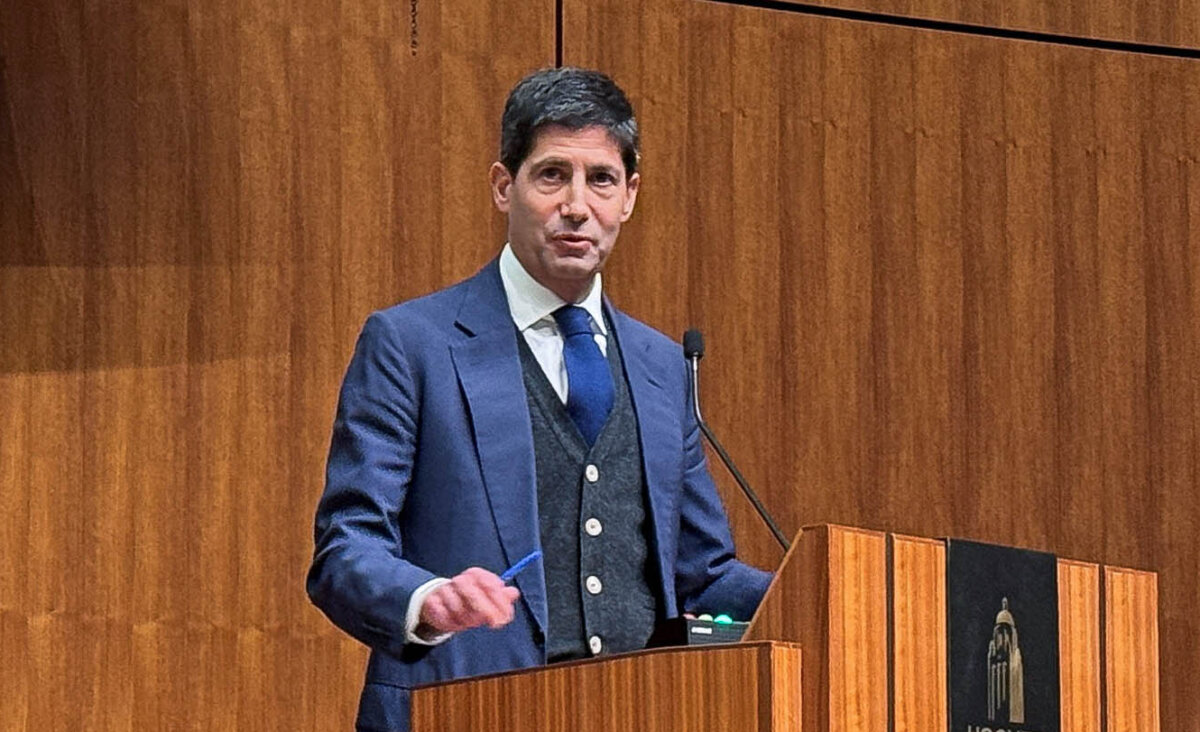

President Donald Trump has selected former Federal Reserve board member Kevin Warsh as the next head of the U.S. central bank.
After months of speculation, Trump named his nominee to replace Fed Chairman Jerome Powell, whose term expires in May.
The market and political reactions have so far been mixed, but the president has said he is confident that Warsh will go down as “one of the great Fed Chairmen, maybe the best.”
Here is what to know about Kevin Warsh and his path to the nomination to lead the Federal Reserve.
‘Strong Pedigree’
Kevin Warsh is the Shepard family distinguished visiting fellow in economics at the Hoover Institution and a lecturer at Stanford Graduate School of Business.
He is also a partner with Stanley Druckenmiller at Duquesne Family Office LLC.
He earned a Bachelor of Arts degree from Stanford University and a Juris Doctor from Harvard Law School, and he has conducted extensive research in economics and finance.
Warsh authored an independent report for the Bank of England, recommending reforms to the UK’s monetary policy—recommendations later adopted by the UK Parliament.
At age 35, he became the youngest board member in the Federal Reserve’s history, serving from 2006 to 2011.
During his tenure, he represented the Fed at the G‑20, acted as an emissary to Asian economies, and served as administrative governor, overseeing operations, personnel, and financial performance.
Before joining the Fed, Warsh served in the White House as special assistant to the president for economic policy and as executive secretary of the National Economic Council (2002–2006).
Earlier in his career, he worked in mergers and acquisitions at Morgan Stanley, rising to vice president and executive director.
“Warsh has a strong pedigree to be chair of the Federal Reserve, with a background somewhat similar to Chair Powell,” Deutsche Bank economists said in a note emailed to The Epoch Times.
He is married to Jane Lauder, the granddaughter of Estée Lauder. Ronald Lauder, the heir to the Estée Lauder cosmetics fortune, is Warsh’s father-in-law.
‘Regime Change’ at the Fed
Warsh has been a frequent critic of the Federal Reserve System, particularly for its management of monetary policy since the COVID-19 pandemic.
He has contended that the Fed kept monetary policy too loose for too long, even after the crisis-era emergency had passed.
The Fed has also engaged in mission creep, according to Warsh, diving into broader political and social territory.
Ultimately, Warsh has said, the Fed has become too active, too visible, and too involved in areas beyond its narrow statutory role.
“We have blurred these lines about who’s responsible,” Warsh said in a July 2025 interview with the Hoover Institution.
“Institutions like the Federal Reserve need to be restored to what they once were, which is important institutions that are on the sidelines most of the time and come in only in exigent circumstances.”
Shortly after the Fed began its easing cycle in September 2024—six weeks before the general election—Warsh said that it contradicted everything the central bank had said up until that point, calling it “puzzling.”
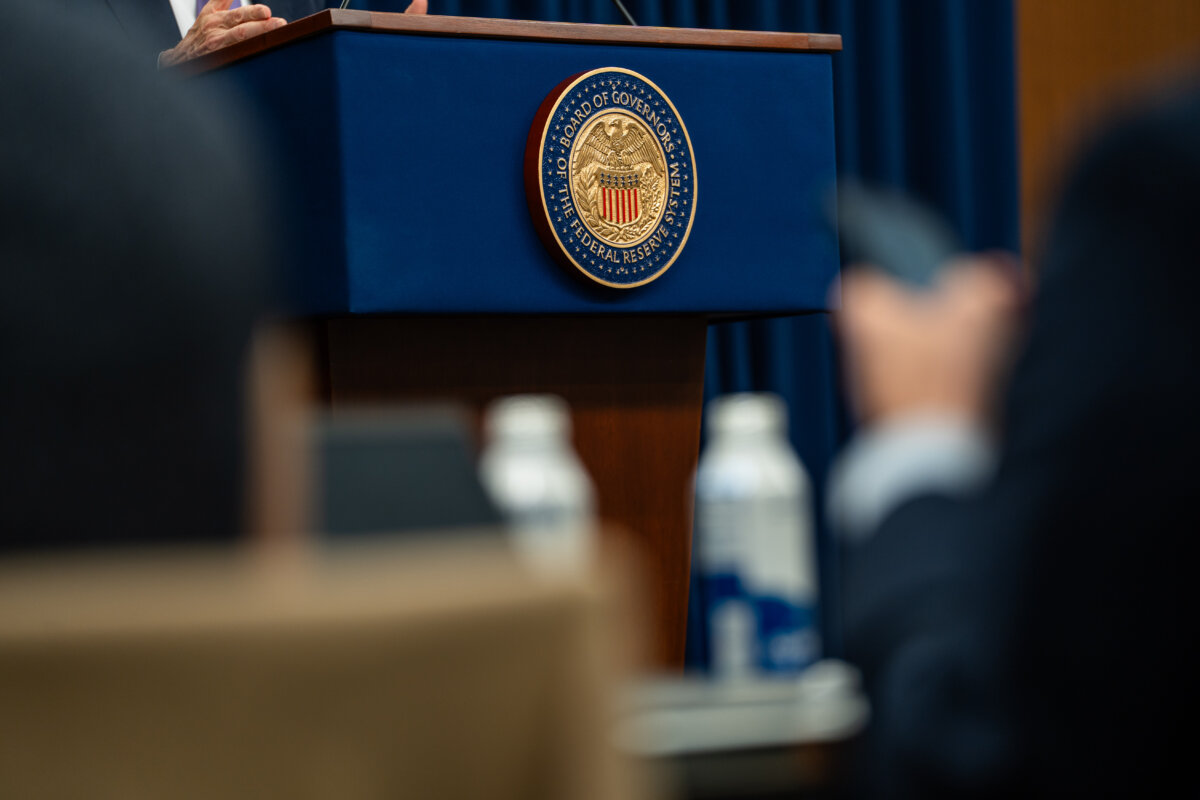
Stopping short of citing political motives, Warsh told Fox Business host Larry Kudlow at the time that it looked “quite out of touch with what they’ve said is their way to make policy.”
“We need regime change in the conduct of policy,” Warsh said in an interview with CNBC’s “Squawk Box” in summer 2025. “The credibility deficit lies with the incumbents that are at the Fed, in my view.”
Policy Reform Proposals
Leadership, institutional humility, and a willingness to act preemptively rather than reactively would be long-term treatments for monetary policy, according to Warsh.
In the immediate term, however, clear communication, disciplined policymaking, and a narrower focus of the central bank’s statutory responsibilities—maximum employment and price stability—would be prescriptions for restoring confidence in the Federal Reserve System.
“If the institution can reform itself, then there can be great things for the institution and the country,” Warsh said. “But it does mean that it’s time to get things back on track.”
One of Warsh’s key proposals is to eliminate forward guidance, a communication tool introduced in the early 2000s to give financial markets a heads-up on what to expect.
In June 2004, for instance, the post-meeting statement signaled that interest rate hikes were approaching.
During the Great Recession, the Fed signaled that interest rates were likely to remain at “exceptionally low levels … for some time.”
But, according to Warsh, forward guidance “has little role to play in normal times.”
“Moving markets with rolling Fed incantations is tempting, but unhelpful to the Fed’s deliberations, and ultimately, to its mission,” Warsh said during an April 2025 speech at the International Monetary Fund.
“The central bank should find new comfort in working without applause and without the audience at the edge of its seats.”
Another measure would be to craft a new Fed–Treasury policy alliance, comparable to their relationship in 1951.
The partnership effectively allowed the Fed to operate independently of the Treasury Department and craft monetary policy without interference.
“So if we have a new accord, then the Fed chair and the Treasury secretary can describe to markets plainly and with deliberation, ‘This is our objective for the size of the Fed’s balance sheet,’” Warsh said.
Warsh said that in the end, the Fed needs to print less money and shrink the balance sheet.
Always in the Running
Warsh has a history of being in the running for top positions in the Trump administration.
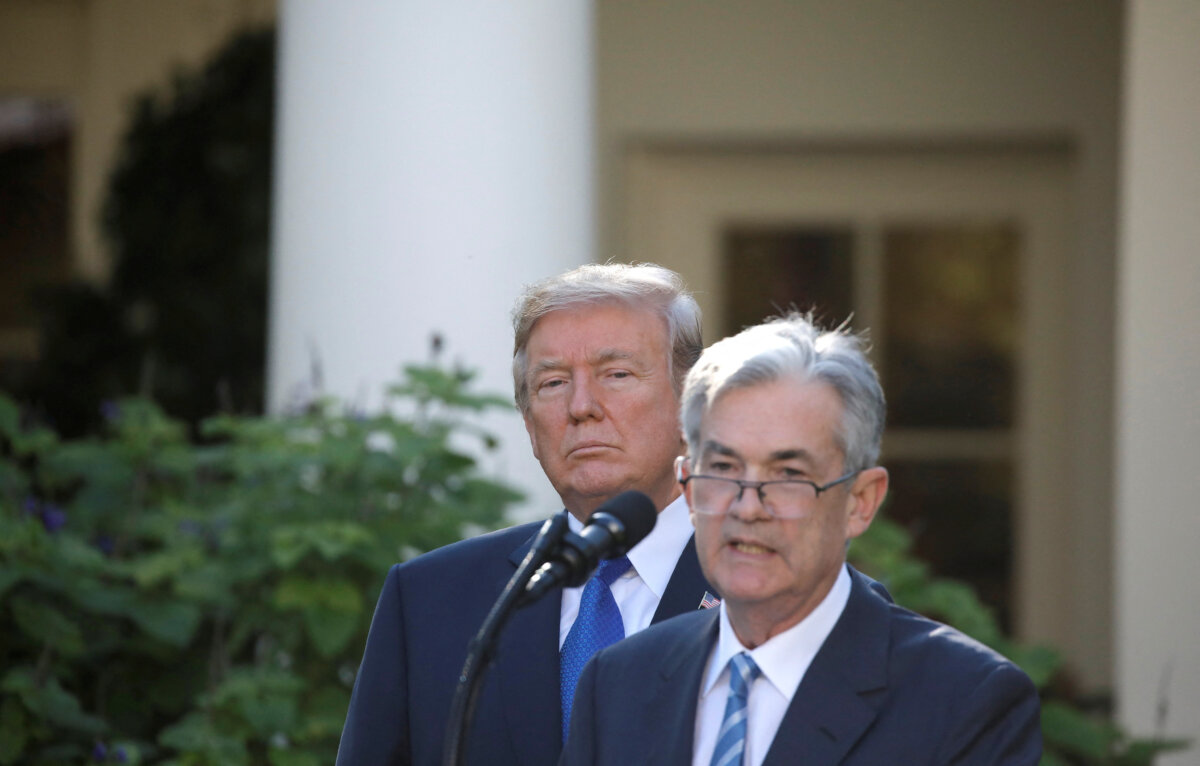
In 2017, when Trump was pursuing a replacement for Fed Chair Janet Yellen during his first term, Warsh was one of the front-runners.
Instead, according to the president, Treasury Secretary Steve Mnuchin recommended Powell for the position of Federal Reserve chairman.
Years later, Warsh’s name surfaced as a candidate for Treasury secretary as the president assembled his team for a second term.
The position eventually went to Wall Street veteran Scott Bessent.
Warsh had long been considered a heavyweight contender to succeed Powell.
Although prediction markets have been erratic over the past year—BlackRock executive Rick Rieder and National Economic Council Director Kevin Hassett previously had the best odds—Warsh has mostly been at the top of Kalshi and Polymarket since early January.
 Friends Read Free
Copy
Facebook
Tweet
Friends Read Free
Copy
Facebook
Tweet