
China could agree to purchase additional Boeing aircraft when Chinese leader Xi Jinping visits Washington in September, U.S. Treasury Secretary Scott Bessent said on Wednesday.
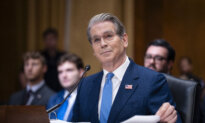
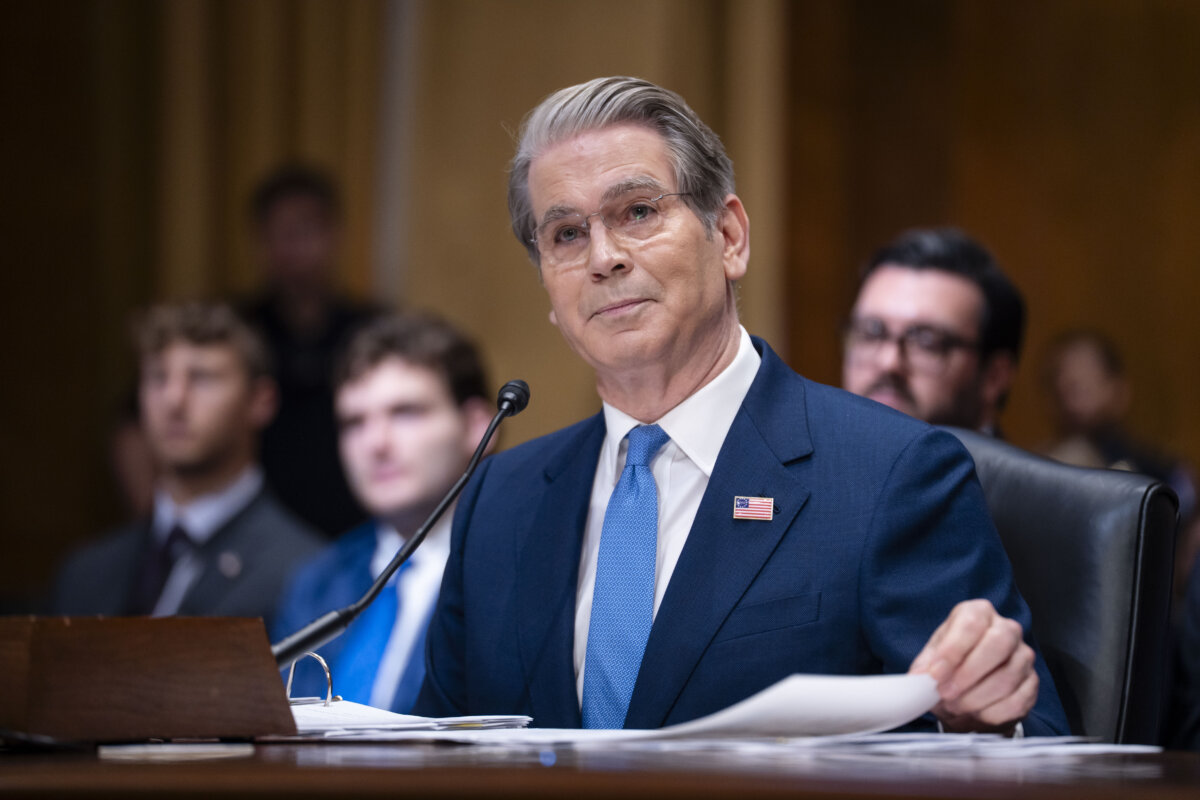
Speaking during a Senate Finance Committee hearing on the Treasury Department’s fiscal 2027 budget request, Bessent pointed to a previously announced commitment by China to acquire 200 Boeing aircraft following President Donald Trump’s visit to Beijing in May.
“They agreed to 200 airplanes during the visit. We will see if they commit to a larger number when Xi Jinping arrives in Washington,” Bessent told senators.
The 200-aircraft agreement was announced after the Trump–Xi summit in Beijing and was described by U.S. officials and Boeing as an initial package. China’s Commerce Ministry later acknowledged the agreement.
Bessent said broader U.S.–China relations currently showed “very good stability,” but Washington must continue to reduce its reliance on China in strategic sectors.
He told lawmakers that U.S. dependence on Chinese supplies of critical minerals, semiconductors, and pharmaceuticals was “unacceptable” and should be addressed through economic de-risking and supply chain diversification.
The Treasury secretary also criticized what he described as Chinese state support and pricing practices in critical minerals markets, citing ongoing U.S. efforts to strengthen domestic resilience.
Separately, the Office of the U.S. Trade Representative (USTR) announced a public consultation process on Tuesday for a proposed U.S.–China Board of Trade—a mechanism intended to address commercial disputes involving non-sensitive goods.
According to the USTR, public comments on the proposal are due by July 10. The agency said the process would examine possible reciprocal tariff adjustments covering non-sensitive imports traded between the two countries.
Bessent suggested discussions could focus on products that the United States does not consider strategically important.
He cited examples including “fireworks, Halloween costumes, very low-end consumer items that we do not want to reshore.”
The proposed trade body emerged from discussions between Trump and Xi during their Beijing summit, part of a broader effort by both sides to stabilize economic relations while maintaining restrictions in areas linked to national security.
Trade tensions between Washington and Beijing have dominated relations for much of the past decade.
During Trump’s first administration, both countries imposed tariffs on hundreds of billions of dollars worth of goods. Many of those measures remained in place under President Joe Biden, whose administration also expanded export controls on advanced technologies.
The Boeing agreement marked the company’s most significant breakthrough in the Chinese market in years after a prolonged slowdown in orders amid trade disputes and regulatory tensions.
Analysts said additional aircraft purchases remain possible if bilateral relations continue to improve.
Sourabh Gupta, a senior fellow at the Institute for China-America Studies, said larger orders could follow if confidence between the two sides strengthened.
Hilton Root, a professor at George Mason University, said any long-term trade mechanism would require strong institutional backing to separate commercial issues from national security disputes.
Despite continuing strategic competition, trade between the world’s two largest economies remains substantial, leaving room for targeted agreements even as both seek to protect critical industries.
Reuters contributed to this report.
 Friends Read Free
Copy
Facebook
Tweet
Friends Read Free
Copy
Facebook
Tweet