Analysis
China is betting big on nuclear power to fuel its next phase of economic growth and geopolitical competition. However, the ruling communist regime’s heavy reliance on imported uranium could complicate those ambitions as the United States moves to reshape global supply chains.
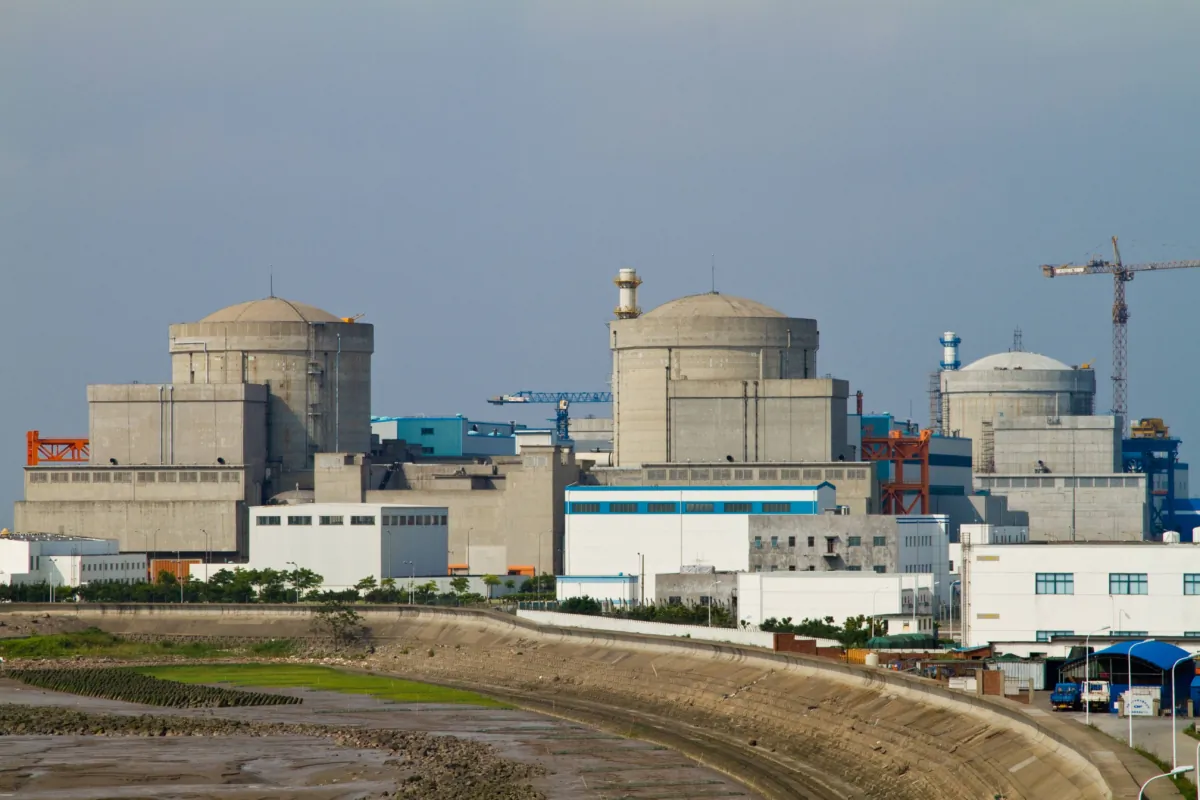
In April, Beijing unveiled a sweeping nuclear energy plan, projecting that by 2030, its installed nuclear capacity could surpass that of the United States to become the world’s largest, according to Chinese state-controlled media outlet Shanghai Securities News. The report says that nuclear energy will form the backbone of China’s long-term energy security strategy.
The push reflects more than climate goals. Wang Changlin from China’s National Development and Reform Commission said at a press conference on April 17 that nuclear expansion is essential not only for energy independence but also for gaining an advantage in geopolitical competition, according to Chinese state media outlet the People’s Daily.
Industry figures underscore the pace of expansion. The People’s Daily reported that the total number of operational, approved, and under-construction reactors stands at 112, with a combined capacity leading the world.
On paper, the growth trajectory appears achievable. However, its success depends on securing critical upstream resources—chief among them uranium.
At present, China lacks sufficient domestic uranium resources and depends heavily on imports, many of which could be affected by shifting geopolitical dynamics.
Growing Resource Gap
Uranium is the core fuel for nuclear power plants, and China’s domestic supply falls far short of its needs.
One Chinese online news platform reported that as of 2024, China’s proven uranium reserves totaled about 350,000 tons, roughly 6 percent of the global total. Annual production accounts for about 10 percent of the country’s demand, leaving China heavily dependent on imports.
To secure foreign supply, China relies on overseas equity stakes in uranium projects and purchases on the global market.
Kazakhstan alone accounts for a significant share of China’s imports and is deeply integrated into its nuclear fuel supply chain. Chinese state-backed firms have formed joint ventures with Kazakhstan’s national uranium company, participating in uranium mining operations.
In Namibia, China has made major investments in uranium mining. The Husab mine—one of the largest uranium projects in the world—is a flagship Chinese-backed operation.
These arrangements give Beijing substantial influence over overseas uranium production. However, the regime also created exposure to political and strategic risks beyond its borders.
Rising Competition From Washington
That exposure is becoming more significant as the United States seeks to reassert influence over critical mineral supply chains.
In November 2025, U.S. President Donald Trump hosted the leaders of five Central Asian nations—Kazakhstan, Kyrgyzstan, Tajikistan, Turkmenistan, and Uzbekistan—and placed critical minerals, including uranium, at the center of cooperation.
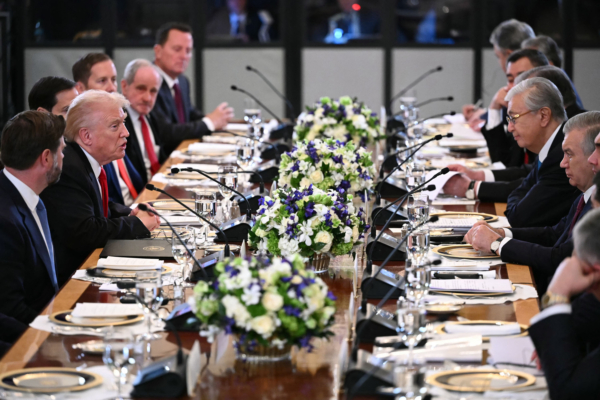
The initiative signals a broader U.S. strategy to diversify supply chains, reduce dependence on China and Russia, and build alternative sourcing networks.
Central Asia is key to that effort. Data from the World Nuclear Association show that Kazakhstan alone produces about 40 percent of the world’s uranium, making it a pivotal player in global nuclear energy markets.
Recent U.S. moves in the region highlight the shift. After last year’s meeting with Trump, Kazakhstan signed agreements with U.S. companies on critical mineral resources.
Cheng Gong contributed to this report.
 Friends Read Free
Copy
Facebook
Tweet
Friends Read Free
Copy
Facebook
Tweet