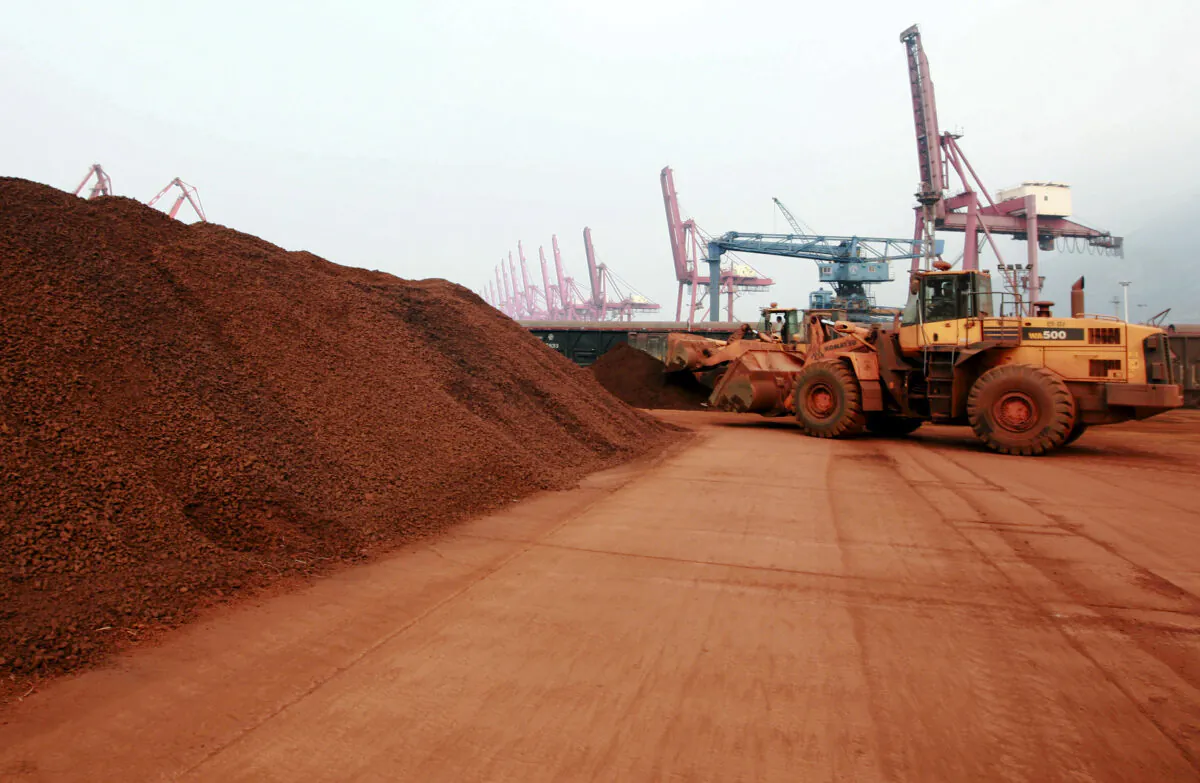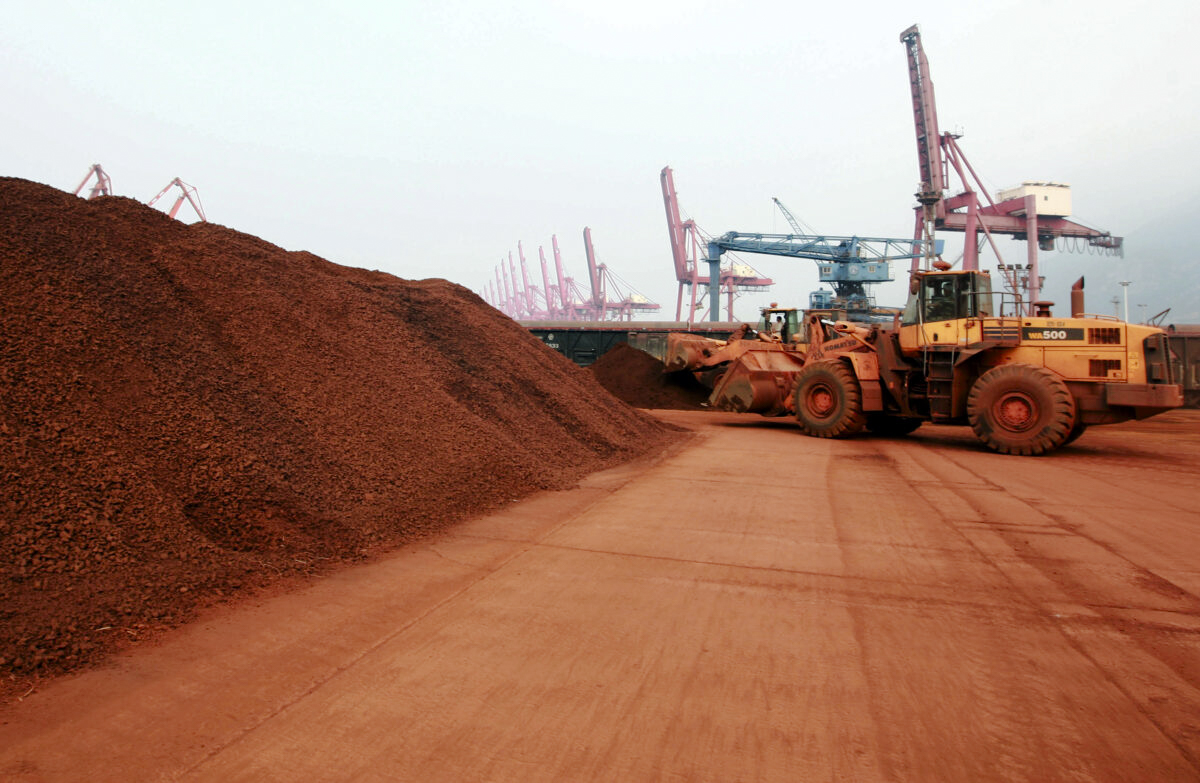

China’s exports of rare earth metals rebounded further in July, with shipments to the United States hitting their highest level this year, new customs data showed on Aug. 20.
Last month, according to data released by China’s General Administration of Customs, the country exported a total of 5,577 tons of rare earth permanent magnets, a component essential to global semiconductor, automotive, and defense makers. The figure represented a 72 percent increase from June and a 7 percent rise compared with the same month last year.
The United States received approximately 619 tons of magnets last month, a surge from just 46 tons in May, making it the largest monthly shipment so far this year.
Rare earth metals, a group of 17 metals used in products ranging from electric cars to submarines, has emerged as a key lever for China’s communist regime in its trade fight with Western economies.
China is nearly a monopoly supplier of rare earths, accounting for 61 percent of global extraction and 92 percent of refining production, according to the International Energy Agency.
In April, the Chinese regime expanded its export control list to include seven of 17 rare earth metals, along with magnets composed of three of these elements, disrupting global supply chains critical to the defense, electronics, and automotive industries. The move came shortly after President Donald Trump implemented steep tariffs on Chinese exports, aimed at rebalancing trade relations and pressuring Beijing to curb the flow of illicit fentanyl into American communities.
Under Beijing’s regulations, companies must secure special licenses to export rare earths—a procedure that can take up to 45 days—submitting proofs that their overseas clients will not use the magnets for military purposes.
The restriction has dramatically slowed the supply of the seven metals—namely dysprosium, gadolinium, lutetium, samarium, scandium, terbium, and yttrium—with May exports hitting a five-year low, according to official data.
The Chinese regime has promised to normalize the flow of controlled items, following trade talks with U.S. negotiators in London in July. Data released last month showed that despite a sharp rebound in magnet shipments globally in June, the volume remained only half of the level of the same month last year.
For terbium and dysprosium, two heavy rare earth metals known for enhancing temperature resilience in magnets widely deployed in aerospace and defense industries, there were no shipments from China to the United States for the third consecutive month in July, customs data showed.
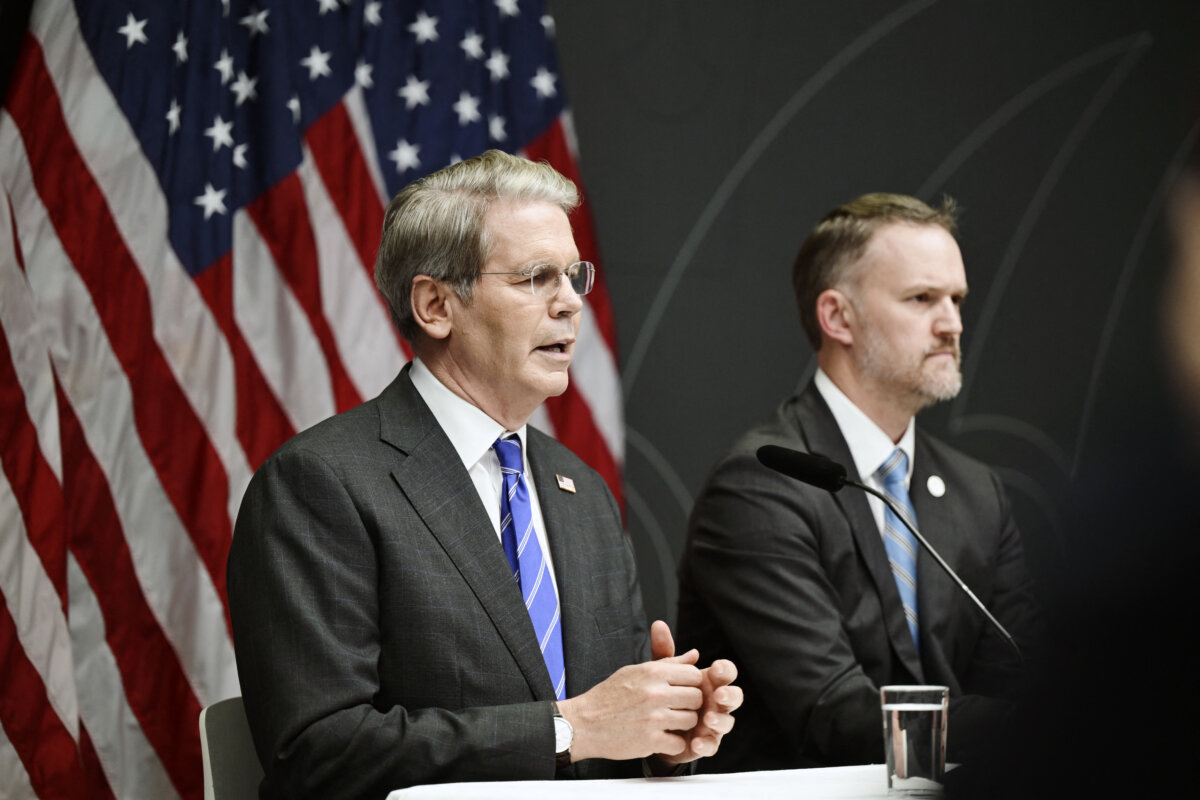
White House economic adviser Kevin Hassett told The Epoch Times on July 30 that China was still falling short of its commitment in rare earths exports.
Trade Representative Jamieson Greer said this month that the critical metals were the focus of the latest round of negotiations with China in Stockholm.
“We’re focused on making sure that the flow of magnets from China to the United States and the adjacent supply chain can flow as freely as it did before the control,” Greer told CBS’s “Face the Nation” on Aug. 3. “And I’d say we’re about halfway there.”
Beijing’s chokehold on rare earths has prompted Western nations to boost domestic production and diversify their supply chains. In the United States, MP Materials announced a multibillion-dollar agreement with the Department of Defense in mid-July aimed at boosting the United States’ production of rare earth metals while reducing reliance on China and other nations.
 Friends Read Free
Copy
Facebook
Tweet
Friends Read Free
Copy
Facebook
Tweet