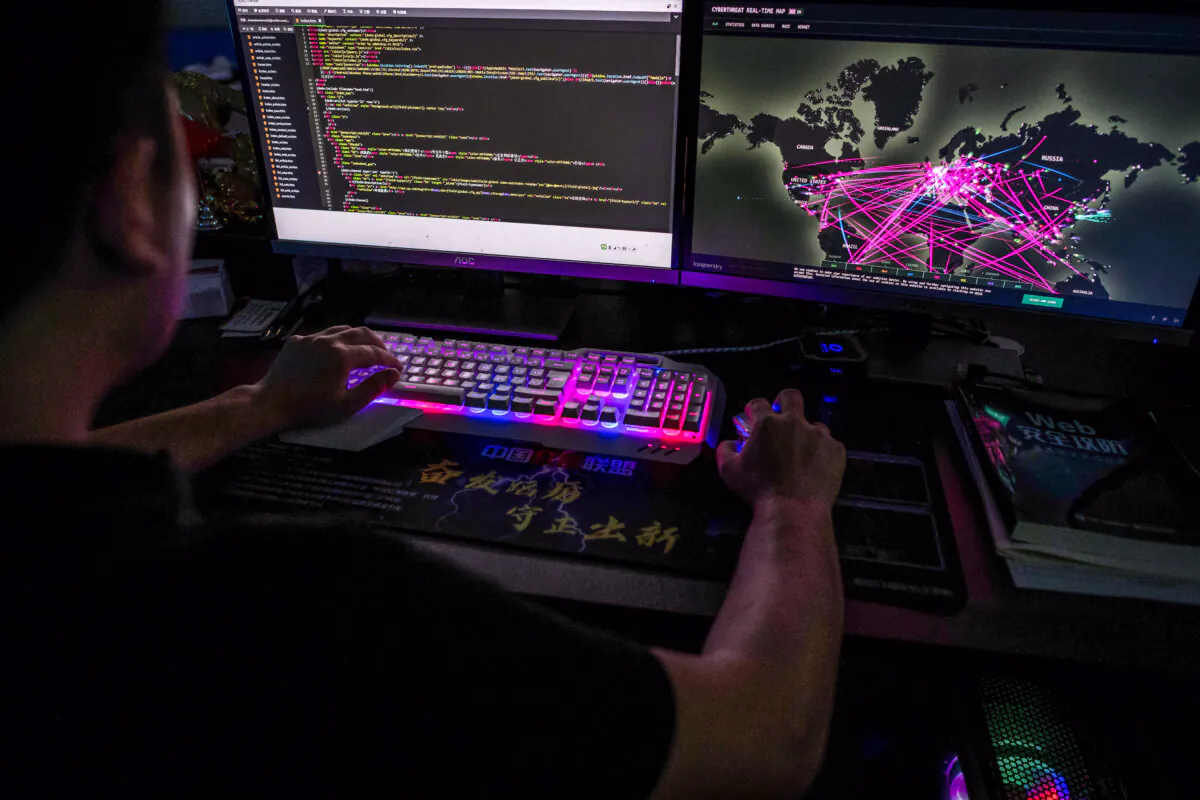

Taipei’s latest national security report shows that Beijing is exploiting Taiwan as a backdoor to circumvent Western technology restrictions, a tactic experts warn could heighten the risk of an armed invasion.
The National Security Bureau of Taiwan submitted its security assessment to Taiwan’s legislature—officially known as the Legislative Yuan—on April 6, indicating that the Chinese regime is targeting the island’s artificial intelligence (AI) and semiconductor industries to relocate production to China.
The document, titled the “National Intelligence and National Security Bureau Operations Report,” states that Beijing has been using back channels to poach Taiwan’s high-tech talent and illicitly obtain controlled goods.
The Chinese Communist Party (CCP) is seeking to obtain “Taiwan’s cutting-edge chips and other critical core technologies and products,” the bureau said, according to a translation.
It notes that Beijing’s theft campaign, which aligns with its 15th Five-Year Plan—the regime’s economic roadmap for 2026 to 2030—has singled out Taiwanese technology industries in its bid to “break through international technology containment.”
The report also details other Chinese threats, including irregular incursions into Taiwan’s air and maritime space, online cognitive warfare, and efforts to suppress Taiwan’s diplomatic standing internationally.
Taiwan is a self-governed democracy that the CCP has never ruled but has vowed to annex by force if necessary.
The tech-powerhouse island accounts for 60 percent of global chip production and 90 percent of the world’s most advanced semiconductors.
Its best-known chipmaker, Taiwan Semiconductor Manufacturing Co., is a global leader in producing semiconductors that power AI systems, consumer electronics, and smartphones.
Taiwan as a Backdoor
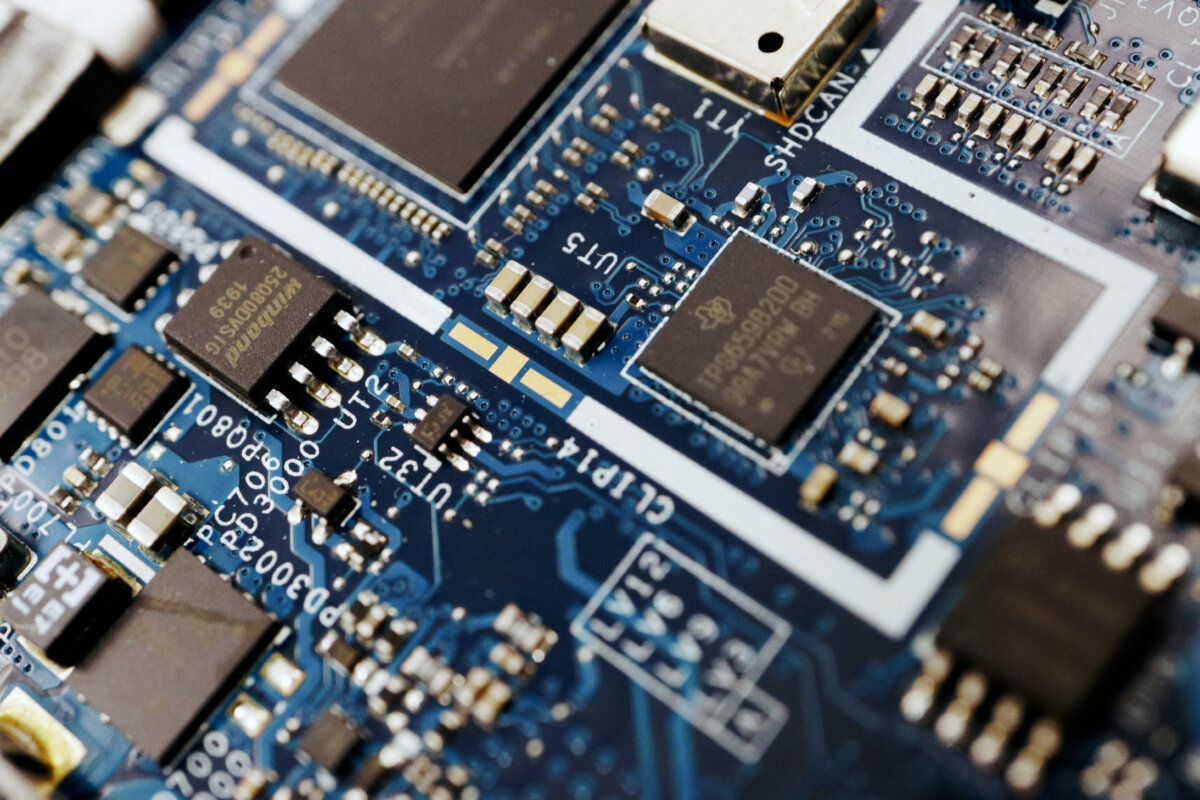
Lin Tsung-nan, a professor of electrical engineering at National Taiwan University, said tightened semiconductor export restrictions from Washington have left Beijing with few options, pushing it to zero in on the island to extract technology it can no longer legally acquire.
“In the recent Super Micro Computer case, those involved were arrested by U.S. law enforcement, but penalties in Taiwan are relatively lenient, and its legal framework is far less robust by comparison,” Lin told The Epoch Times.
“This case shows that Taiwan has become a conduit for Beijing to circumvent Western technology restrictions.”
U.S. authorities in March charged the cofounder and two employees of Super Micro Computer—also known as Supermicro—with illegally funneling Nvidia chips worth millions of dollars to China.
Lin said linguistic familiarity and insider access have made Taiwan’s tech sector more vulnerable.
“Chinese operatives can communicate directly with people in Taiwan in Mandarin, and Beijing can leverage pro-China figures within Taiwan’s high-tech industry to obtain classified information,” Lin said.
Lee Chung-chih, deputy convenor of the Strategic Industries Program at Taiwanese think tank DIMEs Center and former deputy CEO of Taiwan’s Telecom Technology Center, said Beijing’s underhanded push for foreign technology is not limited to Taiwan, with the United States, Europe, and Japan also in its crosshairs.
“China’s appetite for stolen technology is enormous, targeting the most advanced and specialized capabilities across the globe,” Lee told The Epoch Times.
“If legal channels are not available, illegal ones will do—even dispatching students overseas is nothing new.”
Theft Fuels Power
Lee pointed out that although Beijing has been unable to acquire Taiwan Semiconductor Manufacturing Co.’s most advanced chipmaking technology despite decades of clandestine efforts, the regime continues to target the broader semiconductor ecosystem instead.
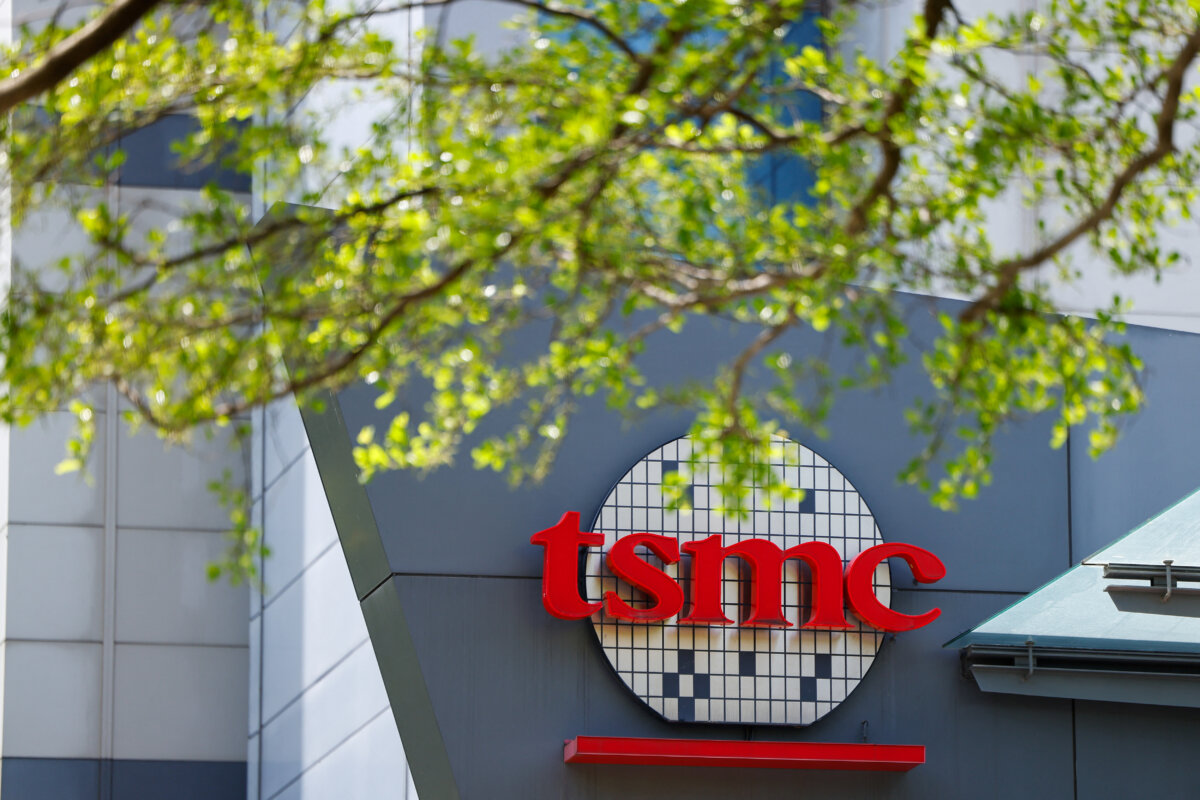
“China is stealing across the entire semiconductor design chain, from chip applications and critical machinery to process parameters and production line layouts,” Lee said.
But Beijing’s espionage operations are not confined to Taiwan’s semiconductor industry, with the CCP also systematically penetrating other critical high-tech sectors, according to Lee.
“They have also set their sights on Taiwan’s networking and telecommunications industries for wide-scale infiltration, causing a certain degree of damage to related high-tech sectors,” Lee said.
Lee noted that these stolen trade secrets allow Beijing to quickly translate gains into profit and rapidly scale up production capacity, bolstering its overall national power.
“In terms of critical foundational technology, China still falls far behind the West overall, but it has managed to achieve significant breakthroughs in certain specialized areas,” Lee said.
Enabling Invasion
Lin said China’s technology theft is part of a broader gray-zone campaign—aggressive and coercive actions designed to intimidate an opponent while remaining below the threshold of warfare—with the aim of fundamentally undermining Taiwan’s democracy and way of life.
“China’s current strategy is to achieve unification with Taiwan without firing a single shot,” Lin said.
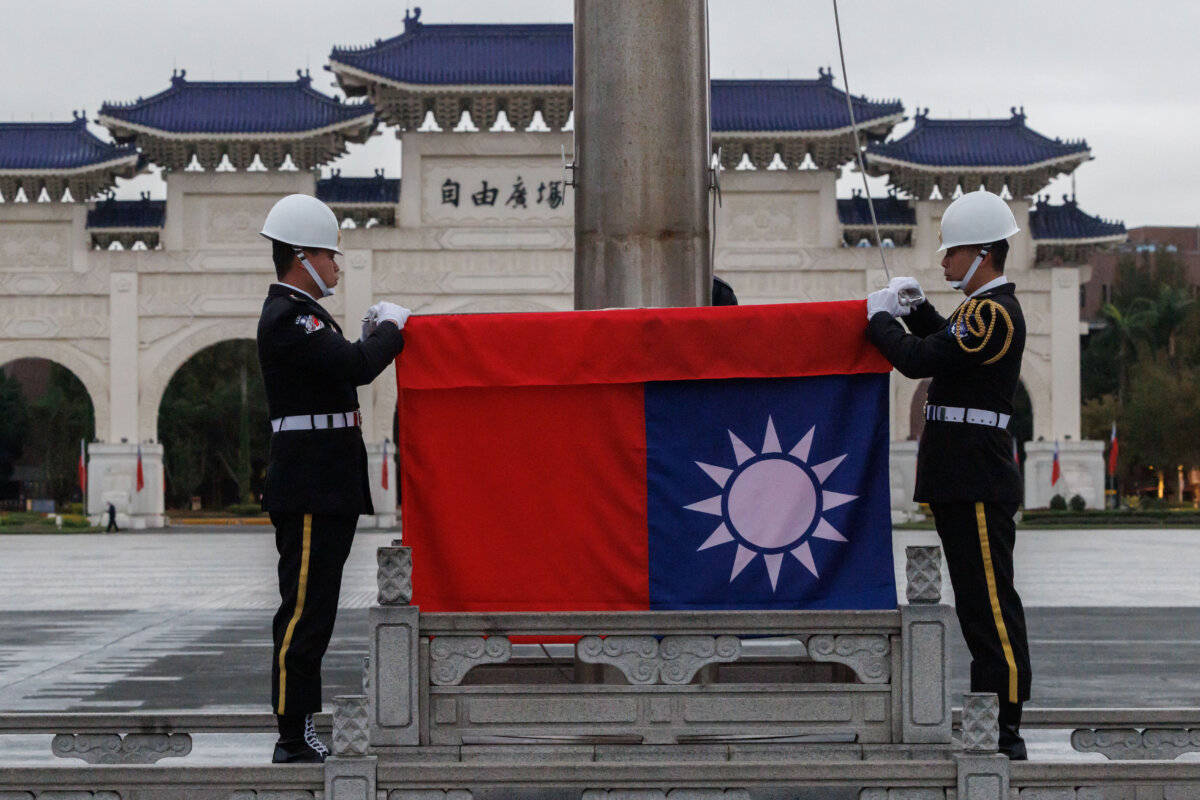
“Through theft and information warfare against Taiwan, including mass-producing disinformation, Beijing is trying to convince Taiwan that resistance is futile and that capitulation is its only option.”
The U.S. Intelligence Community released its 2026 Annual Threat Assessment in March, stating that Beijing prefers to “achieve unification without the use of force, if possible,” even as the CCP maintains its threat of an armed attack against Taiwan.
Lin warned that Beijing’s technology pilfering could increase the likelihood of a full-scale military assault on the island.
“Through theft, China can weaponize Taiwan’s chip technology to erode Washington’s ability to defend the first island chain,” Lin said.
The first island chain—which includes Taiwan, mainland Japan, and the Philippines—is widely seen by analysts as a strategic buffer limiting China’s ability to project military power into the Pacific.
In a similar vein, Lee said, the cumulative effect of technology theft is directly eroding Taipei’s strategic advantage, degrading its ability to defend itself should Beijing launch a military invasion.
“These acts of theft add up over time, and all serve to advance Beijing’s aggression,” Lee said.
Lee warned that any Chinese infiltration of Taiwan’s AI sector is particularly dangerous, as the technology is poised to play a pivotal role in future military and intelligence operations.
“Large-scale theft of the island’s AI technology could hand China a decisive military advantage that Taiwan cannot afford to ignore,” Lee said.
 Friends Read Free
Copy
Facebook
Tweet
Friends Read Free
Copy
Facebook
Tweet