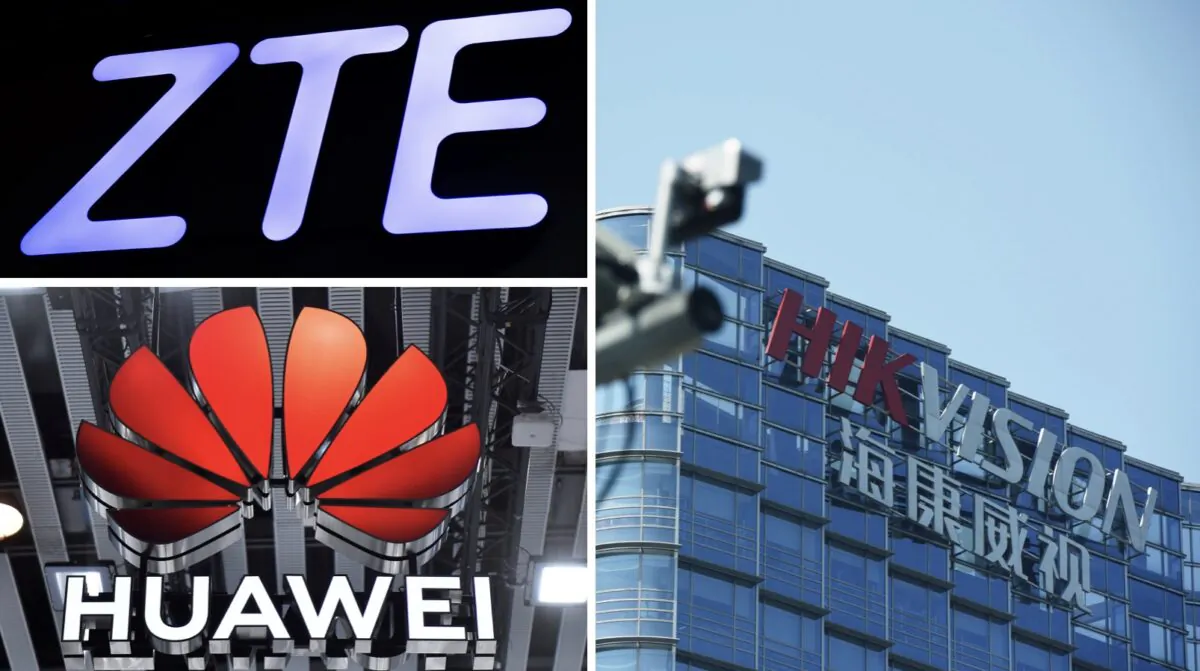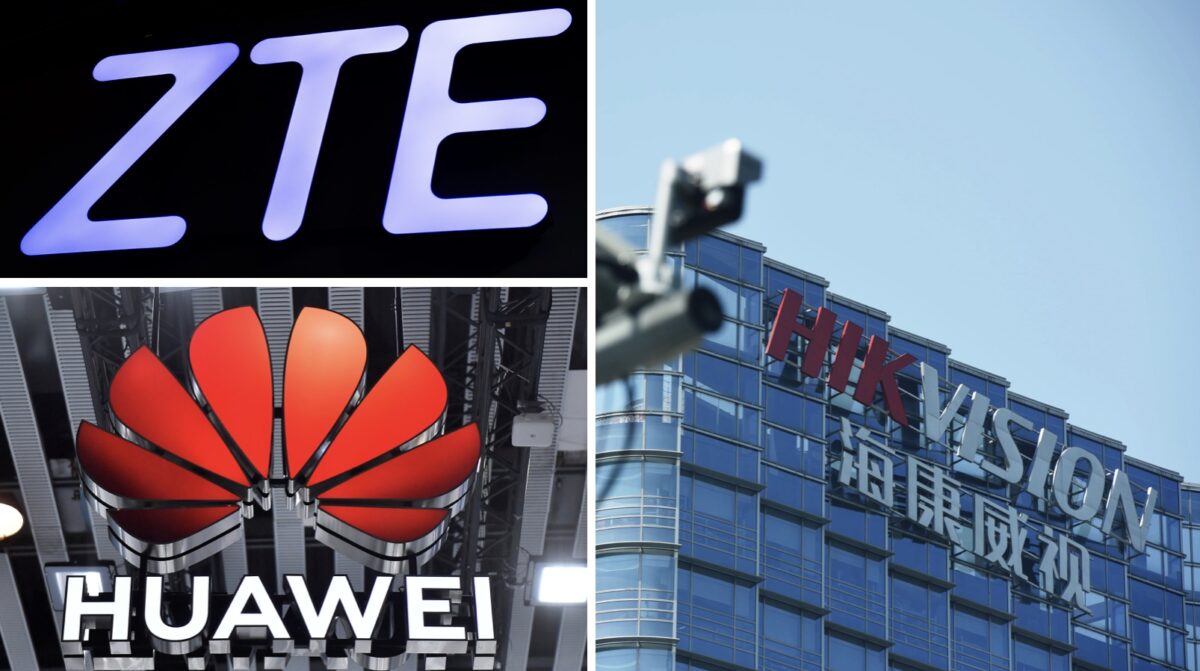

The European Commission has recommended that EU member states exclude Huawei and ZTE equipment from telecom operators’ connectivity infrastructure.
A commission spokesperson made the recommendation during a briefing in Brussels on Monday. The move aims to strengthen cybersecurity in critical digital networks across the 27-nation bloc.
New cybersecurity rules now under discussion would allow the EU to ban equipment from high-risk suppliers across the European market, the spokesperson said.
This latest push builds on years of EU efforts to secure 5G and other telecom networks against potential risks from certain foreign suppliers.
The European Union first agreed on a 5G cybersecurity toolbox in January 2020.
The toolbox provided guidance for member states and operators on assessing risks and restricting high-risk vendors in core and accessible parts of networks.
In June 2023, the Commission, which is the executive branch of the EU, stated that decisions by some member states to restrict or exclude Huawei and ZTE were justified.
It described these companies as presenting “materially higher risks” than other 5G suppliers, mainly due to their links to third-country laws on intelligence and data security.
On Jan. 20, the Commission proposed a revised Cybersecurity Act to turn many of these earlier recommendations into binding rules.
The proposal included measures for phasing out key components from high-risk suppliers in mobile networks, with operators potentially given around 36 months to comply.
China has criticized the plans. Last week, Beijing threatened countermeasures if the rules were applied in what it said was a discriminatory manner.
China’s commerce ministry warned of possible investigations into European companies and reciprocal actions.
The EU has said its measures are based on objective security assessments and are not aimed at any single country.
Several member states have already limited the use of Huawei and ZTE equipment, but progress varies.
Sweden and the Baltic states have introduced full bans, while Germany is phasing out the two Chinese vendors. High replacement costs are slowing down full removal in some countries.
Revised rules would still need approval by EU governments and the European Parliament before becoming law.
The Commission has stressed that telecom networks carry sensitive data and support essential services such as emergency calls and financial transactions.
Reducing reliance on high-risk suppliers is seen as a way to protect against possible cyberattacks or espionage.
The Monday briefing served as a reminder of the Commission’s position as the legislative process continues.
 Friends Read Free
Copy
Facebook
Tweet
Friends Read Free
Copy
Facebook
Tweet