
Taiwan’s economy is on track to post its strongest annual growth in 16 years as soaring demand for artificial intelligence (AI) tech fuels exports, manufacturing, and investment.
Taiwan’s National Statistics Agency said on May 29 that real gross domestic product (GDP) is now expected to grow by 9.64 percent in 2026. It is a sharp upward revision from its previous forecast and one of the strongest growth rates recorded since the global financial crisis.
The upgrade follows a stronger-than-expected first quarter, when the economy expanded by 14.55 percent from a year earlier.
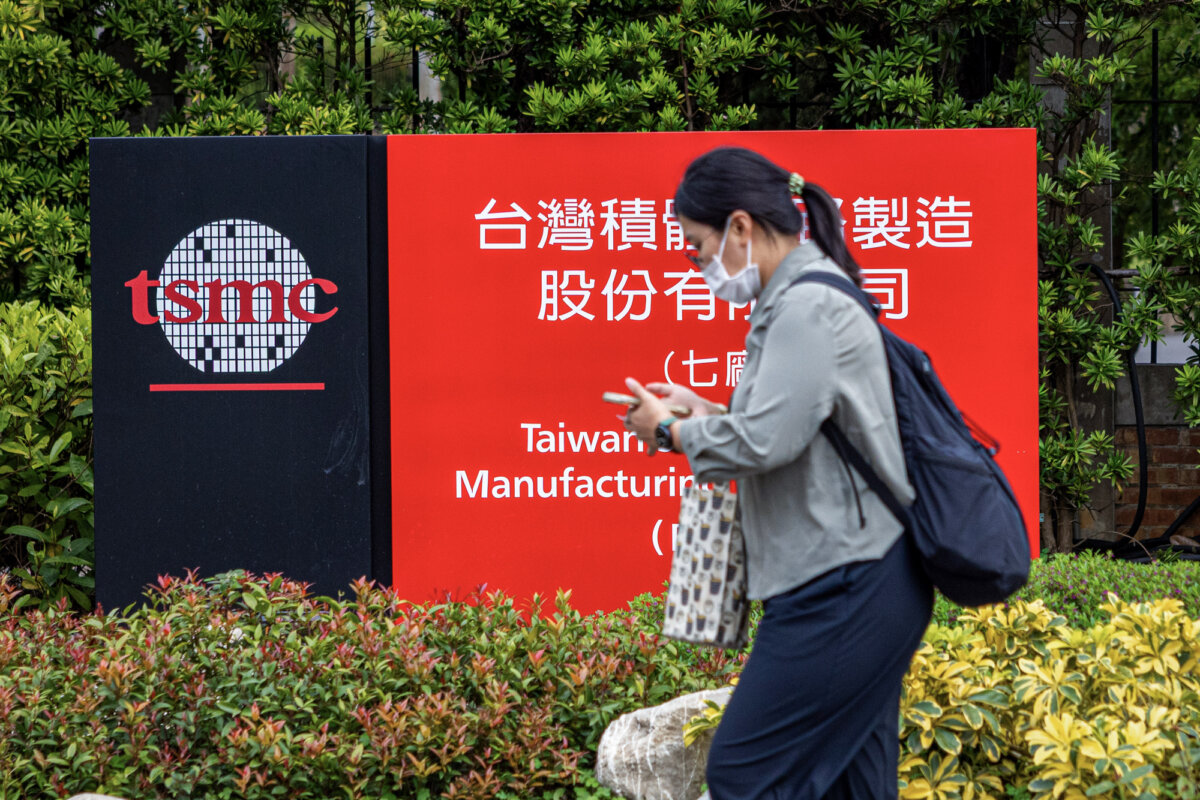
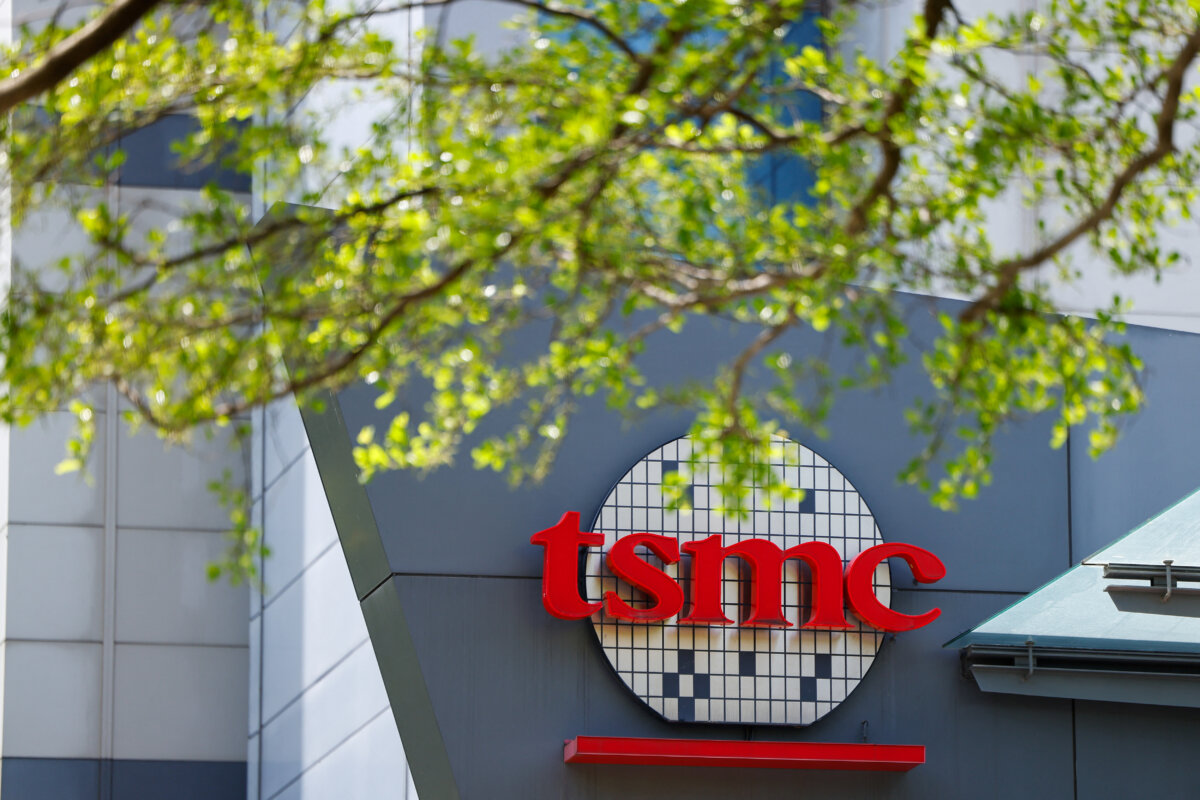
Taiwan plays a key role in the global AI supply chain for major tech companies, including Nvidia and Apple, and is led by the world’s largest contract chipmaker, Taiwan Semiconductor Manufacturing Co.
Taiwan’s statistics agency said external demand linked to AI was the main driver of the economy’s rapid expansion in the first quarter.
Exports of goods and services jumped 35.76 percent from a year earlier as global technology companies increased purchases of advanced chips, servers, and other AI-related hardware.
Imports also rose sharply, climbing 26.34 percent as manufacturers brought in more components and equipment to support production.
The agency said AI development is moving beyond large cloud-based systems toward applications such as AI assistants, autonomous software agents, and devices that process information locally.
That shift is increasing demand for computing power and driving another wave of spending by major cloud service providers.
Manufacturing Leads Growth
The technology boom translated into strong gains across several sectors of Taiwan’s economy.
Manufacturing output increased by 26.18 percent in the first quarter, following growth of 26.75 percent in the previous quarter. The expansion was driven primarily by semiconductors, computers, electronics, and optical products.
Wholesale and retail trade grew by 14.71 percent, while the financial and insurance sector expanded by 15.31 percent. Transportation and storage services also grew as demand for air cargo shipments increased.
The broad-based nature of the gains suggests that the benefits of AI-related investment are extending beyond chipmakers and reaching other parts of the economy.
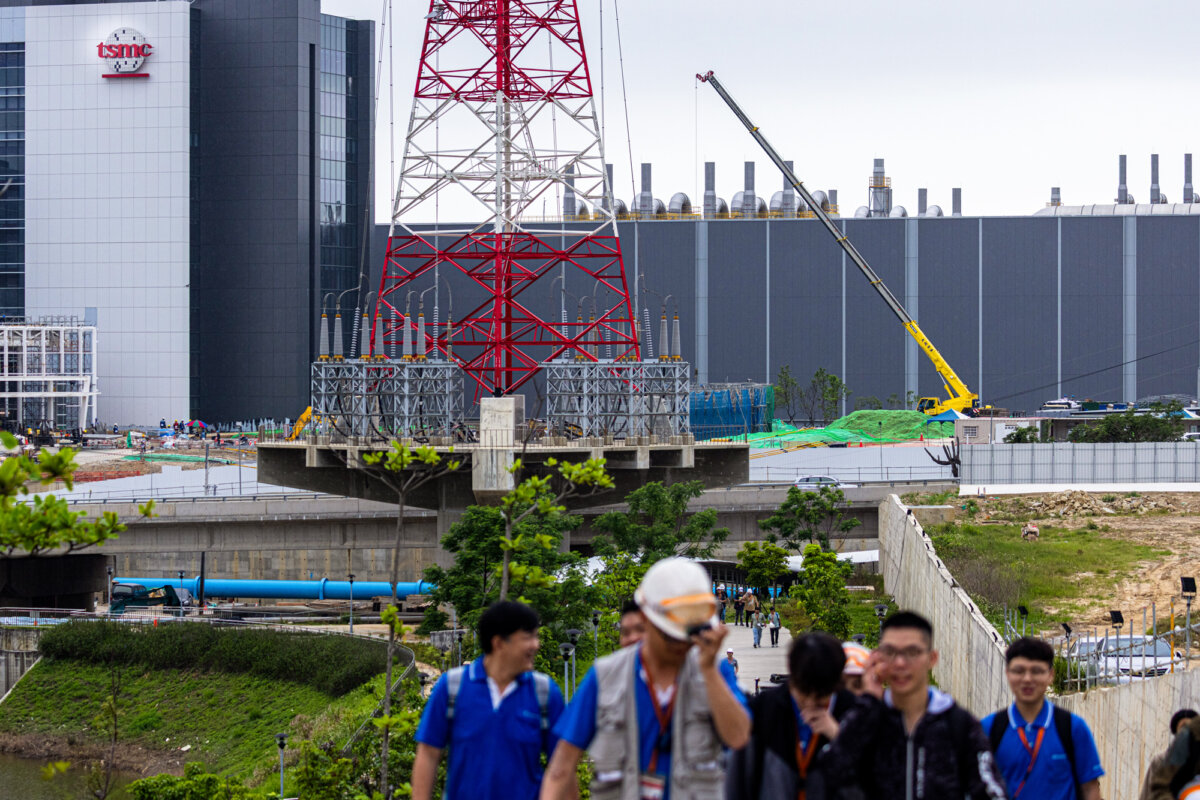
Private investment also remained strong. The agency said spending on machinery and equipment, intellectual property products, and transportation equipment increased during the quarter, helping gross capital formation rise by 5.92 percent.
Spending, Investment Outlook
Taiwan’s domestic economy also showed resilience.
Private consumption rose by 4.74 percent in the first quarter, supported by spending on communications, entertainment, transportation, and overseas travel. The agency also pointed to higher transaction fees in financial markets as stock trading activity increased.
Looking ahead, officials expect household spending to remain healthy throughout the year.
The agency forecasts private consumption growth of 3.6 percent in 2026, supported by higher wages, rising dividend payments, and stock market gains that have increased household wealth and disposable income.
Continued growth in outbound tourism is also expected to support spending.
The government expects businesses to continue investing heavily despite signs of weakness in the housing market.
Private fixed investment is projected to increase by 6.43 percent this year, following nearly 11 percent growth in 2025.
Officials said the ongoing demand for AI infrastructure is encouraging companies across the semiconductor supply chain to expand capacity and increase research spending. This includes chipmakers, memory producers, testing firms, and equipment suppliers.
Airlines are also expected to contribute through fleet expansion programs.
The statistics agency raised its overall 2026 growth forecast by 1.93 percentage points from its previous estimate, now expecting economic activity to remain robust throughout the year.
Despite the rapid pace of growth, inflation remains relatively modest.
The agency forecasts consumer prices will rise by 1.93 percent in 2026. Officials said government measures have helped limit the impact of higher global energy prices, although costs remain under upward pressure from weather-related disruptions, rising commodity prices, and increased demand for electronic components tied to AI production.
Service-sector prices are also expected to rise as employers increase wages in response to the strong economy.
 Friends Read Free
Copy
Facebook
Tweet
Friends Read Free
Copy
Facebook
Tweet