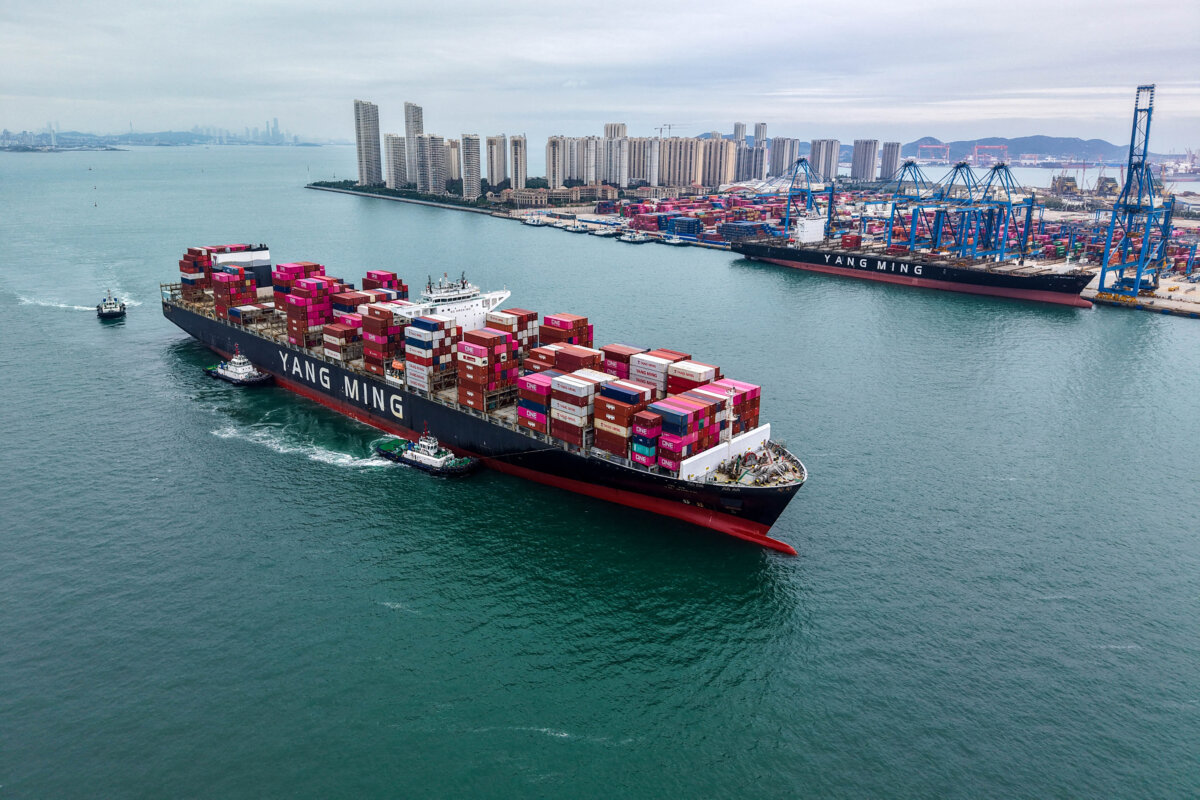

The Trump administration is seeking public comment on the creation of the Board of Trade, taking the first step toward establishing a new mechanism to manage trade relations between Washington and Beijing.
In a June 2 statement, the Office of the U.S. Trade Representative (USTR) said comment submissions will be open through July 10.
The office also invites comment on identifying “non-sensitive products” that could see potential tariff modifications on each side aimed at “balance and reciprocity” in the bilateral trade relationship.
The notice was issued weeks after U.S. President Donald Trump’s visit to Beijing, where he met with Chinese leader Xi Jinping and reached a consensus on a series of trade issues. That includes China’s commitment to buy U.S. agricultural products and aircraft, as well as the launch of a new Board of Trade and a separate Board of Investment.
According to the readout released by the Chinese Ministry of Commerce, the two sides had agreed in principle to discuss reciprocal tariff reductions on products worth $30 billion or more through the Board of Trade.
U.S. Trade Representative Jamieson Greer later confirmed that the framework would identify non-sensitive products worth at least $30 billion that both sides could trade with and consider reducing or eliminating tariffs.
“To me, it’s a positive step, because we can argue forever about export controls and all these other things—and we probably will,” Greer said at a May 26 event hosted by the Council on Foreign Relations in Washington. “But my assumption is that there is, you know, some amount, some minimum amount on each side that we agree, ‘Yeah, we should trade this.’”
Greer suggested that after decades of engagement, the United States has “mostly” given up efforts to persuade the Chinese regime to rectify its harmful trade practices, including massive industrial subsidies. Instead, the Trump administration has shifted to a new approach that focuses on “managed trade” with Beijing, he said.
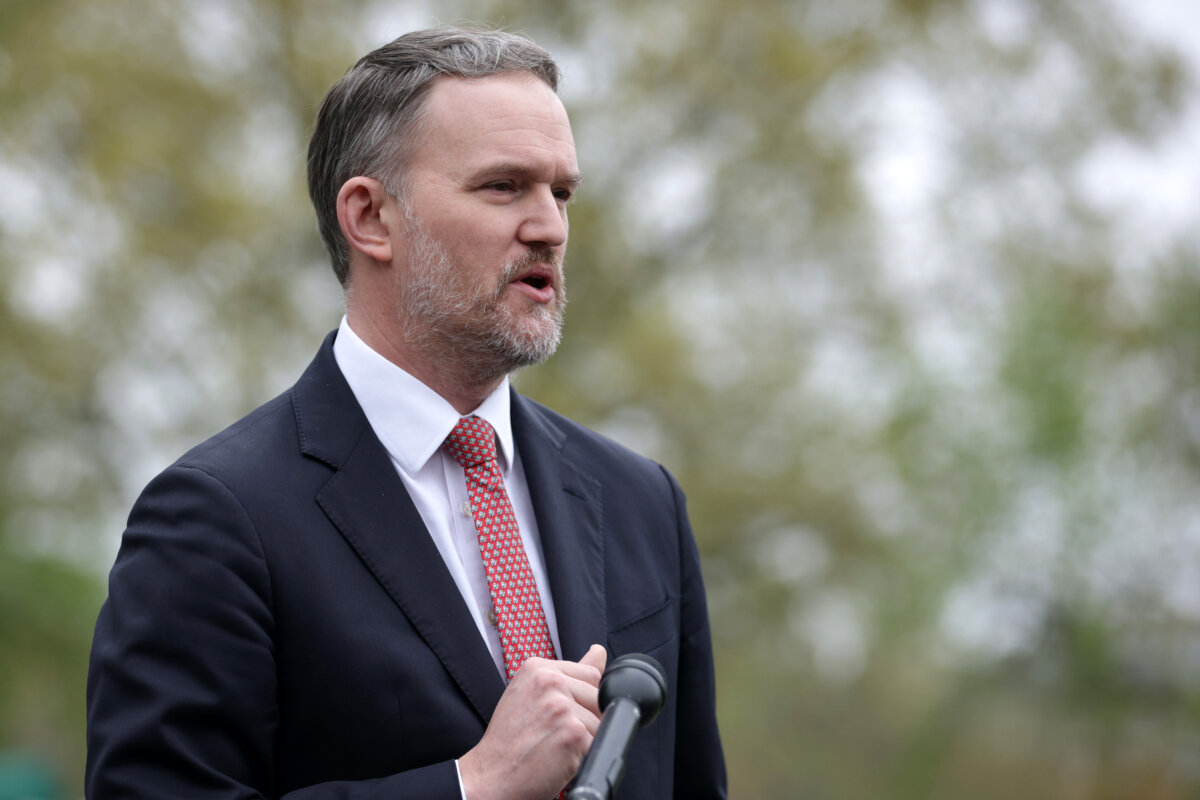
The U.S. trade chief described $30 billion as “a good amount to build confidence with the Chinese and try to seek balance with them.”
“My sense is that there will always be a higher average tariff coming out of China, because that’s part of the source of some of our largest problems when it comes to overcapacity in our trade deficits, and things like that,” he said.
Details
In the Federal Register notice, the USTR seeks views from U.S. stakeholders on which Chinese products should be considered non-sensitive—those unlikely to pose threats to economic and national security or supply chain resilience.
It wants to know which Chinese products subject to extra U.S. tariffs should qualify for reduced tariff rates, such as most-favored-nation rates. Stakeholders are asked to provide the average annual value of U.S. imports of these products from 2022 to 2024, and to explain how adjustments might benefit U.S. consumers, workers, or producers.
Similarly, the agency seeks comment on U.S. products currently under additional Chinese levies that should qualify to enter the Chinese market at Beijing’s most-favored-nation rates.
In addition, the agency requests public comment on how frequently the Board of Trade should convene to monitor the balance of trade flows and how it should assess and modify the list of products deemed non-sensitive.
Greer, in the June 2 statement, stressed the administration’s commitment to work with stakeholders to “identify non-sensitive goods trade that can deliver results for American farmers, ranchers, fishermen, small businesses, manufacturers, and workers.”
“We welcome comments from interested parties on effective ways to facilitate mutually beneficial trade with China while continuing to use tariffs to defend American economic and national security and promote balanced and reciprocal trade,” he said.
In a separate notice on June 2, the USTR proposed new tariffs on 60 economies that it found failed to take sufficient actions to curb the use of forced labor in the products they export to the United States. China is one of those countries that will face a 12.5 percent tariff.
 Friends Read Free
Copy
Facebook
Tweet
Friends Read Free
Copy
Facebook
Tweet