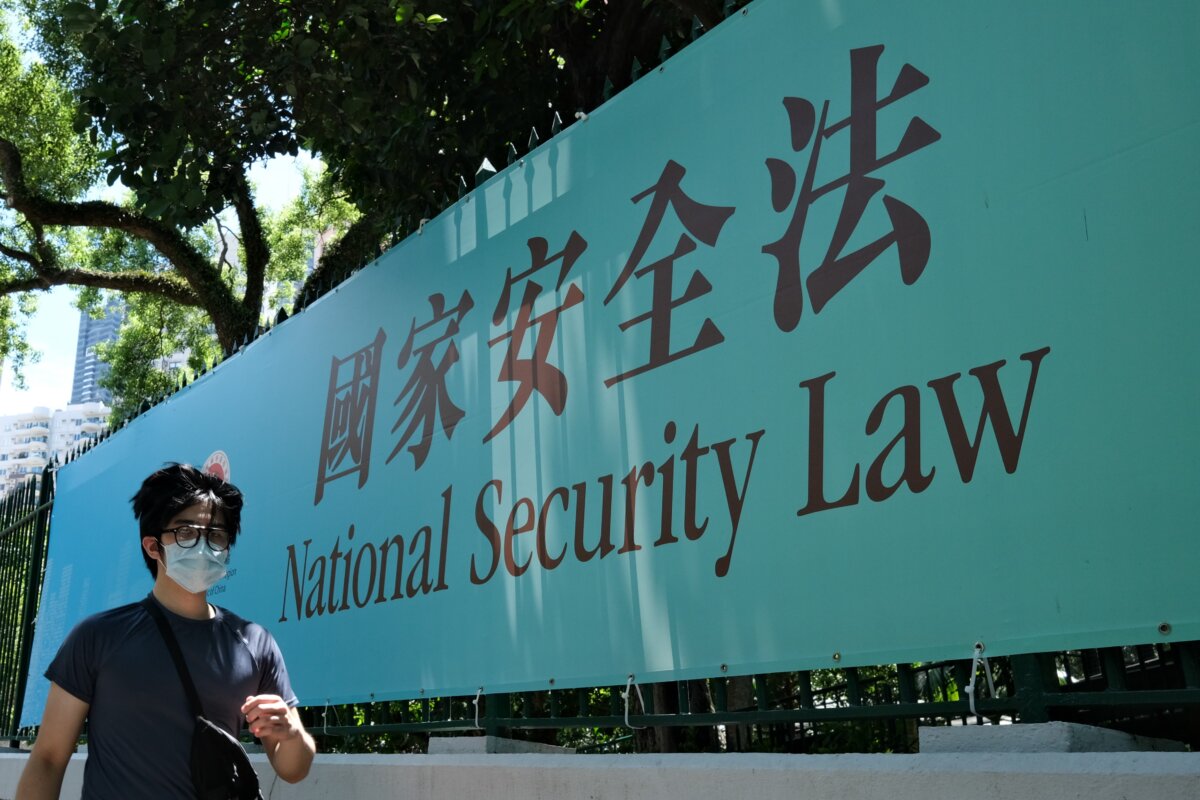

The U.S. government has issued a new “security alert” for American citizens traveling to Hong Kong, saying that the nation’s tightened security rules could affect foreign visitors.
Hong Kong police have been granted new authority to request phone or computer passwords from individuals they suspect of breaching the 2020 national security law.
If people refuse to comply, they could face up to a year behind bars or a fine of HK$100,000 (about US$12,766). Providing false or misleading information can lead to up to three years’ imprisonment or a fine of HK$500,000.
These changes, announced by the Hong Kong government on March 23, were among the amendments to the implementation rules of the 2020 law.
“This legal change applies to everyone, including U.S. citizens in Hong Kong, arriving or just transiting Hong Kong International Airport,” the U.S. Consulate General Hong Kong and Macau said on March 26.
“In addition, the Hong Kong government also has more authority to take and keep any personal devices, as evidence, that they claim are linked to national security offenses.”
A Hong Kong government spokesperson defended the amended rules, saying in a March 27 statement that the changes comply with the Basic Law—the city’s mini-constitution—and its human rights provisions, as well as the relevant provisions under the national security law.
The spokesperson said that the police officers must have “reasonable grounds” to suspect that electronic devices contain “evidence of a national security offense.” In such cases, officers are required to obtain a court warrant before searching the devices, the spokesperson said.
According to provisions published by the Hong Kong government, police officers can require individuals under investigation for suspected endangering of national security to disclose passwords or other decryption methods for electronic devices, and they can require such individuals to provide the police with “any other reasonable and necessary information or assistance.”
If the officers believe any person knows the password or decryption methods, they can compel that person to hand over such information or to provide the necessary assistance.
The new amendment also permits Hong Kong customs officers to seize any items suspected of having “a seditious intention,” regardless of whether the person has been arrested for endangering national security because of those items.
-

Hong Kong has taken a sharp authoritarian turn since the Chinese Communist Party (CCP) imposed the national security law on the city in 2020.
The sweeping legislation criminalized speech or actions deemed to be secessionist, subversive, terrorizing, or in collusion with foreign forces against the communist regime, with punishments as severe as life imprisonment.
As of January, Hong Kong authorities had charged 98 individuals under the Beijing-imposed security law, 78 of whom had been convicted, according to a national security white paper issued by the CCP’s State Council on Feb. 10.
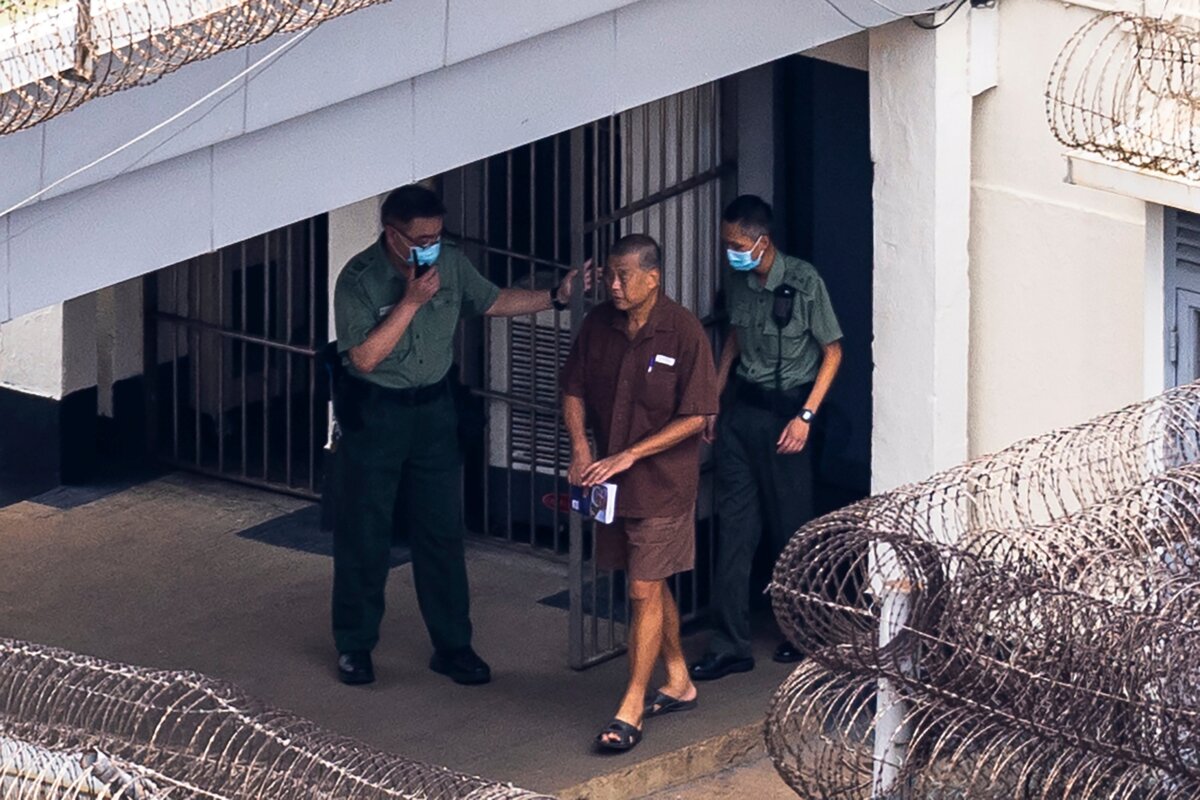
Just a day before Beijing released the white paper, Hong Kong’s High Court sentenced Jimmy Lai, 78, a pro-democracy media tycoon, to 20 years in prison, the harshest ever under the security law.
The landmark security case has raised fresh concerns about Beijing’s attack on the dwindling freedoms of speech and the press in the city, something the CCP promised to keep untouched for half a century when the UK handed the city over to the Chinese regime in 1997.
The U.S. State Department has warned U.S. travelers to “exercise increased caution” in Hong Kong since November 2024, citing the risks of arbitrary enforcement of local laws.
Reuters contributed to this report.
Correction: A previous version of this article misspelled the name of media tycoon Jimmy Lai. The Epoch Times regrets the error.
 Friends Read Free
Copy
Facebook
Tweet
Friends Read Free
Copy
Facebook
Tweet